Explore Top 11 Animals That Eat Honey (With Images)
Animals That Eat Honey range from birds to mammals, each with fascinating behaviors and adaptations that make them adept at seeking out this sticky treat. Understanding these creatures not only highlights the diversity of nature but also deepens our appreciation for the ecological roles they play. Join us as we explore the intriguing world of these honey-loving animals and learn how their sweet cravings impact our environment.
List of Animals That Eat Honey
Here is the list of animals that eat honey:
| Number of Animal | Names of Animals That Eat Honey |
| 1 | Small Hive Beetles |
| 2 | Bears |
| 3 | Chimpanzees |
| 4 | Martens |
| 5 | Bees |
| 6 | Honey Badgers |
| 7 | Skunks |
| 8 | Opossums |
| 9 | Honey Buzzards |
| 10 | Baboons |
| 11 | Raccoons |
Small Hive Beetles
Scientific Name: Aethina tumida
Class: Insecta
Diet: Omnivore
Small hive beetles, while often seen as pests to be eradicated, play a surprisingly complex role in the ecosystem of beehives. These tiny intruders, measuring just a few millimeters, manage to infiltrate hives and feed on honey and bee larvae, yet their presence is a reminder of the delicate balance of nature. As they consume honey, they inadvertently stimulate a hive’s defenses, prompting bees to become more vigilant and adaptive. This interaction showcases the resilience of bee colonies, which must continuously evolve to protect their precious resources.
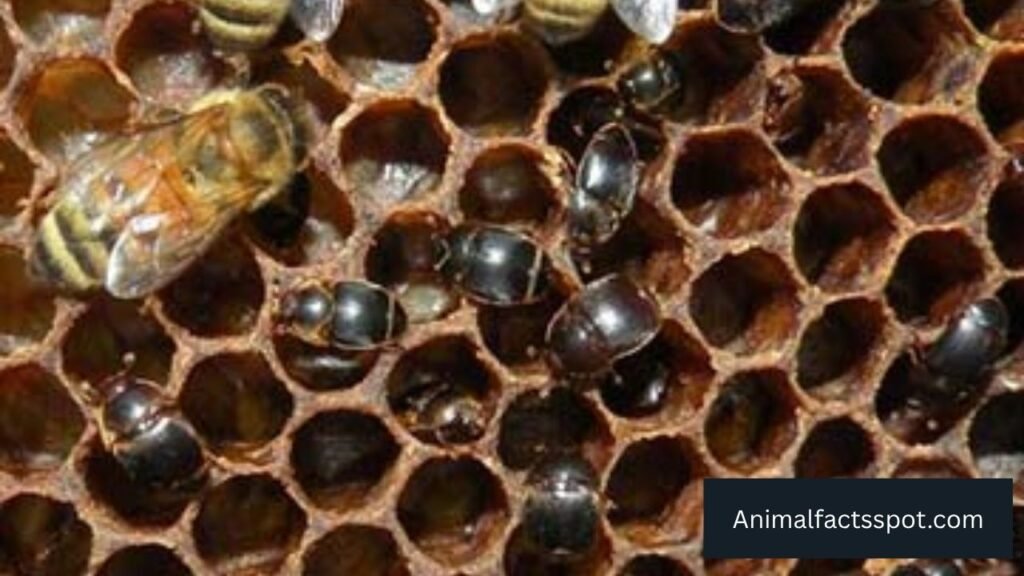
Interestingly, small hive beetles also contribute to the broader ecosystem beyond the hive. When they shed their larvae, the remains become a source of nourishment for other scavengers in the environment, from birds to various insects. This interconnectedness emphasizes that even the most unwelcome creatures can serve a purpose, recycling energy and nutrients within their habitats.
Bears
Scientific Name: Ursidae
Class: Mammalia
Diet: Omnivore
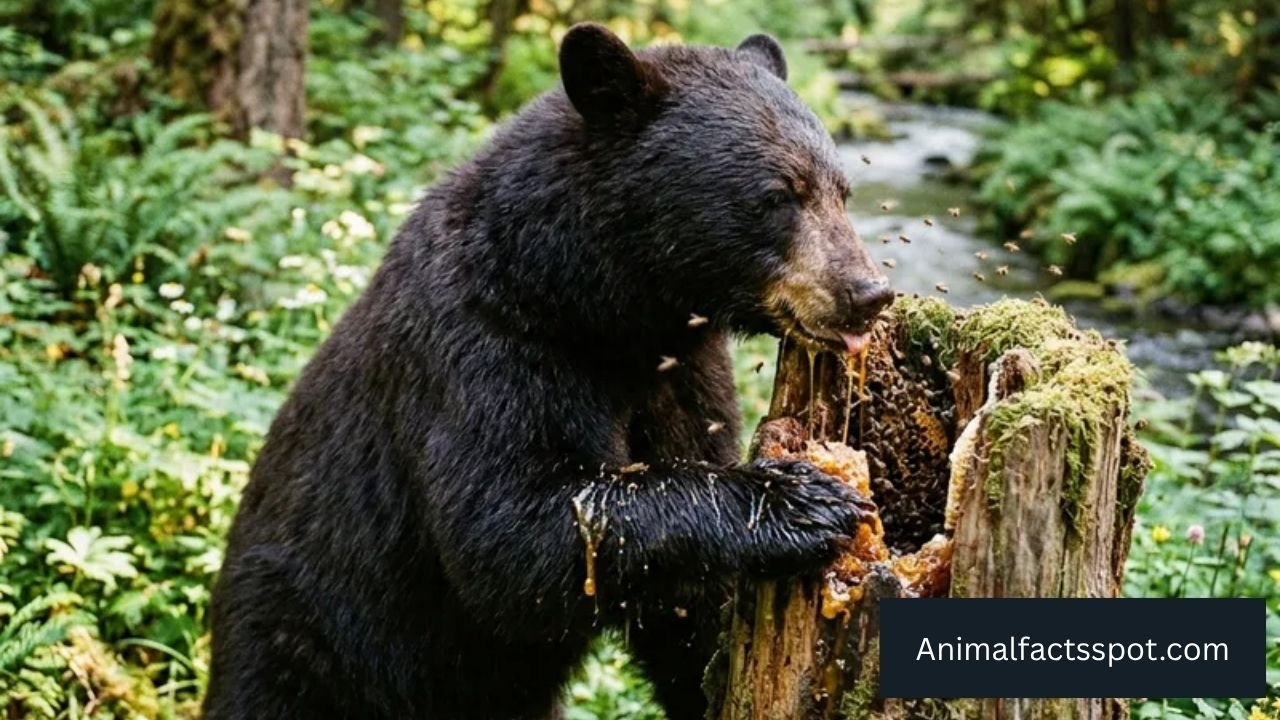
Bears are perhaps the most iconic honey enthusiasts in the animal kingdom. Their impressive strength and dexterous paws make them adept at tearing apart hives, revealing sticky treasures hidden within. Interestingly, the relationship between bears and honeybees is a fascinating one; the extraction of honey does not just feed these enormous mammals but also plays a role in their ecosystem. When bears raid hives, they inadvertently help pollinate plants as bees move from flower to flower while in search of their own lost homes.
Beyond the sweet allure of honey, bears possess an incredible olfactory sense that can detect honey from miles away. This extraordinary ability highlights their adaptation to forage for high-calorie foods, especially before hibernation. The sheer determination and skill displayed by these creatures in pursuing their favorite treat showcases an instinctual dance between survival and sensory perception.
Chimpanzees
Scientific Name: Pan troglodytes
Class: Mammalia
Diet: Omnivore
Chimpanzees display a fascinating relationship with honey, showcasing not only their resourcefulness but also their sophisticated problem-solving abilities. In the wild, they have been observed using tools, such as sticks, to extract honey from beehives, demonstrating a level of intelligence that parallels that of early human ancestors. This behavior highlights their dexterity and understanding of cause and effect; they know that by dipping a stick into a hive, they can access a delicious reward.
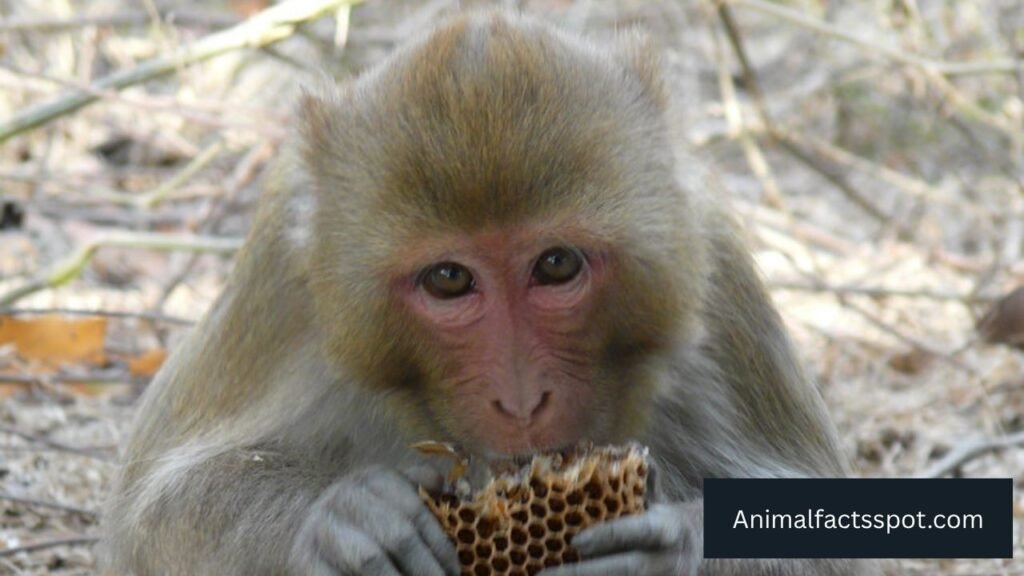
Moreover, honey is more than just a sweet treat for chimpanzees; it serves as a vital food source packed with energy, especially during leaner seasons. This craving for honey also influences their social behavior, as individuals often collaborate to raid beehives, sharing the honey and strengthening social bonds within their communities.
Readmore: Explore Top 17 Animals That Eat Berries.
Martens
Scientific Name: Martes
Class: Mammalia
Diet: Omnivore
Martens, often overlooked in discussions about honey-eating animals, showcase a fascinating blend of agility and resourcefulness. These small to medium-sized carnivores possess an uncanny knack for climbing trees, allowing them to access beehives with surprising ease. Their thick fur keeps them warm while they navigate the heights, but it’s their boldness and shrewd tactics that truly make them adept foragers.
The way they adapt to seasonal changes — seeking honey in late summer when bees are most active — further illustrates their keen survival instincts. By embracing this sweet treat, martens not only feast but also contribute to the ecological balance, reminding us of the intricate connections within nature’s web.
Bees
Scientific Name: Anthophila
Class: Insecta
Diet: Herbivore
Bees are renowned for their remarkable ability to produce honey, a sweet substance that attracts not just humans but a myriad of curious creatures. Among these, bears are often celebrated for their daring attempts to raid beehives, showcasing a fascinating interplay between instinct and resourcefulness.
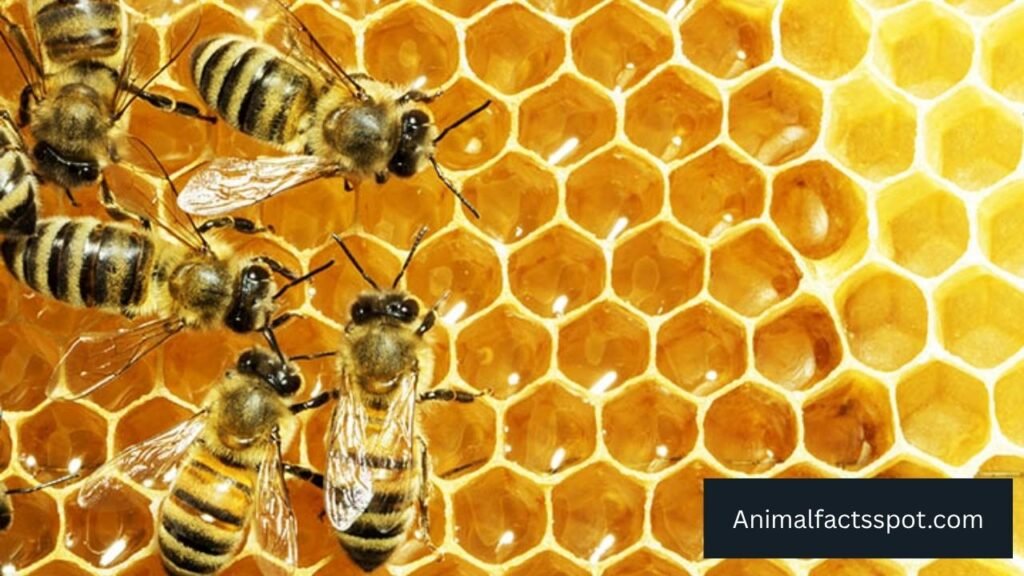
When bees do fall victim to these opportunistic eaters, they inadvertently contribute to the cycle of life, enriching the soil and feeding other animals that rely on the honey-laden remains for sustenance. Thus, the relationship between bees and their honey-consuming counterparts illustrates a broader narrative about survival, adaptation, and the unexpected roles each species plays within their environment.
Honey Badgers
Scientific Name: Mellivora capensis
Class: Mammalia
Diet: Omnivore
Honey badgers are not just tenacious foragers; they are also remarkable symbols of resilience in the wild. Known for their voracious appetite for honey, these fearless creatures will brave the most formidable of beehives, often raiding them with little regard for the painful stings they endure. This bold behavior is supported by their thick skin, which acts as a natural armor against bee attacks, allowing them to focus on the sweet reward inside.
Honey badgers often team up with birds known as honeyguides, which lead them to beehives. The birds benefit by feeding on the leftover larvae and beeswax after the honey badger does its work. This intricate dance showcases not only the honey badger’s clever hunting tactics but also the interconnectedness of wildlife, demonstrating how diverse species can collaborate in the search for sustenance.
Skunks
Scientific Name: Mephitidae
Class: Mammalia
Diet: Omnivore
Skunks may not be the first animals that come to mind when you think of honey enthusiasts, but these often-misunderstood creatures have a surprising palate. Their keen sense of smell directs them to beehives, where the sweet aroma of honey calls them like a siren. Despite their reputation as mere scavengers, skunks are actually resourceful foragers; they’ll dig through the ground or climb trees to reach the coveted honey, showcasing their intelligence and adaptability.
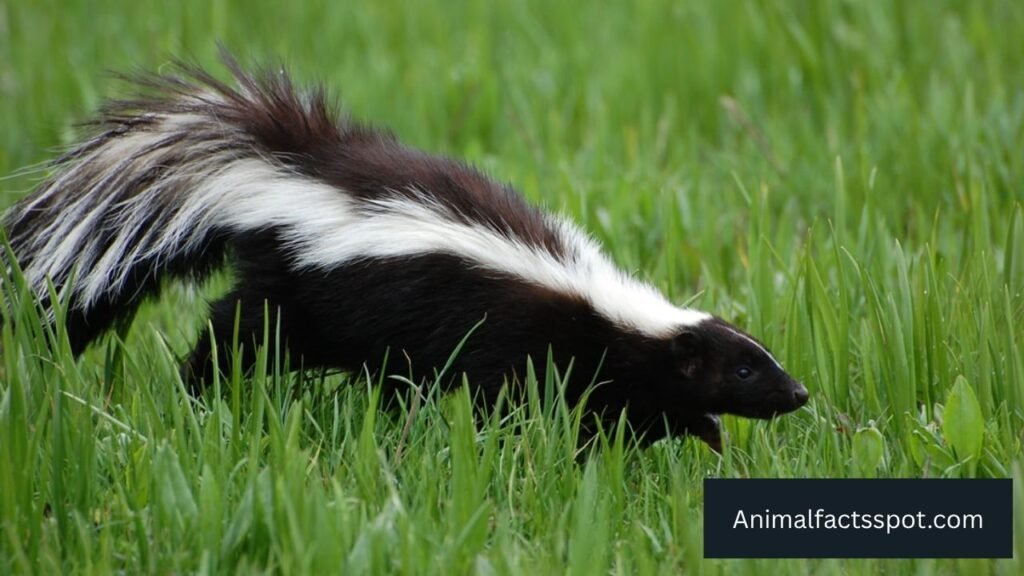
Once skunks find their prize, they employ clever tactics to avoid bee stings. Their thick fur provides some protection against angry bees, but they rely heavily on their dexterity and speed to snatch honey without becoming a buffet. This diet not only provides a rich source of sugar but also exposes them to the bee larvae, another protein-packed treat.
Opossums
Scientific Name: Didelphidae
Class: Mammalia
Diet: Omnivore
Opossums are often overlooked in discussions about honey-eating animals, yet they have a fascinating relationship with this sweet substance. As nature’s original scavengers, these marsupials are opportunistic feeders, and honey is a delightful treat they actively seek out. With their sharp sense of smell, opossums can sniff out hidden beehives or fallen fruits that are coated in the sticky, golden nectar.
Interestingly, opossums possess an immunity to many bee stings, which allows them to forage without the same fears that deter other animals. Their seemingly fearless approach to honey hunting makes them critical players in pollination and pest control, benefiting both agricultural landscapes and wild habitats. Moreover, their unique digestive systems allow them to digest not only honey but also the bees, wax, and even plant matter found within hives.
Honey Buzzards
Scientific Name: Pernis apivorus
Class: Aves
Diet: Carnivore
Honey buzzards are fascinating avian specialists, renowned for their unique dietary preferences that revolve around honey and bee larvae. Unlike many birds of prey that hunt small mammals or birds, these raptors demonstrate a peculiar affinity for beehives, showcasing their remarkable adaptability and niche foraging strategies. Their keen eyesight allows them to locate nests high in trees, while their impressive agility enables them to navigate the dangers posed by angry bees.
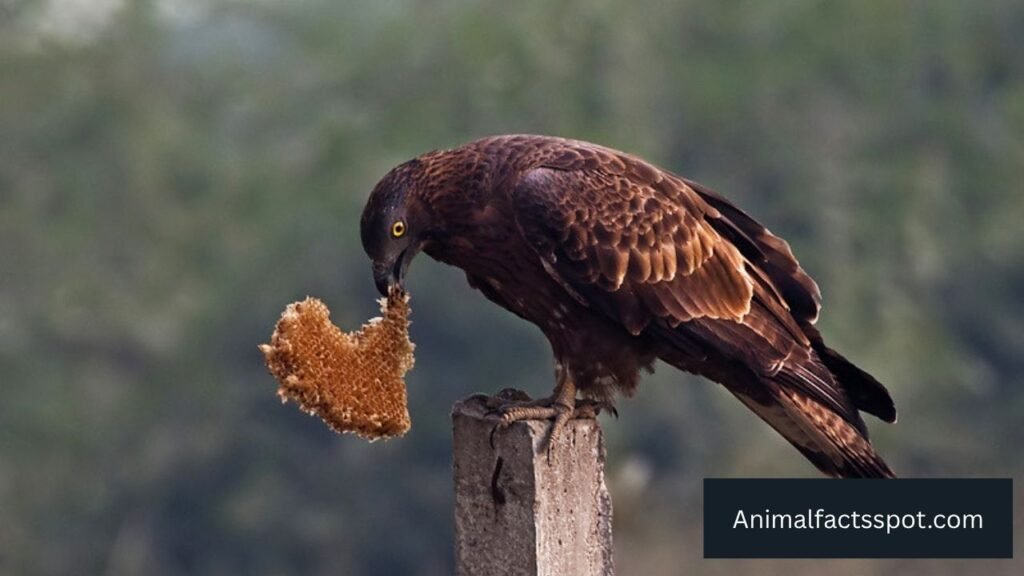
Equipped with specially adapted feathers that protect them from stings, honey buzzards employ a clever method to access their sweet reward. They often rely on other animals, such as badgers or woodpeckers, to breach hives first, maximizing their chances of a successful meal. This fascinating symbiotic relationship highlights the buzzards’ intelligence and resourcefulness in the wild.
Baboons
Class: Mammalia
Diet: Omnivore
Baboons, often dismissed as mere scavengers, play a fascinating role in the world of honey consumption. Their intelligent foraging strategies are not just about satisfying hunger; they demonstrate a remarkable adaptability to their environment. When the scent of honey wafts through the air, these primates engage in a complex dance of social interaction, with individuals collaborating to gain access to beehives.
The baboon’s extraordinary resilience to bee stings is another intriguing aspect of their honey-eating habits. While many animals may shy away from the danger posed by a swarm, baboons have evolved to tolerate these stings, often picking off honeycomb under the watchful eyes of their companions.
Raccoons
Scientific Name: Procyon lotor
Class: Mammalia
Diet: Omnivore
Raccoons, those clever masked bandits of the animal kingdom, have a surprisingly sweet tooth when it comes to honey. Equipped with nimble paws and a keen sense of smell, these creatures often raid beehives to indulge in the delectable sweetness. What’s fascinating is their unique approach to foraging; raccoons don’t just consume honey for its sugary allure but also for its nutritional benefits. Honey serves as a rich energy source, providing essential calories needed for their active lifestyles, especially during harsher seasons.
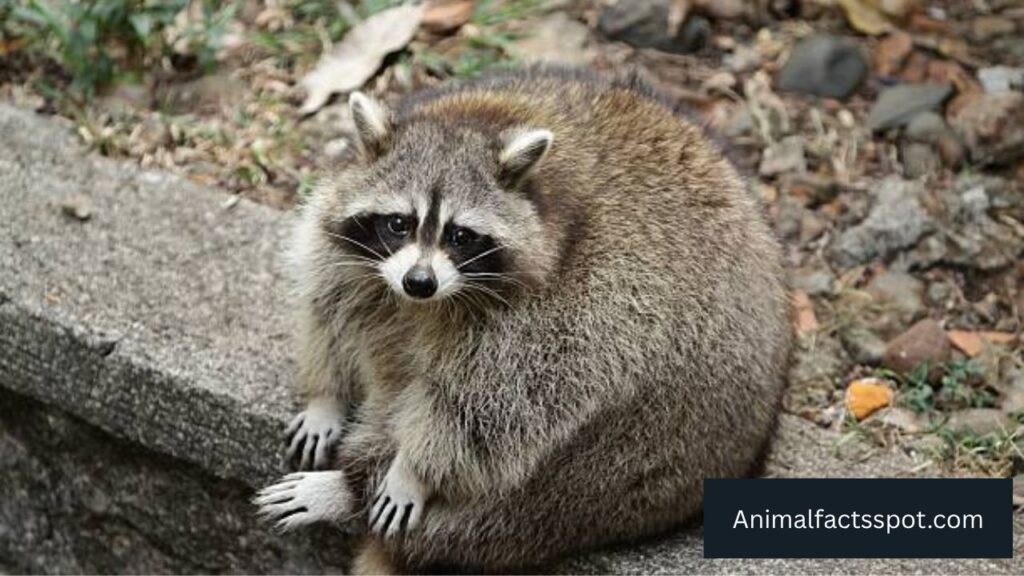
In addition to the taste, raccoons exhibit remarkable dexterity when handling bees and hives. Their sensitive front paws, often dubbed “hands,” allow them to manipulate obstacles and breach hives with impressive precision. Though they face the risk of bee stings, their risk-taking behavior is part of a broader survival strategy that continues to astound wildlife enthusiasts.
Readmore: Explore Top 15 Animals That Live in Rivers.
Conclusion
The world of honey-eating animals is diverse and fascinating, highlighting the remarkable adaptability of these creatures. From mischievous bears to industrious bees, the ways in which these animals interact with honey reveal much about their behaviors and ecological roles. Not only do they play significant parts in their ecosystems, but they also contribute to the broader biodiversity that sustains life on our planet.
Understanding these relationships can inspire us to appreciate and protect the delicate balance of nature. As we learn more about these sweet-toothed animals, let’s commit to safeguarding their habitats to ensure they thrive for generations to come.
FAQs
What animal likes to eat honey?
One of the most well-known animals that enjoys honey is the bear. Bears have a strong sense of smell and can locate beehives from great distances. Other animals that appreciate honey include honey badgers and various species of primates.
Is honey good for animals to eat?
Yes, honey can be beneficial for some animals, particularly when given in moderation. Many pets and livestock, such as dogs, cats, and horses, can enjoy small amounts of honey as a natural treat. Honey is known for its antibacterial properties, which can aid in healing, and it provides a quick source of energy due to its high sugar content.