Top 12 Animals Like Sugar Glider (With Pictures)
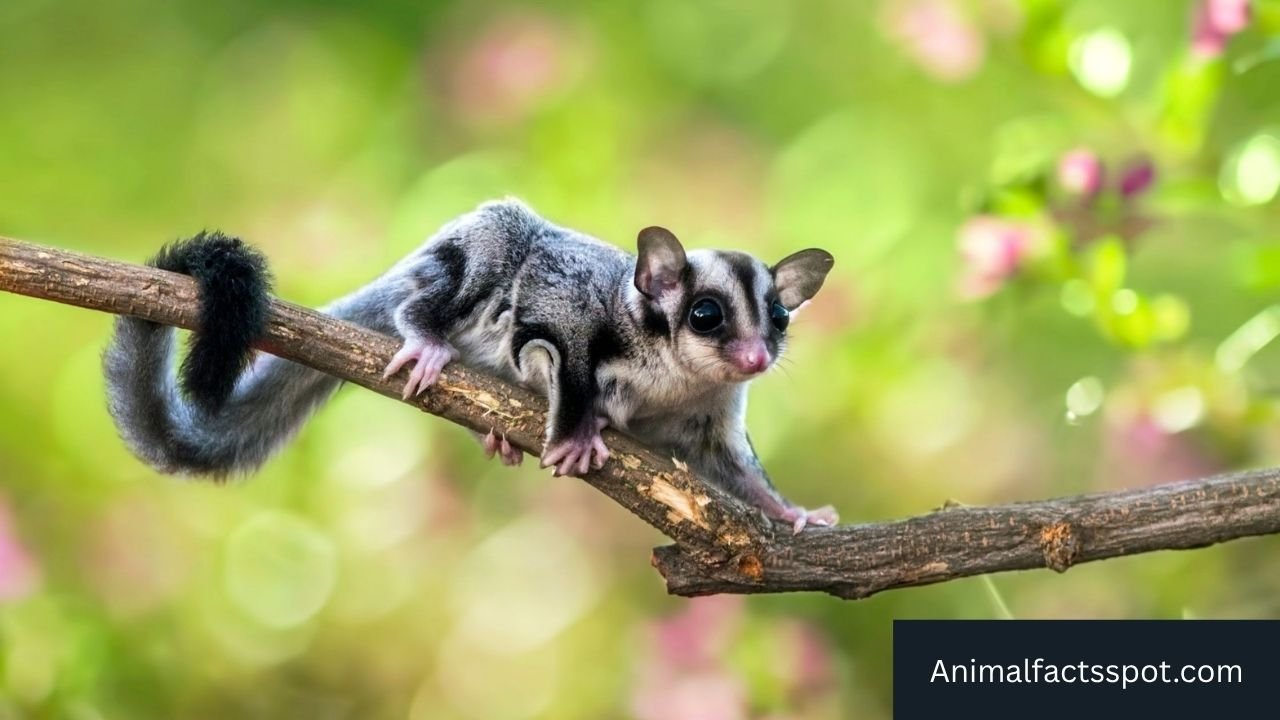
Animals like sugar gliders exhibit this incredible ability, but they’re not the only ones with fascinating gliding skills. In this article, we’ll explore fascinating creatures that share remarkable traits with sugar gliders, shedding light on their habitats, behaviors, and importance in our ecosystem.
List of Animals Like Sugar Glider
Here is the list of animals that are like sugar glider:
- Colugo
- Biak Glider
- Common Striped Possum
- Feather-tailed Possum
- Tate’s Triok
- Northern Flying Squirrel
- Gliding Frog
- Southern Greater Glider
- Feathertail Glider
- Mahogany Glider
- Pygmy Scaly-tailed Flying Squirrel
- Draco Lizard
Colugo
Scientific Name: Galeopterus variegatus
Class: Mammalia
Diet: Herbivore
The colugo, often overshadowed by its more popular cousins like the sugar glider, offers a fascinating glimpse into the world of gliding mammals. Known as “flying lemurs,” colugos are neither lemurs nor true flyers; rather, they are masters of gliding, equipped with a large patagium that stretches from their limbs to their tail. This unique adaptation allows them to soar gracefully between trees, covering distances up to 150 meters in a single glide. This ability not only aids in foraging but also serves as an effective escape mechanism from predators in their Southeast Asian forest habitats.
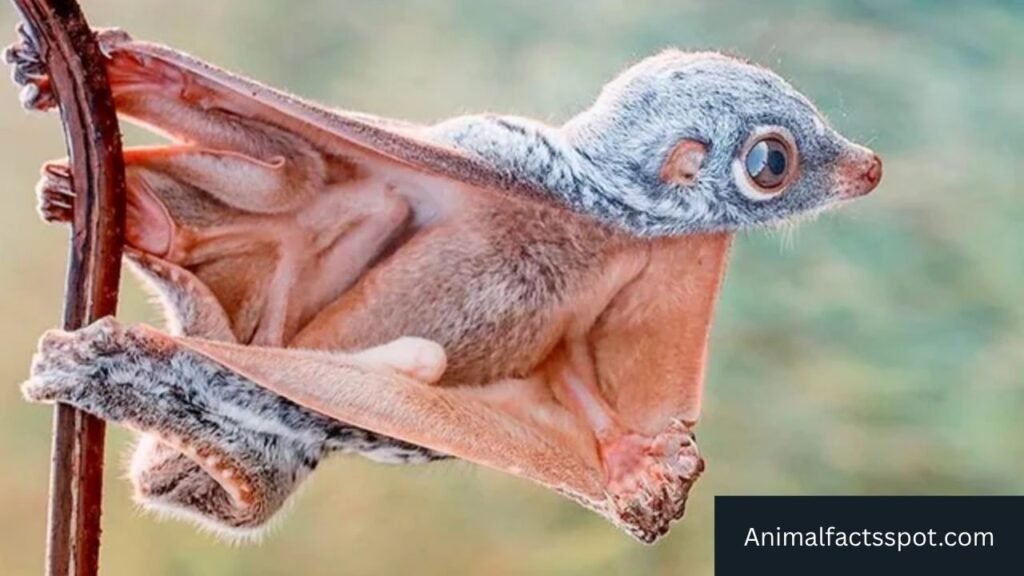
What sets colugos apart is their remarkable evolutionary journey; they are more closely related to primates than to other gliding mammals. With large eyes that hint at nocturnal lifestyles, their diet is primarily folivorous, specializing in leaves, flowers, and fruit. This dietary niche contributes to their critical role in maintaining forest health by aiding in seed dispersal. Yet, their unusual gliding capabilities often lead them to be overlooked, highlighting the importance of conserving their habitats. As deforestation threatens their existence, understanding colugos helps to underline the intricate connections within ecosystems, demanding our attention for their survival.
Biak Glider
Scientific Name: Petaurus biacensis
Class: Mammalia
Diet: Omnivore
The Biak Glider, a striking variation of the more commonly known sugar glider, captivates enthusiasts with its stunning color palette and unique habitat preferences. Native to the Biak Island in Indonesia, these marsupials boast a striking blue-gray fur that sets them apart from their cousins, offering a glimpse into nature’s artistry. Their gliding ability is not only a survival trait but also a whimsical showcase of their agility, helping them navigate the dense canopies of their tropical forests.
Unlike their more widespread relatives, Biak Gliders exhibit a more pronounced social structure, which enhances their charming personalities. Observing their interactions reveals a fascinating social dynamic, from playful gestures to nurturing behaviors, reflecting a complexity that often goes unnoticed in other glider species. Protecting these remarkable creatures is vital, as habitat loss threatens their unique ecosystems, making the case for conservation all the more pressing. As captivating ambassadors of their environment, the Biak Glider inspires both awe and a call to action for wildlife lovers around the globe.
Common Striped Possum
Scientific Name: Dactylopsila trivirgata
Class: Mammalia
Diet: Omnivore
The Common Striped Possum, often overshadowed by its more popular marsupial counterparts, is a gem of the Australian wildlife scene. With its striking black and white stripes running along its back, this nocturnal creature boasts a unique look that captivates nature enthusiasts. Unlike their sugar glider cousins, these possums are characterized by their larger size and an endearing charm that’s hard to resist. Their social behavior also sets them apart; they are known to communicate through a variety of sounds, from soft grunts to loud, plaintive calls, creating a symphony of nocturnal chatter in their forest habitats.
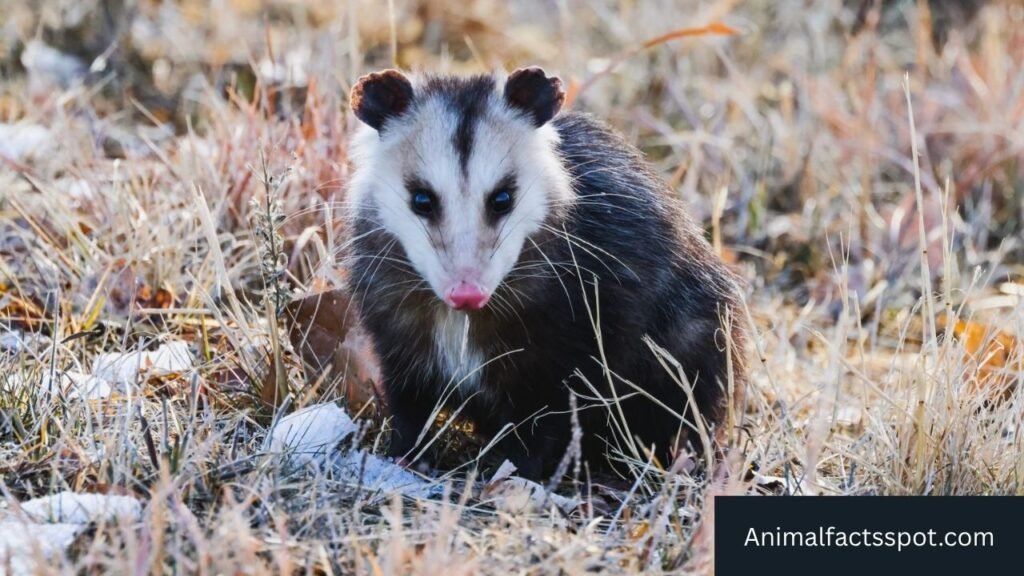
One of the most fascinating aspects of the Common Striped Possum is its diet and foraging habits. These marsupials primarily feed on nectar, fruit, and insects, using their specialized, clawed fingers to extract food from tree crevices. Their role as pollinators is often underestimated; as they move from tree to tree in search of sweet nectar, they inadvertently assist in the reproductive cycles of various flowering species. Moreover, their adaptability to different environments sparks curiosity about the resilience of wildlife in changing ecosystems. Exploring the life of the Common Striped Possum offers deep insights into the intricate balance of nature, reminding us that every species — no matter how small — plays a vital role in the web of life.
Feather-tailed Possum
Scientific Name: Distoechurus pennatus
Class: Mammalia
Diet: Omnivore
The feather-tailed possum is a remarkable creature that often gets overshadowed by its more popular cousin, the sugar glider. With its elusive nature and stunningly beautiful, feather-like tail, this marsupial is a marvel of adaptation. Unlike the sugar glider’s smooth, membrane-like skin, the feather-tailed possum sports a tufted tail that aids in balance and communication, making it a true master of tree-dwelling finesse.
Moreover, the feather-tailed possum boasts a unique diet primarily composed of nectar, fruits, and insects, reflecting a niche that diverges from the sugar glider’s more generalized omnivorous habits. Their feeding strategies also reveal an intriguing foraging behavior, where they use their keen sense of smell to locate blossoms at twilight, creating a stunning image of this creature flitting through the branches in search of a midnight snack. In essence, the feather-tailed possum encapsulates a world of wonders waiting to be discovered, standing as a testament to nature’s creativity and ecological diversity.
Tate’s Triok
Scientific Name: Dactylopsila tatei
Class: Mammalia
Diet: Insectivore
Tate’s Triok, a lesser-known marsupial from New Guinea, shares several fascinating traits with its more popular cousin, the sugar glider. Both creatures possess the remarkable ability to glide through trees, thanks to their patagium, a membrane that stretches from their forelimbs to their ankles. However, what sets Tate’s Triok apart is its unique social structure and diet. These nocturnal animals often form small family groups, engaging in playful behaviors that encourage bonding and social interaction. Observing them in their natural habitat reveals a dynamic life filled with not just foraging, but also an intricate dance of communication via soft chirps and subtle body language.
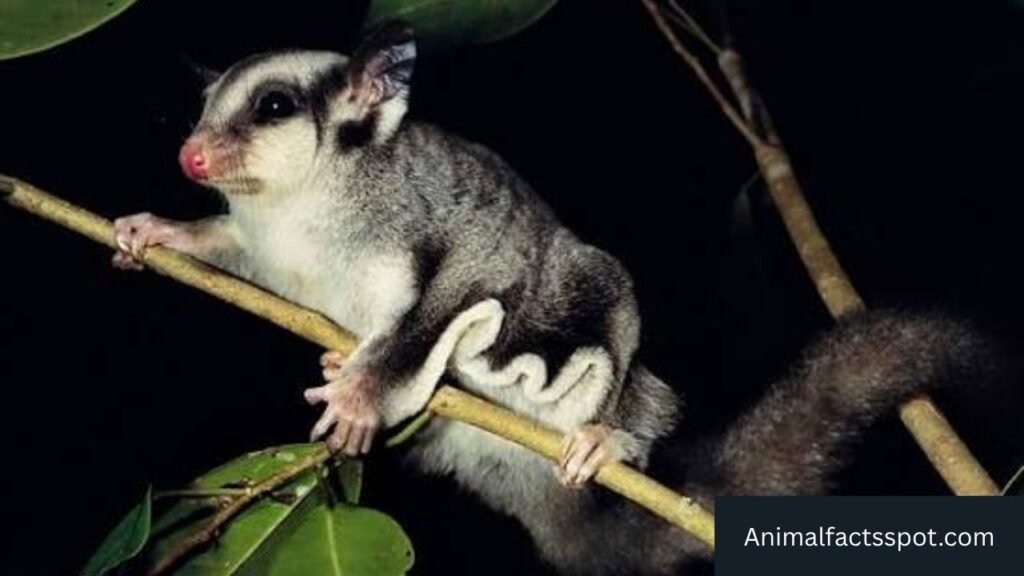
While much of the world adores sugar gliders for their adorable appearance and playful antics, the Tate’s Triok offers a glimpse into an equally enchanting yet more elusive lifestyle. Unlike the more domesticated sugar gliders, Tate’s Trioks rely heavily on their natural habitat, foraging for fruits, nectar, and insects, contributing to the ecological balance by acting as pollinators. This aspect underscores the importance of conservation, as their survival is intricately linked to the ecosystems they inhabit. Learning about these lesser-known animals not only broadens our appreciation for biodiversity but also emphasizes the vital role they play in maintaining healthier forests. In a world where species are rapidly disappearing, the Tate’s Triok is a reminder of the delicate interconnectedness of life.
Northern Flying Squirrel
Scientific Name: Glaucomys sabrinus
Class: Mammalia
Diet: Omnivore
The Northern Flying Squirrel may not be as commonly recognized as its sugar glider counterpart, but its enchanting lifestyle is equally fascinating. These nocturnal creatures possess a special membrane called the patagium that extends from wrist to ankle, allowing them to glide effortlessly between trees in search of food and shelter. Unlike sugar gliders, Northern Flying Squirrels are native to North America, primarily found in dense, mature forests where they thrive among hardwood trees. Their gliding prowess not only aids in mobility but also offers a unique evolutionary advantage, enabling them to evade predators while exploring their arboreal habitat.
An intriguing aspect of Northern Flying Squirrels is their social structure. They often live in small family groups, displaying a level of social bonding that fosters cooperation during foraging and protection. This communal lifestyle contrasts sharply with the more solitary nature of sugar gliders, underscoring the intricate dynamics of forest ecosystems. Moreover, their diet primarily consists of fruits, nuts, and fungi, including a charming preference for truffle-like delicacies buried beneath the forest floor, showcasing their vital role in seed dispersal and forest regeneration. As climate change threatens their habitats, these remarkable squirrels remind us of the delicate balance in which they exist and the importance of conservation efforts.
Gliding Frog
Scientific Name: Rhacophorus nigropalmatus
Class: Amphibia
Diet: Insectivore
The gliding frogs showcases a remarkable adaptation that parallels the charming sugar glider. Similar to the way sugar gliders navigate through the treetops with their membranous skin flaps, gliding frogs have developed extensive webbing between their toes, allowing them to traverse the air with grace. This ability not only aids in escaping predators but also helps them ambush prey from safe, elevated positions among branches.
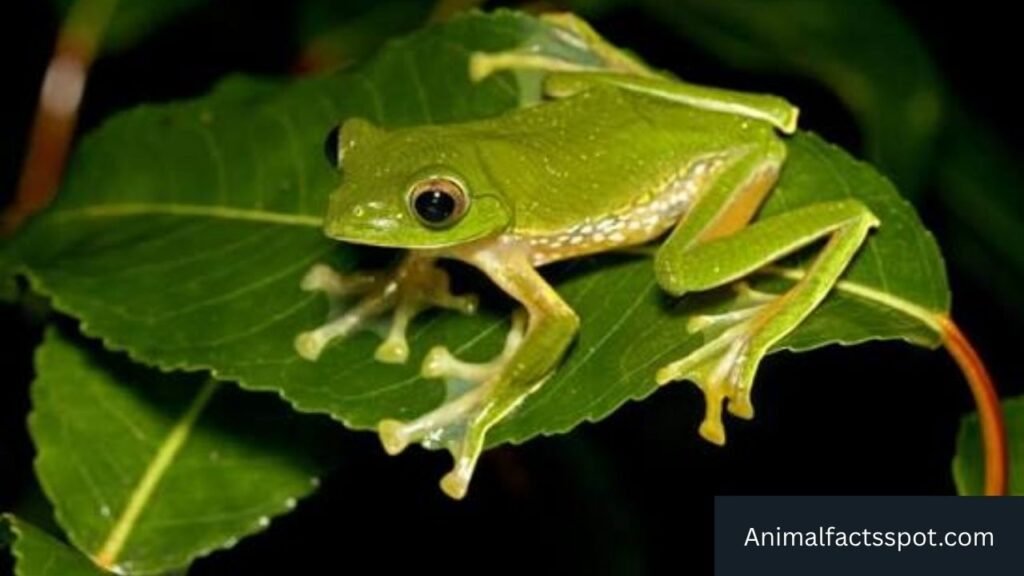
One of the most fascinating aspects of the gliding frog is its unique coloration, which varies across regions, helping it blend seamlessly into its rainforest habitat. This camouflage is critical for both hunting and avoiding detection by bigger threats. Unlike other frogs, the gliding frog exhibits a remarkable ecological niche by exploiting the physical structure of its environment, illustrating the intricate relationships between species and their habitats. Observing these extraordinary creatures gliding through the canopy can evoke a sense of wonder, reminding us of the incredible adaptations nature has designed for survival.
Southern Greater Glider
Scientific Name: Petauroides volans
Class: Mammalia
Diet: Herbivore
The Southern Greater Glider, often overshadowed by its smaller cousins like the Sugar Glider, offers a fascinating glimpse into the world of marsupial evolution. Sporting larger wings and a unique fur pattern, these magnificent creatures glide effortlessly through their forest habitats, showcasing a remarkable adaptation to arboreal life. Unlike Sugar Gliders, which are often found in urban gardens, the Southern Greater Glider is a true child of the eucalyptus forests, relying on these trees for both sustenance and shelter.
What sets the Southern Greater Glider apart is its complex social structure and selective diet. These nocturnal creatures are more than just solitary gliders; they are known to form close-knit family groups, communicating through a series of gentle chirps and calls. Their preference for specific eucalyptus species not only highlights their ecological role but also emphasizes the delicate balance within their habitat. As climate change threatens these environments, the survival of the Southern Greater Glider becomes a poignant reminder of the interconnectedness of species and the urgent need for conservation efforts to safeguard their future.
Feathertail Glider
Scientific Name: Acrobates pygmaeus
Class: Mammalia
Diet: Omnivore
The Feathertail Glider, a fascinating marsupial from Australia, is often overshadowed by more popular species like the Sugar Glider. What sets the Feathertail apart is its unique adaptation: a flattened tail that resembles a feather, which not only aids in gliding but also acts as a rudder for precise aerial maneuvers. Their tiny size — never exceeding 15 centimeters — combined with this extraordinary tail makes them agile acrobats of the forest canopy.
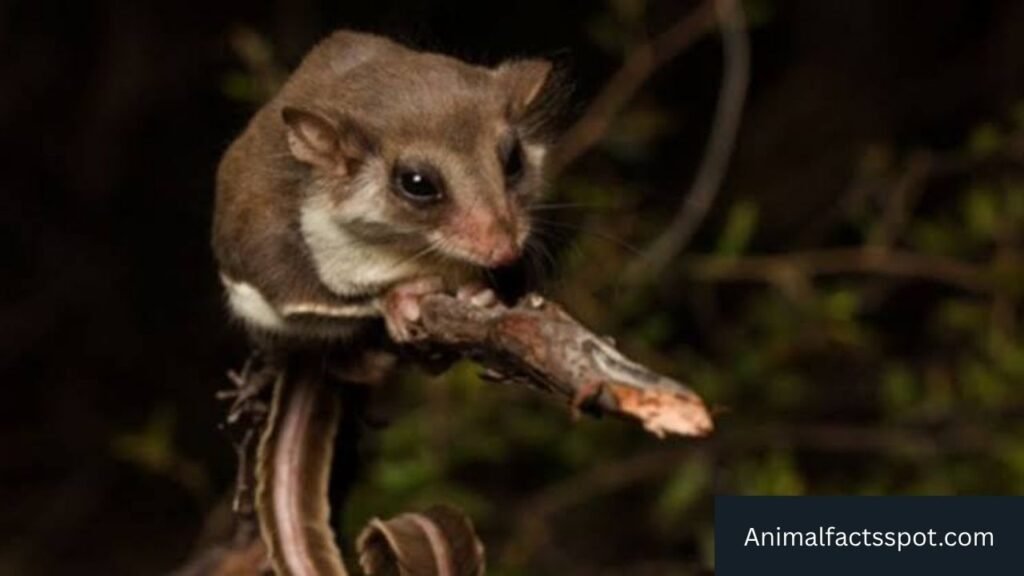
These nocturnal creatures are not just skilled gliders; they boast a vibrant social life. Often seen living in small family groups, they communicate through a series of vocalizations that echo through the night. Their diet, primarily consisting of nectar, insects, and fruit, intertwines their existence with the health of their forest habitat. As pollinators, they play a crucial role in maintaining ecological balance, showcasing the intricate connections between species and their environments. The Feathertail Glider is a reminder of nature’s diversity and the unique adaptations that allow survival in the wild.
Mahogany Glider
Scientific Name: Petaurus gracilis
Class: Mammalia
Diet: Omnivore
The Mahogany Glider, often overshadowed by its more famous relatives, such as the Sugar Glider, is a remarkable creature in its own right. Found primarily in the dense rainforests of Australia, this small marsupial isn’t just adorable; it plays a crucial role in its ecosystem. With a wingspan-like membrane that extends from its wrists to its ankles, the Mahogany Glider glides gracefully between trees, using its impressive aerial skills to navigate its arboreal habitat while foraging for fruits, flowers, and insects.
Unlike the common perception of gliders as solitary creatures, Mahogany Gliders exhibit fascinating social behaviors. They’ve been observed living in small family groups and communicate through a range of vocalizations, creating a vibrant chorus among the treetops. This social structure is essential for their survival, as they work together to locate food and defend their territory. Conservation efforts are increasingly focusing on preserving their natural habitat, not just to protect the species, but also to maintain the delicate balance of the rainforest ecosystem they inhabit. By understanding the Mahogany Glider’s unique behaviors and needs, we can truly appreciate the intricate tapestry of life that thrives beyond the familiar face of the Sugar Glider.
Pygmy Scaly-tailed Flying Squirrel
Scientific Name: Idiurus zenkeri
Class: Mammalia
Diet: Herbivore
The Pygmy Scaly-tailed Flying Squirrel, another marvel of the animal kingdom, shares a remarkable kinship with sugar gliders, captivating enthusiasts with its unique adaptations. Unlike its more common cousins, this diminutive creature glides gracefully through the lush canopy of Central and West Africa, using its specialized patagium — a membrane stretching from its forelimbs to its hind limbs — for effortless gliding. What sets the Pygmy Scaly-tailed Flying Squirrel apart is its distinctive tail, covered in hard, scale-like structures that not only aid in steering during flight but also serve as a protective mechanism against predators.
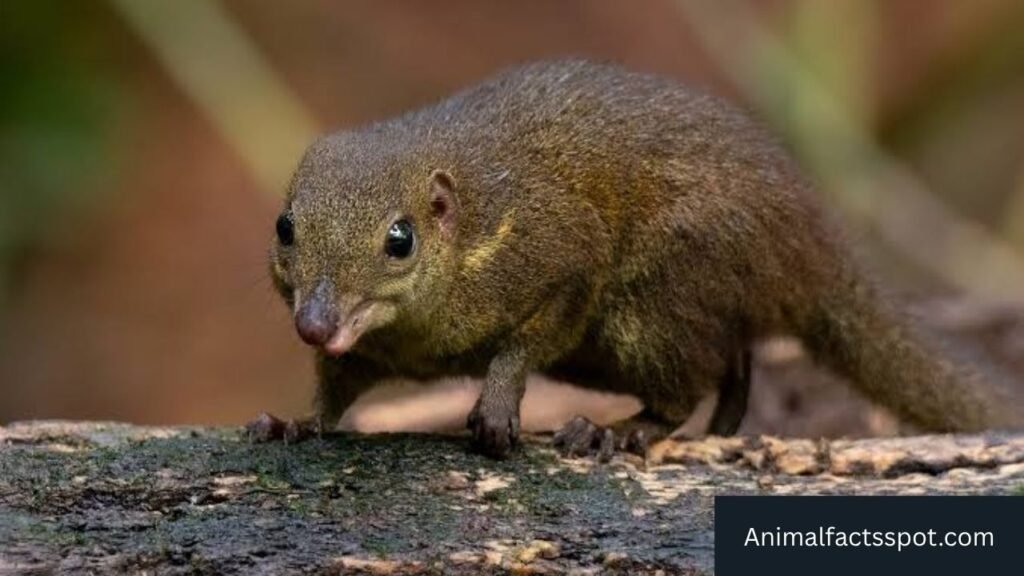
In addition to its interesting anatomy, this tiny squirrel offers fascinating insights into evolutionary adaptations. Its nocturnal lifestyle emphasizes a sophisticated nocturnal vision, allowing it to navigate the treetops in near-darkness. The Pygmy Scaly-tailed Flying Squirrel is also an expert forager, primarily indulging in a diet of fruits, nuts, and the occasional insect, thus playing a vital role in its ecosystem by contributing to seed dispersal. As we marvel at their aerial escapades, these enchanting creatures remind us of the astonishing complexities and interdependencies that define rainforest life.
Draco Lizard
Scientific Name: Draco volans
Class: Reptilia
Diet: Insectivore
The Draco lizard, often referred to as the flying dragon, showcases an extraordinary adaptation that parallels the gliding abilities of the sugar glider. With its elongated body and ribbed throat flap, the Draco lizard can glide between trees, utilizing a unique gliding mechanism that allows it to soar up to 10 meters. This remarkable ability not only aids in escaping predators but also enables it to traverse its forested habitat efficiently in search of food, primarily ants and termites. Observing a Draco lizard take off from a branch is akin to watching a feathered creature take flight; the ease and grace of its movements can leave one spellbound.
What’s particularly fascinating about the Draco lizard is its method of propulsion and steering during flight. By adjusting the angle of its elongated throat flap, it can manipulate airflow, effectively directing its trajectory. This form of controlled descent adds a layer of sophistication to its gliding skill, akin to aerial acrobatics. In contrast to the sugar glider’s reliance on a membrane for gliding, the Draco lizard exemplifies a form of evolution that marries agility with the need for survival, highlighting the diverse strategies animals have developed in their quest to thrive in the wild. Each leap from branch to branch isn’t merely a physical act but a vibrant display of nature’s ingenuity.
Readmore: Explore Top 17 Animals Like Capybara.
Final Thoughts
Sugar gliders are unique and fascinating creatures that share many traits with a variety of other animals. From the agile flying rodents like flying squirrels to the playful marsupials such as the greater glider, these animals captivate our imagination with their incredible adaptations for life in the trees. Each of these species provides insight into evolutionary strategies that have enabled them to thrive in their environments. By understanding their similarities and differences, we can foster a deeper appreciation for wildlife and the importance of conservation. Let’s take action to protect these wonderful creatures and their habitats by supporting conservation efforts in our communities.
FAQs
What animal is similar to a sugar glider?
A good animal that’s similar to a sugar glider is the flying squirrel. Both are nocturnal, tree-dwelling creatures with the ability to glide thanks to their patagium, a membrane that stretches from their front to rear legs. They share a similar diet, primarily consisting of fruits, nuts, and insects, making them both adorable and fascinating to observe.
Which animal that looks like a sugar glider but bigger?
The animal that looks like a sugar glider but bigger is a greater glider. It’s a marsupial native to Australia and is noticeably larger than the sugar glider. While sugar gliders average about 5 to 6 inches in body length, Greater Gliders can reach lengths of up to 14 inches, not including their tails, which add several additional inches.