Top 11 Animals That Live in Bogs (With Pictures)
Animals that live in bogs have adapted to some of the most challenging environments, showcasing nature’s incredible resilience and ingenuity. Understanding these creatures not only enhances our appreciation for biodiversity but also highlights the ecological importance of wetlands. In this article, we’ll uncover the remarkable adaptations and survival strategies of bog-dwelling species and explore why preserving these habitats is essential for our planet.
List of Animals That Live in Bogs
Below is the list of animals that live in bogs:
| Number of Animals | Names of Animals That Live in Bogs |
| 1 | Sandhill Crane |
| 2 | Short Eared Owl |
| 3 | Bog Turtle |
| 4 | Snowshoe Hare |
| 5 | Salamander |
| 6 | Muskrats |
| 7 | Moose |
| 8 | Beavers |
| 9 | Frogs |
| 10 | Dragonfly |
| 11 | Smooth Newt |
Sandhill Crane
Scientific Name: Antigone canadensis
Class: Aves
Diet: Omnivore
The Sandhill Crane, with its striking, graceful form, is a true emblem of the bog’s rich ecosystem. Standing tall at nearly four feet, these majestic birds thrive in the wet, marshy expanses, where their long legs and elongated necks enable them to forage among the waters for roots and small invertebrates. Their distinctive trumpeting calls can fill the air, creating a melodic backdrop that harmonizes with the landscape, amplifying the sense of life among the reeds.
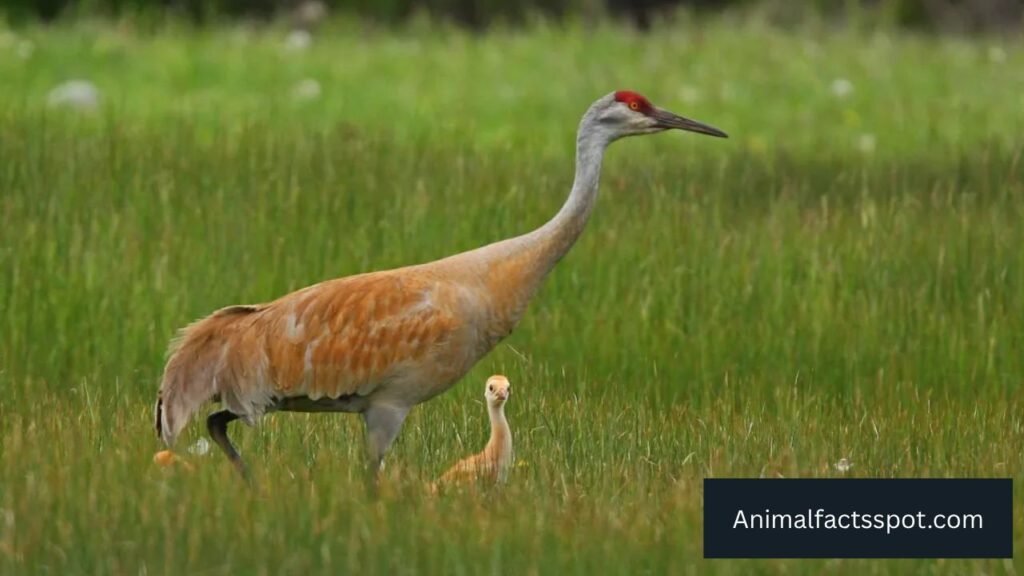
Interestingly, the breeding grounds of these cranes are a testament to their adaptability. Rather than shy away from the challenges of their bog habitats, Sandhill Cranes have learned to rely on the unique vegetation that sprouts in nutrient-rich, waterlogged environments. This ability to thrive in such niches speaks to their resilience, showcasing the interdependence between the cranes and the delicate balance of the bog ecosystem.
Short Eared Owl
Scientific Name: Asio flammeus
Class: Aves
Diet: Carnivore
The short-eared owl, a master of the night, has developed a remarkable adaptation to its boggy habitats. Unlike its more reclusive cousins, this owl engages in unique hunting practices that capitalize on the vast openness of wetlands. With its distinctive heart-shaped face, the short-eared owl utilizes excellent auditory capabilities to detect the slightest rustle of a small mammal or bird hidden among the dense, spongy vegetation.
This not only ensures genetic variety but also strengthens social bonds within their populations. As they glide effortlessly over the marsh, it’s a testament to their adaptability and resilience in maintaining a fragile ecosystem. Observing these owls in motion is a reminder of the interconnectedness of life within the bogs, demonstrating how even the most unassuming habitats can support vibrant and dynamic wildlife.
Bog Turtle
Scientific Name: Glyptemys muhlenbergii
Class: Reptilia
Diet: Omnivore
The bog turtle, a small yet remarkable inhabitant of North America’s wetlands, offers a glimpse into the intricate web of life in bog ecosystems. While they may appear inconspicuous, these turtles play a pivotal role in maintaining the delicate balance of their habitat. Their preferred environments — marshy, slow-moving waters with dense vegetation — provide not only shelter but also a rich source of food, including aquatic plants and small invertebrates.
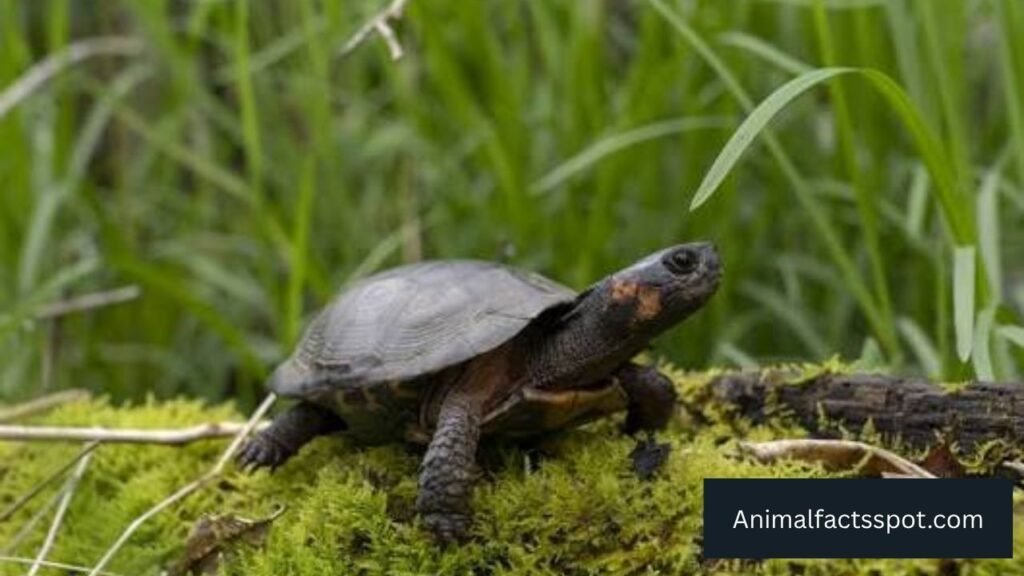
Beyond their ecological significance, bog turtles possess a striking beauty that belies their small size. With their distinctive yellow and orange markings, they are a living testament to the artistry of evolution, perfectly adapted to both their environment and their role within it. However, they face numerous challenges, from habitat loss to pollution, reminding us of the fragility of such unique ecosystems.
Snowshoe Hare
Scientific Name: Lepus americanus
Class: Mammalia
Diet: Herbivore
Snowshoe hares are true masters of adaptation, perfectly suited to the boggy landscapes they sometimes inhabit. Their large, furry feet act like natural snowshoes, allowing them to navigate through soft, marshy ground without sinking. This remarkable feature not only aids in their movement but also helps them evade predators by enabling swift escapes across treacherous terrain.
In these vibrant ecosystems, snowshoe hares play a crucial role in maintaining the balance of plant life. Their voracious appetite helps control the growth of certain shrubs and grasses, ensuring that the delicate ecosystem remains in harmony. They serve as a vital food source for larger predators, such as coyotes and eagles, creating a ripple effect throughout the food chain.
Salamander
Scientific Name: Caudata
Class: Amphibia
Diet: Carnivore
The bog is a realm of intrigue, where moisture-rich soils create a unique habitat for a variety of specialized wildlife, including the enigmatic salamander. These amphibians are not just passive inhabitants; they play a crucial role in the ecosystem. With their permeable skin, salamanders absorb moisture and nutrients from their surroundings, which allows them to thrive in the often challenging conditions of a bog. This characteristic also makes them excellent bioindicators, reflecting the health of their delicate environment.
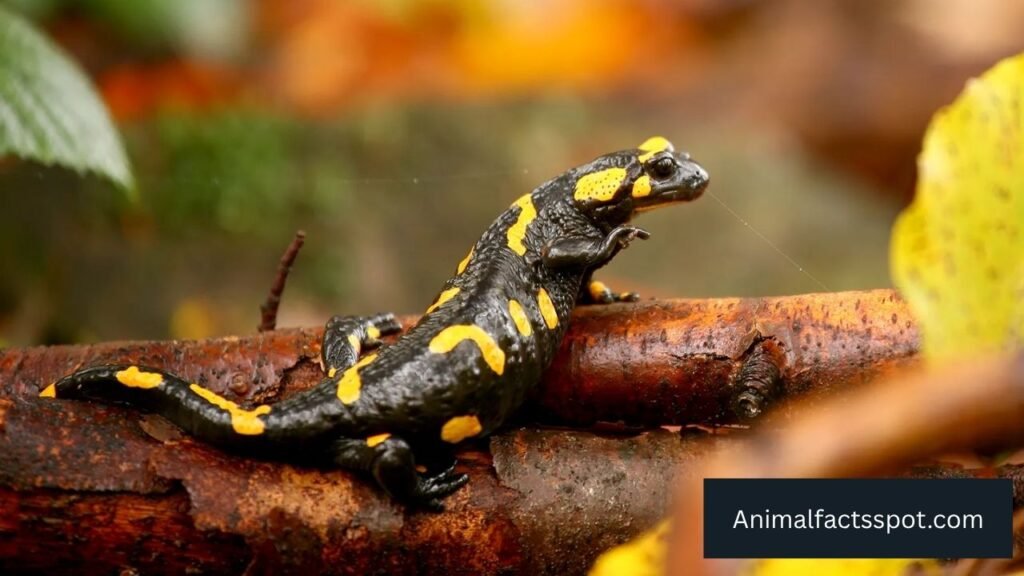
Salamanders possess a fascinating array of adaptations that enhance their survival in these wetland ecosystems. For instance, their vibrant colors are more than mere decoration; they serve as warnings to potential predators about their toxicity. Many species exhibit a remarkable ability to regenerate lost limbs, an evolutionary trait that allows them to recover from encounters with larger animals.
Muskrats
Scientific Name: Ondatra zibethicus
Class: Mammalia
Diet: Omnivore
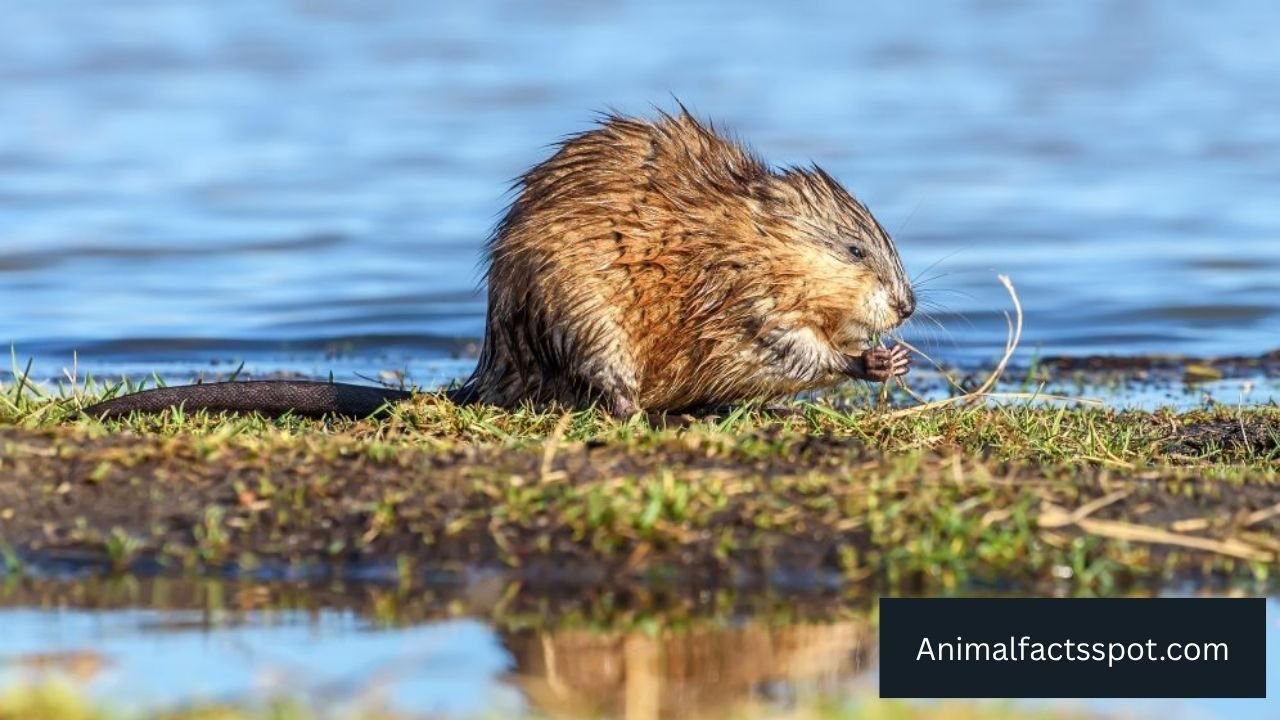
Muskrats are fascinating inhabitants of bogs, known for their semi-aquatic lifestyle and striking adaptability. These small, rodent-like mammals play a crucial role in their ecosystem, helping to maintain the delicate balance of wetland environments. As they forage for food, muskrats consume a variety of aquatic plants, which in turn fosters healthier vegetation growth. This nutrient recycling not only benefits the muskrats but also provides essential habitats for other species that share their boggy home.
Their unique construction skills are equally remarkable; muskrats build extensive lodges and burrows using reeds, mud, and other natural materials. These structures offer protection from predators and create microhabitats where various organisms thrive. Observing muskrats dive beneath the surface to escape danger or forage for tender roots and tubers reveals a window into a world of resilience and ingenuity, illustrating how even the smallest creatures can significantly impact their environment.
Moose
Scientific Name: Alces alces
Class: Mammalia
Diet: Herbivore
Moose, with their towering stature and majestic antlers, are often associated with dense forests and open wetlands, but they thrive in bog environments as well. These seemingly inhospitable landscapes offer moose a buffet of their favorite food: aquatic vegetation like water lilies, sedges, and willows. While they might appear cumbersome, moose are surprisingly agile in the water, using their long legs to navigate through the mire and dive for tender underwater plants.
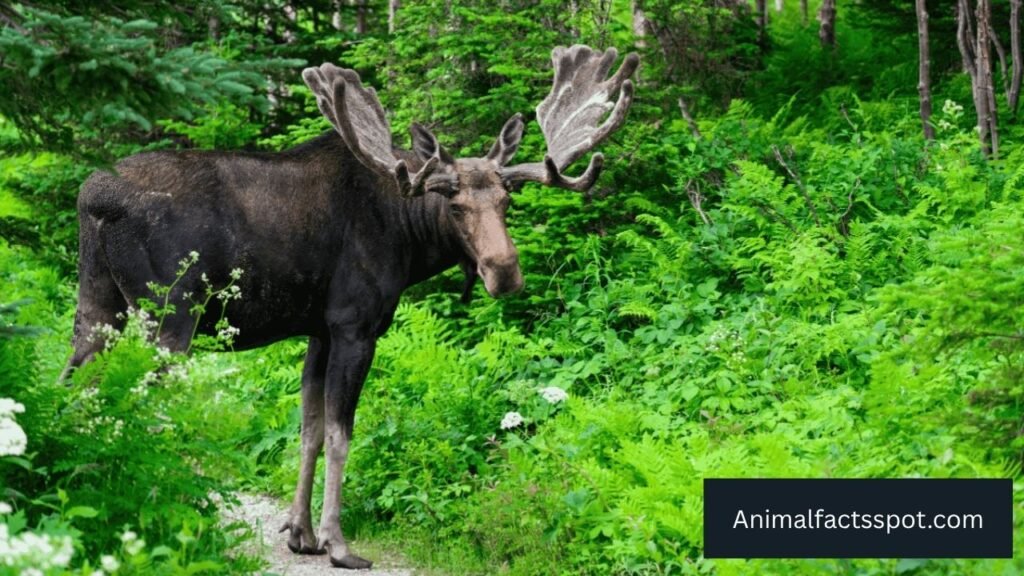
Moreover, the moose’s presence in bogs plays a crucial role in the ecosystem. As they graze on vegetation, they inadvertently shape the landscape, promoting plant diversity and influencing water flow. Their foraging habits help maintain the delicate balance of the bog, which, in turn, supports a rich tapestry of wildlife.
Beavers
Scientific Name: Castor canadensis
Class: Mammalia
Diet: Herbivore
Bogs are unique ecosystems, often overlooked for their rich biodiversity, yet they play host to some remarkable inhabitants. Among these is the industrious beaver, known for its impressive engineering skills. Contrary to popular belief, beavers do not only thrive in freshwater wetlands; they also ingeniously adapt to bog environments.
The relationship between beavers and their bog habitats is symbiotic. By damming streams, they create ponds that can support a myriad of other species, from frogs and dragonflies to migratory birds. Some of these ponds may even become the perfect breeding grounds for rare bog flora, which rely on the unique hydrology that beavers help maintain. I
Frog
Scientific Name: Anura
Class: Amphibia
Diet: Carnivore
Among the most charismatic inhabitants of bogs, frogs exemplify adaptability in these unique ecosystems. Many species, such as the whispering bog frog, thrive in the soft, spongy ground where dense layers of sphagnum moss offer both shelter and nourishment. Their slender bodies and distinctive colors enable them to blend seamlessly into their mossy surroundings, which is vital for evading predators and ambushing prey.
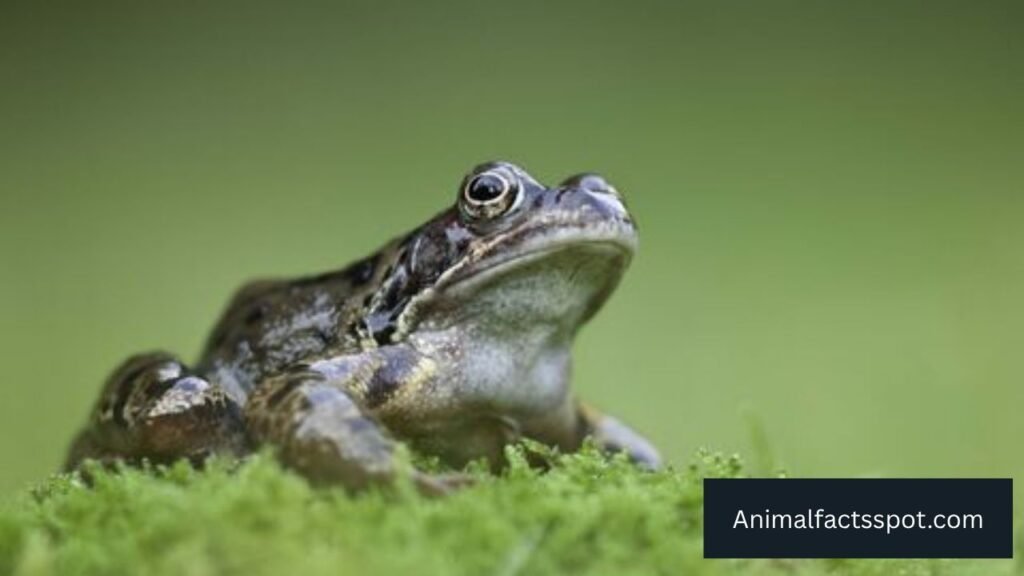
Interestingly, frogs in bogs have developed remarkable survival strategies to cope with fluctuating water levels and acidic conditions. Some truly master the art of cryobiosis, allowing them to suspend their metabolic processes during harsh winters — a skill that makes them both resilient and fascinating.
Dragonfly
Scientific Name: Anisoptera
Class: Insecta
Diet: Carnivore
Dragonflies are extraordinary inhabitants of bogs, showcasing both adaptability and elegance. These aerial acrobats thrive in the wet, nutrient-poor environments where they play a crucial role in the ecosystem. Their presence indicates a healthy habitat; clean water is essential for their larvae, which develop in the shallow waters of these wetlands for several months.
The vibrant colors of dragonflies, often shimmering in hues of iridescent blue and green, add a striking contrast to the muted palette of the bog landscape. Their mating rituals are equally fascinating, characterized by complex aerial displays and intricate pair formations. Observing these behaviors not only highlights the dragonflies’ resilience but also their evolutionary adaptations, allowing them to thrive where few other species can.
Smooth Newt
Scientific Name: Lissotriton vulgaris
Class: Amphibia
Diet: Carnivore
The smooth newt, a remarkable creature of the bog, showcases nature’s intricate adaptations. With its sleek, moist skin and vibrant orange spots, it not only captivates the eye but also plays a vital role in these wetland ecosystems. Often found lurking amongst reeds and decaying plant matter, this amphibian thrives in the cool, damp conditions that bogs provide. Its ability to absorb moisture through its skin makes it particularly suited to this habitat, where water retention is essential.
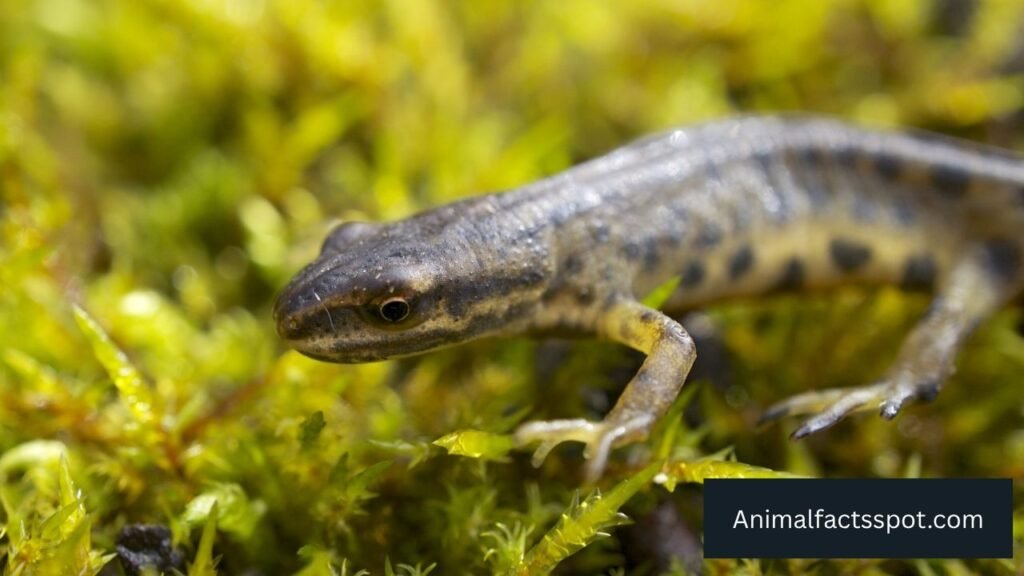
Interestingly, smooth newts are more than just persistent residents; they are also indicators of environmental health. Their sensitivity to pollution can provide valuable insights into the bog’s biodiversity. As they breed in seasonal ponds within these wetlands, their presence signals a thriving ecosystem, and their decline can hint at ecological imbalances.
Readmore: Explore Top 13 Animals That Live in Bamboo Forests.
Conclusion
The diverse array of animals that inhabit bogs showcases the remarkable adaptability and resilience of wildlife in these unique ecosystems. From the vibrant colors of the dragonflies to the elusive movements of the moose, each species plays a vital role in maintaining the ecological balance. As we continue to learn more about these fascinating creatures, it becomes increasingly important to advocate for the preservation of their habitats. Bogs are often overlooked, but they are essential to biodiversity and environmental health. Let’s commit to protecting these wetlands and the incredible animals that call them home.
FAQs
What animals that live in bogs?
Common animals found in these waterlogged areas include amphibians like frogs and salamanders, which thrive in the moist environment. Reptiles such as snakes and turtles may also be spotted, taking advantage of the wetlands. Birds are abundant, too; species like the American bittern and a variety of waterfowl nest and feed in bogs. Invertebrates, including various insects and spiders, play a crucial role in the bog’s food web.
Do alligators live in bogs?
Yes, alligators can live in bogs, but they typically prefer wetlands, swamps, and marshes.