Top 16 Strongest Animals in The World (With Pictures)
In our exploration of the Strongest Animals in The World, we’ll uncover the incredible adaptations that grant these animals unmatched strength. Understanding these remarkable beings not only highlights nature’s ingenuity but also inspires us to admire and protect our planet’s incredible biodiversity. By the end of this article, you’ll be amazed at the feats of power displayed by these extraordinary species.
List of Strongest Animals in The World
Below is the list of strongest animals in the world:
- African Elephant
- Rhinoceros
- Hippopotamus
- Gaur
- Harpy eagle
- Polar bear
- Cape Buffalo
- Tiger
- Gorilla
- Jaguar
- Anaconda
- American Bison
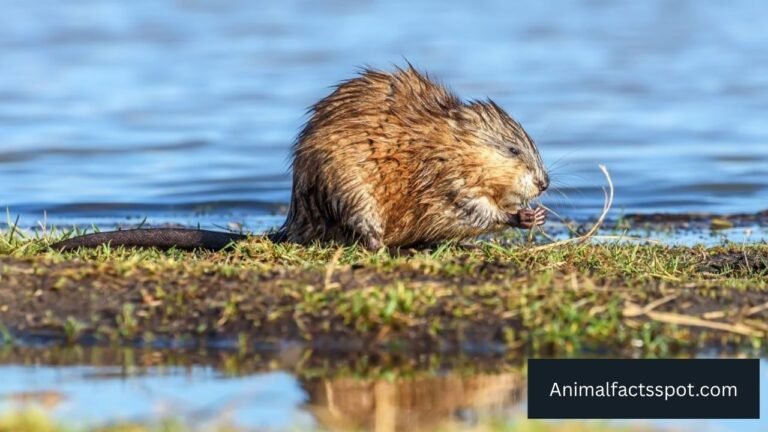
- Moose
- Ox
- Saltwater Crocodile
- Dung Beetle
African Elephant
Scientific Name: Loxodonta africana
Class: Mammalia
Diet: Herbivore
The African elephant, a colossal embodiment of strength, can weigh up to 14,000 pounds, making it the largest land mammal on Earth. But strength isn’t solely measured in muscle; these gentle giants exhibit remarkable adaptability in their environments. Their trunks, composed of more than 40,000 muscles, are not just tools for grabbing food; they serve as versatile instruments for communication, emotional expression, and even bathing. Watching an elephant deftly use its trunk to toss dust over its back or caress a member of its herd reveals the extraordinary intelligence and social awareness behind their brute power.
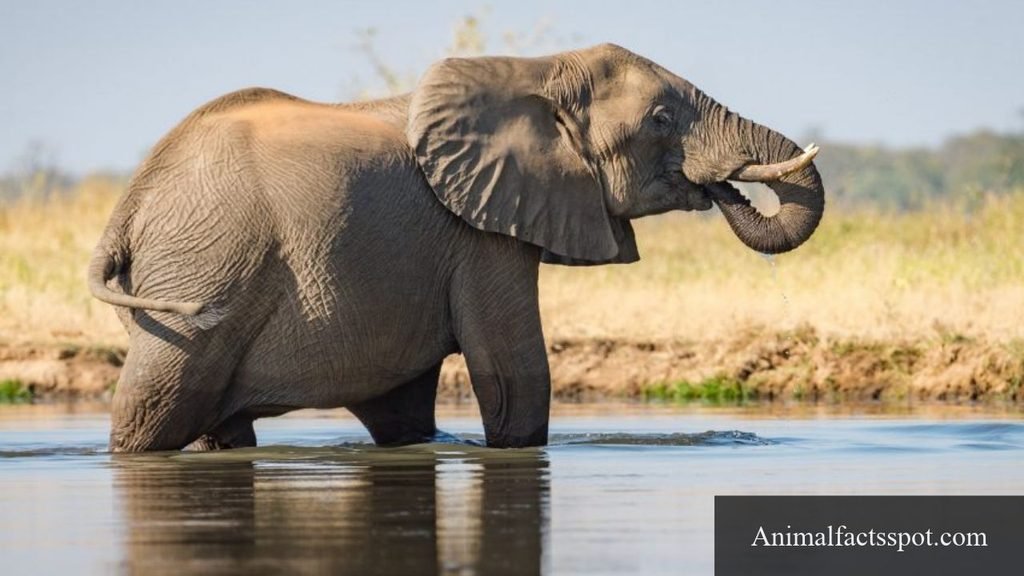
Moreover, the elephants’ sheer size plays a crucial role in ecosystem dynamics. Their massive presence helps shape their habitats; through foraging and trampling, they create pathways and clearings that benefit countless other species. This ability demonstrates that strength can harmonize with ecosystem health, acting as a keystone species.
Rhinoceros
Scientific Name: Rhinocerotidae
Class: Mammalia
Diet: Herbivore
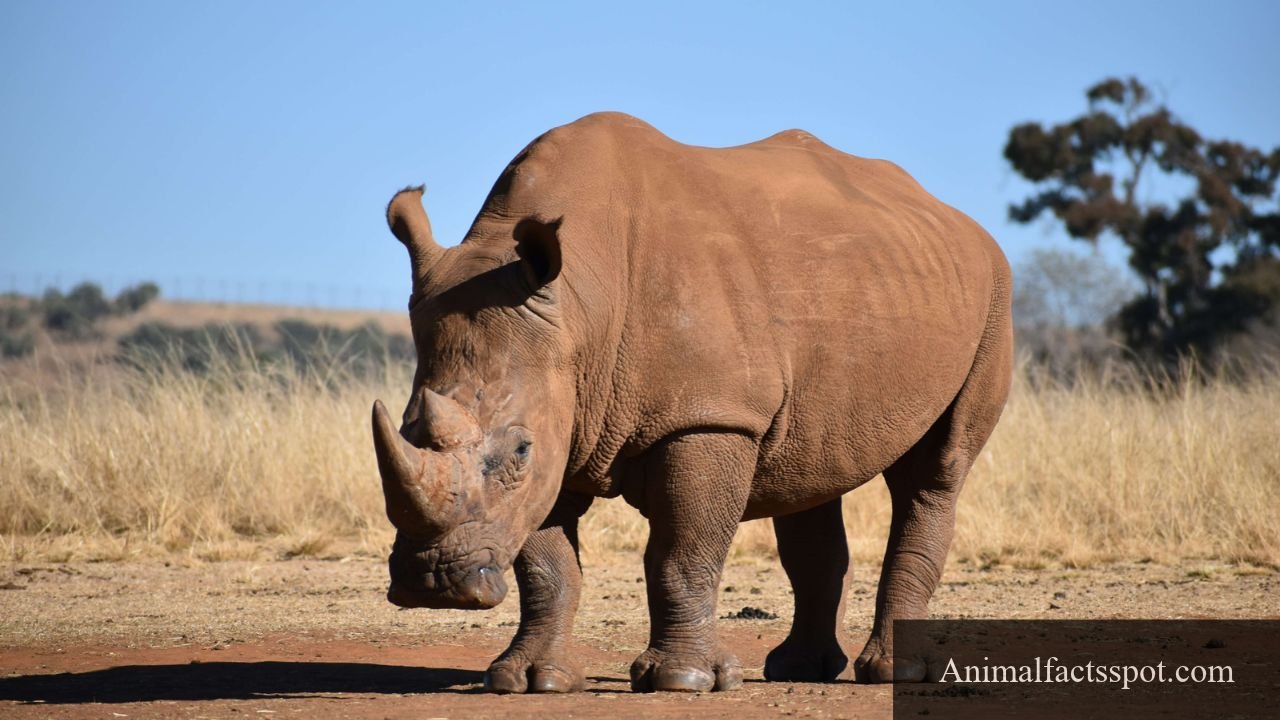
Rhinoceroses are not just symbols of strength; they are remarkable survivors in the face of adversity. With their thick, armor-like skin, rhinos exhibit a unique form of protection against predators, making them intimidating figures in the animal kingdom. Yet, beneath this formidable exterior lies a creature that is surprisingly agile, capable of running at speeds of up to 30 miles per hour. This unexpected speed is often overshadowed by their bulk, allowing them to catch many off guard when they charge.
Moreover, the social dynamics of rhinos offer a fascinating glimpse into their world. While often perceived as solitary, certain species, like the white rhino, display an unexpected tendency towards communal living. They form loose groups, showcasing a layer of social behavior that challenges the stereotype of the lone warrior. Interestingly, their horn — most famously a target for poaching — serves not only as a weapon but also as a tool for digging and foraging.
Hippopotamus
Scientific Name: Hippopotamus amphibius
Class: Mammalia
Diet: Herbivore
The hippopotamus, often overshadowed by Africa’s larger predators, carries a weighty legacy both in its size and its sheer strength. With jaw muscles capable of exerting a staggering 2,000 pounds of pressure, this formidable mammal can easily crush bones and fend off threats, even from the likes of lions. Yet, it’s not just physical power that makes the hippo unique; their remarkable territorial instincts in water demonstrate a complex social hierarchy and fierce loyalty.
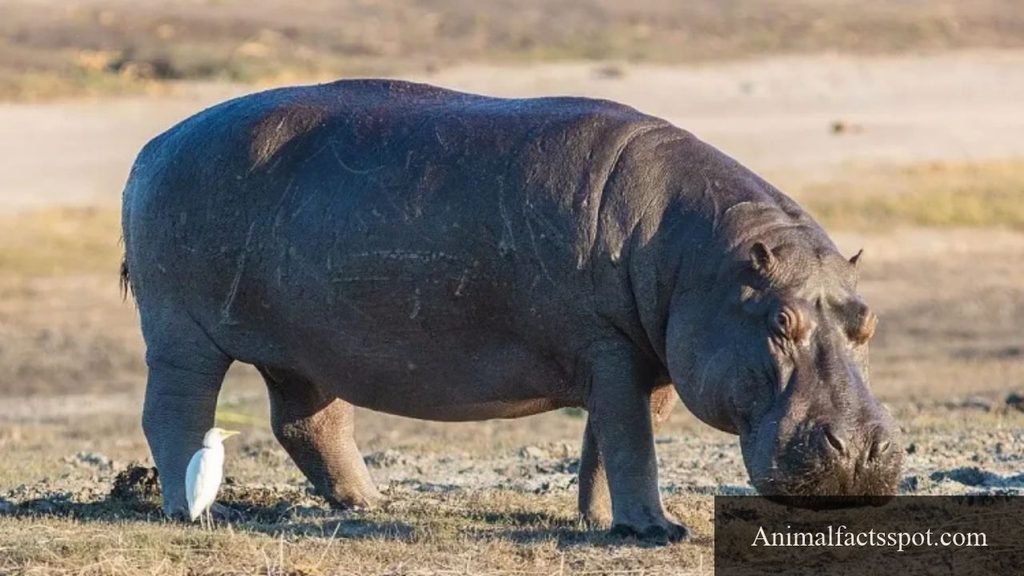
While they may seem docile as they bask in the sun, hippos are surprisingly agile, capable of running up to 19 miles per hour on land. This juxtaposition of lethargy and ferocity draws a fascinating picture of their life; they are both majestic and menacing. Moreover, hippos possess a unique adaptation: their skin secretes a natural sunscreen that protects them from the harsh African sun, a trait that highlights their evolutionary prowess. In this way, the hippopotamus stands not only as one of the strongest animals in the wild but also as a symbol of the wonders of nature’s design.
Gaur
Scientific Name: Bos gaurus
Class: Mammalia
Diet: Herbivore
The gaur, often overshadowed by its more famous bovine relatives, boasts an impressive physical presence that makes it one of the strongest animals on the planet. Standing up to six feet tall at the shoulder and weighing over a ton, this majestic creature is not just powerful but also extraordinarily agile, capable of quick turns despite its size. This adaptability allows the gaur to navigate dense forests and rugged terrains in South Asia, demonstrating the harmony between strength and mobility.
Beyond their sheer size and strength, gaurs play a crucial role in their ecosystems. These majestic animals are vital seed dispersers, aiding in forest regeneration by consuming vast amounts of vegetation. Typically found in small herds, these animals exhibit a unique blend of cooperation and dominance, where the largest males often lead, but younger individuals play crucial roles in maintaining herd dynamics.
Observing gaurs in their natural habitat reveals fascinating behaviors, such as their ability to communicate through low vocalizations and body language, emphasizing that strength isn’t merely about muscle but also about social intelligence and teamwork in the animal kingdom. Their presence in diverse ecosystems serves as a reminder of resilience in the face of habitat loss and the pressing need for conservation efforts to preserve these incredible beings.
Harpy eagle
Scientific Name: Harpia harpyja
Class: Aves
Diet: Carnivore
The harpy eagle, often considered the strongest bird of prey, showcases a remarkable blend of power and precision. With talons that can exert a grip stronger than that of a grizzly bear, this formidable predator can effortlessly lift animals twice its weight. Its hunting technique is astounding; silently gliding through the treetops of tropical rainforests, it swoops down with astonishing speed, targeting sloths and monkeys with surgical accuracy. Unlike many birds of prey that rely on aerial dominance, the harpy eagle thrives in dense habitats, demonstrating adaptability and strategic prowess in its chosen environment.
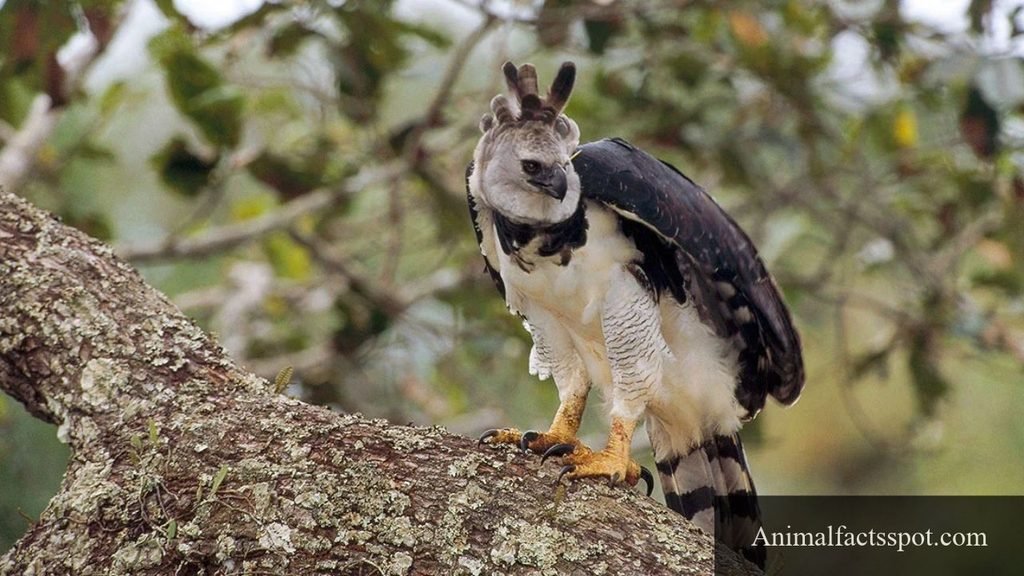
Moreover, the harpy eagle’s striking appearance adds to its allure. With strikingly vivid plumage and a crown of feathers that can resemble a majestic crest, it commands attention and respect. Interestingly, the bond between harpy eagle parents is commendable; they share the responsibility of raising their young, symbolizing strength not just in physical prowess but also in familial unity. This fierce yet nurturing nature reinforces the harpy eagle’s status as a true emblem of strength in the animal kingdom, captivating bird enthusiasts and conservationists alike. As habitats continue to face challenges, the harpy eagle serves as a vital indicator of ecological health, reminding us of nature’s intricate balance.
Polar bear
Scientific Name: Ursus maritimus
Class: Mammalia
Diet: Carnivore
The polar bear, often seen as a majestic symbol of the Arctic, represents one of nature’s most formidable forces. Weighing between 900 to 1,600 pounds, these apex predators possess an astonishing blend of strength and grace, making them masterful hunters on the ice. Their powerful limbs are perfectly adapted for traversing slippery terrains, while their keen sense of smell can detect seals nearly a mile away. This remarkable olfactory ability enables them to pinpoint their prey even under thick layers of ice and snow, showcasing an evolutionary adaptation that is both impressive and crucial for survival in an unforgiving habitat.
Yet, it’s not just their physical prowess that makes polar bears intriguing. They are also deeply intertwined with the fragile ecosystems of the Arctic. As top predators, they play a pivotal role in maintaining the balance of marine life. However, climate change poses a significant threat to their existence and the intricate web of life they support, prompting a need for a deeper understanding of their habitat and behaviors. Observing the polar bear’s resilience in adapting to shifting environments can inspire conservation efforts — highlighting the urgent need for preservation of both the species and its habitat.
Cape Buffalo
Scientific Name: Syncerus caffer
Class: Mammalia
Diet: Herbivore
The Cape buffalo, often regarded as one of Africa’s most formidable terrestrial animals, showcases strength that goes beyond sheer size. Weighing up to 1,000 pounds, this herbivore is not just physically impressive; it possesses a remarkable blend of intelligence and social structure that plays a crucial role in its survival. Known for their tight-knit herds, Cape buffalo display extraordinary loyalty, working together to fend off predators like lions, who often think twice before attacking.
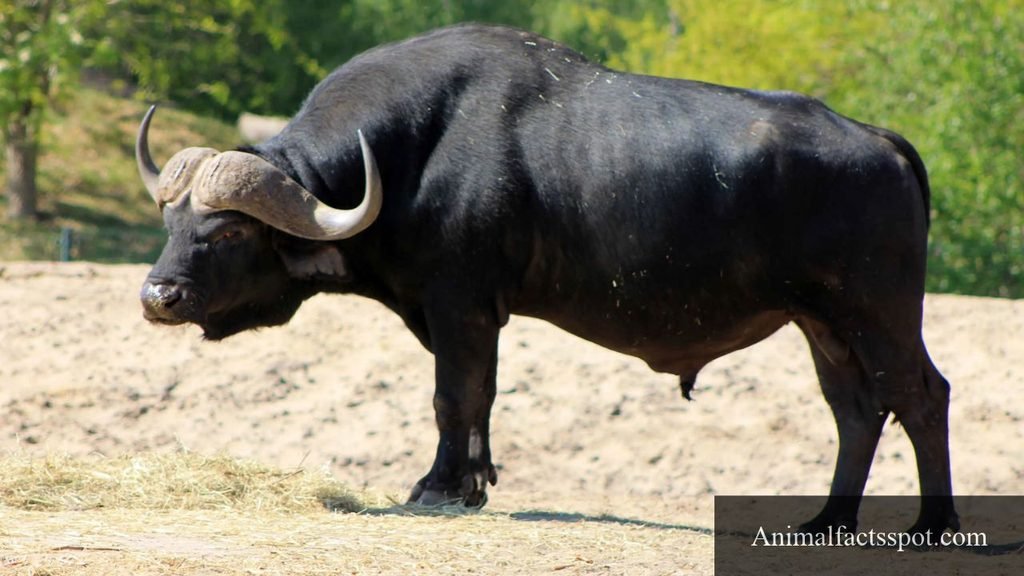
Their resilience is particularly fascinating in the face of adversity. Cape buffalo are known to defend each other fiercely, with the entire herd rushing to protect an injured member. This unity enhances their reputation as a “big five” game animal, capturing the imagination of wildlife enthusiasts. Moreover, their thick-skinned armor and formidable horns — capable of delivering fatal blows — add to their air of invincibility. Observing these majestic creatures in the wild invites introspection about the power of community and defense, underscoring the idea that strength often lies in numbers, not just brute force.
Tiger
Scientific Name: Panthera tigris
Class: Mammalia
Diet: Carnivore
Tigers are often celebrated not just for their sheer power, but for their remarkable adaptability. Unlike many big cats, they are proficient swimmers, demonstrating an ability to thrive in varied habitats — from dense jungles to cold, mountainous regions. This versatility allows them to hunt effectively in diverse environments, showcasing a blend of strength and strategic intelligence that’s rarely matched in the animal kingdom.
What truly sets these majestic predators apart is their social conservation tactics. Tigers mark vast territories with scent markings, using their strength not only for hunting but also to establish dominance and avoid unnecessary conflicts with rivals. Their solitary nature also means that strength isn’t just about physical prowess; it’s about survival in a harsh world where every choice counts. In an era where many wildlife species face diminishing habitats, understanding the tiger’s role as an apex predator helps emphasize the intricate balance of nature, reminding us of the importance of their conservation.
Gorilla
Scientific Name: Gorilla spp.
Class: Mammalia
Diet: Herbivore
The gorilla, often perceived merely as a gentle giant, carries an astounding strength that belies its gentle demeanor. These primates, specifically the Western Lowland gorilla, possess muscle density that is nearly twice that of humans. This incredible power aids not only in their natural behaviors — like climbing and foraging — but also in defending their family groups from potential threats. It’s a fascinating blend of brawn and brains, as gorillas showcase a remarkable ability to solve problems and exhibit social behaviors that highlight their intelligence.
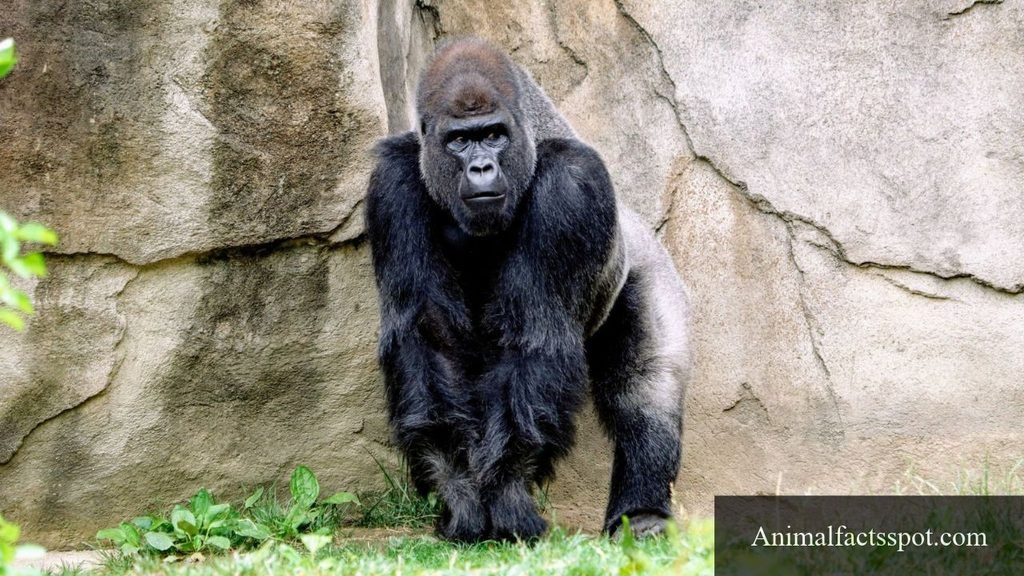
Furthermore, the gorilla’s strength is not solely physical; their emotional depth and social bonds are equally impressive. Living in cohesive family units led by silverback males, these animals demonstrate intricate communication strategies through a range of vocalizations and body language. Observing a silverback standing protectively over its family while displaying dominance to a potential threat emphasizes that true strength encompasses both physical prowess and an innate sense of empathy.
Jaguar
Scientific Name: Panthera onca
Class: Mammalia
Diet: Carnivore
The jaguar, often overshadowed by its larger cat cousins, possesses a unique combination of strength and stealth that makes it a formidable predator. Harnessing the power of an incredibly muscular body, it is capable of taking down prey much larger than itself, including caimans and peccaries, thanks to its incredible bite force — one of the strongest in the animal kingdom. This strength is complemented by its remarkable swimming ability; unlike many big cats, the jaguar thrives in water, often hunting aquatic animals with ease, showcasing its adaptability across diverse ecosystems.
Beyond its physical prowess, the jaguar plays a crucial role in maintaining the ecological balance of its habitat. As a top predator, it regulates populations of other species, ensuring a healthy and diverse ecosystem. This apex status is threatened by habitat loss and poaching, which diminishes not just their numbers but the overall health of their environment. Advocating for the jaguar is not just about saving a majestic creature; it’s about preserving an intricate web of life that includes countless other species, underscoring the interconnectedness of all living beings on our planet.
Anaconda
Scientific Name: Eunectes spp.
Class: Reptilia
Diet: Carnivore
The anaconda, often cloaked in myth and awe, reigns as one of the most powerful serpents on the planet. Found predominantly in the lush waterways of South America, this serpent wields its immense size as both a weapon and a means of survival. With females often surpassing 20 feet in length and weighing in excess of 500 pounds, their sheer bulk is intimidating, yet it is their constricting ability that truly cements their status as the titans of the animal kingdom. Anacondas can crush their prey with a force so strong that it leaves behind skeletal remains, a silent testament to their predatory prowess.
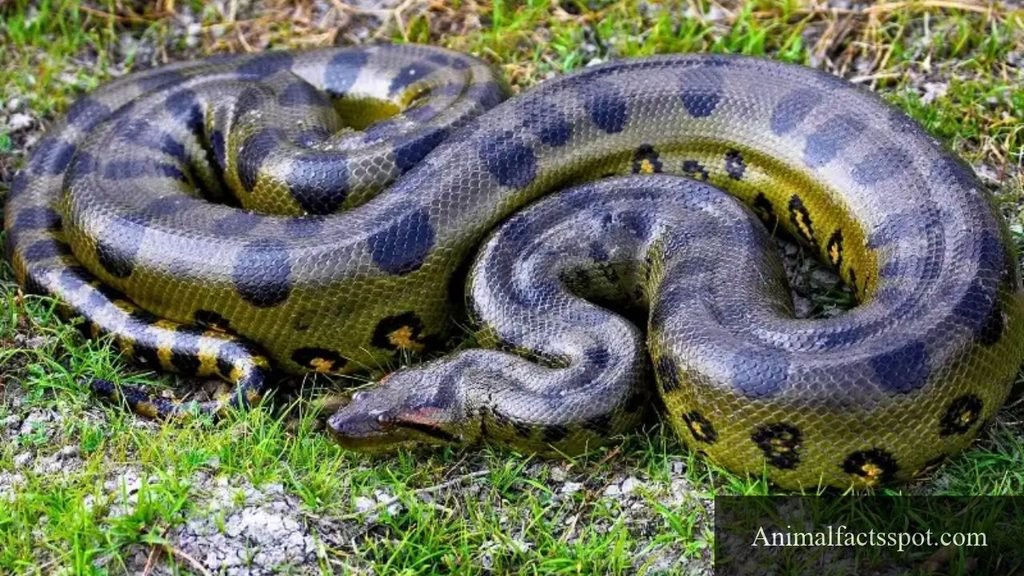
Yet, their strength goes beyond mere physical power. Anacondas are master navigators of their swampy habitats, showcasing an intelligence that complements their brute force. They employ a stealthy hunting strategy, utilizing the murky waters as cover before launching a sudden strike, demonstrating their calculative nature. This adaptability allows them to thrive in environments where other predators may falter, proving that strength is as much about strategy as it is about size.
American Bison
Scientific Name: Bison bison
Class: Mammalia
Diet: Herbivore
The American bison, often dubbed the “buffalo,” embodies sheer strength and resilience in the face of changing landscapes. These majestic creatures can weigh up to 2,000 pounds, making them one of the heaviest land animals in North America. Their robust build, supported by powerful shoulders and a massive hump of muscle, allows them to endure harsh climates and navigate rugged terrains. Despite their size, bison are surprisingly agile, capable of running at speeds reaching 35 miles per hour, a testament to their adaptability.
Beyond their physical prowess, bison play a crucial role in the ecosystem, acting as a keystone species that helps maintain the health of grassland habitats. Their grazing patterns promote biodiversity, encouraging the growth of various plant species and creating a balanced environment for other wildlife.
Moose
Scientific Name: Alces alces
Class: Mammalia
Diet: Herbivore
Moose are not just the largest members of the deer family; they embody a surprising blend of strength and grace in their natural habitats. Weighing up to 1,800 pounds and standing nearly six feet tall at the shoulder, these magnificent giants display formidable physical prowess. Yet, their true strength lies in their adaptability. Moose thrive in diverse environments — from dense forests to expansive wetlands — showing an incredible ability to navigate varying terrains with ease.
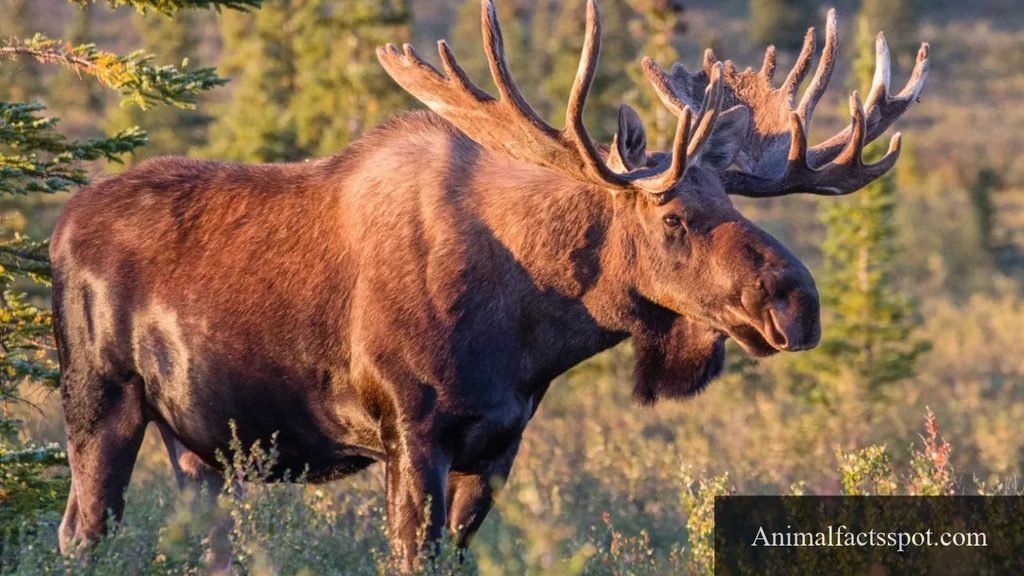
One of the most fascinating aspects of a moose’s strength is its unique feeding strategy. With their specialized, elongated snouts and impressive height, they can reach vegetation unavailable to many other herbivores. This gives them a competitive edge, allowing them to feast on leaves, aquatic plants, and shrubs that can sustain them through harsh winters. Additionally, their powerful legs enable them to plunge into deep snow and swim proficiently, even crossing lakes or rivers in search of food.
Ox
Scientific Name: Bos taurus
Class: Mammalia
Diet: Herbivore
The ox, often overshadowed by more flamboyant wildlife, stands as a symbol of strength, endurance, and unyielding work ethic. These remarkable animals are not just mere beasts of burden; they possess a unique combination of physicality and temperament that has enabled them to shape human agriculture and transport systems for centuries. With muscles that ripple beneath their thick hides and an unwavering calmness in their demeanor, oxen can pull immense weights, sometimes exceeding 1,000 pounds, across rugged terrains.
What sets the ox apart from other strong animals is its profound bond with humans. In various cultures, oxen are often celebrated not only for their strength but for their role in traditional farming practices. They exhibit a remarkable ability to form an emotional connection with their handlers, showcasing loyalty and intelligence that enhances their effectiveness as working animals. The mental fortitude of oxen, combined with their physical prowess, makes them indispensable partners in both ancient and modern agricultural settings, proving that strength is not merely a measure of muscle but also of heart and spirit.
Saltwater Crocodile
Scientific Name: Crocodylus porosus
Class: Reptilia
Diet: Carnivore
The saltwater crocodile reigns as the ultimate apex predator of both land and sea, demonstrating a remarkable adaptability that highlights its evolutionary success. These formidable reptiles can grow up to 23 feet in length and exceed 2,200 pounds, making them not only the largest living reptiles but also one of the strongest animals on the planet. Their powerful jaws, capable of exerting a bite force of over 3,700 pounds per square inch, allow them to effortlessly crush bones and subdue prey ranging from fish to larger mammals.
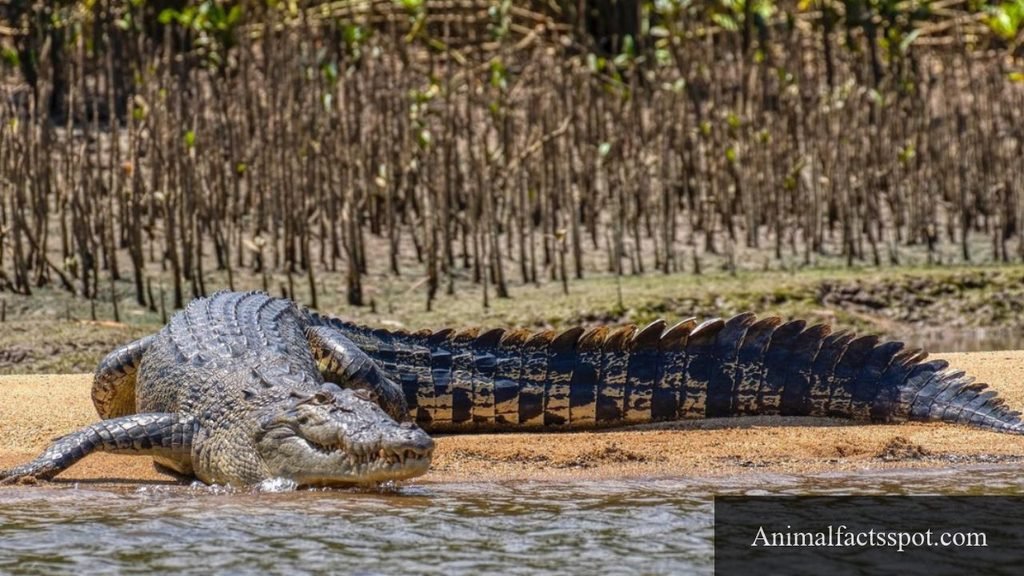
What truly sets the saltwater crocodile apart is its exceptional ability to navigate diverse aquatic and terrestrial environments. They can tolerate a higher salinity level than most reptiles, enabling them to traverse vast coastal ranges and estuaries. This adaptability extends beyond physical prowess; their intelligence and hunting strategies are equally impressive. Saltwater crocodiles employ stealth and patience, often waiting for hours submerged with only their eyes above water, ready to launch a lightning-quick ambush on unsuspecting prey. This combination of brute strength, strategic hunting, and environmental adaptability cements their status as a true icon of nature’s design.
Dung Beetle
Among the many contenders for the title of the strongest animal relative to its size, the dung beetle stands out with astonishing feats of strength. These unassuming creatures can pull objects over 1,000 times their body weight, a capability that has captured the curiosity of scientists and nature enthusiasts alike. This remarkable strength not only aids in their primary task of recycling waste but also plays a crucial role in their survival, allowing them to fend off competitors and predators.
What’s even more fascinating is the evolutionary adaptations that give dung beetles their powerhouse abilities. Their muscular hind legs are specially designed for strength, while their compact bodies provide optimal leverage. Moreover, these beetles display sophisticated social behaviors, often teaming up to transport larger dung balls, showcasing an unexpected level of collaboration in the animal kingdom. By performing the vital ecological task of cleaning up waste, dung beetles maintain the health of their habitats, thus proving that strength in nature often goes hand-in-hand with responsibility.
Readmore: Explore Top 13 Animals That Look Like Deer.
Final Thoughts
The strongest animals in the world showcase a remarkable range of physical abilities, from the sheer brute strength of the elephant to the unparalleled bite force of the saltwater crocodile. Each species has adapted uniquely to its environment, demonstrating that strength comes in various forms.
Recognizing their strength serves as a reminder of the intricate balance in ecosystems and the importance of conservation efforts. As we learn more about these amazing creatures, we must commit ourselves to preserving their habitats and ensuring their survival. Join us in advocating for wildlife protection and appreciating the wonders of nature’s strongest animals.
FAQs
What is the strongest animal in the world?
African elephant is often considered the strongest land animal, strength can be measured in various ways. They possess immense physical power, capable of uprooting trees and lifting heavy objects with their trunks. Adult elephants can weigh up to 12,000 pounds, making them a force of nature.
What is the hardest animal to defeat?
The hardest animal to defeat is often considered to be the honey badger. Known for its fearlessness, it takes on predators much larger than itself, like lions and crocodiles. With thick skin and a tenacious attitude, it rarely backs down from a fight. Its ability to endure bites and stings makes it a formidable opponent in the animal kingdom.