Top 15 Animals With Hooves (With Images)
Animals with hooves are not just remarkable for their speed and strength, but they also maintain ecological balance and contribute to agriculture. In this article, we’ll take a closer look at their unique adaptations, behaviors, and the challenges they face in a rapidly changing environment. Prepare to discover the vital connections between these animals and the health of our planet.
List of Animals With Hooves
Here is the list of animals with hooves:
- Hippopotamus
- Donkey
- Cow
- Giraffe
- Horse
- Pig
- Buffalo
- Addax
- Moose
- Bison
- Impala
- Gazelle
- Sheep
- Zebra
- Giant Eland
Hippopotamus
Scientific Name: Hippopotamus amphibius
Class: Mammalia
Diet: Herbivore
The hippopotamus, often overshadowed by its larger-than-life presence in the water, is a fascinating hoofed mammal that spans not only rivers but also the history of its ancestry. Though typically classified as a large ungulate, hippos are more closely related to cetaceans (like whales and dolphins) than they are to other hoofed animals. This connection hints at a remarkable evolutionary journey; millions of years ago, their ancestors made the transition from land to water, adapting to a semi-aquatic lifestyle that blurs the lines of traditional mammalian behavior.
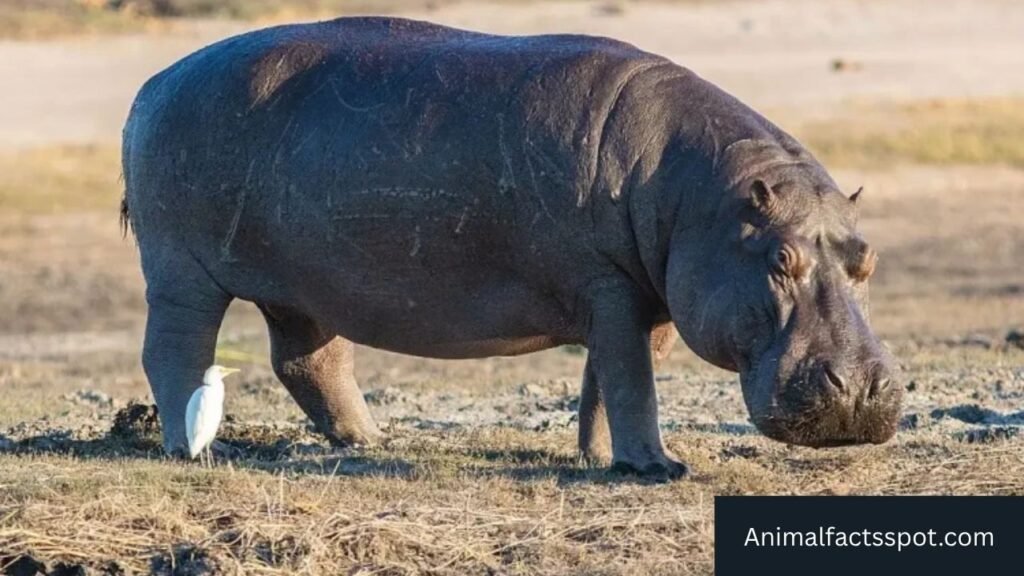
Despite their hefty size and seemingly clumsy exterior, hippos are surprisingly agile in their habitat. Their unique adaptations — such as buoyant bodies and webbed feet — allow them to navigate swiftly through murky waters, making them formidable creatures. Beneath the water’s surface, they can hold their breath for up to five minutes, and their eyes and nostrils are positioned to peek just above the water, offering an effective means of surveillance while staying submerged. This fascinating combination of traits not only enhances their ability to thrive in rivers and lakes but also reveals the intricate balance between their terrestrial and aquatic worlds.
Donkey
Scientific Name: Equus africanus asinus
Class: Mammalia
Diet: Herbivore
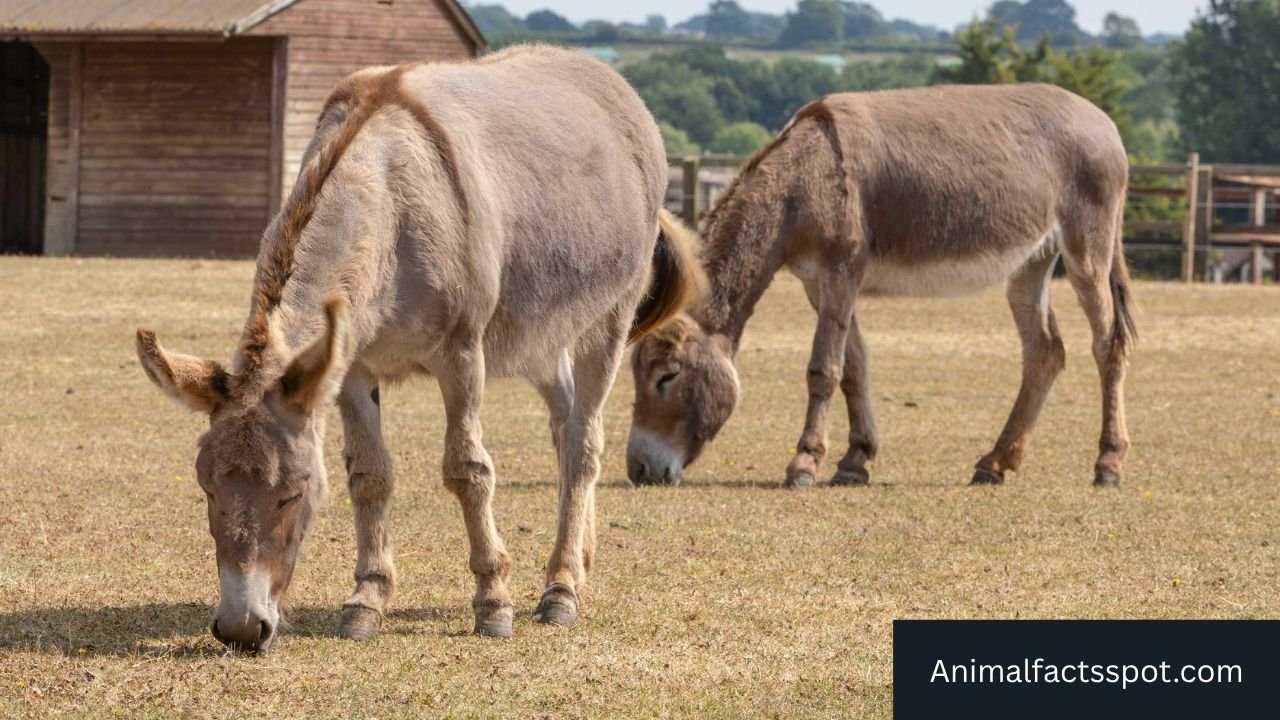
Donkeys, often overlooked in the shadow of their larger equine relatives, possess a remarkable intelligence and adaptability that sets them apart. These animals are known for their strong “flight response” when faced with danger, but this isn’t just instinct; it reflects their deep-seated ability to evaluate situations critically. Unlike horses, which may dash off at the first sign of trouble, donkeys are more discerning, often standing their ground to assess potential threats before making a decision. This unique blend of caution and curiosity transforms them into surprising companions, especially for those who recognize their thoughtful nature.
Moreover, donkeys have a rich history, serving as loyal partners to humans for thousands of years. Their social structures are fascinating; they thrive in herds and form strong bonds not only with their kin but also with other species, including humans. Their vocalizations, from braying to subtle vocal tics, communicate everything from excitement to distress, making them communicative beings in their own right. This ability to forge connections highlights the emotional depth of donkeys, often leading to meaningful relationships that last a lifetime. Whether utilized as dependable work animals or cherished pets, donkeys remind us of the enduring bond between humans and animals, reinforcing the significance of understanding and appreciating their unique traits.
Cow
Scientific Name: Bos taurus
Class: Mammalia
Diet: Herbivore
Cows, often seen as mere symbols of pastoral life, possess a rich tapestry of behaviors and characteristics that might surprise many. These intelligent animals are not just passive grazers; they exhibit complex social structures, forming close bonds within their herds. Their ability to communicate through vocalizations and body language allows them to express their needs and emotions, showcasing a level of emotional intelligence that often goes unnoticed. For instance, cows can form friendships and may even display signs of stress when separated from their companions, revealing the depth of their social connections.
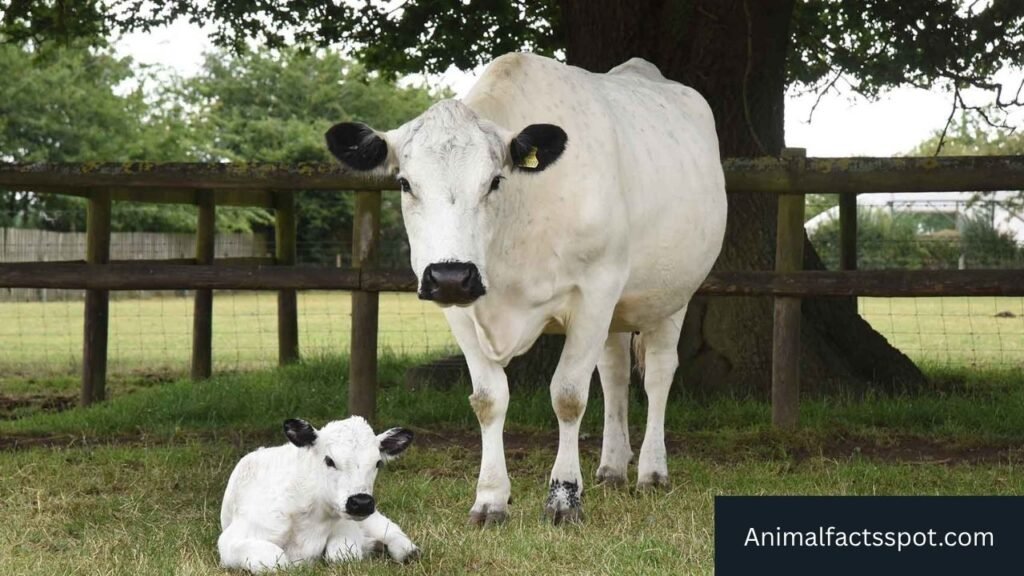
Moreover, cows contribute significantly to our ecosystem beyond just providing milk and meat. Their grazing patterns can promote biodiversity, as they help maintain grasslands and support various plant species. Surprisingly, cows also play a role in soil health; their manure enriches the soil, fostering a rich environment for other organisms. By understanding the multifaceted role of cows in both agriculture and ecology, we can appreciate them not just as livestock, but as vital participants in the balance of our natural world.
Readmore: Explore Top 10 Animals That Look Like Cats.
Giraffe
Scientific Name: Giraffa camelopardalis
Class: Mammalia
Diet: Herbivore
The giraffe, with its towering height and unique gait, is a fascinating example of hoofed mammals that have adapted brilliantly to their environment. While commonly known for their long necks, what often flies under the radar is their remarkable hoof structure. Giraffes possess long, cloven hooves that provide a surprisingly stable base, supporting their weight as they navigate the uneven terrain of the African savanna. This design allows them not just to roam freely but to cover vast distances in search of foliage, even reaching high into trees where other herbivores cannot venture.
Interestingly, giraffes are not only defined by their majestic stature but also by their social behavior. They often move in loose groups, known as towers, and their hoofed legs play a crucial role in their social interactions. With a gait that covers impressive distances, they can quickly escape predators or find safety in numbers. Moreover, their ability to maintain contact with others while roaming highlights a sophisticated form of communication that goes beyond vocalizations. By observing their herd dynamics and hoof use in various terrains, one can witness the intricate balance of mobility and social structure that defines these gentle giants.
Horse
Scientific Name: Equus ferus caballus
Class: Mammalia
Diet: Herbivore
Horses, often seen as symbols of freedom and grace, are also remarkable athletes. Their ability to sprint at high speeds and maintain endurance over long distances can be traced back to their evolutionary history. Developed initially for grazing in open fields, these magnificent creatures possess strong legs and a unique hoof structure that allows for shock absorption and agility on various terrains. Understanding this biology deepens our appreciation for their capacities, especially when they engage in sports like show jumping or dressage.
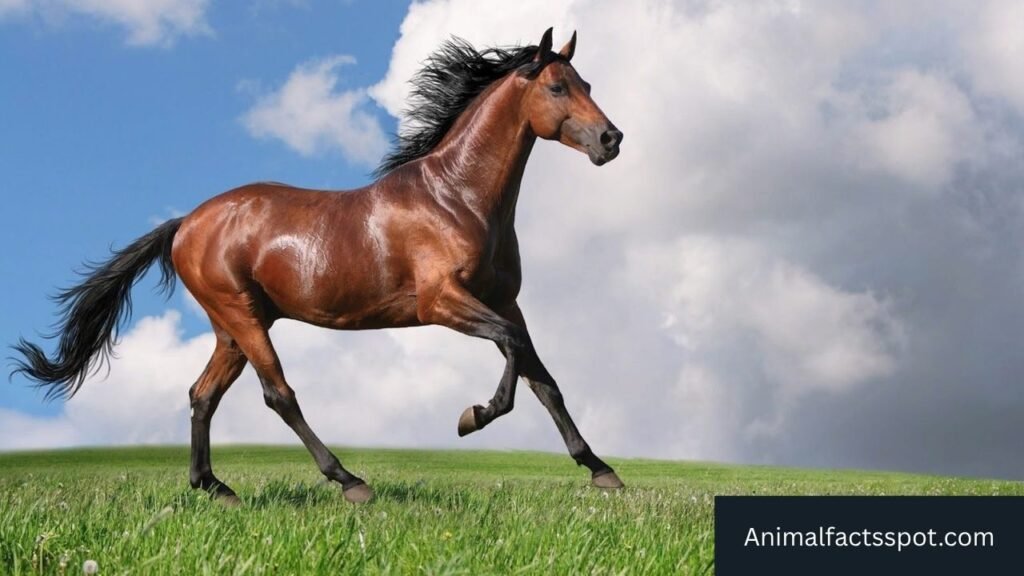
Attention to the hooves themselves reveals a fascinating aspect of horse care. A horse’s hooves are structured like a living, breathing organ, requiring regular maintenance and careful attention. Farriers, specialists who care for horse hooves, play a crucial role in ensuring optimal health. The relationship between a horse and its farrier goes beyond mere utility; it is a partnership grounded in trust and respect. This connection reflects the broader bond between humans and horses, highlighting how our interactions can enhance the well-being of these magnificent animals.
Pig
Scientific Name: Sus scrofa domesticus
Class: Mammalia
Diet: Omnivore
Pigs, often overlooked in discussions about hoofed animals, are fascinating in their own right. Their hooves, though adapted for a life of foraging and rooting in the earth, are just one aspect of their impressive biology. Contrary to popular belief, pigs are not just dirty scavengers; they possess high intelligence and can navigate complex environments with surprising agility. In fact, studies have shown that pigs are comparable in cognitive ability to dogs, capable of problem-solving and even learning to play simple video games!
Socially, pigs are incredibly engaging creatures, forming strong bonds within their groups. They communicate through an array of vocalizations, ranging from grunts to squeals, demonstrating a surprisingly rich social structure. This tight-knit community life contributes to their emotional intelligence, as they can express affection and establish hierarchies among themselves. As we rethink our perceptions of these adaptable ungulates, it’s essential to acknowledge their unique personalities and the important roles they play in both ecosystems and agriculture. Embracing the full complexity of pigs encourages a deeper appreciation for all hoofed animals and their interconnectedness in our world.
You can also read: Explore Top 16 Strongest Animals in The World.
Buffalo
Scientific Name: Syncerus caffer
Class: Mammalia
Diet: Herbivore
Buffalo, often seen as symbols of strength and resilience, have fascinating adaptations that enable them to thrive in diverse environments. Unlike many hoofed animals that typically prefer open plains, buffalo display a remarkable affinity for wetlands and grasslands, showcasing their versatility. Their large, muscular bodies are not just for show; they are equipped with thick fur to withstand harsh climates, making them formidable survivors in both scorching summers and frigid winters.
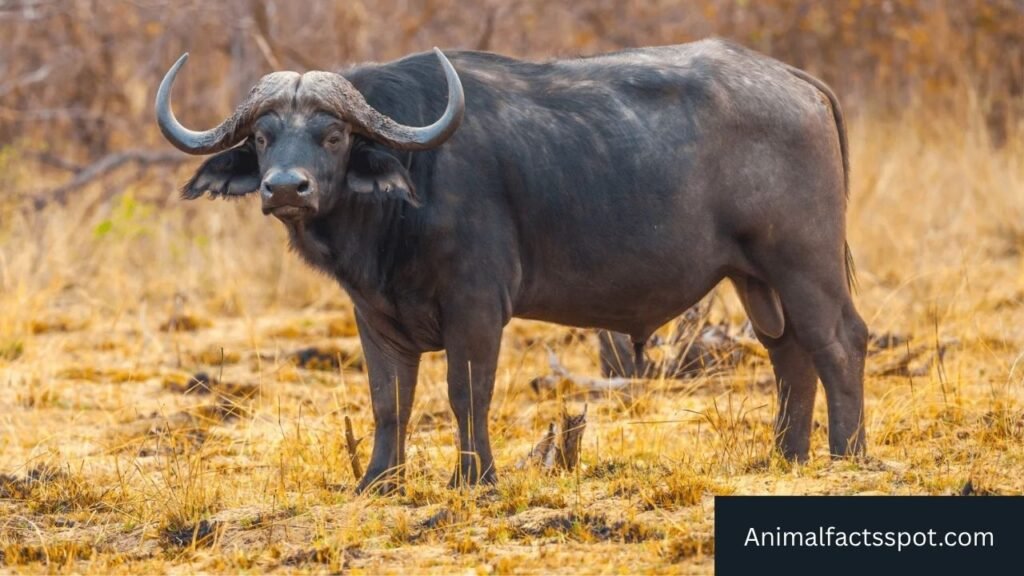
Social creatures at heart, buffalo often roam in herds, exhibiting a strong sense of community. This behavior is not merely for protection against predators but also plays a crucial role in their social dynamics. Within these groups, bonds are formed, and the young learn essential survival skills from their mothers and other herd members. As herbivores, buffalo also play a vital role in their ecosystems — grazing patterns help shape the landscape, promoting plant diversity and creating habitats for various other species. In this way, buffalo are not just iconic animals; they are fundamental architects of their environments.
Addax
Scientific Name: Addax nasomaculatus
Class: Mammalia
Diet: Herbivore
The addax, often overshadowed by its more famous relatives like the zebra and antelope, embodies a remarkable resilience in the harsh terrain of the Sahara Desert. With its striking twisted horns and sandy coat that blends seamlessly into its arid environment, this elusive creature showcases an extraordinary adaptation to extreme climates. Unlike many other hoofed animals that rely on abundant vegetation, the addax has evolved to thrive on sparse desert flora, drinking very little water — deriving hydration from the moisture in the plants it consumes.
What sets the addax apart is not just its physical adaptations but also its behavioral patterns. Known for their migratory instincts, these hoofed wonders can cover vast distances in search of food and water, exhibiting a surprising level of social cohesion. By forming small, stable groups, addax enhance their chances for survival, relying on one another to alert against predators lurking in their unforgiving habitat. Sadly, this captivating species faces threats from habitat loss and poaching, serving as a reminder of the delicate balance in ecosystems and the urgent need for conservation efforts. Their story is not just one of survival, but a call to appreciate the unique and often fragile relationships that exist within the natural world.
Moose
Scientific Name: Alces alces
Class: Mammalia
Diet: Herbivore
Moose, the largest member of the deer family, are truly fascinating creatures, exhibiting a unique blend of grace and power. Though they’re often associated with the dense forests and wetlands of North America, their adaptability allows them to thrive in harsh northern climates. With their impressive antlers, which can span up to six feet, these gentle giants not only compete for mates but also demonstrate their strength and fitness to potential rivals, fostering a complex social dynamic within their populations.
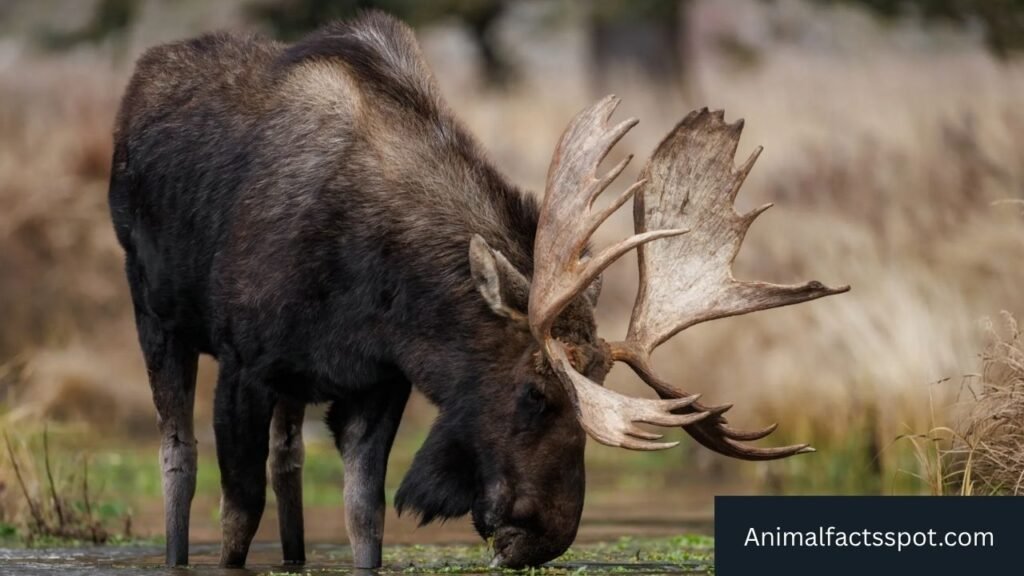
What sets moose apart is their incredible ability to forage underwater. They can submerge themselves to reach aquatic plants, a vital food source that few other ungulates can access. This foraging habit not only contributes to their diet but plays a crucial role in the ecosystem, as the disturbed sediments encourage the growth of submerged vegetation, benefiting various aquatic species. Observing a moose gliding through watery landscapes highlights the delicate balance of nature and underscores the importance of protecting their habitats. Their tranquil yet commanding presence serves as a reminder of the wild beauty that thrives just beyond our urban comforts.
Also read: Explore Top 17 Animals That Eat Spiders.
Bison
Scientific Name: Bison bison
Class: Mammalia
Diet: Herbivore
Bison, often referred to as the “buffalo” in North America, are magnificent creatures that embody the spirit of the American West. With their robust, muscular bodies and distinctive shaggy coats, these hooved giants play an essential role in their ecosystem. Often seen roaming in herds, their massive frame not only serves as a symbol of strength but also impacts grassland health. As they graze, bison aerate and fertilize the soil, promoting rich biodiversity; their movements create natural disturbances that foster new growth for various plants.
Moreover, bison have a fascinating social structure, marked by complex herd dynamics. They communicate through a variety of vocalizations and body languages, showcasing a level of intelligence often underestimated. Surprisingly, bison can also exhibit a playful side, engaging in dust-bathing and sparring with one another, which reinforces social bonds. As we work to conserve their populations, it’s imperative to recognize not only their ecological importance but also their cultural significance to Indigenous peoples, who have revered bison for centuries as symbols of sustenance and resilience. Embracing our understanding of these animals can foster deeper connections to nature and inspire conservation efforts vital for their survival.
Impala
Scientific Name: Aepyceros melampus
Class: Mammalia
Diet: Herbivore
The impala, a striking antelope native to eastern and southern Africa, showcases an elegant blend of grace and agility. Known for their impressive leaping ability, these animals can soar up to ten feet in the air, allowing them to evade predators with astonishing agility. Impalas possess an intricate social structure, often forming large herds composed of both males and females, which not only aids in protection but also fosters complex interactions within the group.
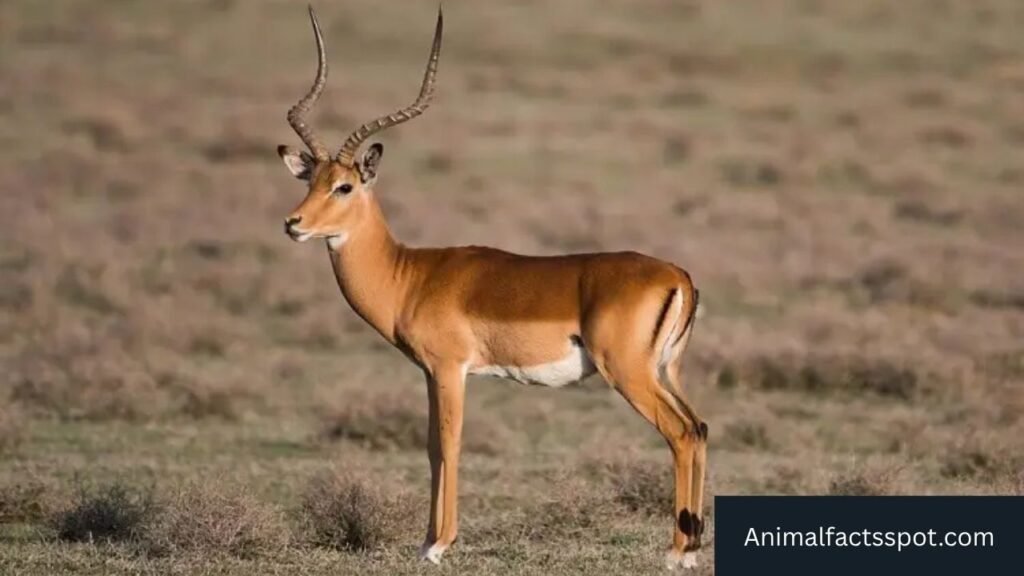
What truly sets impalas apart is their remarkable adaptability to various habitats, from savannas to woodlands. This versatility is complemented by their finely tuned senses, enabling them to detect danger from afar. The vibrant reddish-brown coat of the impala, accented by striking white markings, serves as both camouflage and a form of communication, helping them stay connected with their herd while remaining vigilant against threats. Observing impalas in their natural environment offers a captivating glimpse into the delicate balance of life in the wild, where elegance meets survival in the most extraordinary ways.
Gazelle
Scientific Name: Gazella gazella
Class: Mammalia
Diet: Herbivore
Gazelles, with their graceful forms and swift movements, are a fascinating representation of adaptability in the wild. Found primarily in African savannas and deserts, these agile creatures exhibit incredible speed, capable of reaching up to 60 miles per hour in short bursts. This remarkable agility is not just for show; it serves as a critical survival mechanism against predators like lions and cheetahs. Their unique ability to leap high into the air, a behavior known as “stotting,” not only displays their physical prowess but also communicates their fitness to potential threats.
Beyond their athleticism, gazelles embody a complex social structure, often forming herds that enhance survival through collective vigilance. Witnessing their interactions offers an impressive glimpse into animal behavior, showcasing cooperation and hierarchy within a group. Furthermore, their diet predominantly consists of grasses and leaves, yet they have evolved to thrive in arid environments by sustaining themselves on the limited vegetation available. This adaptability not only highlights their resilience but also underscores the delicate balance of companionship and resourcefulness in the animal kingdom. Gazelles remind us of the intricate tapestry of life, where each species plays a crucial role in maintaining the ecosystem’s harmony.
You can also read: Explore Top 13 Animals That Look Like Deer.
Sheep
Scientific Name: Ovis aries
Class: Mammalia
Diet: Herbivore
Sheep are often celebrated for their endearing woolly coats and gentle disposition, but their role in the ecosystem is far more complex than mere farmyard companions. These fascinating animals are natural grazers, playing a crucial role in maintaining the health of grasslands. By feeding on grasses and weeds, they help prevent overgrowth, promoting biodiversity. This grazing behavior not only enriches soil quality through their manure but also supports a variety of other wildlife that thrive in well-managed landscapes.
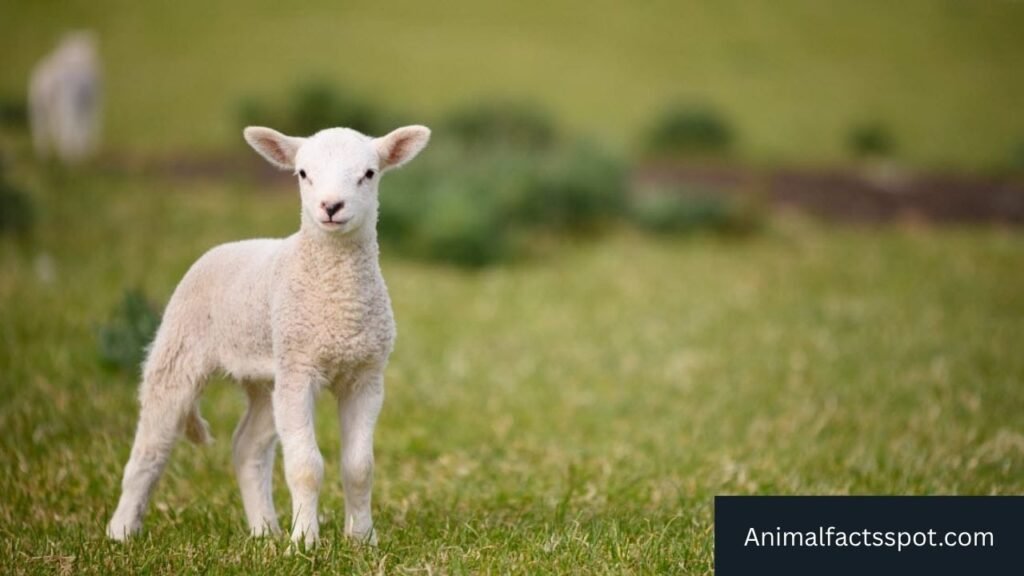
Beyond their ecological contributions, sheep have a unique social structure that’s captivating to observe. They are highly social animals that form strong, non-linear bonds within their flocks; this solidarity is essential for their survival in the wild. When threatened, these hoofed creatures instinctively band together, showcasing a remarkable group dynamic. Moreover, their acute ability to recognize individual faces — both of their peers and humans — reveals the depth of their intelligence. Through this lens, one can appreciate sheep not just as livestock, but as sentient beings that contribute significantly to both their environment and our understanding of animal behavior.
Zebra
Scientific Name: Equus quagga
Class: Mammalia
Diet: Herbivore
Zebras, with their striking black-and-white stripes, are more than just visually captivating; they boast a rich social structure and behavior that intrigues researchers. Each zebra’s stripe pattern is unique, serving not only as a form of identification but also as a mechanism for social cohesion within herds. This pattern disrupts outlines, making it harder for predators to focus on a single animal during a chase, effectively functioning as a natural defense strategy.
Socially, zebras are incredibly intelligent, often forming strong familial bonds and showing high levels of empathy towards each other. Observations have shown that they will come to the aid of injured or distressed kin, demonstrating a level of emotional connectivity that challenges traditional views on animal behavior. The complex communication among zebras, through vocalizations and body language, reveals a nuanced social network that supports both individual and herd survival. As they graze in the vast savannas, zebras remind us that even in the wild, community and connection are vital to thriving in the face of adversity.
Giant Eland
Scientific Name: Taurotragus derbianus
Class: Mammalia
Diet: Herbivore
The giant eland, Africa’s largest antelope, boasts not only impressive size but also a fascinating blend of grace and strength. Weighing up to 2,200 pounds, these magnificent creatures can reach heights of over 6 feet at the shoulder. Their striking spiraled horns, measuring up to 4 feet long in males, serve both as a defense mechanism and a symbol of dominance within their herds. Unlike many of their relatives, giant elands exhibit remarkable adaptability, thriving in various habitats from savannas to woodlands, showcasing a versatility that ensures survival amidst shifting landscapes.
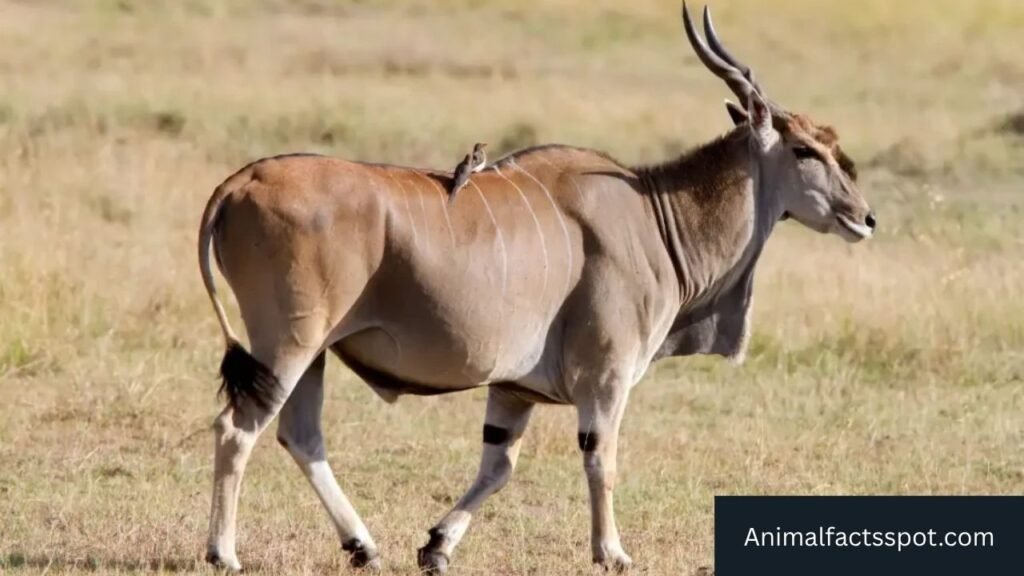
What truly sets the giant eland apart is its intricate social structure. These animals often form loose herds, but the dynamics can shift according to the availability of resources or the presence of predators. Interestingly, their vocalizations, characterized by a deep “moo” and a range of grunts, play a crucial role in communication, especially among mothers and their young. This rich social fabric offers lessons in cooperation and resilience in the wild, reminding us of the intricate connections that exist within the animal kingdom. Observing giant elands in their natural habitat is not just a spectacle of size and strength, but also an invitation to appreciate the complexity and adaptability of life on Earth.
Readmore: Explore Top 15 Most Active Animals in The World.
Final Thoughts
Hoofed animals are not only fascinating to study but are also essential to our ecosystems and economies. Their unique adaptations, from powerful legs for running to specialized diets, showcase nature’s ingenuity. By fostering a deeper understanding of these animals, we can inspire responsible stewardship and conservation efforts.
Each species has its own role to play, highlighting the importance of biodiversity. Join us in promoting awareness and protection for these incredible creatures, ensuring their survival for future generations to enjoy.
FAQs
Do pigs have hooves?
Yes, pigs do have hooves. They are classified as ungulates, which means they have specialized foot structures that help them navigate various terrains.
Do zebras have hooves?
Yes, zebras do have hooves. Like all equines, they belong to the family Equidae, and their hooves are specially adapted for their environment. Their sturdy hooves help them travel across the varied terrains of Africa, from grasslands to rugged regions.
Do deers have hooves?
Yes, deer do have hooves. They belong to a group of animals called ungulates, which are characterized by their cloven, or split, hooves. These hooves help them navigate various terrains, from dense forests to open fields.