
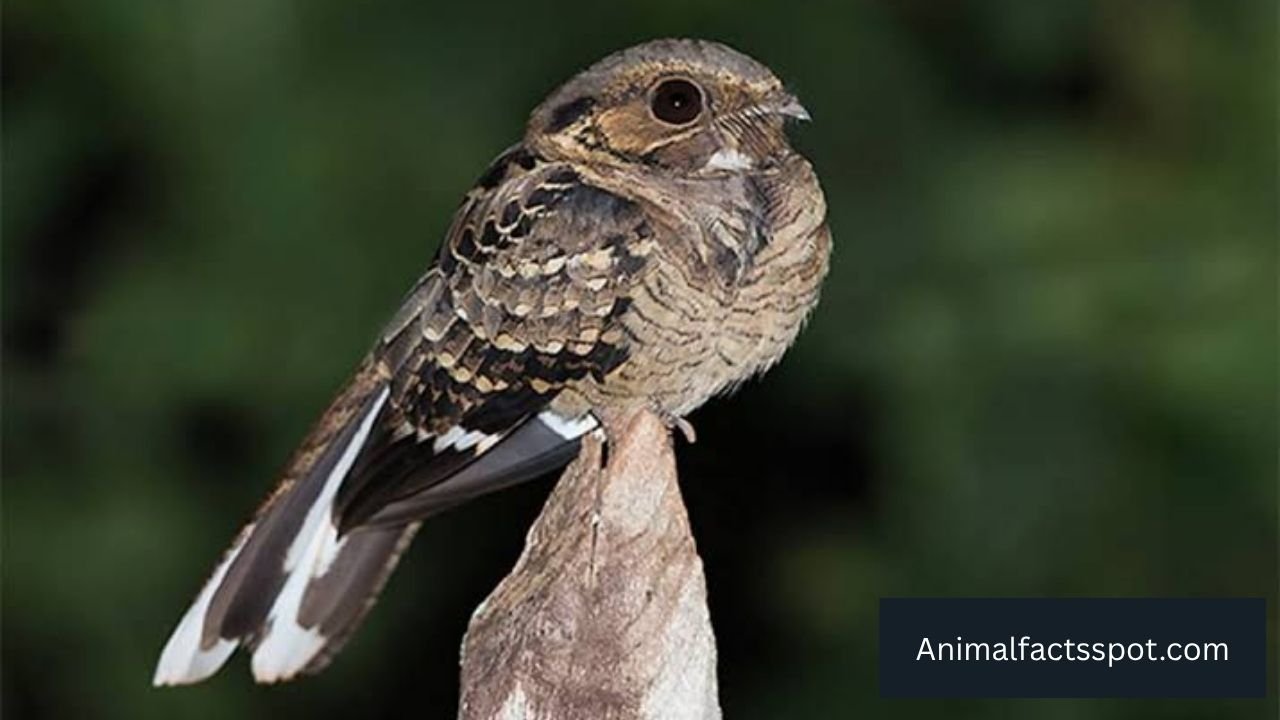
Explore Top 13 Birds That Fly at Night (With Pictures)
In this article, we’ll explore the fascinating world of birds that fly at night, revealing their surprising adaptations and behaviors. Understanding these nocturnal aviators not only deepens our appreciation for birdlife but also highlights the complex ecosystems they inhabit. By the end, you’ll have a newfound respect for these mysterious creatures and the vital roles they play after sunset.
List of Birds That Fly at Night
Here is the list of birds that fly at night:
| Number of Animals | Names of Birds That Fly at Night |
| 1 | Tawny frogmouth |
| 2 | Killdeer |
| 3 | Northern Saw-whet Owl |
| 4 | Common Pauraque |
| 5 | Common Nighthawk |
| 6 | Eastern whip-poor-will |
| 7 | Barn owl |
| 8 | Black-crowned Night Heron |
| 9 | European Nightjar |
| 10 | American Woodcocks |
| 11 | Northern mockingbird |
| 12 | Great horned owl |
| 13 | Nightingale |
Tawny frogmouth
Scientific Name: Podargus strigoides
The tawny frogmouth, often mistaken for an owl, showcases a remarkable adaptation to nocturnal life. Found primarily in Australia and New Guinea, this unique bird has evolved to blend seamlessly with its surroundings. Its mottled gray plumage resembles tree bark, making it a master of camouflage as it rests during the day. When night falls, however, it emerges to hunt, employing a surprisingly versatile diet that includes insects, small mammals, and even reptiles.
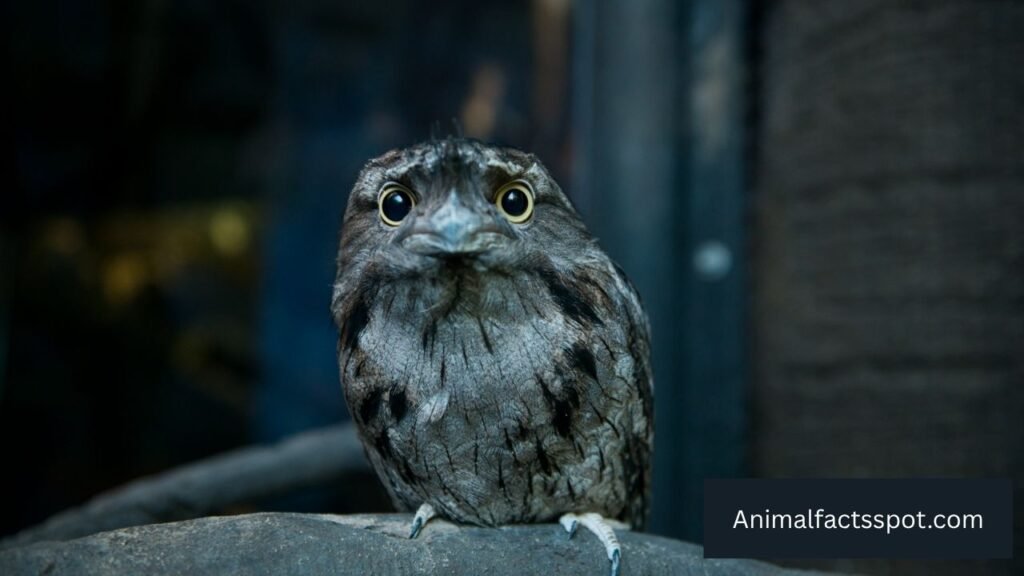
Instead of traditional hunting, it employs a sit-and-wait strategy, remaining perfectly still until an unsuspecting victim ventures too close. Its wide gaping mouth, capable of consuming prey whole, allows it to capitalize on opportunities with remarkable efficiency. Intriguingly, the tawny frogmouth is also known for its eerie, haunting call, an integral part of its mating ritual and territorial displays that adds an otherworldly ambiance to the evening. As the night unfolds, the tawny frogmouth remains a fascinating enigma, a nocturnal sentinel of the forest, reminding us of nature’s wonders and adaptations.
Killdeer
Scientific Name: Empidonax alnorum
The Killdeer, often mistaken for a plover due to its similar appearance, is a fascinating bird that exhibits unique behaviors, especially when it comes to its night-time activities. Unlike many birds that rest under the cover of darkness, Killdeer are known to be crepuscular, meaning they are most active during dawn and dusk. This strategic timing allows them to forage for insects and small invertebrates while minimizing competition from daytime predators and other birds.
During nesting season, the Killdeer’s distinctive broken-wing act — where it feigns injury to lure predators away from its nest — also takes on a more pronounced role at dusk, demonstrating how this bird uses its environment and behaviors to survive. Observing a Killdeer at twilight can evoke a sense of wonder, reminding us of the hidden complexities within nature that unfold when the sun begins to set.
Northern Saw-whet Owl
Scientific Name: Aegolius acadicus
The Northern Saw-whet Owl, a pint-sized marvel of the nighttime sky, exhibits an enigmatic blend of beauty and stealth. With its distinctive, round face and large, expressive yellow eyes, this small owl often goes unnoticed despite its widespread presence across North America. Its name, derived from a sound reminiscent of a saw being sharpened, hints at its elusive nature; the bird’s haunting calls can evoke feelings of both intrigue and solitude in the stillness of the night.
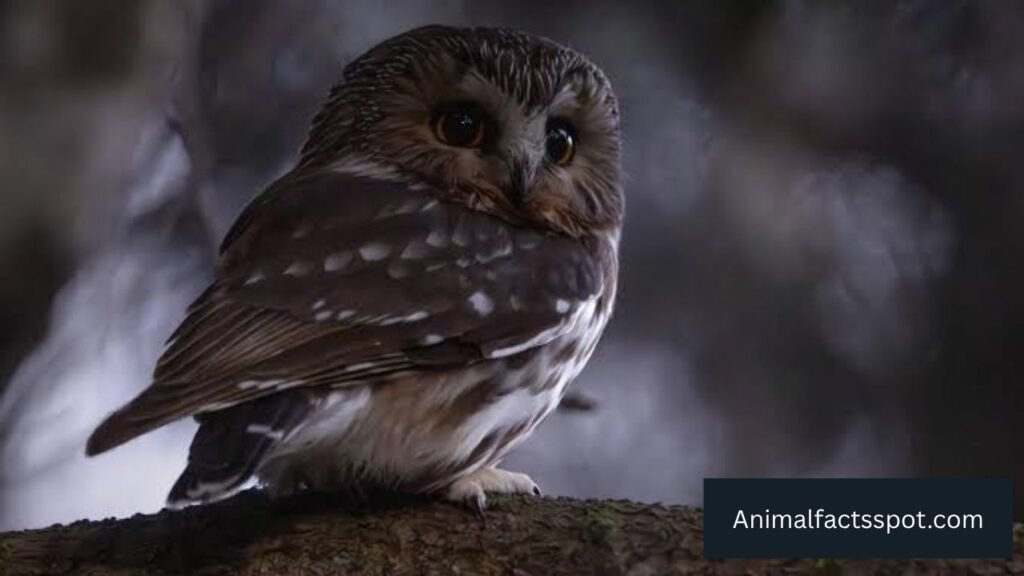
A keen predator, the Northern Saw-whet Owl primarily hunts small mammals like voles and mice, employing its extraordinary hearing to locate prey in total darkness. Unlike many of its daytime counterparts, this nocturnal hunter possesses unique adaptations, such as acute vision that enables it to see well in low light and silent flight thanks to specialized feather structure.
Readmore: Explore Top 15 Most Active Animals in The World.
Common Pauraque
Scientific Name: Nyctidromus albicollis
The Common Pauraque is an enigmatic avian marvel, often overshadowed by its more colorful counterparts. These night-active birds, resembling a blend of mottled browns and grays, are masters of camouflage, allowing them to blend seamlessly into their forest floor habitat. Their cryptic plumage isn’t just for show; it’s a survival tactic that protects them from nocturnal predators while they await the perfect moment to spring into action.
As dusk settles, the Common Pauraque comes to life, showcasing its unique hunting strategies that are finely tuned for a life under the cover of darkness. Equipped with exceptional night vision, they navigate effortlessly through their environment, using their keen hearing to detect the slightest rustle of insects and other invertebrates. Their haunting, ghost-like calls echo through the night, creating an ethereal soundtrack that draws the listener deeper into the nocturnal world.
Common Nighthawk
Scientific Name: Chordeiles minor
The Common Nighthawk is a master of the night sky, often mistaken for a hawk during daylight due to its camouflaged plumage. Unlike daytime raptors, this nocturnal bird showcases its hunting prowess under the cover of dusk, swooping elegantly through the air to catch insects mid-flight. What’s captivating is its unique method of foraging: rather than adhering to traditional hunting techniques, the nighthawk employs a graceful, erratic flight pattern, emitting a series of soft, mournful calls that resonate in the evening air.
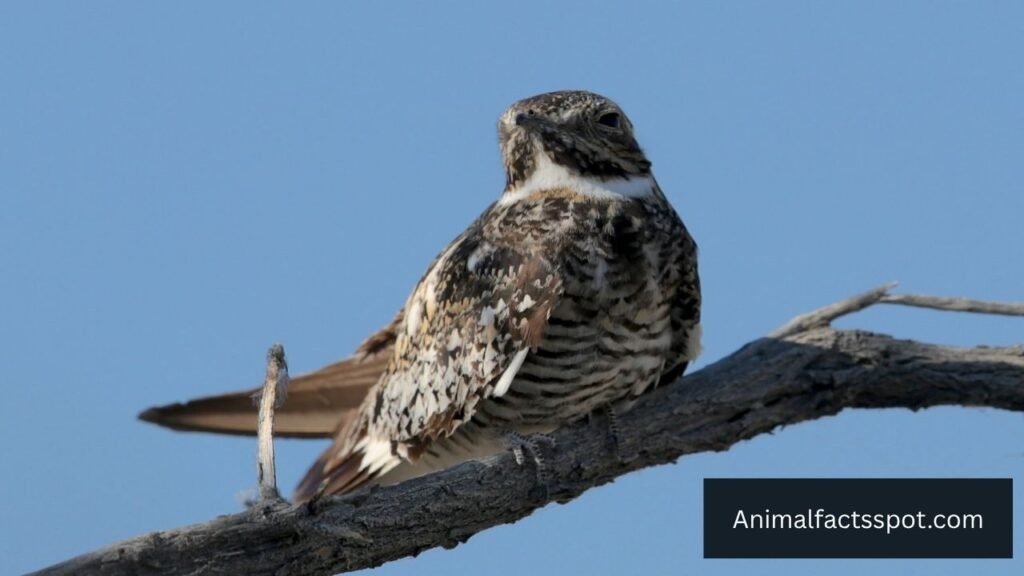
These elusive birds have an extraordinary adaptation for their nighttime lifestyle; they possess heightened vision that allows them to navigate through dimly lit landscapes. Their wide wingspan enables them to glide silently, avoiding detection by both prey and predators. Interestingly, the Common Nighthawk plays a crucial ecological role by controlling insect populations, particularly in urban settings where they often nest on rooftops or gravel flats.
Eastern whip-poor-will
Scientific Name: Antrostomus vociferus
The Eastern whip-poor-will, with its hauntingly beautiful call, is a beacon of the night. These elusive birds take to the skies as darkness falls, relying on their exceptional camouflage to blend into the forest floor. Unlike their daytime counterparts, they have evolved to thrive in the moonlit hours, hunting insects in mid-flight with remarkable agility.
Males establish territories and serenade potential mates, creating an auditory tapestry that resonates through the stillness of the night. This unique courtship ritual not only showcases their vocal prowess but also signals the arrival of spring, as their calls herald warmer nights and a rejuvenated landscape. Studies indicate that their populations are dwindling, serving as a poignant reminder of the delicate balance in ecosystems they inhabit.
Barn owl
Scientific Name: Tyto alba
The barn owl, with its heart-shaped face and silent flight, captivates the imagination as one of nature’s most enigmatic nocturnal hunters. Unlike their day-flying counterparts, these owls are equipped with extraordinary adaptations that optimize their nighttime predation. Their exceptional hearing allows them to detect even the faintest rustle of a field mouse in the dark, while their unique feather structure muffles sound, enabling them to swoop down unnoticed. This stealthy approach makes them formidable hunters under the cover of darkness.
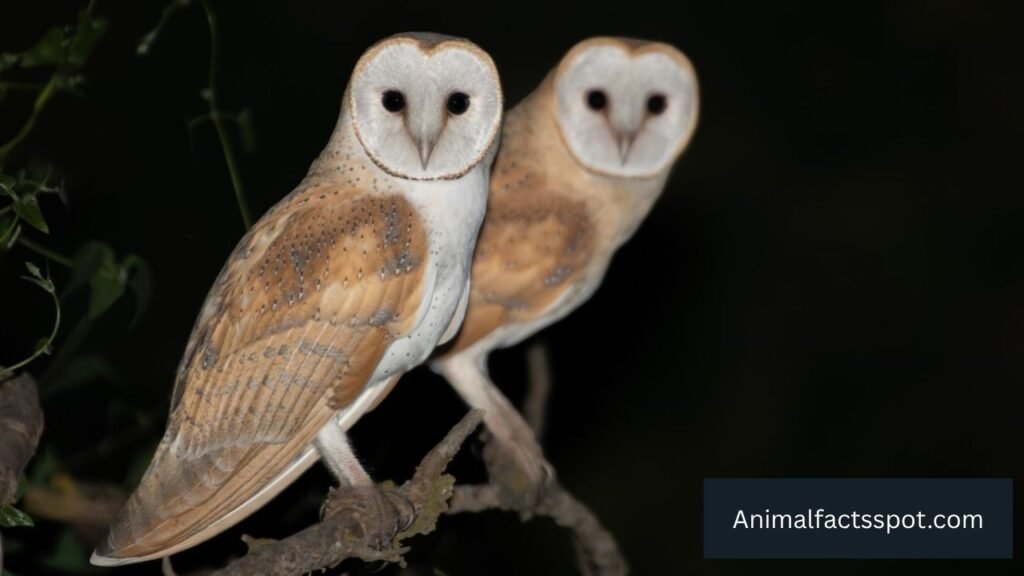
Symbolically, the barn owl has often been associated with mystery and the supernatural. In various cultures, their ghostly appearance and haunting calls have inspired folklore and superstitions. Interestingly, researchers have found that the presence of barn owls can be a natural indicator of ecosystem health; their populations thrive in areas where habitats remain unsullied by pollution or habitat destruction.
Black-crowned Night Heron
Scientific Name: Nycticorax nycticorax
The Black-crowned Night Heron, with its striking contrast of dark plumage against the evening sky, is a master of stealth and adaptation. Unlike their daytime cousins, these herons have evolved to thrive in the moonlight, relying on keen night vision and acute hearing to navigate their habitats. As they glide silently over wetlands and shorelines, they wield a surprisingly versatile hunting strategy, often favoring a variety of prey from fish to small mammals and even insects, making them opportunistic foragers.
Their haunting cries can be heard echoing through marshes at dusk, adding an element of mystique to their behavior. Engaging in nocturnal activities not only minimizes competition with diurnal birds but also allows Black-crowned Night Herons to harness the cover of darkness to evade potential predators.
European Nightjar
Scientific Name: Caprimulgus europaeus
The European Nightjar, a master of stealth, exemplifies nature’s marvels with its cryptic plumage that perfectly camouflages it against the forest floor. These enigmatic birds come alive under the moonlit sky, their haunting calls resonating through the stillness of twilight. Unlike the vibrant songbirds that dominate the daytime with color and cheer, Nightjars communicate through mesmerizing, rhythmic sounds that evoke a sense of mystery, captivating anyone lucky enough to hear them.
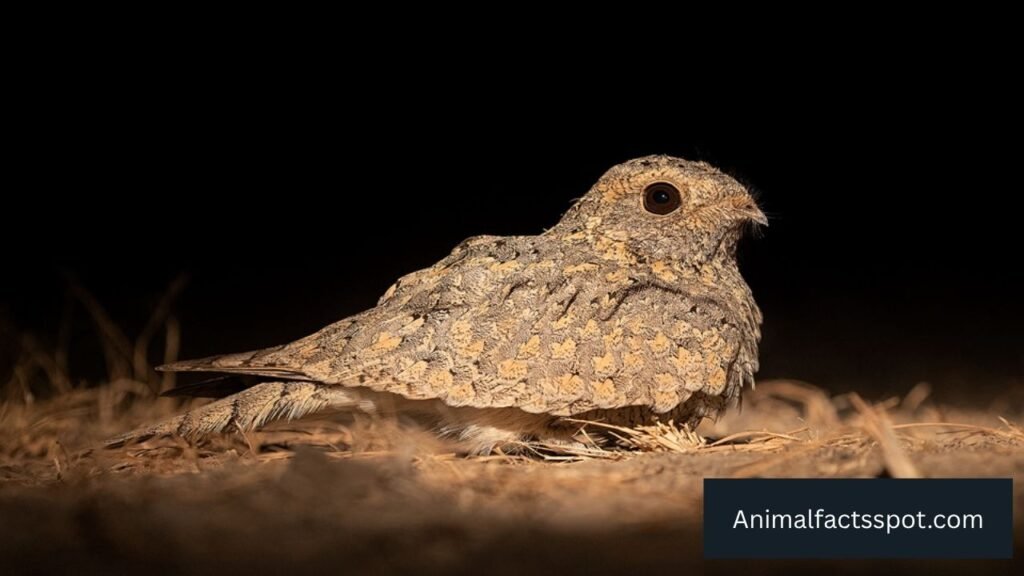
Nestled in open woodlands and heathlands, the Nightjar has adapted superbly to a nocturnal lifestyle. Their large, dark eyes are perfectly attuned to low-light conditions, allowing them to hunt with remarkable precision. They primarily feast on moths and insects, employing a gliding flight that minimizes disturbance as they swoop through the shadows.
American Woodcocks
Scientific Name: Scolopax minor
American woodcocks are intriguing nocturnal flyers that defy conventional ideas about bird behavior. Unlike most avian species that rely heavily on daylight for foraging and socializing, these secretive creatures thrive in twilight and nighttime environments. With their oversized eyes adapted for low light, woodcocks navigate the dim landscapes of forests and fields with remarkable precision, using their acute sense of hearing to detect the rhythmic earthworms that make up a significant portion of their diet.
Their enchanting display flights, often observed during the breeding season, showcase not only their aerial agility but also a fascinating ritual of courtship. Males ascend in spiraling patterns, creating a mesmerizing symphony of wingbeats and twittering sounds. This nocturnal ballet serves as both a signal to potential mates and a declaration of territory, drawing observers into a world often overlooked in the darkness.
Northern mockingbird
Scientific Name: Mimus polyglottos
The Northern Mockingbird, often celebrated for its melodious daytime serenades, takes on an intriguing persona when night falls. While many birds retreat to their nests, this nocturnal songster remains active, enchanting the moonlit landscape. It uses its vast repertoire — mimicking other birds, frogs, and even mechanical sounds — to communicate and defend its territory.
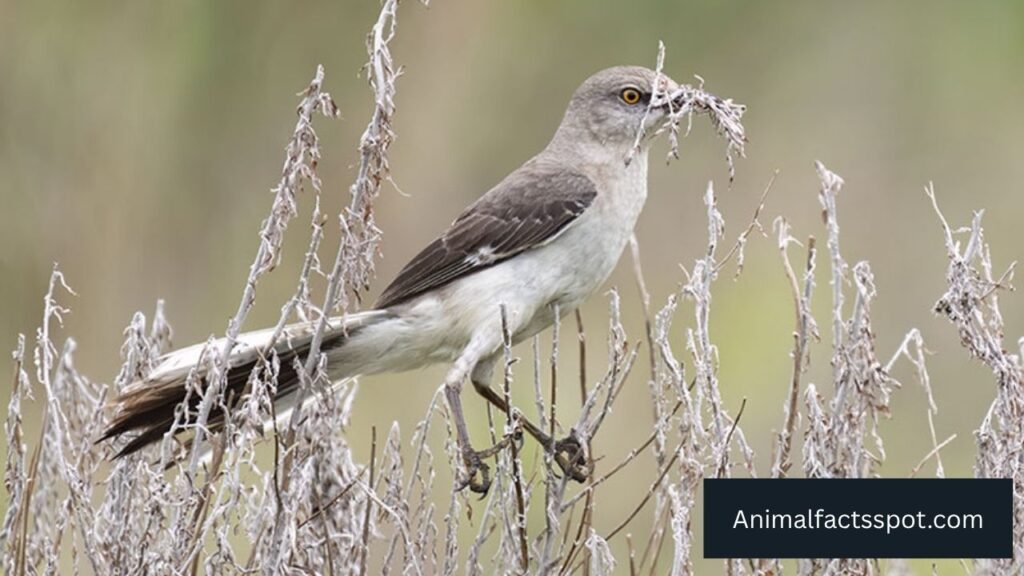
One might wonder why a bird like the mockingbird, which typically thrives in daylight, would venture out when darkness cloaks the world. Their heightened nocturnal activity may be strategic: fewer predators and competitors make the night an ideal time for foraging and showcasing their vocal prowess. This nighttime display also serves a broader ecological purpose, as their songs can travel long distances under the cover of night, marking their territory and attracting attention in ways seldom seen during the day.
Great horned owl
Scientific Name: Bubo virginianus
The great horned owl, with its striking tufted ears and piercing yellow eyes, epitomizes the enigma of nocturnal avian life. Unlike many birds that rely on daytime activity, this formidable predator takes to the night, leveraging its acute hearing and exceptional vision to hunt in the dark. Its ability to locate prey through sound alone — much like a natural sonar — is a fascinating adaptation that highlights the complexity of its hunting strategy.
As dusk descends, the great horned owl enters a world transformed, where familiar landscapes become shadowy realms of potential. This owl’s remarkable silence in flight, facilitated by specialized feather structures, allows it to swoop down upon unsuspecting mammals and birds with stealth that borders on supernatural. The intricate balance of its ecosystem relies heavily on this nocturnal hunter, which controls rodent populations while enriching the food web with its presence.
Nightingale
Scientific Name: Luscinia megarhynchos
The nightingale, often revered in poetry and literature, is not just celebrated for its melodious song but also for its unique nocturnal habits. These small brown birds possess the remarkable ability to serenade the night, filling the darkness with their haunting melodies. While many birds retreat at dusk, the nightingale thrives, using the cover of darkness to evade predators and attract mates through its enchanting song. This adaptation reveals how species can evolve distinctly, embracing the benefits of nocturnality in a world dominated by daytime activities.
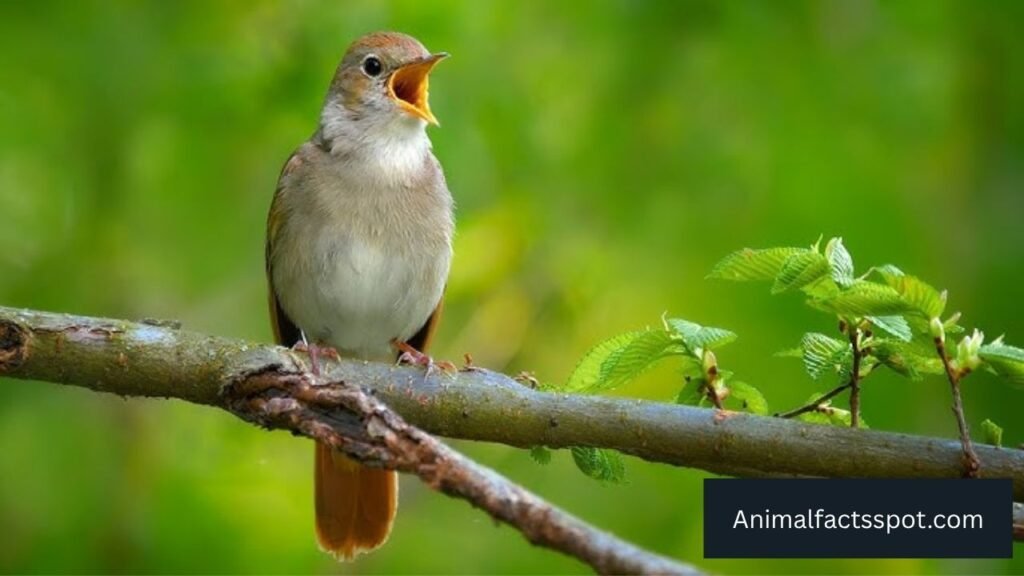
Each male has a repertoire that can exceed 200 different phrases, showcasing an improvisational skill rarely seen in the avian world. This complexity suggests that their songs may serve as both a sonic signature and a medium for social interaction, providing insight into the rich social lives of these elusive birds. As dusk falls, the nightingale transforms the landscape, turning the mundane into a symphony of sound, reminding us of the beauty that often goes unnoticed in the stillness of the night.
Readmore: Explore Top 15 Animals With Hooves.
Conclusion
Night-flying birds play a crucial role in maintaining the ecological balance of their environments. Their unique adaptations, such as enhanced vision and specialized hunting techniques, allow them to thrive in the darkness. From the haunting call of the owl to the swift movements of the nighthawk, these creatures remind us of the wonders of the natural world that often go unnoticed. As we continue to learn more about their behaviors and habitats, it becomes evident that conservation efforts are essential to protect these nocturnal aviators. Let’s commit to preserving their environments and appreciating the beauty of the night sky filled with life.
FAQs
Do birds fly at night?
Yes, some birds do fly at night. Species like owls and nighthawks are well-known for their nocturnal habits. They have adapted to hunt and navigate in low-light conditions, taking advantage of reduced competition and increased availability of prey. However, not all birds are nocturnal. Most species are active during the day and rest at night. Migratory birds, like certain sparrows and geese, may also travel at night to avoid predators and make the most of favorable winds.
What birds are active at night?
One of the most familiar is the owl, recognized for its distinct calls and silent flight. Owls have excellent night vision and are skilled hunters, preying on small mammals and insects. Other nocturnal birds include nightjars and nighthawks. Nightjars are known for their camouflage and soft calls, often heard rather than seen. Nighthawks are agile flyers, feeding on insects in the twilight hours.