Top 13 Animals Like Skunks (With Images)
In this article, we’ll explore various animals like skunks, revealing surprising similarities in behavior, adaptations, and ecological roles. Understanding these connections can enhance your appreciation for wildlife and highlight the importance of biodiversity. By the end, you’ll gain a broader perspective on how animals navigate their environments, even those often overlooked.
List of Animals Like Skunks
Below is the list of animals that are like skunks:
- Mongoose
- Mink
- Raccoons
- Wolverines
- Least Weasel
- Hedgehogs
- Striped Polecat
- European Badger
- African Civet
- Otters
- Honey Badgers
- Stink badgers
- Tayra
Mongoose
Scientific name: Herpestidae
Class: Mammalia
Diet: Carnivore/Omnivore
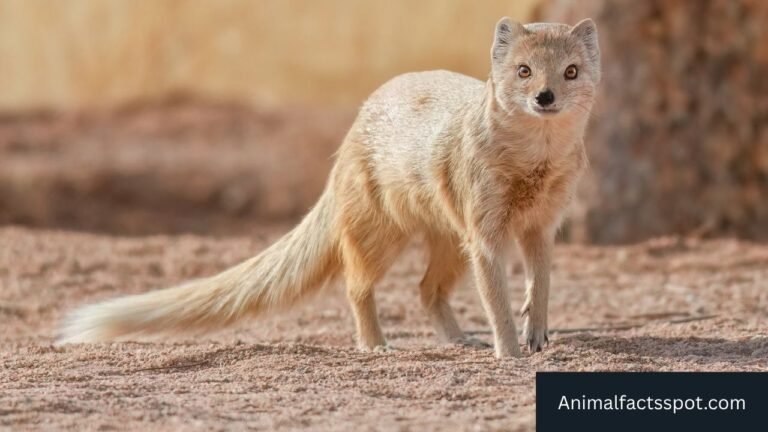
Mongoose are fascinating creatures that often evoke curiosity due to their remarkable adaptability and unique behaviors. Unlike skunks, who rely on their potent spray for protection, mongooses are nimble hunters with a reputation for bravely confronting venomous snakes. Their ability to withstand snake bites is attributed to a specialized acetylcholine receptor that counters venom effects, showcasing nature’s remarkable ingenuity in evolutionary design. This fearless approach to predation not only underscores their role in controlling snake populations but also highlights their niche in maintaining ecological balance.
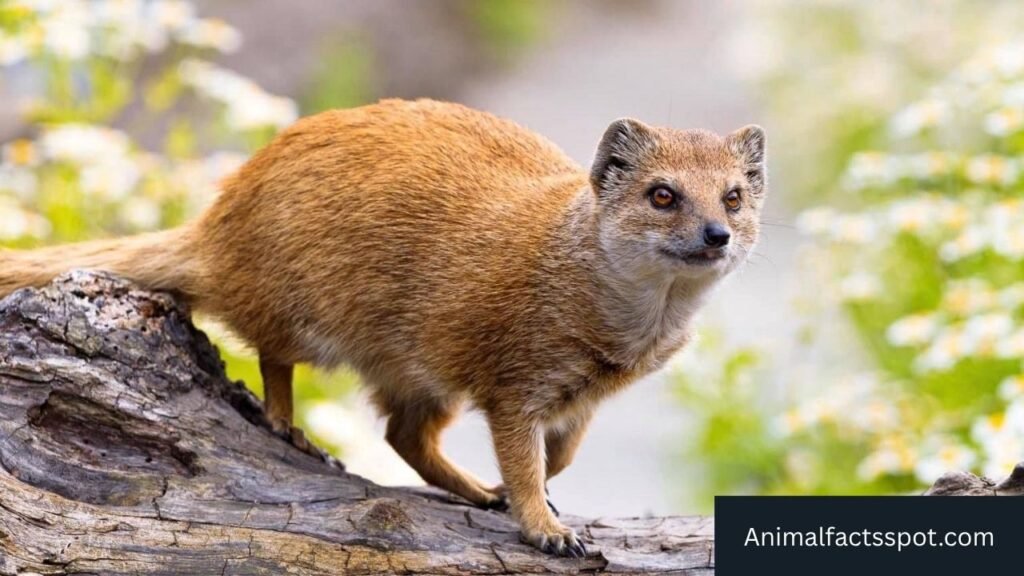
Socially, mongooses display intriguing dynamics, often living in groups called mobs or packs. These tight-knit communities exhibit cooperative behaviors, such as collective vigilance against predators and group hunting strategies. This social structure contrasts sharply with the solitary nature of skunks, revealing how varying strategies for survival shape interactions within different species. Observing these communal behaviors can enrich our understanding of animal social structures, emphasizing that survival strategies often come with their own set of advantages and challenges. In a world where every creature has a role, mongooses stand out for their daring prowess and sophisticated social systems.
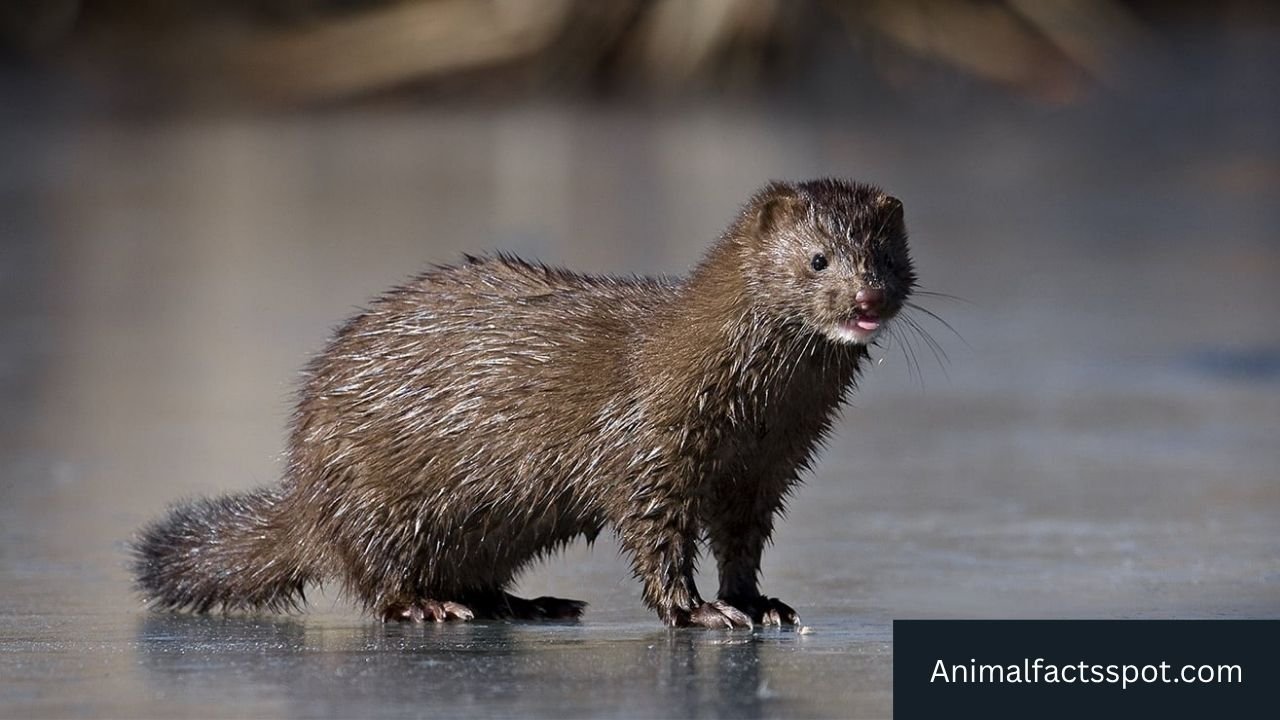
Mink
Scientific name: Neovison vison
Class: Mammalia
Diet: Carnivore
Minks, often overshadowed by their more prominent cousins in the weasel family, are fascinating creatures that embody a unique blend of charm and cunning. With sleek, luxurious fur and a playful demeanor, these semi-aquatic mammals are not just glamorous; they’re also adept hunters. Minks thrive in diverse habitats, from marshes to wooded streams, showcasing their remarkable adaptability and agility. Their diet is opportunistic, primarily consisting of fish, small mammals, and even birds, revealing their role as vital players in the ecosystem.
What truly sets minks apart is their social behavior. Unlike many solitary predators, minks can exhibit social structures, sometimes living in family groups or sharing den sites. This social aspect invites deeper reflections on their intelligence and communication styles, which remain largely unexplored. Observing a group of minks can be a captivating experience, as they display intricate interactions, from playful antics to strategic hunting collaborations. As their populations face habitat loss and fur trade pressures, recognizing the ecological significance of minks encourages a broader conversation about conservation and the intricate balance of nature.
Raccoons
Scientific name: Procyon lotor
Class: Mammalia
Diet: Omnivore
Raccoons, often seen as the mischievous masked bandits of the animal kingdom, possess a unique blend of intelligence and adaptability that both captivates and perplexes humans. Known for their dexterous front paws, these creatures exhibit remarkable problem-solving abilities, often outsmarting barriers designed to keep them away from tempting garbage cans or bird feeders. Yet, their ingenuity extends beyond mere foraging; they can remember solutions to tasks for up to three years, showcasing their impressive memory and cognitive skills.
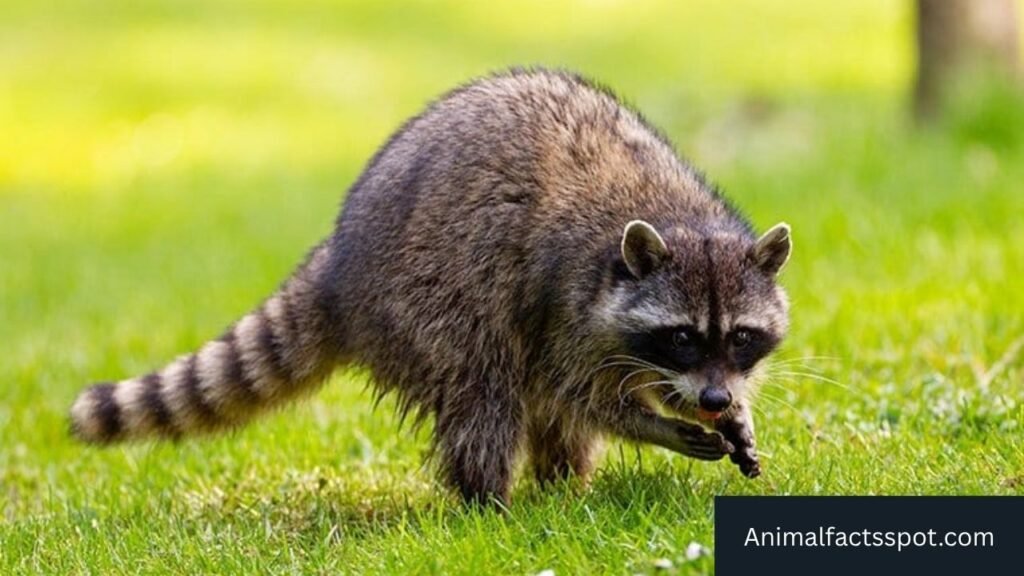
In urban environments, raccoons have become quintessential survivors, seamlessly integrating into human habitats while maintaining their wild instincts. This adaptability sparks a fascinating dialogue about coexistence and ecological balance. While some might view raccoons as nuisances, their role in the ecosystem is invaluable. They help control insect populations and disperse seeds, inadvertently nurturing new plant growth. Observing these nocturnal creatures in action not only invites an appreciation for their resourceful nature but also challenges us to rethink our perceptions of wildlife living alongside us.
Readmore: Explore Top 13 Animals Like Prairie Dogs.
Wolverines
Scientific name: Gulo gulo
Class: Mammalia
Diet: Carnivore
Wolverines, often overshadowed by their more famous relatives, are fascinating creatures that embody resilience and tenacity. These stocky, muscular mammals are designed for survival in harsh, cold environments, boasting thick fur and powerful limbs that allow them to traverse rugged terrains. Unlike the elusive skunk, wolverines are known for their bold aggression and cunning scavenging skills, often taking on animals much larger than themselves. Their impressive ability to travel over long distances in search of food showcases not just their resourcefulness, but also the critical role they play in maintaining the ecological balance in their habitats.
One of the most intriguing aspects of wolverines is their unique reproductive strategy. Female wolverines have a delayed implantation cycle, allowing them to optimize parental investment by timing the birth of their kits with the peak availability of resources in spring. This strategy highlights their adaptability to environmental pressures, much like skunks, which also showcase remarkable survival strategies through their defensive behaviors. However, unlike skunks that rely on a pungent spray for protection, wolverines do not shy away from confrontation, often standing their ground against larger predators. This combination of physical prowess and strategic behavior makes them truly captivating members of the animal kingdom, reminding us of nature’s complex web of survival.
Least Weasel
Scientific name: Mustela nivalis
Class: Mammalia
Diet: Carnivore
The least weasel, often overlooked in the animal kingdom, showcases a fascinating blend of size and ferocity. This tiny predator, measuring only about 10 to 26 centimeters in length, is a master of adaptability. Found across Europe, North America, and parts of Asia, it thrives in various habitats, from fields to forests, demonstrating a remarkable penchant for survival. What sets it apart is not just its diminutive stature, but its audacious personality; least weasels fearlessly take on prey larger than themselves, proving that good things often come in small packages.
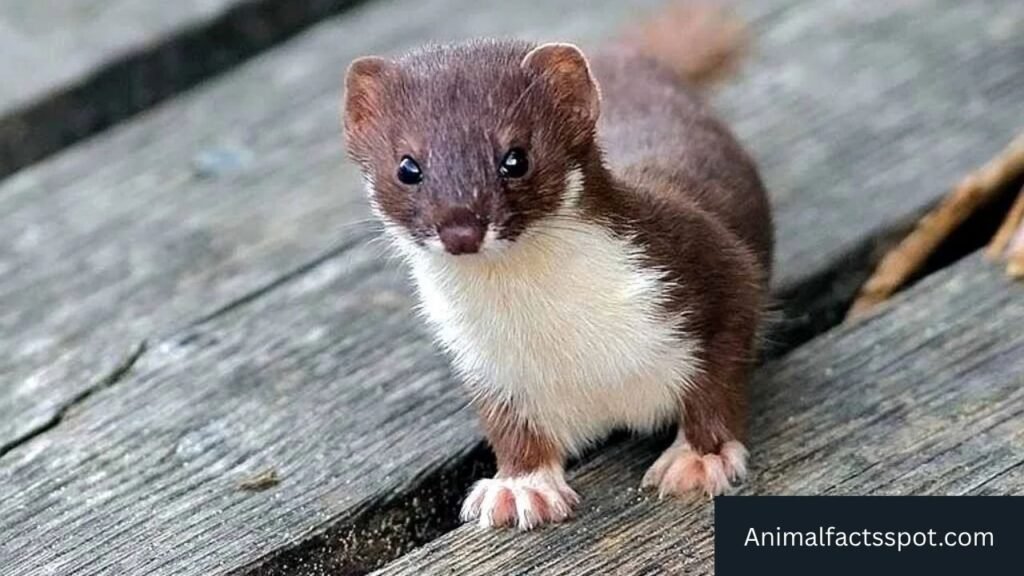
Moreover, the least weasel’s unique brown and white seasonal coat offers more than just camouflage. This color change is a brilliant adaptation, helping them evade predators during the winter months when their snowy environment demands disguise. Their agile bodies allow for quick maneuvers in pursuit of small mammals, birds, and even insects, making them efficient hunters. Fascinatingly, these weasels are solitary creatures, often marking their territory with scent trails that reflect their bold, individualistic nature. In a world where larger animals often dominate the narrative, the least weasel reminds us that tenacity and cunning can triumph, shattering stereotypes about what it means to be fierce.
Hedgehogs
Scientific name: Erinaceidae
Class: Mammalia
Diet: Insectivore
Hedgehogs, much like their aromatic counterparts, the skunks, embody a unique blend of charm and practicality in the animal kingdom. These tiny mammals are often celebrated for their quilling defenses — sharp, stiff spines that ward off predators. Interestingly, hedgehogs are also natural pest controllers, feasting on insects and even small rodents, which makes them invaluable to gardens and local ecosystems. Their nocturnal habits lead to fascinating nighttime adventures, where they navigate through the underbrush, driven by an insatiable curiosity.
Beyond their quirky appearance, hedgehogs exhibit an intriguing behavior known as “self-anointing.” When they encounter unfamiliar smells, they lick and chew the material, then spread it over their spines. This ritual possibly serves as a form of camouflage or even a method for applying a protective scent. In a world where many animals rely on flamboyant displays for attraction or defense, hedgehogs take a subtler approach, showcasing their resilience and adaptability. Their lesser-known social structures, too, reveal a community spirit, as they’re often seen cohabiting and sharing territories, proving that even the spiniest creatures can foster connections. This blend of practical roles and endearing behaviors makes hedgehogs captivating members of the animal kingdom.
Striped Polecat
Scientific name: Ictonyx striatus
Class: Mammalia
Diet: Carnivore
The striped polecat, often mistaken for its North American counterpart the skunk, offers a fascinating glimpse into the world of mustelids. With its striking black and white pattern, this creature stands out in the wild, not just for its appearance but also for its surprising behaviors. Unlike our familiar skunks, striped polecats exhibit a more elusive lifestyle, preferring to roam through grasslands and forests while engaging in nocturnal escapades. The duality of their docile demeanor and defensive capabilities is nothing short of remarkable — when threatened, they can produce an unsettling, pungent spray similar to that of a skunk, a skill that has secured their place in the animal kingdom.
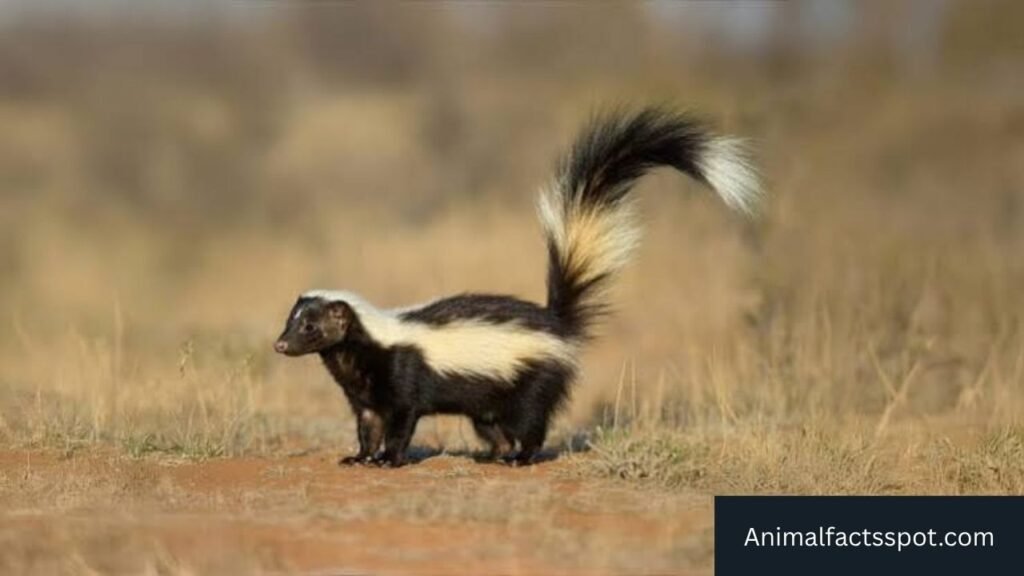
But it isn’t merely their defensive mechanism that captivates; it’s also their social structure. Striped polecats are often seen in small family units, showcasing a unique blend of cooperation and independence. Their habits reveal an intriguing adaptability within different environments, as they can thrive in areas ranging from savannahs to rocky outcrops. Observing these creatures in their natural habitat can evoke a sense of wonder, as one marvels at their intricate interactions with both the ecosystem and fellow inhabitants. The striped polecat challenges the notion that animals must always conform to a singular narrative, illustrating instead that life thrives in diverse forms and unfolds in captivating ways.
European Badger
Scientific name: Meles meles
Class: Mammalia
Diet: Omnivore
The European badger, often overshadowed by its more notorious cousins like the skunk, possesses a charm all its own. Unlike the skunk’s notorious spray, the badger uses its impressive burrowing skills to create extensive networks of homes, often referred to as setts. These subterranean dwellings are not just for shelter; they serve as complex social hubs where families thrive. A badger’s social life is captivating, as these creatures exhibit remarkable communal behavior, sharing their homes and even parenting duties in some cases.
The badger’s diet sets it apart in the animal kingdom. While skunks are opportunistic omnivores, badgers are primarily carnivorous, feasting on earthworms, small mammals, and insects. This dietary preference supports healthier ecosystems, as they control pest populations and aerate the soil through their digging. Furthermore, these nocturnal foragers display a level of intelligence and adaptability that is often underestimated — navigating intricate routes and adapting their foraging strategies to seasonal changes, showcasing a fascinating resilience in the face of environmental challenges. The beauty of the European badger lies in its hidden complexities, making it a fascinating creature well worth understanding.
African Civet
Scientific name: Civettictis civetta
Class: Mammalia
Diet: Omnivore
The African civet, often overshadowed by its more notorious relatives, showcases a unique blend of beauty and mystery. With its striking patterns and large, expressive eyes, this nocturnal creature is often mistaken for a cross between a cat and a raccoon. However, its true charm lies in its intricate social behavior and diverse diet. Unlike many other small mammals, African civets are omnivorous, indulging in everything from fruits to small rodents, and even insects, showcasing nature’s adaptability in varied ecosystems.
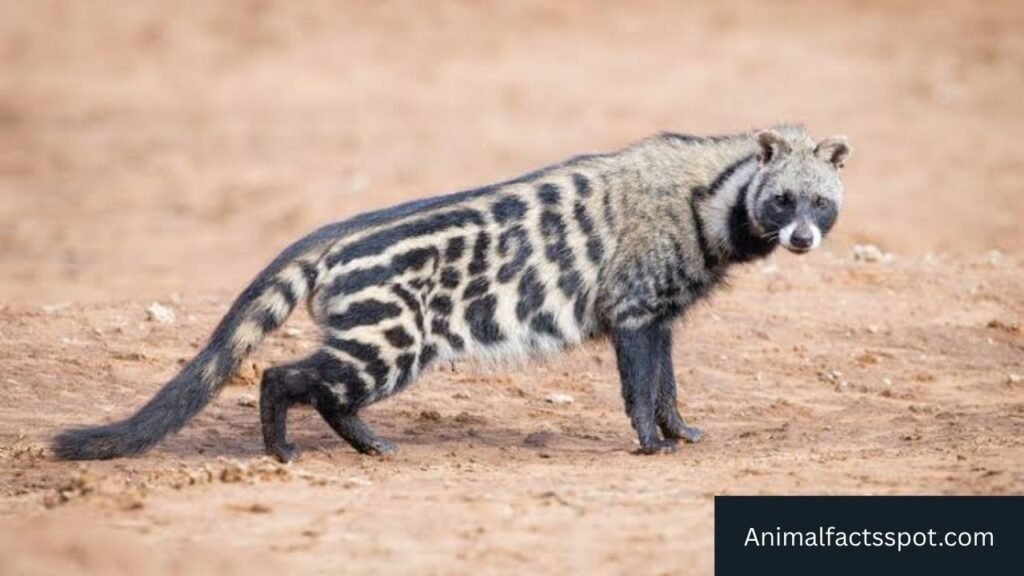
Moreover, the civet’s famed scent glands, which have historically been a source of civet musk used in perfumes, add an intriguing dimension to its existence. This strong, musky odor not only serves as a communication tool among civets but also plays a role in territorial marking. Interestingly, these scent glands also reflect a complex relationship with the environment and human interaction, illustrating both the allure and the challenges these animals face as their habitats dwindle. Observing the African civet in the wild evokes a sense of wonder, a reminder of the intricate web of life that thrives unseen in the shadows.
Otters
Scientific name: Lutrinae
Class: Mammalia
Diet: Carnivore
Otters, much like skunks, possess a unique charm that combines both playful antics and surprising adaptations. These aquatic mammals are known for their remarkable social behavior and intelligence, often seen sliding down mud or snowbanks, showcasing their love for play. Their curiosity mirrors that of a skunk’s fearless exploration of its surroundings, making them equally endearing to observers.
Interestingly, otters have a significant ecological role that parallels how skunks contribute to their environments. As skilled hunters, otters help maintain healthy aquatic ecosystems by controlling populations of fish and invertebrates. This natural regulation mirrors the skunk’s ability to manage insect populations, highlighting the interconnectedness of wildlife. Watching otters crack open shellfish with rocks reveals not just their ingenuity but also offers a glimpse into their tool-using prowess — a trait once thought to be unique to humans, adding another layer to their captivating nature.
Honey Badgers
Scientific name: Mellivora capensis
Class: Mammalia
Diet: Omnivore
Honey badgers, often overshadowed by their skunk counterparts, reveal an astonishing blend of courage and tenacity that challenges the very notion of animal bravery. Although not equipped with the skunk’s infamous spray, honey badgers wield an impressive arsenal of traits that make them formidable in the wild. Renowned for their fearless approach, these creatures can confront much larger predators — including lions and cobras — showcasing a remarkable blend of audacity and tactical intelligence.
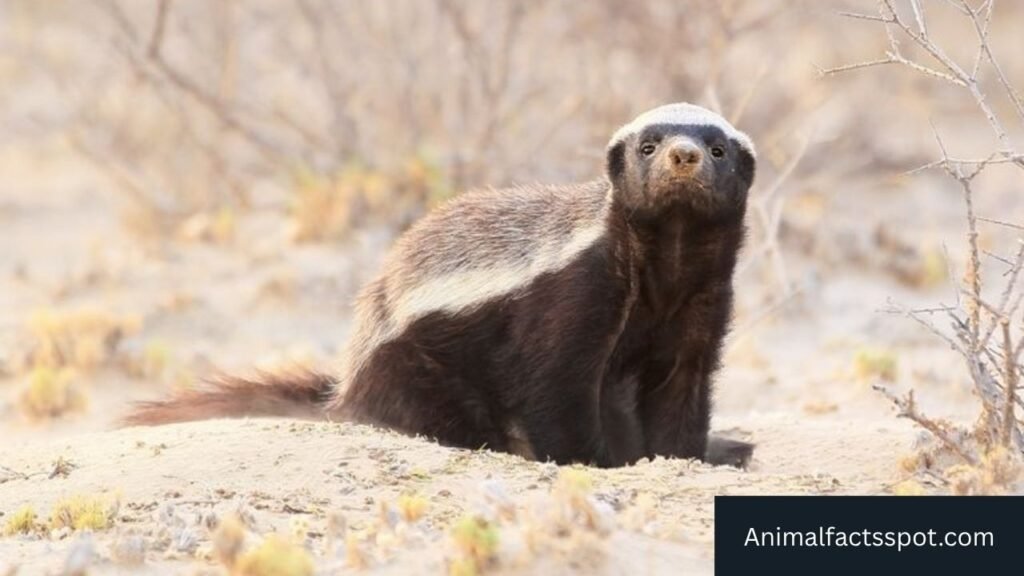
Moreover, honey badgers are nature’s mischief-makers. Their insatiable curiosity drives them to explore varied habitats, often leading to unexpected encounters. This adaptability not only enhances their survival but also adds an element of intrigue to their behavior. Observers might catch glimpses of them using tools — such as stones to break open beehives — revealing an advanced understanding of their environment that few might anticipate. With their ability to thrive in diverse climates, honey badgers inspire a deeper appreciation for the complexities of wildlife resilience and the intricate dance of predator and prey in the animal kingdom.
Stink badgers
Scientific name: Mydaus
Class: Mammalia
Diet: Omnivore
Stink badgers, often overshadowed by their more famous relative, the skunk, possess a captivating blend of charm and danger. Hailing from Southeast Asia, these small, elusive creatures are not just adept at producing foul odors; they also play a crucial role in their ecosystems. Their unique scent, which is far stronger and more pungent than that of skunks, serves as an effective deterrent against predators, allowing them to thrive in rugged environments where many other animals would falter.
Interestingly, stink badgers have evolved specific social behaviors around their notorious smell. Unlike skunks, they tend to be more solitary and elusive, using their olfactory defenses primarily for self-preservation. This has led researchers to wonder about the balance between their powerfully offensive scent and their overall mating strategies. In a world where scent often communicates danger or invitation, stink badgers have honed a masterclass in survival, showcasing how nature finds diverse solutions to familiar challenges. Exploring the life of the stink badger not only enhances our understanding of these fascinating creatures but also invites us to reconsider the narratives we attach to animal behavior and adaptation.
Tayra
Scientific name: Eira barbara
Class: Mammalia
Diet: Omnivore
Tayras, often overlooked in discussions about unique wildlife, are fascinating creatures that share a distant kinship with skunks. Found primarily in Central and South America, these agile members of the weasel family are equally striking with their sleek bodies and long, bushy tails. Unlike skunks, tayras lack the notorious scent glands that make their cousins infamous; instead, they rely on their impressive agility and ecological prowess to navigate the forest canopies and underbrush in search of fruits, small mammals, and birds.
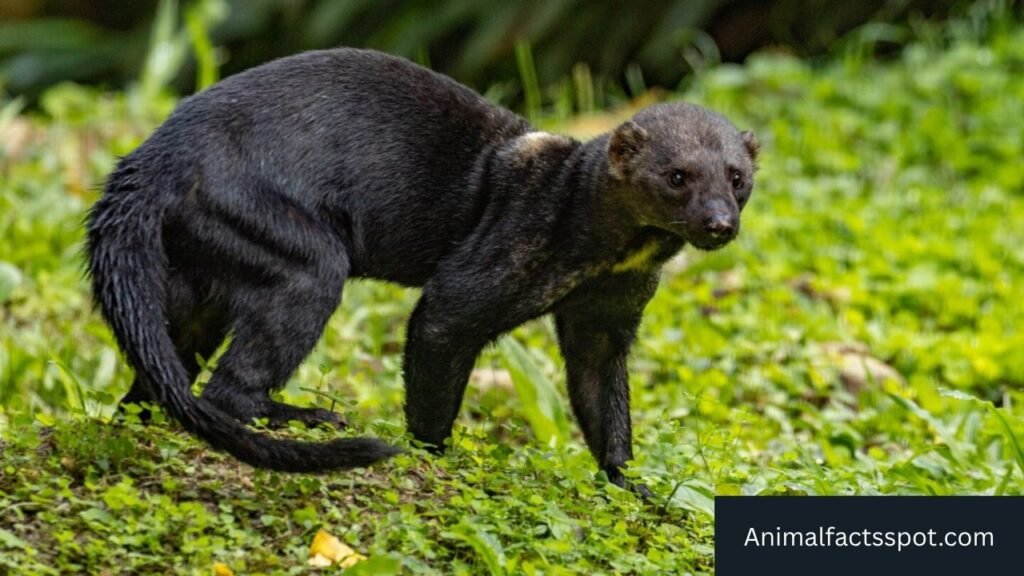
With their playful behavior and social structures, tayras are captivating not just for their physical attributes but also for their interactions within their ecosystems. They serve as crucial seed dispersers in their habitats, promoting forest health and biodiversity. Observing a tayra in its natural habitat can provide insight into the delicate balance of life in tropical ecosystems, revealing how even the most unassuming animals play vital roles in their environments. Their presence underscores the importance of conservation efforts in maintaining the rich tapestry of life that thrives in the shadows of towering trees.
Readmore: Explore Top 13 Animals Like Mongoose.
Conclusion
While skunks are often characterized by their distinct odor, they share interesting similarities with a variety of other animals. From the bold markings of the striped polecat to the defensive tactics of the European badger, these creatures remind us that nature is full of surprises. Each of these animals has developed unique adaptations to survive and thrive in their environments, much like skunks have. Understanding these similarities not only broadens our knowledge of animal behavior but also deepens our appreciation for biodiversity. Let’s commit to learning more about these incredible animals and work towards preserving their habitats for future generations.
FAQs
What animals are similar to skunks?
Animals similar to skunks include other members of the weasel family, such as otters, ferrets, and badgers. They share similar body shapes and habitats, often thriving in diverse environments.
What looks like a skunk but isn’t?
The striped polecat, often mistaken for a skunk, is a fascinating creature. Native to parts of Africa and the Mediterranean, it has a striking black and white striped pattern that resembles the skunk’s warning colors. However, these animals belong to the mustelid family, which is different from the skunk’s family of mephitidae.