Top 13 Animals Like Prairie Dogs (With Images)
These fascinating animals play a pivotal role in their ecosystems, much like other animals who share their social and environmental traits. In this article, we’ll explore a variety of animals like prairie dogs that exhibit remarkable behaviors and social structures. Understanding these creatures not only enriches our knowledge of biodiversity but also highlights the importance of conservation efforts.
List of Animals Like Prairie Dogs
Here is the list of animals like prairie dogs:
- American Beaver
- Domestic Ferret
- Groundhog
- Northern Short-Tailed Shrew
- American Mink
- Pocket Gopher
- Meerkat
- Kangaroo Rat
- Richardson’s Ground Squirrel
- Chipmunk
- Muskrat
- Yellow-bellied Marmot
- Pika
American Beaver
Scientific Name: Castor canadensis
Class: Mammalia
Diet: Herbivore
American beavers, like their prairie dog counterparts, exemplify the profound interconnection between wildlife and ecosystems. These industrious creatures are nature’s architects, shaping their environments by building complex dams that create wetlands — vital habitats for countless species. Unlike prairie dogs, whose burrows serve as communal homes and shelters, beavers’ lodges provide safety and warmth, showcasing their unique approach to social structure and habitat creation.
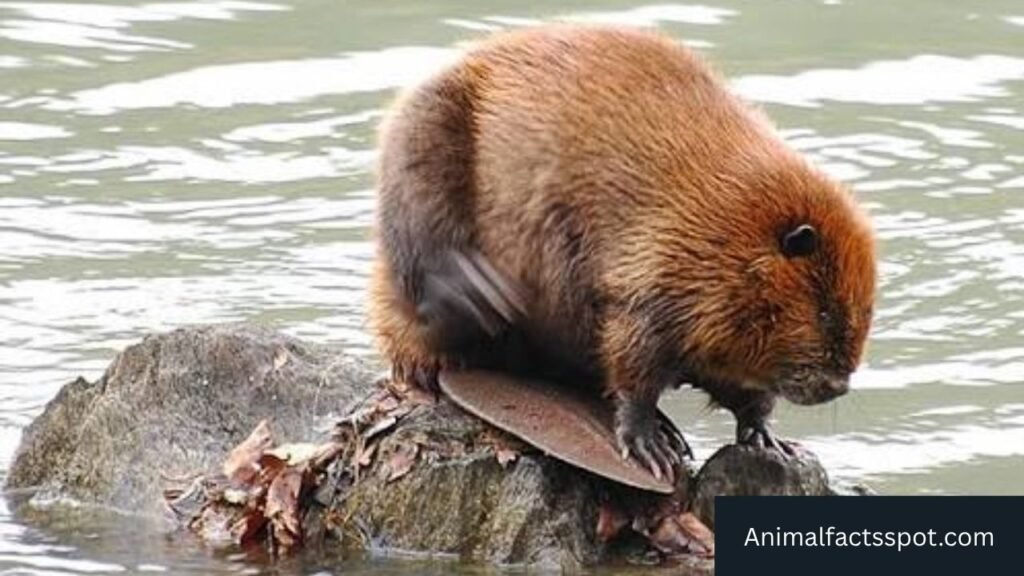
The environmental impact of beavers extends far beyond their immediate surroundings. Their dams slow down water flow, reducing erosion and enhancing water quality while fostering biodiversity. In essence, beavers act as ecological engineers, creating lush riparian zones that support a myriad of plants and animals. Observing these fascinating animals reminds us of the importance of preserving natural habitats and the intricate relationships within them; each creature plays a pivotal role that reverberates throughout the ecosystem.
Domestic Ferret
Scientific Name: Mustela putorius furo
Class: Mammalia
Diet: Carnivore
Domestic ferrets, much like prairie dogs, exhibit a fascinating blend of social behavior and curiosity that can captivate any pet owner. While prairie dogs thrive in extensive colonies, engaging in playful antics, ferrets also showcase a strong communal spirit. These small mammals, known for their playful nature, enjoy interacting with one another and their human companions, often displaying a remarkable intelligence that can be both charming and challenging. Watching a ferret burrow into a pile of blankets or scamper through an obstacle course resonates with the same whimsical energy that draws people to observe prairie dogs in their natural habitats.
What sets ferrets apart, however, is their striking adaptability and mischievous personalities. These little adventurers possess an innate ability to explore and manipulate their surroundings, making them expert problem solvers. Imagine a prairie dog’s intricate burrow system, but in miniature — ferrets can turn any space into a playground, using tunnels and nooks to create their own whimsical ecosystems. This adventurous spirit fosters a unique bond with their owners, transforming everyday interactions into lively explorations. Moreover, owning a ferret often uncovers a deeper appreciation for the complexities of animal behavior, drawing parallels between wild instincts and domesticated lives that enrich the human experience.
Groundhog
Scientific Name: Marmota monax
Class: Mammalia
Diet: Herbivore
Groundhogs, often overshadowed by their more urbanized counterpart, the prairie dog, boast a unique charm that captivates wildlife enthusiasts. These robust rodents, also known as woodchucks, are remarkable builders, creating intricate burrows that can extend over 30 feet underground. These subterranean dens serve multiple purposes, including nurseries, storage for food, and refuge from predators, showcasing their remarkable adaptation to survival in the wild.
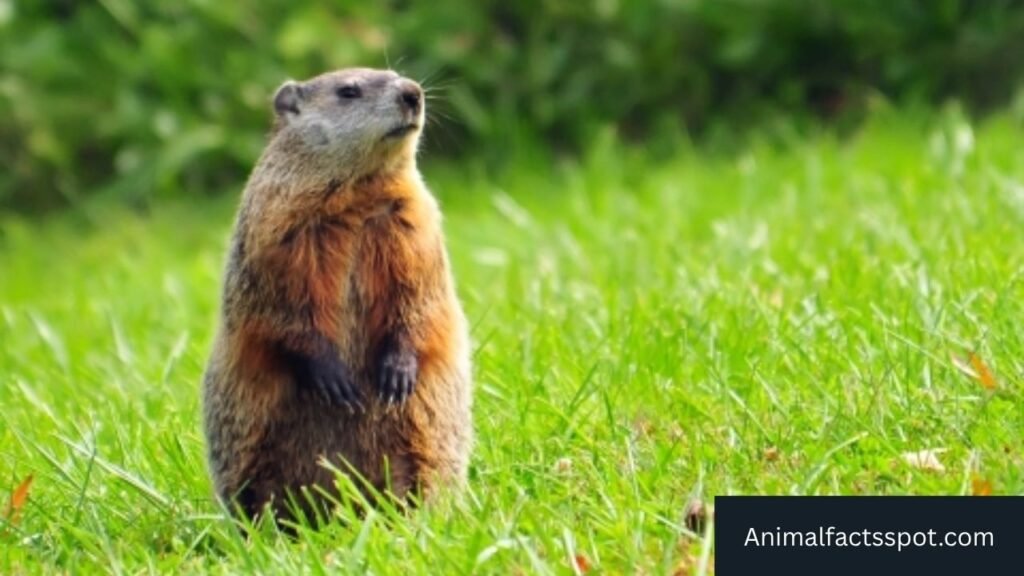
One fascinating aspect of groundhogs is their role in the ecosystem as both herbivores and indicators of environmental health. Their diet predominantly consists of grasses, clovers, and vegetables, and as they forage, they incidentally promote plant diversity by controlling species overgrowth. Moreover, their burrowing activities aerate the soil, benefiting local flora and enhancing ecological balance. Observing their patterns and interactions within their communities can reveal much about the health of their habitat and even offer insights into larger environmental shifts. Embracing the groundhog for its unique ecological contributions emphasizes the interconnectedness of nature, urging us to appreciate these often-overlooked creatures.
Northern Short-Tailed Shrew
Scientific Name: Blarina brevicauda
Class: Mammalia
Diet: Carnivore
The Northern Short-Tailed Shrew, often overshadowed by its more charismatic neighbors, plays a crucial role in maintaining the balance of its ecosystem. Unlike prairie dogs that live in complex colonies, these shrews lead a solitary life, navigating the underbrush with unmatched agility. Their high metabolic rate demands constant foraging, which enables them to consume a diet rich in insects, worms, and even small vertebrates. This predatory lifestyle makes them integral to controlling pest populations, showcasing their hidden power within the food web.
What sets the Northern Short-Tailed Shrew apart is its unique physiological adaptations, such as venomous saliva that allows it to immobilize prey quickly. This fascinating trait not only enhances their hunting efficiency but also highlights the intricate evolutionary processes at work within small mammals. Their presence signals a healthy environment, as they thrive in varied habitats, from woodland edges to grassy fields. In a world often captivated by larger animals, the shrew’s silent and industrious nature serves as a reminder of the vital, yet often unnoticed, roles that humble creatures play in preserving the delicate tapestry of nature.
American Mink
Scientific Name: Neovison vison
Class: Mammalia
Diet: Carnivore
American minks, members of the mustelid family, are as fascinating as they are elusive. These sleek, agile creatures thrive in diverse habitats, from wetlands to forests, where they display remarkable adaptability. Unlike prairie dogs, who create intricate burrowing colonies, minks are solitary hunters, employing a blend of stealth and speed to capture prey such as fish, amphibians, and small mammals. Their semi-aquatic lifestyle allows them to seamlessly transition between land and water, demonstrating a unique versatility that few mammals possess.
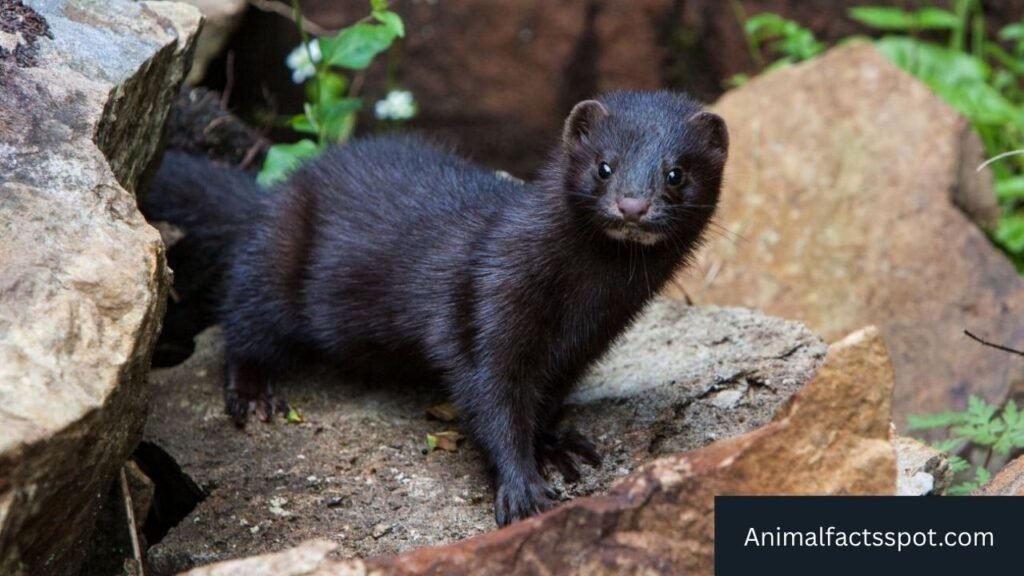
What sets minks apart is their playful intelligence. They engage in elaborate social behaviors, particularly during mating season, where their vocalizations and body language create a captivating display of courtship. This seemingly solitary animal can also be surprisingly social, sometimes seen frolicking in groups. The mink’s rich, dark fur, valued historically by fur traders, is a reminder of its ecological significance and the delicate balance of its habitat, emphasizing the impact of human activities on wildlife conservation. Understanding these traits offers a glimpse into the intricate web of life that sustains our ecosystems, prompting a deeper appreciation for every creature’s role, no matter how small.
Pocket Gopher
Scientific Name: Geomyidae
Class: Mammalia
Diet: Herbivore
Pocket gophers, much like their prairie dog counterparts, are fascinating creatures that inspire curiosity with their underground lifestyles. These small rodents are expert diggers, using their large front teeth to carve out extensive burrow systems. Their tunnels serve not just as homes, but also as elaborate networks that play a pivotal role in soil aeration and nutrient distribution. While prairie dogs are known for their sociable, colony-based living habits, pocket gophers tend to be more solitary, only coming together during mating season.
Interestingly, pocket gophers have an impressive array of adaptations that help them thrive underground. Their fur-lined cheek pouches allow them to transport food back to their burrows efficiently, indicating a lifestyle intimately tied to their environment. They possess robust limbs and broad claws, making them proficient at moving soil. This solitary existence does not diminish their ecological impact; their tunneling helps foster healthier ecosystems by enabling water infiltration and promoting plant diversity. Exploring the world of pocket gophers reveals the understated yet crucial role they play in their habitats, showcasing that the smallest creatures can leave a significant mark on our environment.
Meerkat
Scientific Name: Suricata suricatta
Class: Mammalia
Diet: Omnivore
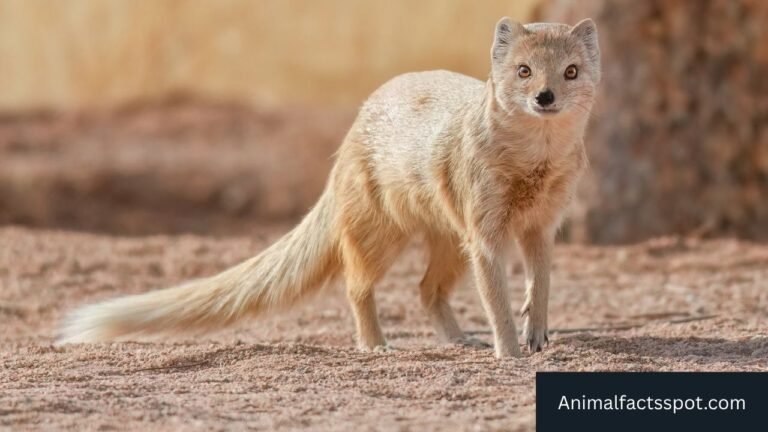
Meerkats, often celebrated for their playful demeanor and social structures, offer a fascinating glimpse into cooperative living among animals. These small, agile mammals inhabit the arid regions of Southern Africa, where their communication skills and hive mentality allow them to thrive in harsh environments. Unlike many solitary creatures, meerkats operate within tight-knit family groups, showcasing a unique system of sentinel behavior. One member stands guard while others forage, a stunning example of altruism that enhances their survival odds against predators.
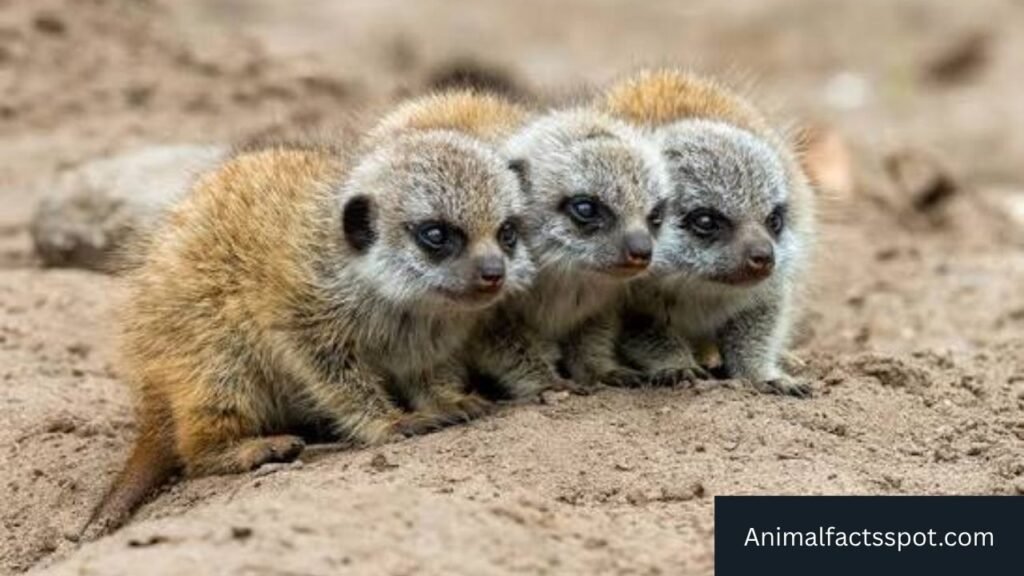
What truly sets meerkats apart is their ability to adapt their behavior based on environmental cues and threats. These creatures exhibit an impressive range of vocalizations, allowing them to convey complex messages about the presence of danger. Their keen sense of hearing and sharp eyesight enhance this communication, demonstrating an intricate awareness of their surroundings. Moreover, their social interactions extend beyond mere survival; they engage in grooming and play, which strengthens bonds within the group and promotes a strong community ethos. In a world where collaboration often leads to success, meerkats illustrate the profound impact of teamwork in the animal kingdom.
Kangaroo Rat
Class: Mammalia
Scientific Name: Dipodomys
Diet: Herbivore
Meerkats, often celebrated for their playful demeanor and social structures, offer a fascinating glimpse into cooperative living among animals. These small, agile mammals inhabit the arid regions of Southern Africa, where their communication skills and hive mentality allow them to thrive in harsh environments. Unlike many solitary creatures, meerkats operate within tight-knit family groups, showcasing a unique system of sentinel behavior. One member stands guard while others forage, a stunning example of altruism that enhances their survival odds against predators.
What truly sets meerkats apart is their ability to adapt their behavior based on environmental cues and threats. These creatures exhibit an impressive range of vocalizations, allowing them to convey complex messages about the presence of danger. Their keen sense of hearing and sharp eyesight enhance this communication, demonstrating an intricate awareness of their surroundings. Moreover, their social interactions extend beyond mere survival; they engage in grooming and play, which strengthens bonds within the group and promotes a strong community ethos. In a world where collaboration often leads to success, meerkats illustrate the profound impact of teamwork in the animal kingdom.
Richardson’s Ground Squirrel
Scientific Name: Urocitellus richardsonii
Class: Mammalia
Diet: Herbivore
Richardson’s Ground Squirrel, often mistaken for a prairie dog due to their similar habitats and social behaviors, boasts a remarkable adaptability that adds layers to their ecological narrative. Found mainly in the grasslands of North America, these small mammals exhibit a fascinating blend of communal living and individual quirks. Their burrow systems not only serve as a home but as a bustling subterranean metropolis, complete with escape routes and food storage. This structured lifestyle is vital, as it helps them thrive amid predation and environmental challenges.
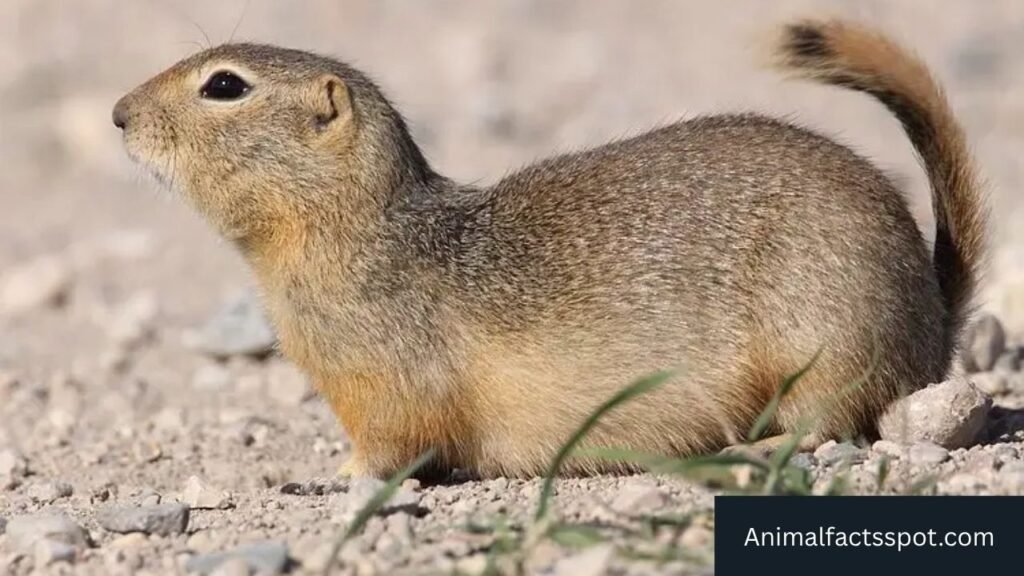
What makes Richardson’s Ground Squirrel particularly intriguing is their communication system. They employ a series of chirps and whistles to signal danger, akin to a sophisticated alarm system. This vocal behavior is not merely a means of survival; it also fosters community cohesion, reinforcing social bonds within their colonies. Unlike the often static image of rodents, these squirrels are engaging participants in their ecosystem, even influencing the growth patterns of surrounding flora through their foraging habits. As they burrow, they aerate and enrich the soil, playing an essential role in maintaining the grassland ecosystem. Observing them offers a window into a world of intricate relationships, where every sound and action contributes to a dynamic balance of life.
Chipmunk
Scientific Name: Tamias
Class: Mammalia
Diet: Omnivore
Chipmunks, like their prairie dog cousins, embody the spirit of communal living and have adapted ingeniously to their environments. These small, striped mammals exhibit remarkable social behaviors, often seen frantically gathering nuts and seeds while chattering busily to one another. Their rapid movements and high-pitched call create a lively atmosphere, reminiscent of a bustling neighborhood as they scurry through forests and gardens in search of food.
What sets chipmunks apart is their extraordinary ability to hoard. Unlike some animals that store food in communal caches, chipmunks stash their finds in individual burrows, creating a personal pantry for the winter months. This fascinating behavior not only helps them survive harsh seasons but also contributes to forest ecology, as forgotten seeds may sprout into new plants, fostering biodiversity.
Muskrat
Scientific Name: Ondatra zibethicus
Class: Mammalia
Diet: Herbivore
Muskrats, much like prairie dogs, epitomize the intricate ties between animals and their environments. These semi-aquatic rodents are master engineers, constructing elaborate burrow systems and lodges that mirror the interconnected communities of prairie dog towns. Their burrows, often located at the water’s edge, create vital habitats that not only benefit muskrats but also attract a variety of other wildlife, from frogs to fish. This symbiotic relationship showcases the concept of ecosystem engineering, where one species can profoundly shape its habitat and influence the surrounding biodiversity.
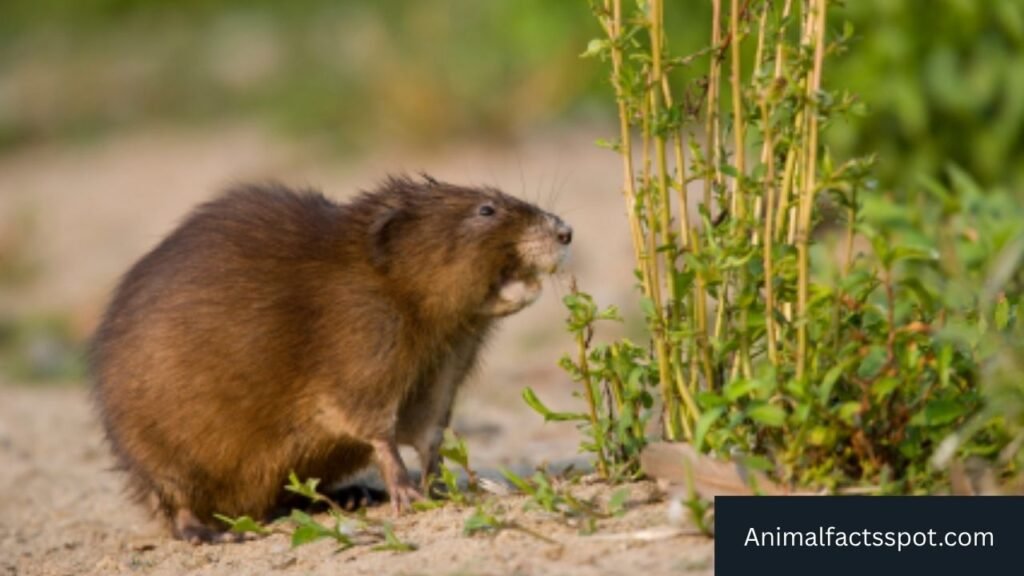
Their social structures, while less organized than those of prairie dogs, reveal fascinating aspects of communal living. Muskrats can often be seen foraging in pairs or small family units, engaging in coordinated behaviors to evade predators. This cooperative lifestyle not only helps in locating food but also enhances their chances of survival. Surprisingly adaptable, muskrats are just as comfortable navigating bustling waterways as they are in more tranquil ponds, underscoring their resilience. Observing these small creatures provides a window into the intricate balances of nature, reminding us of the importance of preserving such habitats to maintain ecological health and diversity.
Yellow-bellied Marmot
Scientific Name: Marmota flaviventris
Class: Mammalia
Diet: Herbivore
The yellow-bellied marmot, a charming rodent native to the Rocky Mountains, offers an intriguing glimpse into the complex social dynamics of animal communities. Unlike their prairie dog cousins, these marmots favor steeper terrains, shaping their burrows in rocky outcrops and meadows. While they may seem less gregarious at first glance, these creatures thrive in closely-knit family groups, exhibiting a fascinating blend of independence and cooperation. During the summer months, they can be spotted basking in the sun or engaging in sentinel behavior, taking turns to watch for predators while others forage.
Their vocalizations, a range of whistles and chirps, serve as an essential communication tool, alerting others to potential dangers even across great distances. This alertness enables marmots to maintain a delicate balance with their ecosystem, as their grazing patterns can influence plant diversity in their habitats. Moreover, their hibernation behavior is a marvel of adaptation; these furry critters enter a deep state of torpor, living off stored fat through harsh winters, before emerging to greet the warmth of spring. Observing the yellow-bellied marmot reveals not just a unique species, but also the interconnectedness of life in mountain landscapes, reminding us that every creature plays a vital role in the tapestry of Nature.
Pika
Scientific Name: Ochotona
Class: Mammalia
Diet: Herbivore
Pikas, small mammalian relatives of rabbits, capture the imagination with their remarkable adaptations to life in the harsh alpine environment. Unlike their more commonly known cousins, these adorable creatures thrive at high elevations, where they scurry among rocky slopes, collecting grasses and wildflowers. Their unique vocalizations serve as both communication tools and alerts to potential predators, establishing a dynamic social structure despite their solitary foraging habits. Interestingly, pikas display a unique behavior known as “haypiling,” where they meticulously gather and store vegetation in their burrows to survive the long winter months when food is scarce.
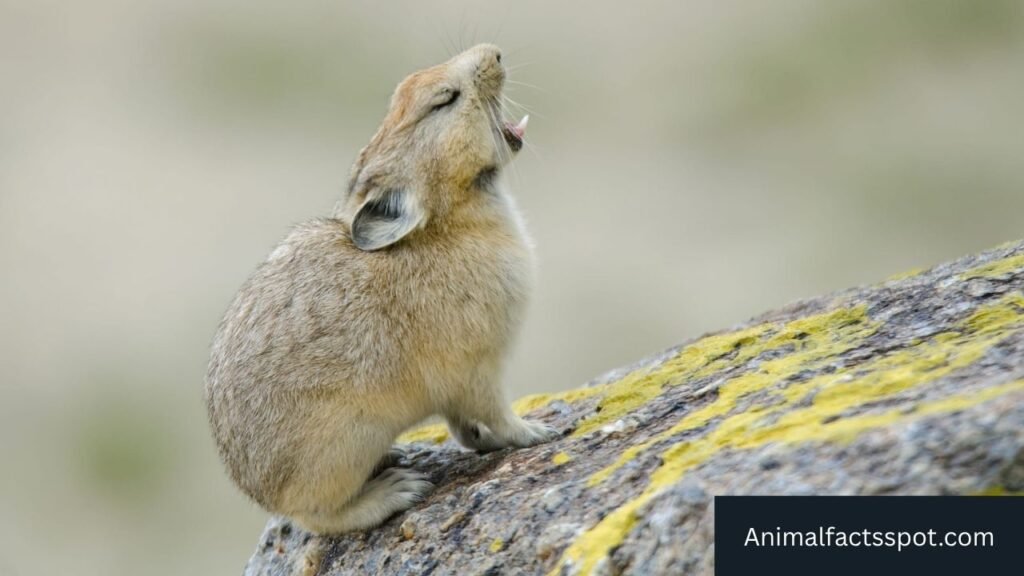
But what truly sets pikas apart is their sensitivity to climate change. As temperatures rise, these little foragers face an existential threat, with many populations forced to move to higher altitudes in search of cooler habitats. This phenomenon not only alters their natural behavior but also impacts the ecosystem, as pikas play a crucial role in the alpine food web. By observing and conserving these resilient creatures, we can gain insight into the broader ecological shifts occurring in our rapidly changing world, making pikas not just animals of interest but vital indicators of environmental health.
Readmore: Explore Top 10 Animals Like Armadillos.
Final Thoughts
Exploring animals that resemble prairie dogs reveals a rich tapestry of life that thrives in diverse habitats. Species such as gophers and groundhogs not only exhibit similar social structures but also play crucial roles in their respective ecosystems. By studying these animals, we gain insight into their unique adaptations and the challenges they face. Each of them reminds us of the beauty and complexity of nature, urging us to be vigilant stewards of the environment. Join the movement to protect these incredible species and their habitats for future generations.
FAQs
What animals are similar to prairie dogs?
Prairie dogs are closely related to a few other members of the family Sciuridae, particularly ground squirrels. Like prairie dogs, ground squirrels live in burrows and have a social structure, often forming colonies. They share similar diets, primarily consisting of grasses and seeds, and communicate using a range of vocalizations to alert their colonies about predators. Another similar animal is the meerkat. While not a rodent, meerkats also live in large groups and exhibit complex social behaviors. They dig extensive tunnel systems for shelter and food, and have a fascinating social hierarchy where individuals take on specific roles within the group, similar to prairie dog communities.
What animal is closely related to prairie dogs?
Prairie dogs are closely related to squirrels. Both belong to the family Sciuridae, which includes various species of rodents. You might also find similarities in their social behavior and habitat preferences, as both animals tend to live in groups and make burrows in the ground.
Are gophers and prairie dogs related?
Yes, gophers and prairie dogs are related, but they belong to different families within the rodent order. Both are part of the Sciuridae family, which includes squirrels, but they are classified under distinct groups. Gophers belong to the Geomyidae family, while prairie dogs are members of the Cynomys genus. Despite their differences — gophers typically being solitary burrowers and prairie dogs living in social colonies — they share some similarities in behavior and habitat. Both species dig complex burrow systems and play important roles in their ecosystems.