Top 10 Animals Like Armadillos (With Pictures)
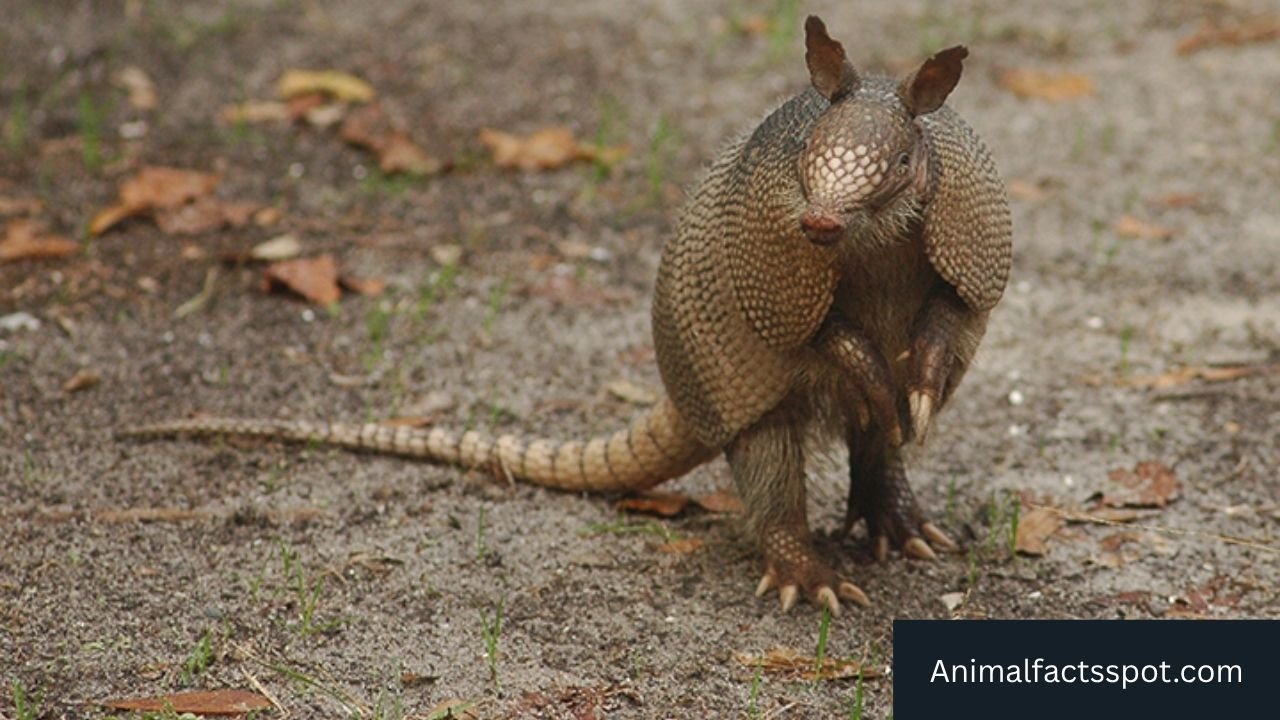
Animals like armadillos provide essential clues to understanding evolution and resilience in nature. This article will dive into a variety of unique species that showcase similar adaptations, demonstrating just how interconnected life on Earth can be. Prepare to be fascinated by what these creatures reveal about our planet’s biodiversity.
List of Animals Like Armadillos
Below is the list of animals that are like armadillos:
- Galapagos tortoise
- Sloths
- Diabolical Ironclad Beetles
- Aardvarks
- Armadillo Girdled Lizard
- Porcupines
- Hedgehogs
- Pangolin
- Anteater
- Crocodile
Galapagos tortoise
Scientific name: Chelonoidis niger
Class: Reptilia
Diet: Herbivore
The Galapagos tortoise, a colossal reptile native to the unique ecosystems of the Galapagos Islands, embodies resilience and adaptability in ways that parallel the armadillo. Both creatures showcase remarkable evolutionary traits, shaped by their environments. The tortoise’s enormous size offers a fascinating contrast to the shelter-seeking nature of the armadillo, yet both exemplify survival strategies suited to their habitats. For instance, Galapagos tortoises can survive for months without water, storing it in their bodies, much like armadillos can endure droughts by utilizing their burrowing skills to find moisture underground.
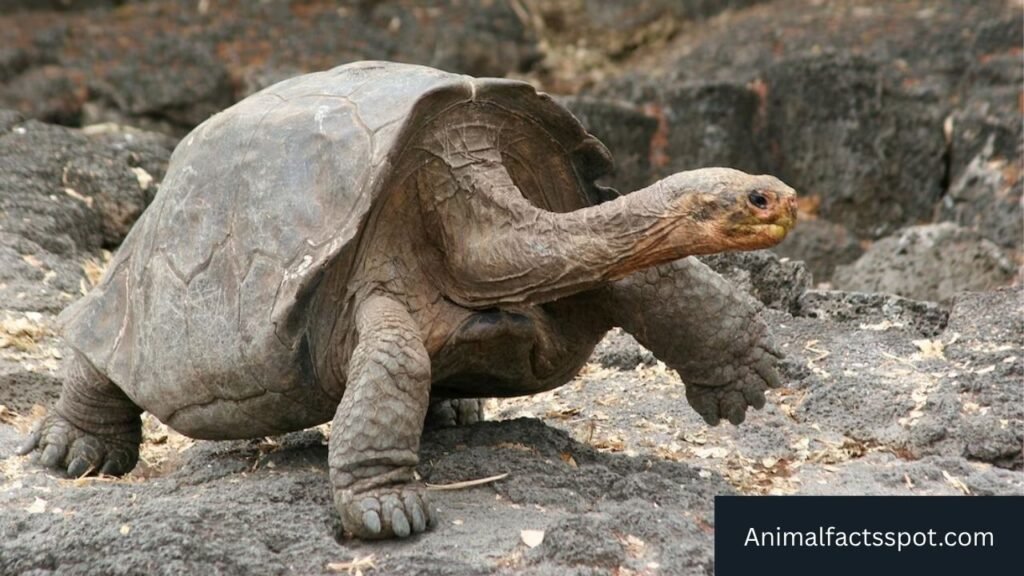
Another captivating aspect of the Galapagos tortoise is its role in the islands’ ecosystem, akin to how armadillos impact their surroundings. By grazing on native vegetation, tortoises contribute to seed dispersal, promoting biodiversity. Interestingly, they can also help maintain the ecological balance of their islands by preventing overgrowth in specific plant species. Similarly, armadillos aerate the soil as they dig, supporting plant health and contributing to a thriving ecosystem. These interconnected roles illustrate how both animals, while seemingly distinct, play essential parts in their respective environments, reminding us of the intricate tapestry of life that binds us all together.
Sloths
Class: Mammalia
Diet: Herbivore
Sloths, much like armadillos, offer a fascinating glimpse into the world of slow living. These creatures are renowned for their lethargic lifestyle, hanging upside down in trees for most of their lives. This unhurried approach is not just a quirky trait; it’s a well-adapted strategy for survival. By remaining motionless for extended periods, sloths evade the prying eyes of predators, allowing leaves and other vegetation to comprise their diet without the stress of constant movement.
What sets sloths apart, however, is their unique symbiotic relationship with algae, which grows on their fur. This not only provides them with additional camouflage but also supports an entire ecosystem of tiny organisms. The notion that sloths are just lazy animals fades when you realize their bodies host a microhabitat, turning their very existence into a thriving community. This intricate web of life among the trees underscores the delicate balance of ecosystems, revealing that even the slowest of animals can play pivotal roles in their environments.
Readmore: Explore Top 17 Animals Like Capybara.
Diabolical Ironclad Beetles
Scientific name: Phloeodes diabolicus
Class: Insecta
Diet: Detritivore
The diabolical ironclad beetle, a marvel of natural engineering, showcases resilience that rivals even the toughest armor. Found primarily in the arid landscapes of California, these beetles boast an exoskeleton that can withstand immense pressure — up to 39,000 times their body weight. This extraordinary durability isn’t just for show; it serves as a defense mechanism against predators and the harsh elements. Imagine a creature so well-protected that it has been observed withstanding the weight of a human foot without even cracking a leg!
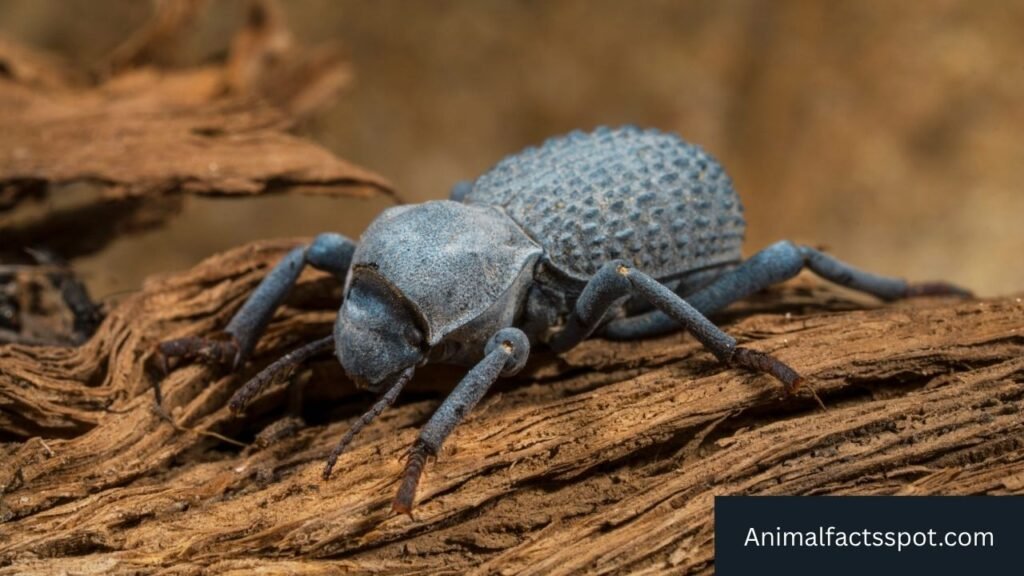
What sets the diabolical ironclad beetle apart is its ingenious structural design, which is a blend of nature’s artistry and evolutionary wisdom. Scientists have found that the beetle’s body is layered like an intricate puzzle, with interlocking structures that absorb impact and distribute stress efficiently. This innovative design has piqued the interest of engineers and material scientists, who see potential applications in creating stronger, more resilient materials for everything from aerospace to military equipment. The beetle not only survives in a challenging environment; it teaches us invaluable lessons about strength, adaptability, and the brilliant intricacies of evolution.
Aardvarks
Scientific name: Orycteropus afer
Class: Mammalia
Diet: Insectivore
Aardvarks, often overshadowed by their more charismatic counterparts, are fascinating creatures that share an intriguing kinship with armadillos, both being nocturnal foragers adapted to unique ecosystems. Despite their differing habitats — armadillos make their homes in the Americas, while aardvarks are native to Africa — these animals showcase a remarkable evolutionary parallelism in their specialized diets. Aardvarks primarily feast on ants and termites, using their elongated snouts and powerful digging claws to penetrate hardened mounds, much like armadillos’ ability to unearth insects from the ground.
What truly sets aardvarks apart is their role in their ecosystem as engineers and recyclers. As they burrow and forage, they aerate the soil, allowing water and nutrients to penetrate deeper — a vital contribution to the health of savannah and woodland areas. This symbiotic relationship with their environment often goes unnoticed, yet it underscores the interconnectedness of life forms. Moreover, their unique adaptations — like their keen sense of smell and nocturnal habits — offer a glimpse into the wonders of evolution and survival that echo the life of armadillos, reminding us of the diverse strategies species adopt to thrive in their ecological niches.
Armadillo Girdled Lizard
Scientific name: Ouroborus cataphractus
Class: Reptilia
Diet: Insectivore
The Armadillo Girdled Lizard, a fascinating inhabitant of South Africa’s arid landscapes, captivates both enthusiasts and casual observers alike with its unique adaptations. Unlike most lizards, it possesses the ability to curl into a tight ball when threatened, much like its namesake, the armadillo. This defensive mechanism not only offers protection from predators but also showcases the lizard’s evolved prowess for survival in harsh environments.
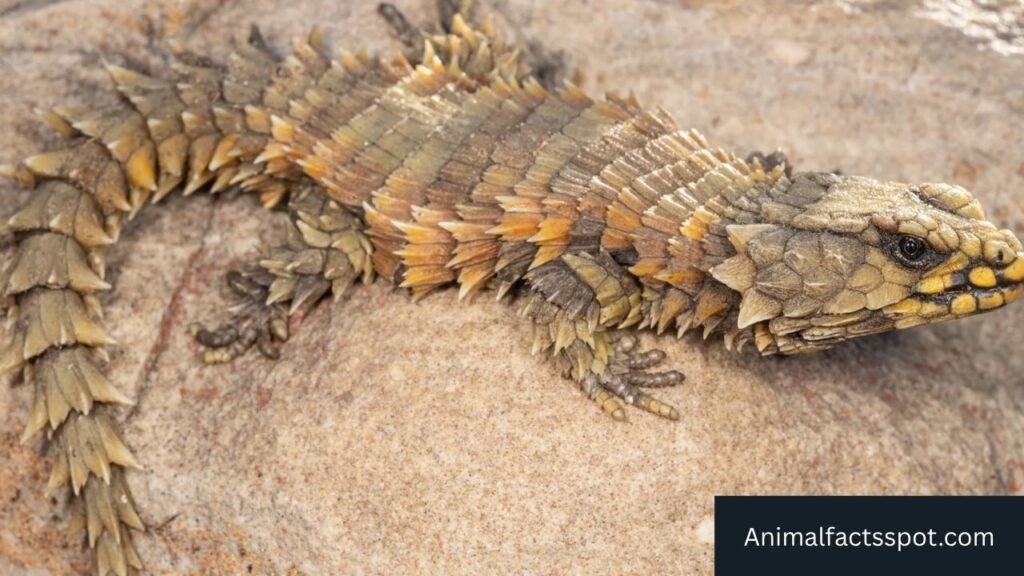
What sets this creature apart is its impressive social behavior and intricate communication. These lizards often engage in social interactions that resemble playful behaviors, including head-bobbing and tail-lifting, suggesting a deeper layer of complexity in their social structures. Their diet further distinguishes them; primarily insectivorous, they exhibit a preference for dung beetles, contributing to their unique ecological niche. By understanding creatures like the Armadillo Girdled Lizard, we gain insight into the adaptability of life in extreme conditions and the intricate relationships that sustain ecosystems.
Porcupines
Class: Mammalia
Diet: Herbivore
Porcupines, like armadillos, possess unique adaptations that serve as both a defense mechanism and a means of survival in an often hostile environment. With their quilled backs, these creatures turn a potential predator’s enthusiasm into hesitation. The quills, modified hairs coated with a barbed tip, detach easily when a predator tries to attack, rendering the encounter more dangerous for the would-be aggressor. Unlike many other animals that rely on speed or flight, porcupines demonstrate that sometimes, standing one’s ground is the best strategy.
Moreover, porcupines are surprisingly social creatures, often found sharing trees and territories with one another. They exhibit complex behaviors, such as scent-marking and vocalizations that communicate their emotions and social standings. This social dynamic adds a fascinating layer to their seemingly solitary existence, reminding us that even the prickliest of creatures can form bonds and engage in community life. Their dietary habits also reveal an intriguing aspect of their adaptability; primarily herbivorous, they forage for bark, leaves, and fruits, showcasing a niche that few other mammals exploit. This versatility allows them to thrive in diverse environments, shedding light on how even the most unassuming animals contribute to the balance of their ecosystems.
Hedgehogs
Class: Mammalia
Diet: Omnivore
Hedgehogs, much like armadillos, are a fascinating blend of adorable quirks and unique adaptations. These small mammals, found across Europe, Asia, and Africa, boast a distinct spiky coat that acts as an effective defense mechanism against predators. When threatened, a hedgehog curls into a tight ball, showcasing its formidable array of spines. This behavior not only protects them but also serves as an evolutionary marvel, reminding us of nature’s ingenuity in safeguarding vulnerable creatures.
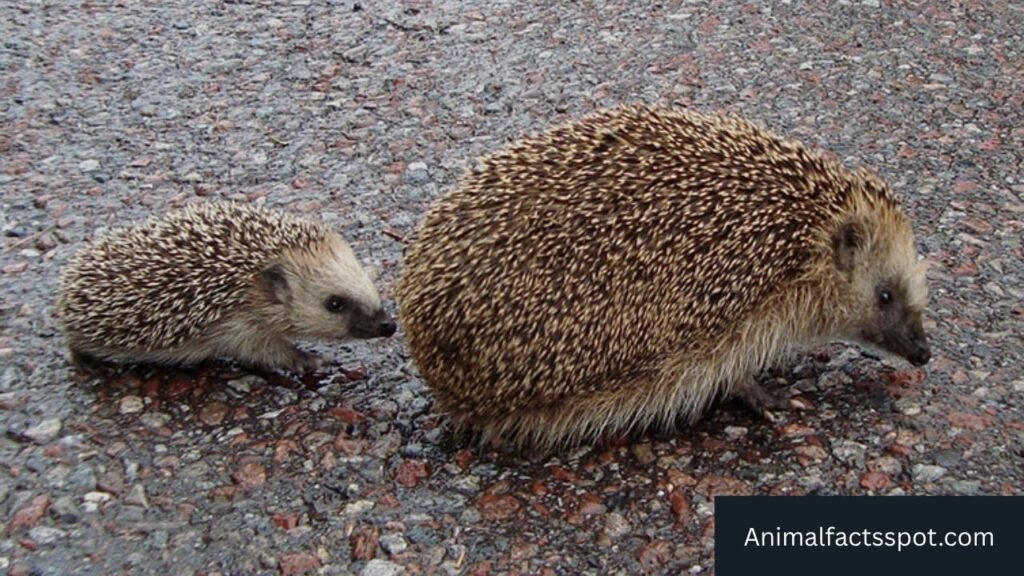
Beyond their prickly exterior lies a world of intriguing behaviors and social structures. Hedgehogs are primarily nocturnal, employing their keen sense of smell and hearing to navigate the night as they hunt for insects, snails, and berries. Interestingly, they exhibit a level of curiosity and playfulness that can transform their solitary existence into something more dynamic when raised in human care. The growing trend of hedgehogs as pets highlights not just their charm but also the deeper connections humans can forge with wildlife, urging up a conversation about conservation and animal welfare, reminding us that every creature, big or small, plays a vital role in our ecosystem.
Pangolin
Scientific name: Pholidota
Class: Mammalia
Diet: Insectivore
The pangolin, often dubbed the world’s most trafficked mammal, presents a fascinating paradox of vulnerability and resilience. Resembling a walking artichoke with its protective keratin scales, this enigmatic creature rolls into a ball when threatened, a remarkable defense mechanism that belies its delicate nature. Unlike many other mammals, pangolins possess a unique trait — an ability to consume vast quantities of ants and termites, thanks to their elongated, sticky tongues that can extend up to 16 inches.
Beyond their remarkable diet, pangolins offer a compelling glimpse into the interconnectedness of ecosystems. Their burrowing habits aerate the soil and facilitate nutrient cycling, making them unsung heroes of their habitats. Unfortunately, their mesmerizing scales — once thought to confer mystical properties — have led to intense poaching pressure. This stark reality highlights the urgent need for conservation efforts that not only protect pangolins but also educate communities about the importance of biodiversity. In a world increasingly dominated by industrialization, the pangolin stands as a poignant reminder of nature’s intricate designs and the perils of humanity’s disregard for the delicate balance of life.
Anteater
Class: Mammalia
Diet: Insectivore
With their elongated snouts and specialized claws, anteaters embody a unique niche within the animal kingdom, much like their distant relatives, the armadillos. Adapted for a diet primarily consisting of ants and termites, these fascinating creatures navigate their habitats with a strategic grace. Unlike armadillos that rely on their bony armor for protection, anteaters have developed a different form of defense: their impressive sense of smell, allowing them to detect food sources, and their powerful forelimbs, which can break into insect mounds with surprising ease.
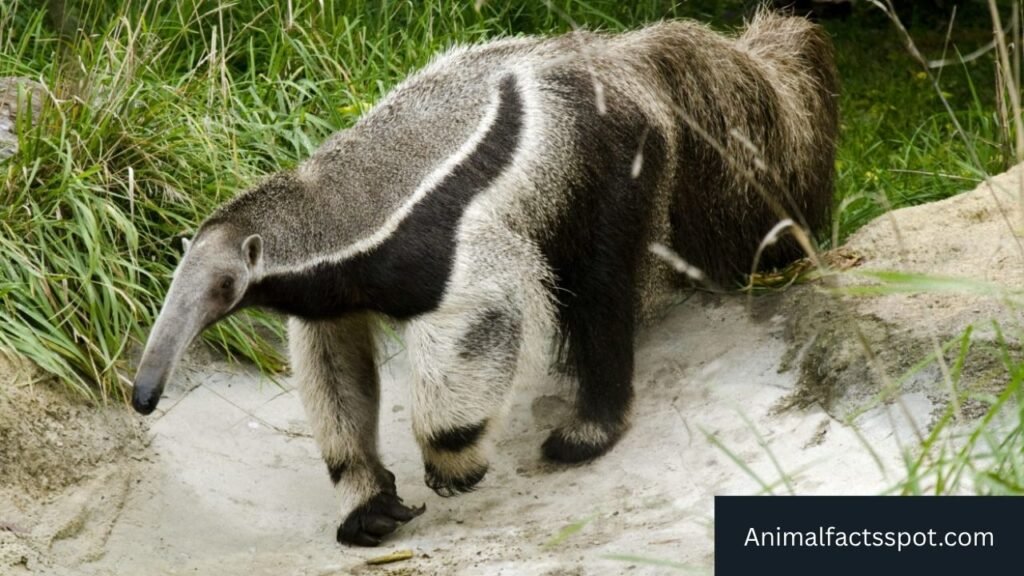
Beyond their culinary expertise, anteaters are also intriguing social creatures. While they are often seen as solitary animals, certain species have been observed in more social settings, sometimes sharing territory or foraging zones. Their slow, languid movements might give the impression of lethargy, yet there’s a remarkable agility hidden beneath the surface, enabling them to navigate both dense forests and open grasslands. By appreciating anteaters in the context of their evolutionary adaptations and behaviors, we gain a deeper understanding of the intricate web of life they contribute to in their ecosystems.
Crocodile
Scientific name: Crocodylidae
Class: Reptilia
Diet: Carnivore
Crocodiles, much like armadillos, have developed unique adaptations that exemplify the marvels of evolution. While armadillos sport a tough, bony armor to protect themselves from predators, crocodiles possess an impenetrable hide reinforced with scutes, allowing them to thrive both on land and in water. This dual existence makes them fascinating study subjects for evolutionary biologists, who often highlight how these ancient reptiles have remained largely unchanged for millions of years, akin to the way armadillos have retained their distinctive armor in the face of environmental shifts.
Beyond their shared defensive traits, both animals showcase remarkable survival skills. Crocodiles, masters of ambush, rely on stealth and patience to capture prey, often lying motionless for hours. In contrast, armadillos deploy their quick reflexes to burrow underground when threatened. Their differing strategies epitomize how species adapt to their environments — one leveraging brute force and power, the other employing speed and agility. Together, they remind us of nature’s boundless creativity in crafting survival mechanisms, each a testament to the intricate web of life on our planet.
Readmore: Explore Top 12 Animals Like Sugar Glider.
Final Thoughts
While armadillos are unique creatures with their distinctive armor and burrowing habits, several other animals share similar traits. From the protective shells of tortoises to the spiny defenses of porcupines, each of these animals showcases fascinating adaptations for survival. Moreover, exploring their behaviors and habitats reveals the rich diversity of the animal kingdom, highlighting how evolution shapes life in various environments. Understanding these connections can deepen our appreciation for wildlife and the various roles these species play in their ecosystems.
FAQs
What animal looks like an armadillo?
One notable example is the pangolin. These scaly mammals have a similar, rounded body and can curl into a ball for protection, much like armadillos do. However, pangolins are covered in keratin scales rather than the bony plates seen in armadillos.
What animals are similar to armadillo?
One of the closest relatives is the anteater, particularly the tamandua species. Like armadillos, anteaters have long snouts and possess a diet primarily consisting of insects, especially ants and termites. Their bodies are adapted for digging and foraging, much like the armadillo’s. Another similar animal is the pangolin, which also has a protective armor-like covering. Pangolins are covered in scales made of keratin and are found in Asia and Africa. They, too, have similar foraging habits, primarily feeding on ants and termites. Both armadillos and pangolins have heavily specialized adaptations for a burrowing lifestyle, making them fascinating examples of convergent evolution in the animal kingdom.