Top 10 Animals That Look Like Cats (With Pictures)
The animal kingdom is full of surprises, with various species bearing striking resemblances to our feline companions. In this article, we delve into animals that look like cats, shedding light on their characteristics and habitats. You’ll gain insights into these intriguing creatures and learn how they fit into the tapestry of our shared planet.
List of Animals That Look Like Cats
Below is the list of animals like cats:
| Number of Animals | Animals That Look Like Cats |
| 1 | Ocelot |
| 2 | Fossa |
| 3 | Fennec Fox |
| 4 | Kinkajou |
| 5 | Serval |
| 6 | Genet |
| 7 | Margay |
| 8 | Asian Palm Civet |
| 9 | Marten |
| 10 | Caracal |
Ocelot
Scientific Name: Leopardus pardalis
Class: Mammalia
Diet: Carnivorous
The ocelot, with its strikingly beautiful coat resembling that of a domestic cat turned wild, is a master of camouflage in its natural habitat. Sporting a dappled pattern of spots and streaks, this medium-sized feline captivates anyone who catches a glimpse of it in the forests and grasslands of Central and South America. Unlike house cats, ocelots are adept climbers and swimmers, showcasing a level of agility that leaves admirers in awe. This adaptability allows them to hunt both on land and in water, preying on a diverse menu ranging from rodents to birds.
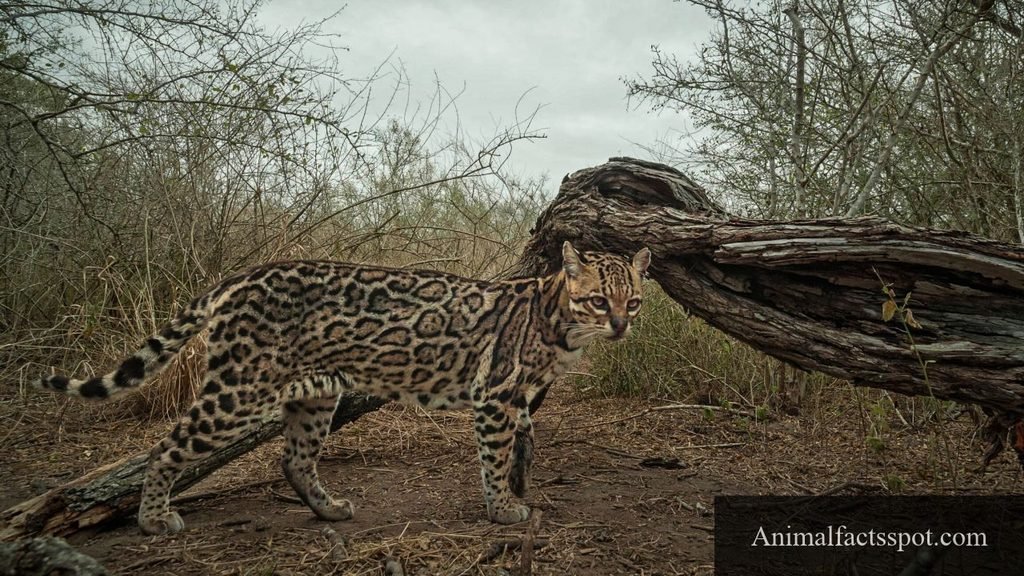
Beyond their physical allure, ocelots possess a complex social behavior that often mirrors the nuanced interactions of our beloved house cats. While they are generally solitary creatures, their vocalizations reveal a rich tapestry of communication, from the melodious sounds of purring to the sharp cries of distress. As we admire their striking appearance, it’s essential to consider the conservation efforts needed to protect these enchanting felines, ensuring that future generations can appreciate their wild beauty.
Fossa
Scientific Name: Cryptoprocta ferox
Class: Mammalia
Diet: Carnivorous
The fossa, a remarkable carnivore native to Madagascar, often surprises those who first encounter it. Though it may resemble a sleek cat with its elongated body and expressive features, the fossa belongs to a completely different family altogether. With its agile frame and strong limbs, the fossa is an adept climber, allowing it to navigate the island’s dense forests with remarkable ease.
One of the fossa’s striking characteristics is its remarkable hunting ability. It preys primarily on lemurs, employing stealth and agility to stalk its targets. This predatory skill set renders it a crucial player in Madagascar’s ecosystem, helping to maintain a balance among species. Interestingly, the fossa has developed unique adaptations to its environment, such as a flexible ankle joint that enables it to leap between branches, highlighting the incredible ways species evolve to thrive in their specific habitats.
Fennec Fox
Scientific Name: Vulpes zerda
Class: Mammalia
Diet: Omnivorous
With ears that seem almost too large for its small frame, the fennec fox is a striking desert-dweller that captures the imagination. These captivating creatures, native to the sandy expanses of North Africa, not only boast an adorable face reminiscent of a domestic kitten but also possess unique adaptations that set them apart. Their oversized ears, which can measure up to six inches, are not just for show; they act as a cooling mechanism, dissipating heat in their arid environment while also enhancing their keen sense of hearing. This jack-of-all-trades trait allows them to detect prey beneath the desert surface, turning their cuteness into an impressive survival strategy.
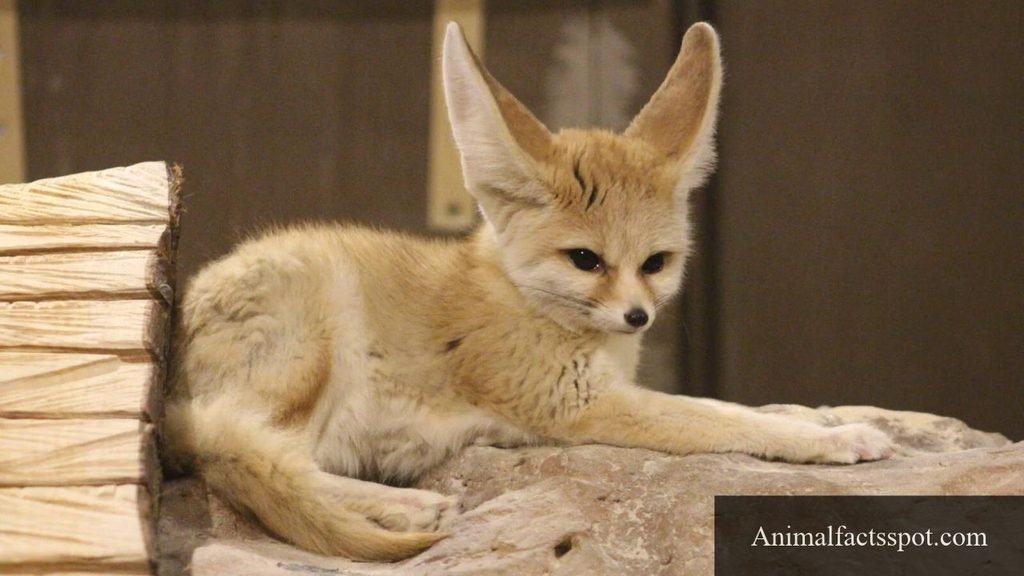
In addition to their striking appearance, fennec foxes are incredibly social animals, often found living in small family units. This communal lifestyle enriches their interactions, as they engage in playful antics reminiscent of our favorite feline companions. Their playful behavior even includes playful “pouncing,” a tactic that seems designed for both hunting and bonding. Despite their wild nature, some people have attempted to keep fennec foxes as exotic pets, drawn by their cat-like demeanor, though their complex needs and energetic personalities can make care challenging.
Readmore: Explore Top 17 Animals That Eat Spiders.
Kinkajou
Scientific Name: Potos flavus
Class: Mammalia
Diet: Omnivorous
The kinkajou, often mistaken for a feline due to its endearing face and agile movements, is a fascinating inhabitant of Central and South American rainforests. These nocturnal creatures, belonging to the raccoon family, share a playful demeanor and an expressive personality that can easily draw comparisons to playful domestic cats. With their large, soulful eyes and rounded ears, kinkajous have a certain charm that captivates wildlife enthusiasts and casual observers alike.
What sets kinkajous apart is their extraordinary prehensile tail, which enables them to navigate the treetops effortlessly. Unlike traditional cats, kinkajous are adept at foraging for fruit and nectar, demonstrating a unique adaptation to their arboreal lifestyle. Their diet primarily consists of figs, making them essential for seed dispersal in their ecosystems, an ecological role that many might overlook when they first see these adorable animals.
Serval
Scientific Name: Leptailurus serval
Class: Mammalia
Diet: Carnivorous
The serval, a wild African cat, stands out with its strikingly large ears and long legs, giving it an almost whimsical appearance. These features aren’t just for show; they serve practical purposes in the savanna. The large ears allow for exceptional hearing, enabling servals to detect the faintest noises of small prey scuttling through the grass. With their long legs, they can leap impressively high — up to 10 feet — to catch birds and rodents in mid-air, showcasing a unique hunting style that combines agility with precision.
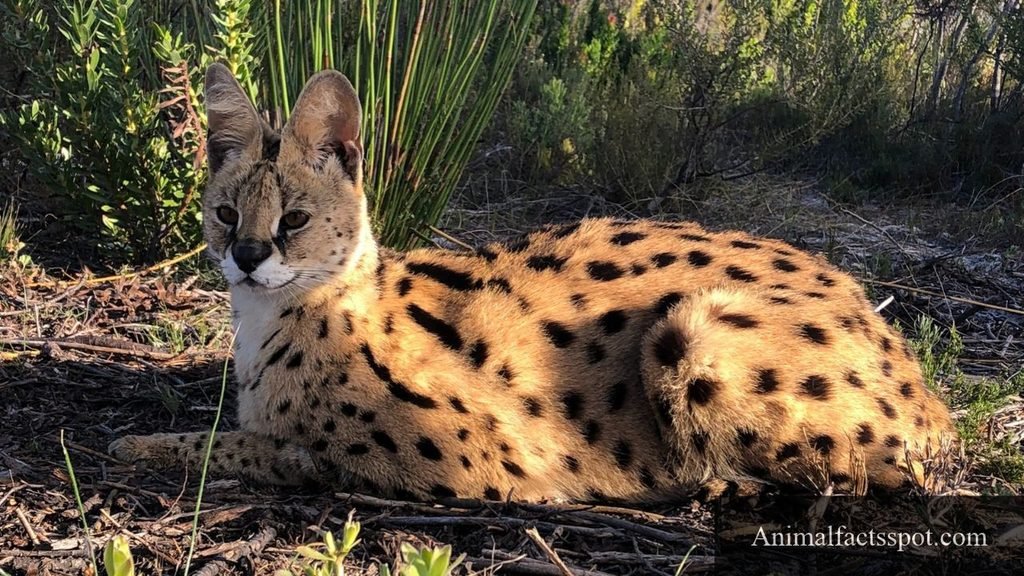
Unlike domestic cats, servals possess a wild spirit and require vast territories to roam, adding a layer of intrigue to their allure. Their coat, patterned with spots and stripes, not only provides camouflage but also highlights their graceful movements as they navigate through tall grasses.
Genet
Scientific Name: Genetta spp.
Class: Mammalia
Diet: Omnivorous
The Genet, a small, slender mammal native to Africa, displays a striking resemblance to a feline, yet it belongs to a separate family entirely. With its elongated body, large ears, and bushy tail, the Genet embodies a blend of grace and agility reminiscent of domestic cats. What truly sets the Genet apart, however, is its unique spotted coat, designed for camouflage in its forest habitats. This marking allows it to blend into the dappled sunlight of the underbrush, showcasing nature’s ingenuity in predator-prey dynamics.
These innovative creatures are primarily nocturnal, employing a stealthy approach to hunting, much like a cat stalking its prey. Genets are also skilled climbers, often seen perching on branches to survey their surroundings or seek out small mammals and birds. Their versatility extends beyond hunting, as they play an essential role in their ecosystems by controlling pest populations, making them unsung heroes in the natural world.
Margay
Scientific Name: Leopardus wiedii
Class: Mammalia
Diet: Carnivorous
The margay, often overshadowed by its more famous feline relatives, is a striking example of nature’s playful ingenuity. Residing primarily in the lush canopies of Central and South America, this small wildcat boasts a coat adorned with intricate spotted patterns reminiscent of a domestic cat but amplified in elegance. Each margay’s unique markings not only serve as a stunning visual but also provide essential camouflage in their dense forest habitats, allowing them to blend seamlessly into the dappled light and shadows of their surroundings.
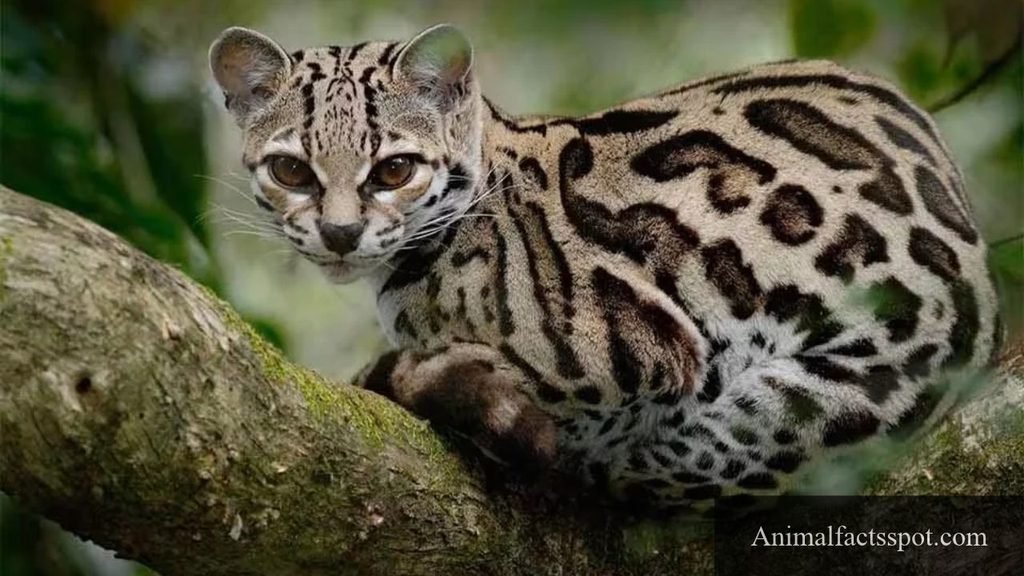
What truly sets the margay apart, however, is its uncanny acrobatic ability. Unlike most felines, the margay has evolved to expertly navigate the branches of trees, often using a unique vertical leap to pursue its prey. This remarkable trait invites a comparison to the agility of leopard cats and adds a layer of charm to its already captivating persona. Moreover, as solitary creatures, margays rely on their keen senses and stealth; they are often more nocturnal than diurnal, enhancing their elusive nature and adding to the mystique surrounding them.
Each glimpse we catch of a margay — swirling through the branches or resting quietly in the underbrush — invites a deeper appreciation for the delicate balance of ecosystems and the importance of preserving these mesmerizing cats and their habitats.
Asian Palm Civet
Scientific Name: Paradoxurus hermaphroditus
Class: Mammalia
Diet: Omnivorous
The Asian palm civet is a fascinating creature that often gets mistaken for a cat due to its sleek, feline-like body and expressive face. However, this unique mammal is more closely related to genets and mongooses than to domestic cats. With its distinctive markings and bushy tail, the civet possesses an alluring charm that captivates wildlife enthusiasts. Its nocturnal habits and agility allow it to traverse treetops in search of fruits and insects, showcasing a lifestyle distinctly different from that of your average household feline.
One of the most intriguing aspects of the Asian palm civet is its role in the production of kopi luwak, or civet coffee. As it consumes coffee cherries, the civet’s digestive system alters the beans, resulting in a brew that many aficionados deem more flavorful. This relationship with coffee culture underscores the civet’s unique ecological niche, highlighting its significance in both nature and human culinary practices. Beyond coffee, the civet’s adaptability to various habitats — from rainforests to agricultural lands — serves as a reminder of how interconnected ecosystems are and how species like the civet can influence human agriculture.
Marten
Scientific Name: Martes spp.
Class: Mammalia
Diet: Omnivorous
The marten is a fascinating creature that often gets mistaken for a domestic cat at first glance, yet it boasts a distinct charm of its own. With their slender bodies, bushy tails, and agile movements, martens capture the essence of feline grace while maintaining an air of wild mystery. Native to various woody habitats across Europe, Asia, and parts of North America, these small carnivores play a crucial role in their ecosystems, helping to control rodent populations and distribute seeds.
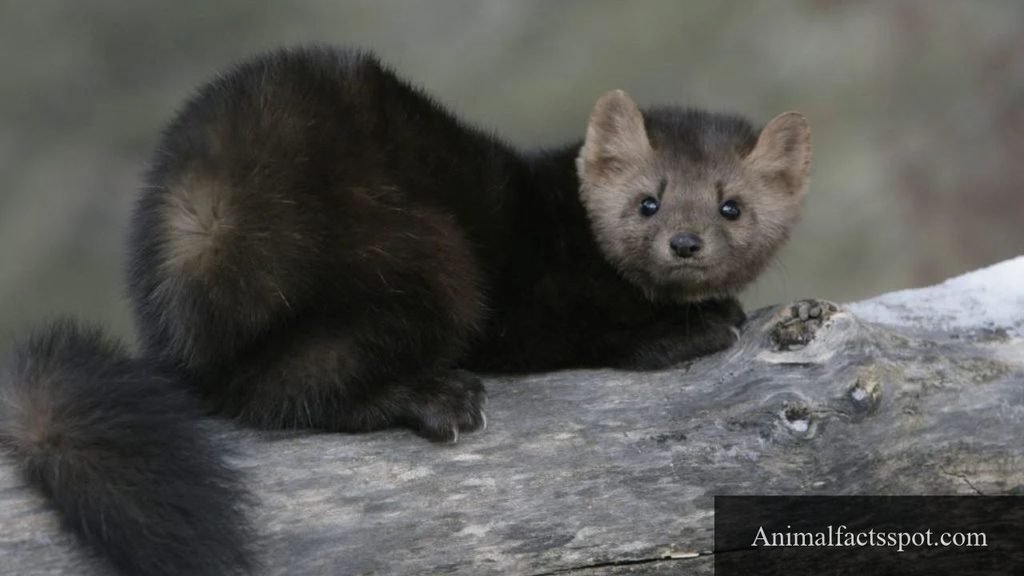
What truly sets martens apart is their rich, golden-brown fur, which seems to glow in dappled sunlight. These agile climbers are expert foragers, capable of navigating trees with ease as they hunt for small mammals, birds, and even fruits. In the wild, martens exhibit playful behaviors, often bounding through the treetops or engaging in acrobatic displays that showcase their agility. Unlike domestic cats, however, martens are social creatures that sometimes engage in playful interactions with their kind, reminding us that while they may share a superficial resemblance to our beloved pets, their wild spirit keeps them squarely in the realm of nature’s untamed wonders.
Caracal
Scientific Name: Caracal caracal
Class: Mammalia
Diet: Carnivorous
The caracal, often mistaken for a domestic cat, boasts an elegance that sets it apart in the wild. With its striking tufted ears, sleek body, and intense amber eyes, this feline is a true embodiment of feline grace. Unlike standard house cats, caracals are formidable predators, capable of leaping over three meters to catch birds mid-flight, showcasing not just agility but an impressive adaptability to their arid habitats in Africa and parts of the Middle East.
One fascinating aspect of the caracal’s behavior is its social structure. While they are predominantly solitary, these creatures exhibit a surprising level of interaction during mating seasons, forming short-term bonds that amplify their intriguing nature. Their vocalizations — ranging from purrs to hisses — add a layer of complexity to their communication, reminiscent of both domestic cats and their larger counterparts, further blurring the lines between species.
Readmore: Explore Top 16 Strongest Animals in The World.
Final Words
The fascinating world of animals that resemble cats reveals a diverse array of species that captivate our hearts and imaginations. From the sleek serval to the playful ocelot, these creatures not only share physical traits with our feline friends but also exhibit unique behaviors and habitats that make them truly special. Understanding these animals deepens our appreciation for nature’s variety and highlights the importance of conservation efforts.
As we encounter these stunning creatures in documentaries or zoos, we gain insights into their lives and the ecosystems they inhabit. Let’s continue to explore and advocate for the protection of all animals that share our planet, whether they’re domesticated or wild.
FAQs
What animal looks like a cat but isn’t a cat?
One animal that looks like a cat but isn’t one is the serval. This wild cat native to Africa has long legs, big ears, and a spotted coat that gives it a striking resemblance to domestic cats. However, servals are much larger and are built for hunting in tall grass, making them quite different in behavior and habitat.
What are wild animals that look like cats?
Several wild animals resemble domestic cats but belong to different species. For example, the serval is a medium-sized wild cat native to Africa. With its long legs, large ears, and spotted coat, it shares a feline charm while being distinctively wild. Another example is the ocelot, found in South and Central America. It has a sleek body and a beautiful coat patterned with rosettes, giving it a striking appearance similar to a domestic cat but at a larger scale.