Top 17 Animals Like Capybara (With Images)
In this article, we’ll explore fascinating animals like capybara that share unique traits and social behaviors. Understanding these creatures is crucial for appreciating biodiversity and the intricate ecosystems they inhabit. Dive in, and you’ll discover the surprising similarities between capybaras and other remarkable animals!
List of Animals Like Capybara
Here is the list of animals like capybara:
- Pacarana
- Guinea Pigs
- Pacas
- Maras
- Water Voles
- Muskrats
- Nutria
- Hutia
- Beavers
- Agouti
- Groundhogs
- Gophers
- Porcupines
- Rock Hyrax
- Viscacha
- Sea Otters
- Gundi
Pacarana
Scientific Name: Dinomys branickii
The pacarana, a lesser-known relative of the capybara, offers a fascinating glimpse into the world of South American rodents. Found primarily in the lush forests of the Andes, this unique creature boasts a strikingly robust body, short legs, and an impressive set of incisor teeth. While the capybara is often celebrated for its sociable nature, the pacarana tends to be more elusive, thriving in solitude among the dense undergrowth. This behavior enhances its mystique, inviting curiosity about its survival strategies in a habitat filled with predators.
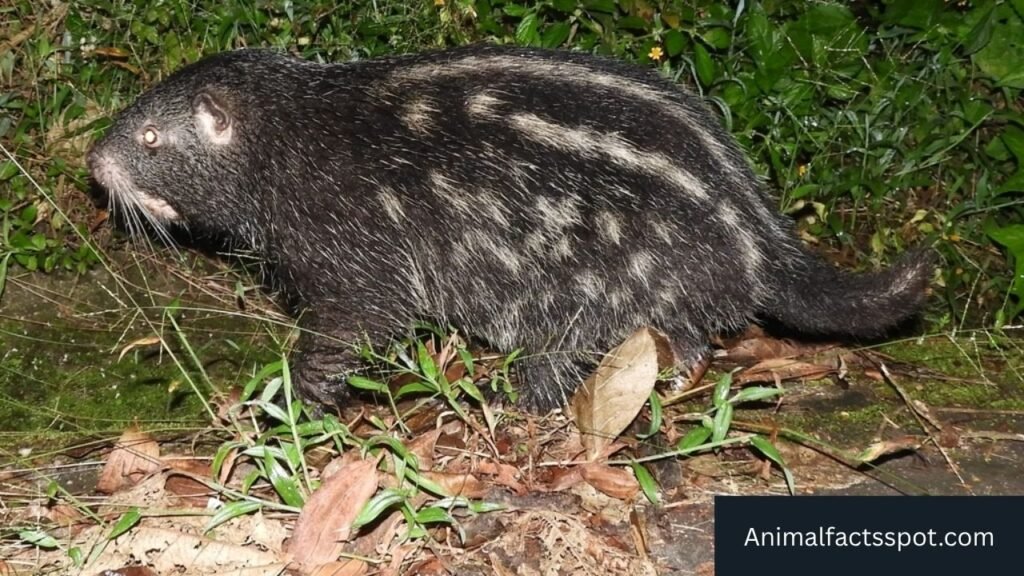
What sets the pacarana apart is its intriguing adaptation to both terrestrial and arboreal environments. With its strong limbs and remarkable climbing abilities, this rodent can navigate through trees in search of fruits and tender leaves, often staying one step ahead of its competitors. Unlike the capybara’s preference for watery habitats, the pacarana’s varied diet, including roots and bark, showcases its versatility and resourcefulness. This adaptability not only enhances its survival but also paints a broader picture of how wildlife navigates the challenges of their ecosystems, reminding us of the rich tapestry of life that thrives beneath the surface of familiar animals.
Guinea Pigs
Scientific Name: Cavia porcellus
Guinea pigs, like their larger cousins the capybara, belong to the order Rodentia. These small, social creatures have long captured the hearts of pet lovers with their gentle demeanor and expressive personalities. Unlike the more solitary nature often found in rodents, guinea pigs thrive in groups, showcasing their vibrant social structures through vocalizations and playful interactions. Their diverse range of sounds, from “wheeking” to purring, not only signifies their contentment but also serves as a powerful means of communication, reflecting their emotional depth.
Interestingly, guinea pigs share some environmental needs with capybaras, requiring ample space to roam and forage. While capybaras are semi-aquatic, indulging in a dip to stay cool, guinea pigs enjoy a habitat rich in hay and veggies to mimic their natural foraging behaviors. Their diet, heavily reliant on fresh greens and high-fiber hay, highlights their role as grazers, much like their larger relatives. This similarity accentuates the importance of understanding their natural instincts, making it vital for owners to create enriching environments that allow these small creatures to explore and express their innate behaviors.
Pacas
Scientific Name: Cuniculus paca
The pacas, often overshadowed by their more popular cousins like the capybara, are fascinating creatures in their own right. These large rodents, native to Central and South America, exhibit an intriguing blend of aquatic adaptability and terrestrial agility. Unlike capybaras, which thrive in social groups, pacas tend to be more solitary, often retreating to the safety of dense foliage after nightfall. Their beautifully spotted coats not only offer them camouflage in the wild but also serve as a testament to their unique adaptation to diverse habitats.
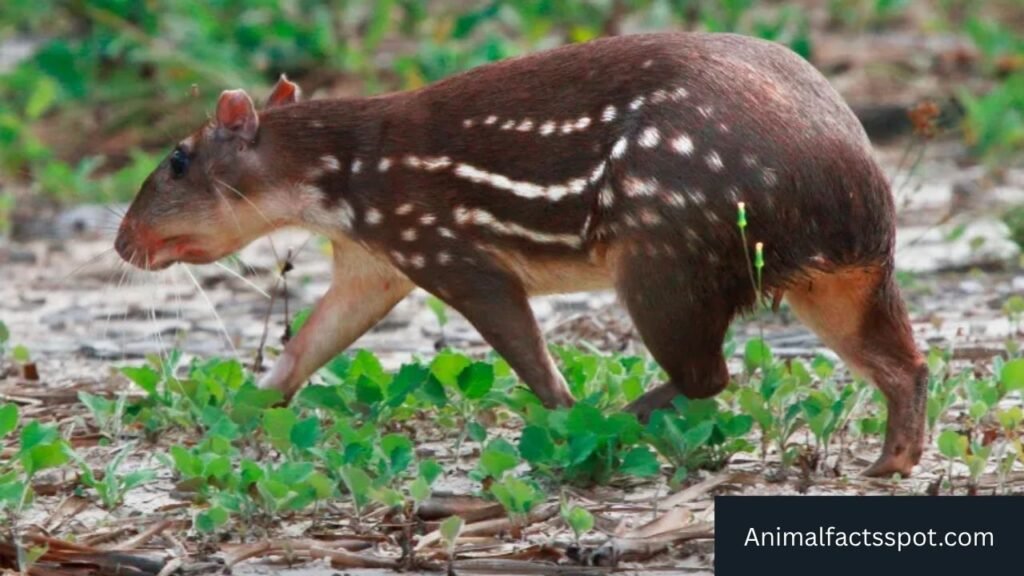
One striking aspect of pacas is their herbivorous diet, which primarily consists of seeds, fruits, and aquatic plants. Their strong jaws and teeth are specially designed for cracking open hard shells, allowing them to access a rich nutritional source that many other animals overlook. This dietary niche not only sets them apart from capybaras but also highlights their role in seed dispersal, significantly contributing to forest regeneration. Observing them in their natural habitat reveals a captivating rhythm of life that plays a critical part in maintaining the ecological balance of their ecosystem, ultimately reminding us of the intricate connections within our world’s wildlife.
Maras
Scientific Name: Dolichotis patagonum
Maras, often overshadowed by their more popular relatives like the capybara, present a fascinating glimpse into the diverse adaptations of life in the grasslands of South America. These large, rabbit-like rodents, native to Argentina, showcase a unique blending of physical traits — long legs for agility, a streamlined body for speed, and a social structure that relies on both family units and communal groups. Their elegant bounding across open terrain is a spectacle, as they navigate their habitats with a grace that belies their robust size.
One of the most intriguing aspects of maras is their distinctive mating behavior. Unlike many rodents that are typically solitary or territorial, maras form monogamous pairs that remain bonded for life. This commitment enhances their survival, enabling them to coordinate efforts in foraging and protecting their young against predators. Their choice of open grasslands not only influences their diet — harvesting grasses, seeds, and leaves — but also speaks to a broader evolutionary narrative about adaptability in changing environments. As grasslands face increasing threats, understanding the maras’ ecological role and social intricacies could provide crucial insights into conservation efforts for these remarkable rodents.
Water Voles
Scientific Name: Arvicola amphibius
Water voles, often overshadowed by their larger, more charismatic cousins like capybaras, deserve a spotlight of their own. These small, semi-aquatic rodents are not only charming but also play a vital role in their ecosystems. With their stocky bodies and webbed feet, water voles are exceptional swimmers, using waterways as their highways. Nestled in burrows along riverbanks, they contribute to the health of riparian habitats by aerating the soil and providing food for birds of prey.
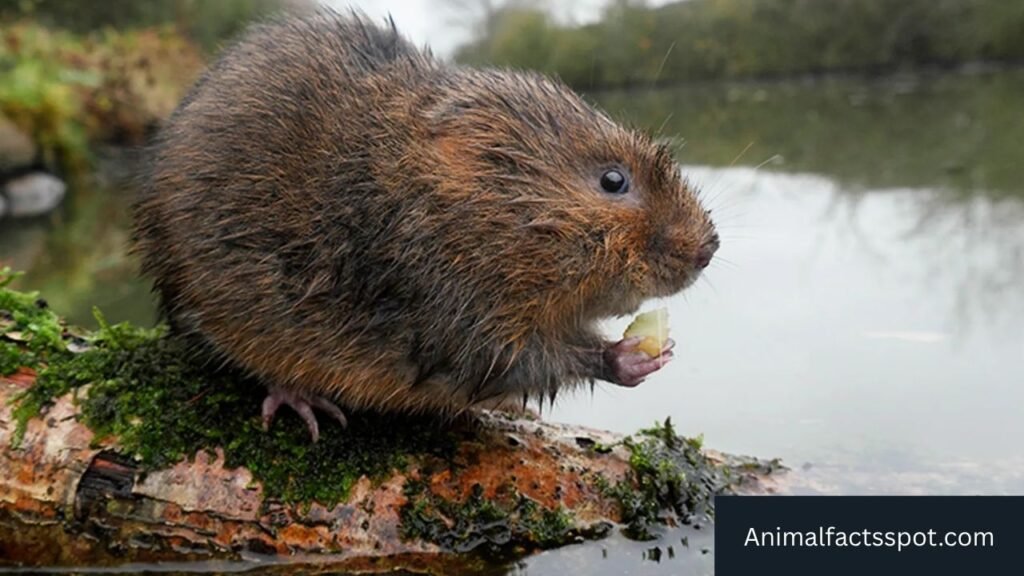
Remarkably social, water voles often live in family groups, showcasing complex social behaviors. Unlike capybaras, which bask in the sun in large, relaxed groups, water voles are more elusive and secretive, often darting into the underbrush when disturbed. Their diet primarily consists of aquatic plants, which makes them integral to maintaining the biodiversity of their environments — much like capybaras with the grazing habits that keep grasslands in check. By observing water voles, one can draw parallels to other social mammals, recognizing the interconnectedness of life around these quiet, industrious creatures hidden along our waterways.
Muskrats
Scientific Name: Ondatra zibethicus
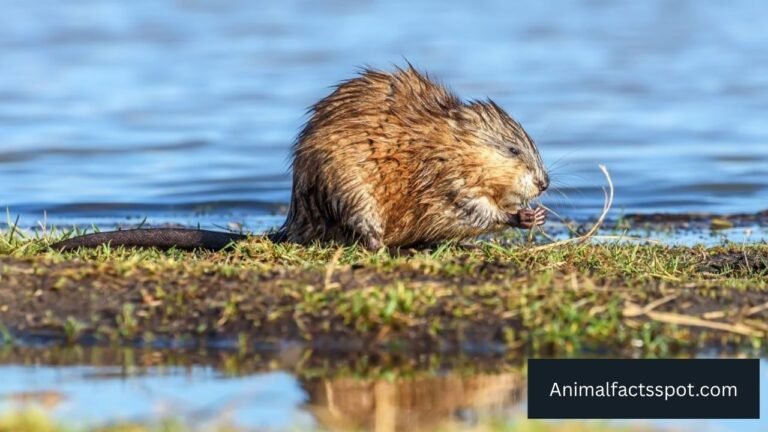
Muskrats, often overshadowed by their more famous relatives like beavers and capybaras, offer a fascinating glimpse into the intricate tapestry of wetland ecosystems. These medium-sized rodents are expert swimmers, equipped with their paddle-like tails and webbed hind feet, which allow them to navigate through marshy waters with ease. Unlike capybaras, which are social grazers found in larger groups, muskrats tend to be more solitary or live in small family units. This lifestyle brings a different social dynamic to their habitat, yet they are no less engaging creatures.
Their penchant for building dome-shaped lodges from cattails and rushes reveals their resourcefulness and adaptability in a changing environment. Muskrats play a vital role in their ecosystems, as their foraging habits help control aquatic vegetation and create habitats for other species. Observing a muskrat at work instills a sense of wonder at how these small animals can dramatically shape their surroundings, fostering biodiversity. While they may not possess the same stature or charm as a capybara, muskrats embody a quiet resilience, thriving in the reeds and reminding us of the hidden complexities within our natural world.
Nutria
Scientific Name: Myocastor coypus
Nutria, often overshadowed by their more popular neighbors like capybaras, are fascinating creatures in their own right. Known for their robust size and semi-aquatic lifestyle, nutria are often mistaken for oversized rats. However, they possess a unique charm with their bright orange incisors and sleek, otter-like bodies. Found in wetlands across North America and Europe, these rodents play a crucial role in their ecosystems, managing plant growth and providing food for various predators.
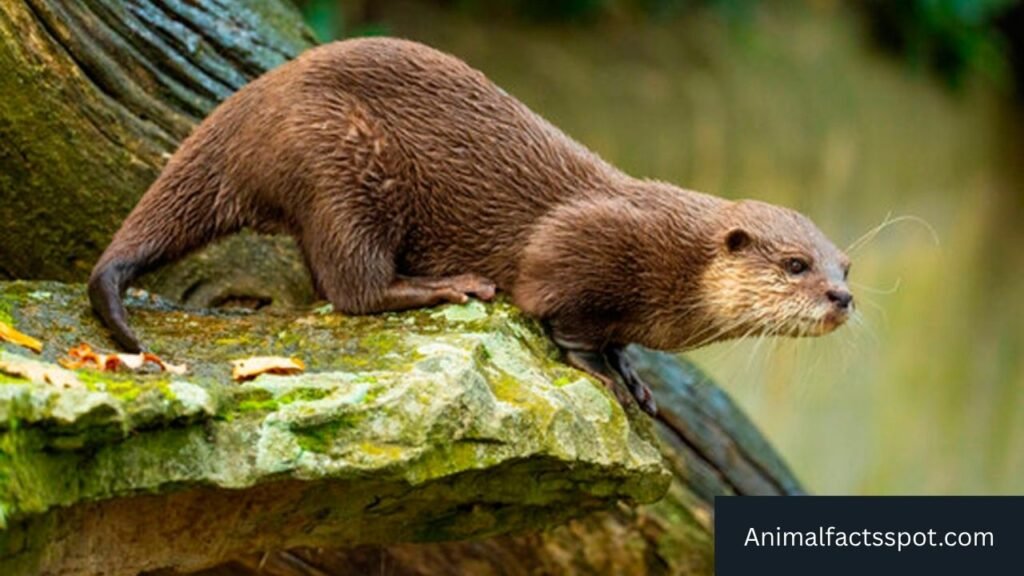
Despite their ecological importance, nutria face a controversial reputation due to their invasive nature in some regions. In places like the Louisiana Bayou, they have caused significant environmental damage, leading to a complex relationship with conservation efforts. However, understanding nutria’s behaviors and social structures reveals their intriguing adaptability and intelligence. Observing their family groups foraging and playing can elicit empathy, reminding us that every creature, even the underestimated nutria, contributes to the tapestry of wildlife. Embracing their presence can enrich our appreciation of diverse ecosystems and the pivotal roles these rodent allies play.
Hutia
Scientific Name: Capromys pilorides
Hutia, a lesser-known rodent from the Caribbean, captivates with its unique blend of charm and ecological significance. Often compared to capybaras due to their social behavior and semi-aquatic lifestyles, hutias thrive in diverse habitats ranging from forests to scrublands. Their group dynamics not only enhance their foraging efficiency but also foster intriguing social structures, where they communicate through a series of chirps and grunts. Observing these interactions can feel like witnessing a small-scale society, showcasing the complexity of animal communication.
What makes hutias particularly fascinating is their role in their ecosystems. As herbivores, they help maintain plant diversity by dispersing seeds and controlling vegetation growth. This ecological balance is critical, especially in the face of habitat loss and island biodiversity challenges. Interestingly, the hutia’s adaptability also sheds light on how species can evolve in isolation, like their capybara counterparts, further illustrating the wonders of evolutionary biology. Before you dismiss hutias as just another rodent, consider the vital role they play in their environments and the extraordinary stories each life contributes to our planet’s tapestry.
Beavers
Scientific name: Castor canadensis
Beavers, much like their rodent cousins the capybaras, are remarkable architects of their ecosystems. These semi-aquatic mammals are known for their impressive dam-building skills, creating complex waterways that alter their habitat dramatically. By constructing dams from trees, mud, and stones, beavers not only provide themselves with a safe haven but also create wetlands that benefit countless other species, including birds, fish, and amphibians. This natural engineering elevates them to the status of ecosystem engineers, shaping the environment in ways that enhance biodiversity.
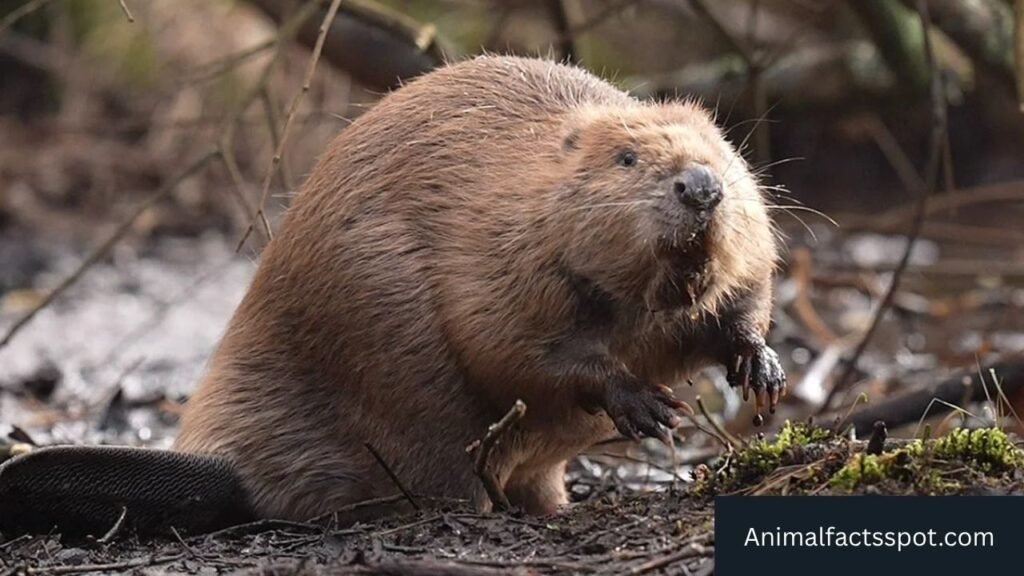
Moreover, beavers exhibit intriguing social behaviors reminiscent of capybara communities. Living in family units, beavers work collaboratively, demonstrating a fascinating blend of teamwork and communication. They invest time in caring for their young, teaching them the skills needed to thrive in their aquatic environments. This nurturing aspect adds a layer of depth to their personalities, echoing the sociable nature of capybaras, known for their friendly demeanor and relaxed interactions with various species. Thus, both animals, through their distinct yet complementary roles, highlight the beauty of cooperation and the importance of preserving these ecosystems.
Agouti
Scientific Name: Dasyprocta punctata
The agouti, a lesser-known relative of the capybara, offers a fascinating glimpse into the diverse tapestry of South American wildlife. With its sleek body and long legs, the agouti is an agile creature often found in the lush underbrush of tropical forests. Unlike the social capybara, agoutis are mostly solitary, showcasing a different survival strategy that emphasizes agility and stealth. Their ability to navigate dense foliage allows them to avoid predators while foraging for fruits, seeds, and nuts, highlighting an intricate relationship with their ecosystem — one that aids in forest regeneration through seed dispersal.
Intriguingly, agoutis also exhibit remarkable behaviors that reflect their adaptability. They’ve been observed creating food caches by burying their finds, a strategy that not only secures resources for later but also illustrates their intelligent foraging tactics. This behavior not only benefits the agouti but the forest itself, as forgotten seeds can sprout into new plants, symbiotically enhancing biodiversity. It’s this quiet synergy between the agouti and its environment that emphasizes the profound interconnectivity of life in the wild, inviting us to respect and learn from even the most unassuming creatures.
Groundhogs
Scientific Name: Marmota monax
Groundhogs, often overshadowed by their more exotic counterparts like the capybara, possess an array of fascinating traits that make them equally worth our attention. These stocky, short-legged rodents, also known as woodchucks, are not just renowned for their role in predicting the weather during Groundhog Day. Instead, they showcase remarkable social behavior; living in complex burrow systems that can span up to 30 feet underground, they create a vibrant community, much like capybaras do in their herding groups.
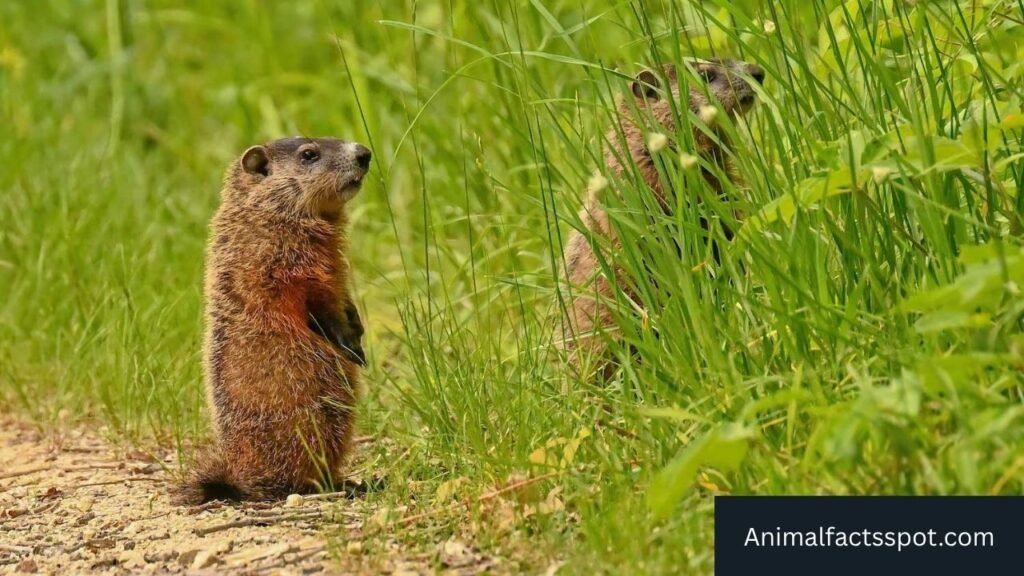
Beyond their communal living, groundhogs exhibit impressive adaptability to diverse environments, from urban gardens to rural farmlands. Their burrowing skills not only serve as personal sanctuaries but also play a role in aerating the soil, contributing to ecosystem health. These industrious little creatures are surprisingly good swimmers, showcasing an unexpected versatility. By appreciating groundhogs in this multifaceted light, we learn that every species, no matter how seemingly ordinary, has unique contributions and captivating stories waiting to be uncovered.
Gophers
Scientific Name: Geomys bursarius
Gophers, much like capybaras, embody a unique charm that often goes unnoticed in the animal kingdom. While capybaras are celebrated for their social nature and serene demeanor, gophers showcase a different yet equally fascinating aspect of animal behavior: industriousness. These small, burrowing rodents play a pivotal role in their ecosystems, aerating the soil as they dig extensive tunnel systems. With their cheeky little faces and charming antics, they remind us that a bustling community exists just beneath our feet, one that contributes significantly to the health of the environment.
On a deeper level, gophers reveal insights into the interaction between individual species and their habitats. Their foraging habits not only help in seed dispersal but also serve as a natural pest control, feeding on various plants and minimizing unchecked growth. In many ways, they are unsung heroes of the ecosystem, much like capybaras in their water-based environments. Gophers invite us to appreciate the intricacies of nature and the interdependence of life forms, showcasing that even the smallest creatures can have a remarkable impact on their surroundings.
Porcupines
Scientific Name: Erethizon dorsatum
Porcupines, much like capybaras, exemplify the charm of misunderstood creatures in the animal kingdom. Often associated solely with their quills, these fascinating rodents boast an array of unique traits that go beyond their defensive mechanisms. For instance, porcupines are adept climbers, spending a surprising amount of time in trees where they forage for leaves and bark. This arboreal lifestyle allows them to avoid many ground-based predators, illustrating their cleverness in adapting to their surroundings.
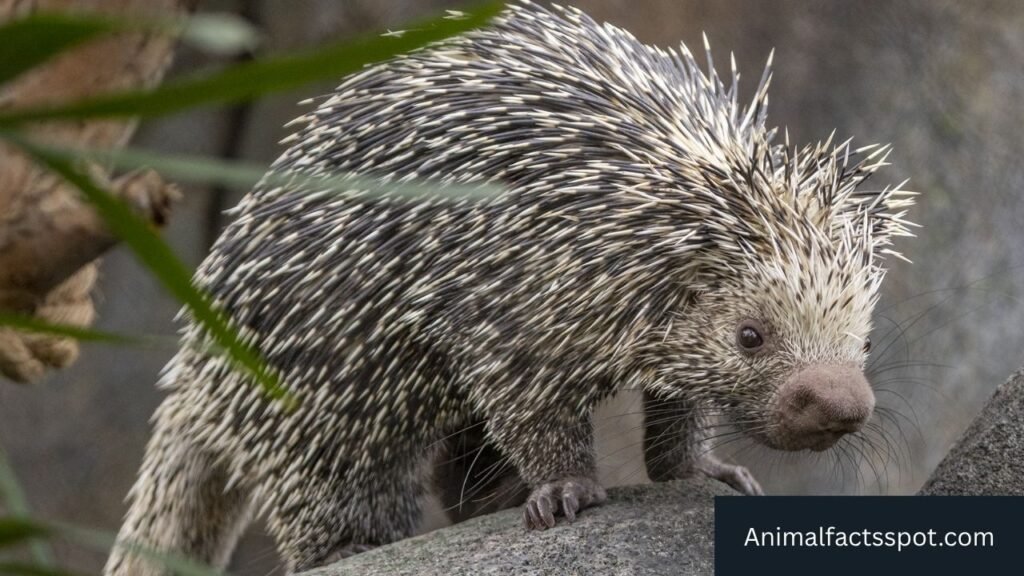
Socially, porcupines present an intriguing contrast to their solitary reputation. They exhibit a range of vocalizations that facilitate communication, especially during mating season. Their curious, playful side often emerges in interactions with one another, challenging the stereotype that all rodents are timid or antisocial. By embracing their playful nature, porcupines reveal a side of themselves that invites us to reconsider our perceptions of wildlife and the intricate bonds they form with their environment and each other. In this way, both porcupines and capybaras remind us that every creature holds its own story, full of depth and wonder.
Rock Hyrax
Scientific Name: Procavia capensis
Beneath their unassuming exterior, rock hyraxes are fascinating creatures that share surprising traits with their more popular counterparts, the capybara. These small mammals, found mostly in Africa and the Middle East, possess a unique social structure that enhances their survival. Living in groups, rock hyraxes engage in a complex blend of vocalizations, body language, and even scent-marking to communicate and strengthen social bonds within their communities. Observing them in their natural environment reveals not just a harmonious society but a rich tapestry of social interactions that rival those of more recognized social animals.
Intriguingly, despite their rodent-like appearance, rock hyraxes are more closely related to elephants than they are to rodents. This evolutionary link showcases the wonders of biological diversity and adaptability. Their specialized feet, equipped with unique pads that allow them to climb rocky terrains with ease, highlight their remarkable evolutionary niche. As herbivores, they play a crucial role in their ecosystems, helping to maintain the balance of plant life in harsh environments while also serving as prey for larger predators. Understanding the rock hyrax provides invaluable insights into the complexity of ecosystems and the interconnectedness of species, reminiscent of the quiet yet profound presence of the capybara in its habitat.
Viscacha
Scientific Name: Lagidium viscacia
Viscachas, often overshadowed by their more famous relatives, the capybaras, are fascinating creatures that embody a unique blend of charm and adaptability. Residing mainly in the rocky terrains of South America, these large rodents have a knack for camouflage, seamlessly blending into their arid surroundings. Their long, tufted ears and large, expressive eyes evoke a sense of whimsy, almost as if they belong in a children’s storybook. Unlike capybaras, which thrive in social groups, viscachas are more solitary or found in small family units, showcasing a different aspect of rodent behavior that’s equally captivating.
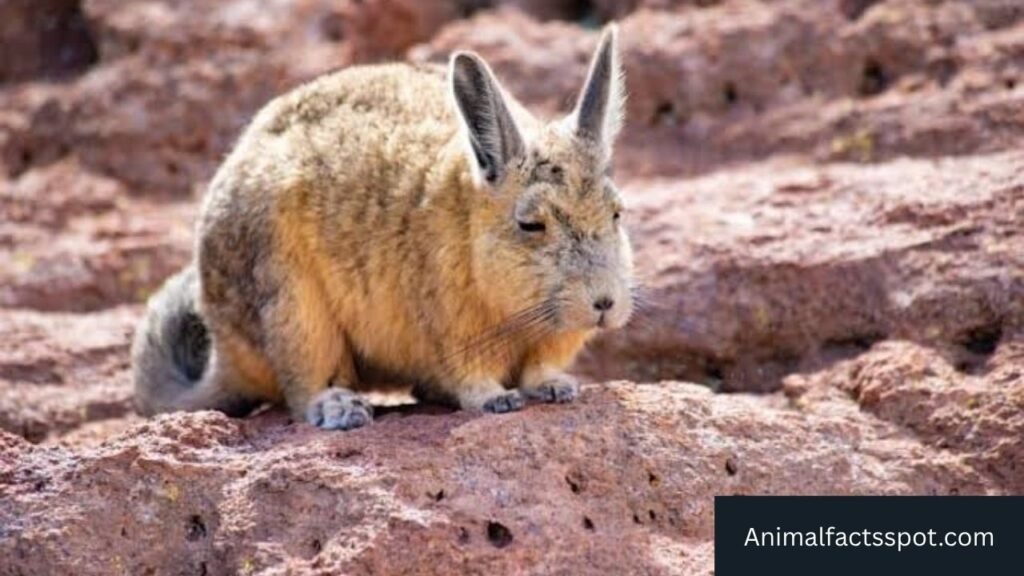
These remarkable animals have evolved to thrive in some of the harshest environments, showcasing their resilience. Viscachas utilize their powerful hind legs to leap over rocky obstacles, a skill that not only aids in mobility but also helps them evade predators. Their diet primarily consists of grasses and succulent plants, making them remarkable foragers in a landscape where resources can be scarce. Moreover, viscachas are known for their unique vocalizations, which serve as a form of communication among family members, adding a layer of social complexity to their otherwise solitary lives. Observing a viscacha in its natural habitat offers a glimpse into the often overlooked yet vital roles these creatures play in their ecosystems, making them just as worthy of admiration as their more famous relatives.
Sea Otters
Scientific Name: Enhydra lutris
Sea otters, often dubbed the “gentlemen of the sea,” share delightful traits with their land-dwelling cousins, the capybara. Both are social creatures, often found in family units that engage in playful interactions, which strengthen their bonds. Imagine a group of sea otters floating on their backs, holding hands to create a rafts of camaraderie, much like a family of capybaras basking in the sun together. This behavior serves not just for recreation but also as a survival strategy, ensuring that they remain close in the vastness of the ocean.
These aquatic mammals play a crucial role in their ecosystems, akin to how capybaras act as a keystone species in their habitats. Sea otters help maintain kelp forest health by preying on sea urchins, which, when unchecked, can decimate those underwater forests. In their unique way, they contribute to a balanced environment, much like how capybaras’ grazing patterns manage the growth of grasses and aquatic plants. Both species demonstrate the delicate interconnectedness of nature, reminding us that every creature, no matter how small or seemingly inconsequential, plays a vital role in sustaining the tapestry of life.
Gundi
Scientific Name: Ctenodactylus gundi
Gundis are small, charming rodents native to the rocky terrains of North Africa and parts of the Middle East. These plump, furry creatures possess an endearing roundness and soft, velvety fur, which allows them to blend seamlessly into their sun-drenched rocky surroundings. Unlike their more widely known relatives — the capybara — gundis boast a distinctive, almost cartoonish appearance with their short limbs and large, expressive eyes that provide a glimpse into their playful personalities.
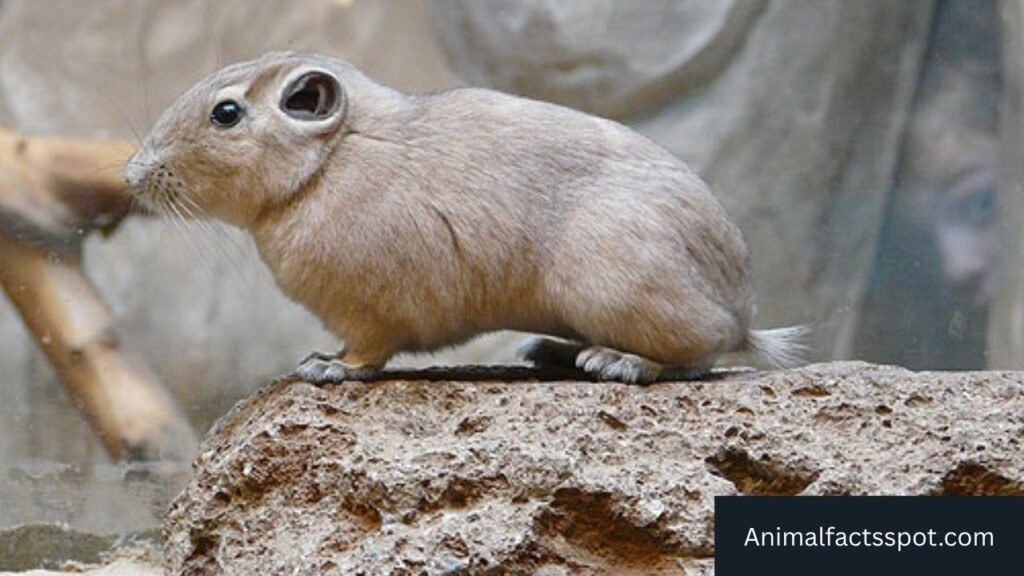
One of the most captivating aspects of gundis is their social structure. They often live in small colonies, using a series of vocalizations to communicate with one another, showcasing a level of social interaction that rivals some primates. Their habitat encourages an interesting behavior: gundis can leap impressively from rock to rock, using their powerful back legs with remarkable agility. Watching them navigate their rocky homes not only highlights their physical adaptations but also serves as a reminder of the variety of survival strategies in the animal kingdom. The world of gundis is a testament to the beauty of biodiversity, showcasing that even small creatures have their unique roles in the grand tapestry of life.
Final Thoughts
In conclusion, the fascinating world of animals similar to capybaras offers a glimpse into the diverse adaptations and social behaviors found in the animal kingdom. From the charming agility of the nutria to the playful nature of the sea otter, each animal presents unique traits that captivate observers. These creatures thrive in varied environments and showcase the importance of social structures, much like capybaras themselves. Understanding their behaviors and habitats not only enriches our knowledge but also highlights the need for conservation efforts. Let us appreciate these remarkable animals and support their habitats for future generations to enjoy.
FAQs
What animal is similar to the capybara?
The capybara is often compared to the beaver due to their similar size and social behavior. Both animals are semi-aquatic rodents, which means they thrive in wetland habitats. Beavers are known for their dam-building skills, while capybaras are more about lounging in water and socializing in groups.
What looks like a capybara?
The Patagonian mara is often compared to a capybara due to its large size and unique body shape. Both animals have long legs and a somewhat similar face, but maras have more elongated bodies and are distinguished by their striking coloration — typically a mix of gray and brown. They are social creatures and can often be found in small groups, which is a behavior that also resonates with capybaras. While capybaras are semi-aquatic and more likely to be found near water, Patagonian maras thrive in arid environments, primarily in Argentina. Their adaptations to different habitats highlight the diversity within the rodent family, despite their similar appearances.