Top 17 Animals That Eat Spiders (With Images)
Did you know that some animals actively seek out spiders as a primary food source? It might seem surprising, but a variety of creatures are expert arachnid hunters. In this article, we’ll explore the fascinating world of animals that eat spiders, uncovering their unique hunting strategies and why they’re essential to maintaining ecological balance. By the end, you’ll gain a deeper appreciation for these predators and their role in our environment.
List of Animals That Eat Spiders
Below is the list of animals that eat spiders:
| Number of Animals | Names of Animals That Eat Spider |
| 1 | Praying Mantises |
| 2 | blackbirds |
| 3 | Monkeys |
| 4 | Shrews |
| 5 | Snakes |
| 6 | Tarantula Hawks |
| 7 | Western Toads |
| 8 | Archers |
| 9 | Geckos |
| 10 | Trout |
| 11 | Scorpions |
| 12 | Dragonflies |
| 13 | Mosquitofish |
| 14 | Natterjack |
| 15 | Centipedes |
| 16 | Spider Wasps |
| 17 | Robins |
Praying Mantises
Scientific Name: Mantodea
Class: Insecta
Diet: Carnivore
Praying mantises are fascinating predators, merging both elegance and ferocity in their quest for sustenance. These remarkable insects showcase a unique predatory strategy that makes them exceptional spider hunters. With their triangular heads and bulging eyes, mantises possess extraordinary vision, allowing them to spot their eight-legged prey from a distance. Once within range, they strike with incredible speed, grasping spiders with their spiky forelegs, a skillful maneuver that underscores their predatory prowess.
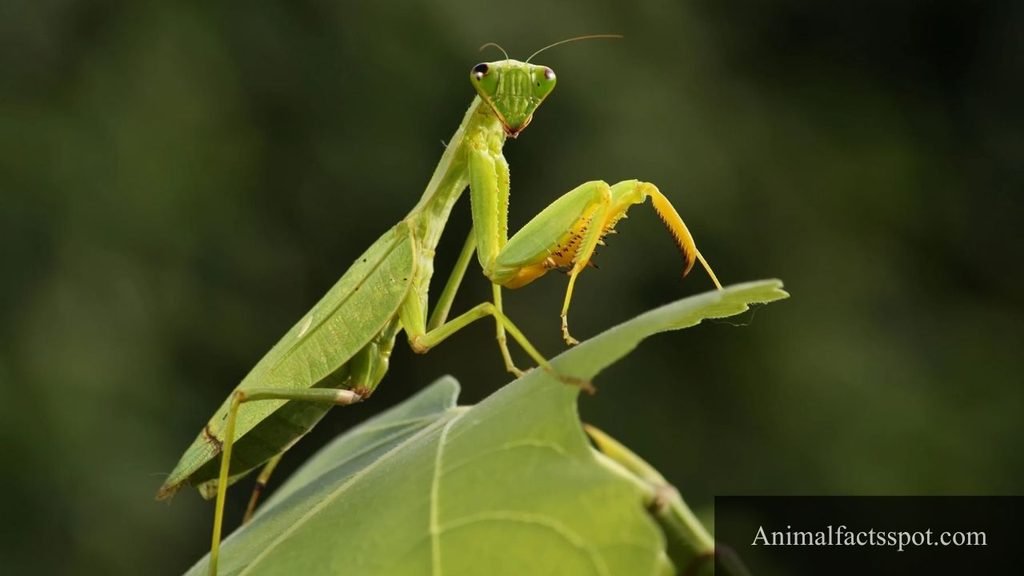
Interestingly, the interaction between mantises and spiders can reveal much about the balance of ecosystems. While spiders are often feared for their venom and webs, mantises act as a natural control, preventing spider populations from exploding unchecked. This dance of predator and prey illustrates the intricate web of life, where even the smallest insects play crucial roles in maintaining harmony.
Blackbirds
Scientific Name: Turdus merula
Class: Aves
Diet: Omnivore
Blackbirds, known for their glossy plumage and melodious calls, have a surprisingly diverse diet that often includes arachnids. These nimble foragers are adept at spotting spiders hiding among foliage or lurking in webs, using their sharp beaks to snatch them up with remarkable agility. This predatory behavior not only plays a role in their nutrition but also helps control spider populations, maintaining a balanced ecosystem.
During the warmer months, when insects are plentiful, spider consumption may take a backseat. However, as temperatures drop, these birds shift their focus, relying more heavily on spiders as a crucial food source, demonstrating a fascinating adaptability to their environment. Observing blackbirds in their quest for arachnids reveals their keen intelligence and resourcefulness, making them not just consumers but essential players in the intricate web of nature.
Monkeys
Class: Mammalia
Diet: Omnivore
Monkeys, particularly those inhabiting tropical forests, display a surprisingly varied diet, which can include the occasional spider. For species such as capuchins and howler monkeys, this predilection for arachnids showcases not only adaptability but also a keen understanding of nutrition. Spiders are protein-rich, and during moments when fruits and leaves are less abundant, these agile primates capitalize on such opportunities, demonstrating ingenuity in foraging strategies.
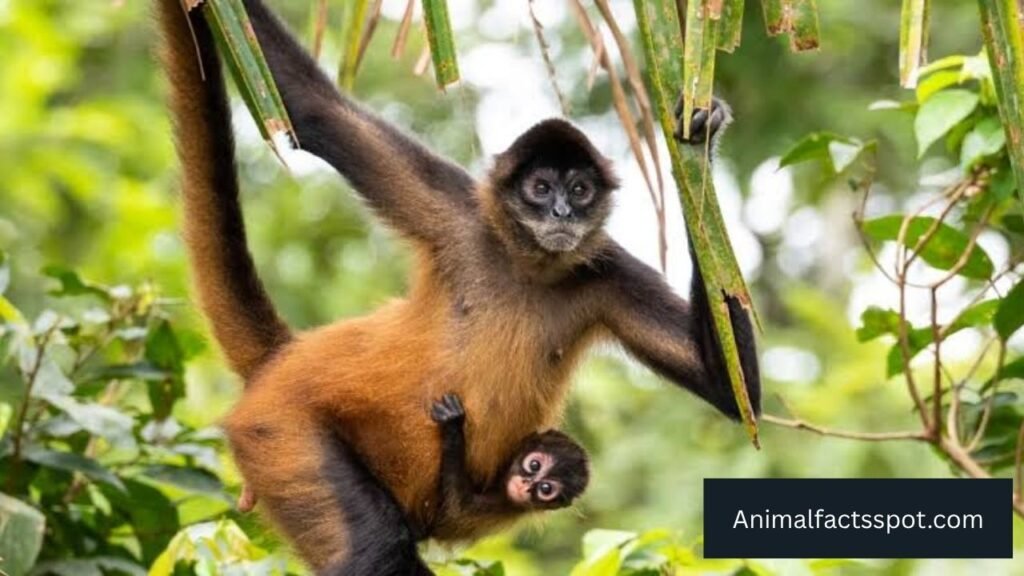
Interestingly, the hunt for spiders can also foster social interactions among monkey troops. Group foraging creates a dynamic atmosphere where individuals demonstrate their skills, fostering camaraderie and competition. Young monkeys learn hunting techniques through observation and mimicry, effectively enhancing their survival skills while contributing to the group’s welfare. This behavioral nuance reveals the depth of intelligence in monkeys, as their diets reflect not just survival, but the intricate social fabrics that sustain them in the wild.
You can also read: Explore Top 13 Animals That Live in Bamboo Forests.
Shrews
Scientific Name: Soricidae
Class: Mammalia
Diet: Carnivore
Shrews are often overshadowed by their more charismatic counterparts in the animal kingdom, yet these small, insectivorous mammals pack a powerful punch when it comes to their diet. Among their eclectic menu, spiders often make an appearance. This predation showcases their versatility and adaptability, reflecting the intricate web of life in their ecosystems. Shrews, with their high metabolic rates, require substantial food intake, prompting them to utilize various food sources, including arachnids.
Their sharp teeth and agile movements make them formidable hunters, even against creatures that might seem too quick or elusive to catch. Equipped with an acute sense of smell, shrews can locate spiders hidden beneath foliage or tucked away in crevices, highlighting their role as vital pest controllers in many habitats. The relationship between shrews and spiders offers a fascinating glimpse into nature’s balance — while spiders contribute to insect populations, shrews step in as their natural predators.
Snakes
Scientific Name: Serpentes
Class: Reptilia
Diet: Carnivore
Many may not realize that snakes are among the skilled predators that hunt spiders. While snakes primarily go after larger prey like rodents or birds, certain species, such as the Eastern garter snake, have been observed consuming smaller arachnids. This dietary choice is often essential during times when conventional food sources are scarce. Snakes, being opportunistic feeders, have adapted their hunting strategies to include a variety of critters, thus showcasing their impressive versatility in the wild.
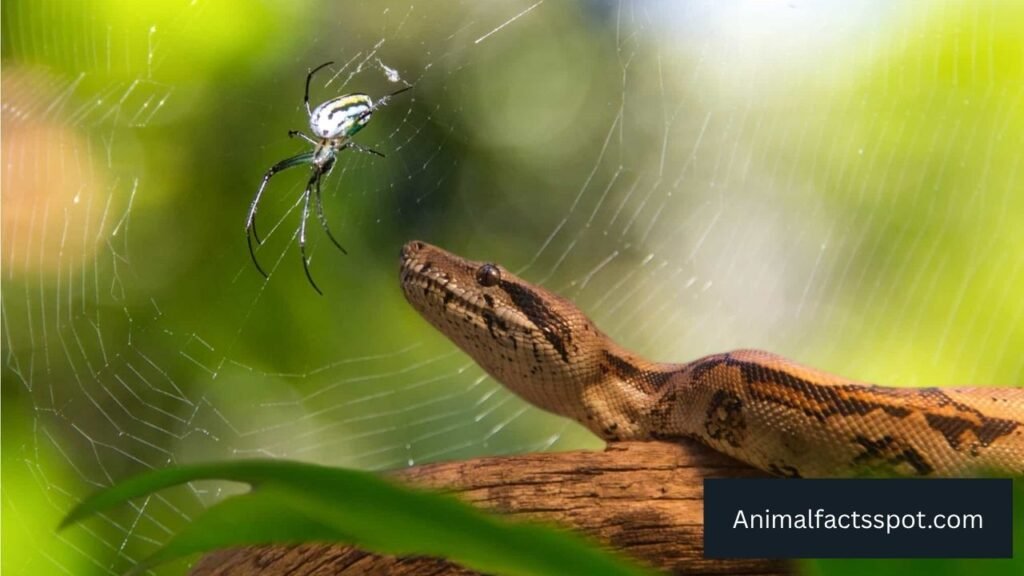
Interestingly, the hunting technique is quite unique. Some snakes will use their keen sense of smell to detect spiders hidden in crevices or under foliage. Once they locate their prey, they strike with precision, often consuming the spider whole. The presence of spiders in a snake’s diet can also be a reflection of the ecological balance; when spider populations surge, these reptiles can help mitigate overpopulation and contribute to a healthier environment.
Tarantula Hawks
Scientific Name: Pepsis
Class: Insecta
Diet: Carnivore
Tarantula hawks, a distinct group of parasitic wasps, are intriguing not only for their striking appearance but also for their unique predatory behavior. These wasps, adorned with iridescent blue-black bodies and long legs, are on a singular mission: to hunt down tarantulas. Their method is both daring and efficient. A female tarantula hawk will immobilize a tarantula using a precise sting that leaves the spider paralyzed but still alive — a gruesome, yet fascinating, part of the lifecycle.
Once the tarantula is incapacitated, the wasp lays her egg inside the still-living spider, ensuring a fresh food source for her offspring. As the larva develops, it consumes the spider’s soft tissues, making the death of the tarantula a slow and excruciating affair. This gruesome spectacle raises questions about the intricate balance of nature’s food web and how survival instincts manifest in various species. Observing this remarkable interaction not only highlights the tarantula hawk’s role as a predator but also reveals the complex dynamics of life and death in the animal kingdom, as beauty and brutality coexist in the most unexpected ways.
Western Toads
Scientific Name: Anaxyrus boreas
Class: Amphibia
Diet: Carnivore
Western toads are fascinating predators in their own right, showcasing an intriguing appetite for arachnids. These amphibians, often found in the moist habitats of the western United States, actively hunt and consume spiders as part of their diverse diet. This behavior not only highlights their adaptability but also positions them within a complex ecosystem where they play a crucial role in controlling spider populations.
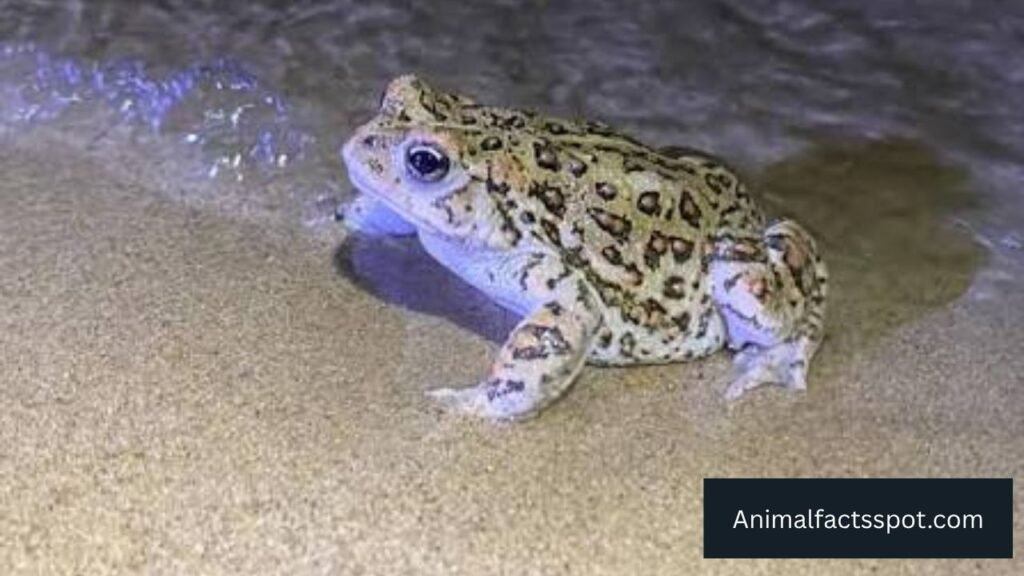
Equipped with long, sticky tongues, they can snatch spiders with impressive precision. This unique method of catching prey means that toads can manage not only common web-weavers but also faster, more elusive spider species. By consuming spiders, Western toads contribute to the balance of insect and arachnid populations, showcasing the interconnectedness of wildlife and the importance of each species in maintaining ecological harmony.
Archers
Scientific Name: Toxotidae
Class: Actinopterygii
Diet: Carnivore
In the intricate web of nature, archers aren’t just skilled marksmen but also masters of bioengineering — specifically in how they score their meals. One of the more surprising niches they fill is hunting spiders, with some species of archers exhibiting unique adaptations for this peculiar diet. Utilizing their extraordinary vision, archers can pinpoint spider movements with remarkable accuracy, making them formidable competitors in their ecosystems.
Archerfish, for instance, have developed an astounding technique of shooting jets of water to knock spiders off branches and into the water below. This method is not only efficient but also showcases the archers’ ability to track prey in three dimensions, adapting their strategy based on the spider’s location and movements. Such innovations illustrate a fascinating interplay between predator and prey, challenging the perception of spiders as solely cunning hunters themselves.
Geckos
Scientific Name: Gekkonidae
Class: Reptilia
Diet: Carnivore
Geckos are remarkable little reptiles that play an invaluable role in controlling spider populations. With their swift movement and impressive agility, these lizards can expertly navigate their environment, making them effective hunters. Their sticky toe pads allow them to scale walls and ceilings with ease, putting them in prime positions to snatch unsuspecting arachnids. Unlike many other predators, geckos rely heavily on their acute eyesight, which is excellent in low-light conditions, enabling them to spot and capture spiders even at night.
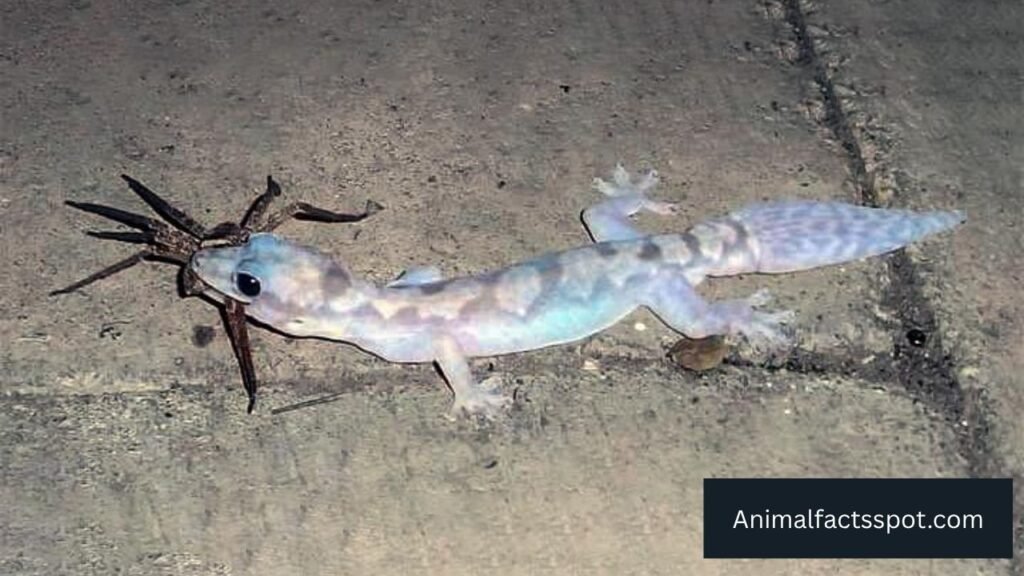
Beyond their hunting prowess, geckos also display fascinating feeding behaviors. Some species, like the common house gecko, will consume not just the spider but also the web it weaves, allowing them to maximize their nutritional intake and reduce the clutter in their territory. Ultimately, the gecko’s affinity for spiders showcases an intricate balance in the ecosystem, highlighting how even small creatures contribute to larger environmental health and stability.
Trout
Scientific Name: Salmonidae
Class: Actinopterygii
Diet: Carnivore
Surprisingly, trout are not your typical insectivores; they exhibit a fascinating penchant for consuming spiders. This behavior is particularly notable during those warm, sunny days when terrestrial arachnids venture near the water’s edge. The combination of shimmering water and fluttering insects creates a feast for these opportunistic fish. As spiders dangle from their silk threads or fall into the stream, trout are quick to capitalize on this unexpected protein source, showcasing their adaptability in a dynamic ecosystem.
Interestingly, this spider-eating behavior highlights the interconnectedness of aquatic and terrestrial environments. It illustrates how different food webs intersect, with trout benefiting from the abundance of spiders, which are often overlooked as a food source. This adaptability not only enhances trout growth and health but also demonstrates the importance of maintaining biodiversity in ecosystems.
Scorpions
Scientific Name: Scorpiones
Class: Arachnida
Diet: Carnivore
Scorpions, often misunderstood and feared, play a crucial role in the ecosystem as both predators and prey. These arachnids are not just fearsome hunters; they are also opportunistic feeders, often finding sustenance in various small creatures, including spiders. The ability of scorpions to consume spiders speaks to their adaptability and resilience in diverse habitats, from arid deserts to lush forests. With their specialized pedipalps and powerful pincers, scorpions can skillfully subdue spiders, showcasing a fascinating interaction between predator and prey.
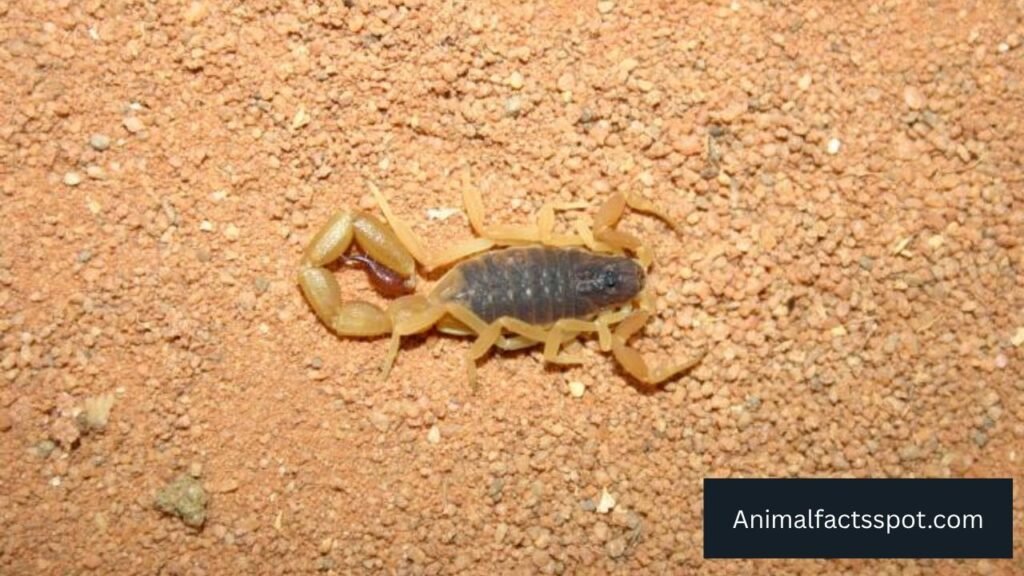
Remarkably, scorpions possess a unique venom that not only immobilizes their targets but also aids in the digestion process. When a scorpion captures a spider, the venom breaks down the spider’s tissues, transforming it into a nutritious meal. This predatory relationship highlights the intricate balance within ecosystems, where even the smallest interactions can influence population dynamics and species survival. In a world where the survival of species often hinges on their feeding habits, scorpions demonstrate an exceptional evolutionary strategy that allows them to flourish among their eight-legged counterparts.
Dragonflies
Scientific Name: Anisoptera
Class: Insecta
Diet: Carnivore
Dragonflies are often regarded as agile aerial predators, but their predatory prowess extends far beyond capturing mosquitoes and other small insects. These acrobatic creatures play a vital role in managing spider populations. With their exceptional vision and swift flight capabilities, dragonflies can spot spiders lurking in webs or on vegetation, swooping in with remarkable precision to snatch them up. This predation not only helps control the spider population but also underscores the intricate balance within ecosystems where every player has its role.
Interestingly, the relationship between dragonflies and spiders highlights a fascinating aspect of food webs. While both are labeled as predators, they occupy distinct niches, meaning their interactions are crucial for maintaining biodiversity. Dragonflies thrive near aquatic habitats, effectively bridging the gap between land and water ecosystems; as they consume spiders, they prevent any one predator from overwhelming their environment with unchecked growth.
Mosquitofish
Scientific Name: Gambusia affinis
Class: Actinopterygii
Diet: Carnivore
Mosquitofish, small yet mighty freshwater dwellers, have gained recognition for their role in controlling mosquito populations. However, their appetites extend beyond just larvae; these tiny fish can also consume spiders that find their way into the water. In their search for food, mosquitofish display a surprising level of adaptability, preying on insects and arachnids that fall into their aquatic habitats.
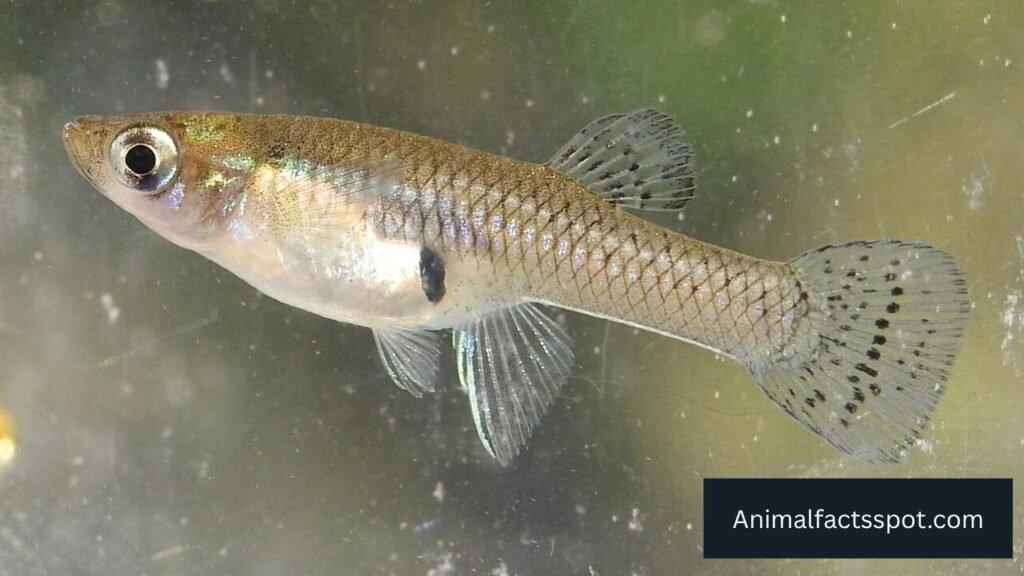
Beyond their voracious appetites, mosquitofish contribute to the health of their ecosystems in unforeseen ways. By controlling spider populations, they indirectly influence the complex food web, potentially impacting larger predators that rely on spiders as a food source. This interdependence emphasizes the importance of even the smallest creatures in maintaining ecological stability.
Natterjack
Scientific Name: Epidalea calamita
Class: Amphibia
Diet: Carnivore
The Natterjack toad, with its distinctive yellow stripe and unique behaviors, plays a surprisingly vital role in controlling spider populations. Unlike their more common counterparts, Natterjacks have an insatiable appetite for a variety of invertebrates, including spiders. Their agile tongues make quick work of these eight-legged creatures, providing a fascinating glimpse into the underappreciated balance of nature. Observing a Natterjack feasting on a spider reveals a world where size doesn’t determine significance; even a small toad can deftly conquer a foe it encounters in its habitat.
Moreover, the Natterjack’s preference for spiders may influence local ecosystems more than we realize. By keeping spider populations in check, these toads indirectly support the diversity of other insects and plants. This interdependence highlights the importance of maintaining healthy habitats for such species, ensuring the intricate web of life continues to thrive.
Centipedes
Scientific Name: Chilopoda
Class: Chilopoda
Diet: Carnivore
Centipedes are often seen as fearsome predators in the insect world, and their unique method of hunting makes them fascinating to observe. With elongated bodies and multiple legs, these arthropods dart through underbrush and crevices, showcasing agility that rivals many of their prey. What sets centipedes apart is their venomous bite, which they use to subdue not only traditional prey like insects but also opportunistically hunt down spiders.
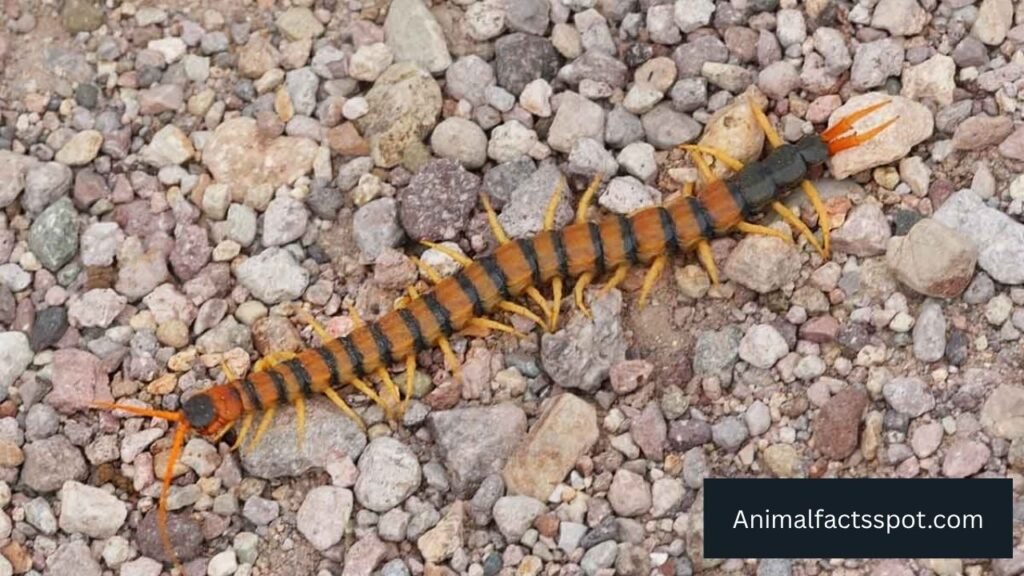
As nocturnal creatures, centipedes have adapted to a lifestyle that allows them to maximize their hunting efficiency under the cover of darkness. Their keen sensory perception helps them locate spiders, which they can ambush or stalk quietly. Interestingly, centipedes employ a somewhat theatrical approach; their impressive speed, coupled with a tantalizingly slow approach, creates an element of suspense in the hunt.
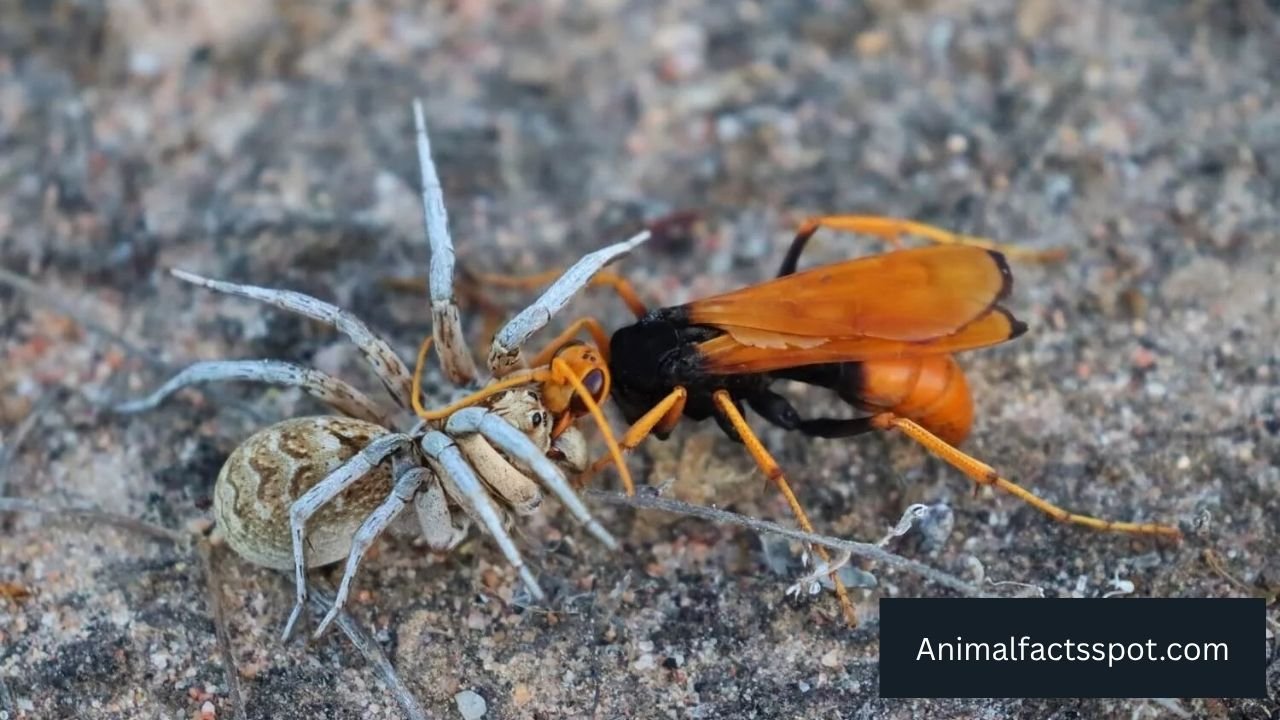
Spider Wasps
Scientific Name: Pompilidae
Class: Insecta
Diet: Carnivore
Spider wasps, belonging to the family Pompilidae, are fascinating predators that exhibit a unique and captivating hunting strategy. These wasps have an extraordinary sense of smell, which they leverage to locate their arachnid prey. Once they find a spider, often using the element of surprise, they deliver a potent sting that paralyzes the victim without killing it. This remarkable ability allows the wasp to transport the subdued spider back to a burrow, where it will serve as a live meal for the wasp’s larvae.
Each species targets specific spiders; some specialize in tarantulas, while others go for smaller orb-weavers. This selective predation highlights not just a fascinating food chain interaction but also the evolutionary adaptations that allow these wasps to thrive in diverse environments. Observing a spider wasp in action offers a thrilling glimpse into nature’s intricate web of life, revealing the delicate balance between predator and prey, and reminding us of the hidden dramas unfolding in our backyards.
Robins
Scientific Name: Turdus migratorius
Class: Aves
Diet: Omnivore
Robins, often seen hopping around gardens and parks, have a diverse palate that surprisingly includes spiders. These agile foragers are not just after seeds or worms; they skillfully hunt for these eight-legged critters, especially when feeding their young. In wet habitats, where spiders are abundant, robins can spot movement under leaves and grass, quickly pouncing to snatch up a nutritious snack. This behavior showcases their adaptability in seeking out a range of food sources that vary with the seasons.
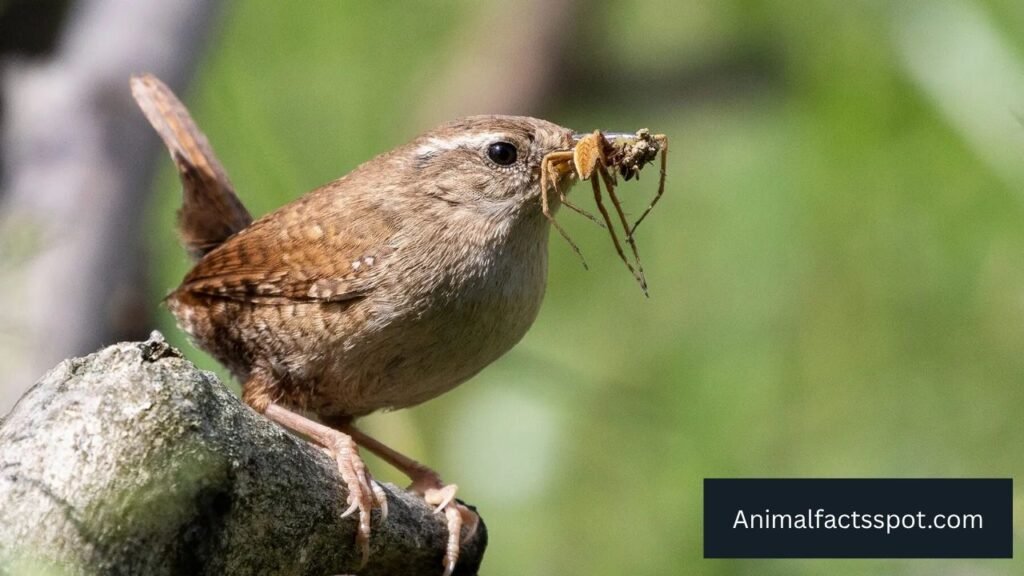
Interestingly, the consumption of spiders by robins is not just about survival; it also plays a crucial role in ecosystem balance. By controlling spider populations, robins contribute to the health of their environment. Moreover, while many might think of insects as primary prey, robins’ inclusion of arachnids in their diet highlights the interconnectedness of food webs. Observing a robin clumsily but determinedly hunting a spider can remind us of nature’s intricate dance, where even the smallest creatures have significant roles to play.
Readmore: Explore Top 15 Animals With Hooves.
Conclusion
The intricate web of nature demonstrates that even the smallest creatures can play significant roles in the ecosystem. Animals that eat spiders, such as birds, reptiles, and certain mammals, contribute to maintaining the balance of various food chains. By preying on spiders, these animals help regulate spider populations, which can prevent overpopulation and the potential negative impacts on crops and human habitats. Understanding these relationships emphasizes the importance of preserving natural habitats that support diverse species. As you observe the animals around you, consider the vital roles they play and the interconnectedness of all life forms.
FAQs
Which animal eats the most spiders?
One of the most notorious spider eaters is the common house gecko. These small reptiles are adept at hunting spiders, using their agility and quick reflexes to catch their prey. Geckos often thrive in environments where spiders are plentiful, making them efficient predators.
Do monkeys eat spiders?
Yes, monkeys do eat spiders, although it’s not a primary part of their diet. Many species of monkeys are omnivorous, which means they consume a wide range of foods, including fruits, leaves, insects, and small animals. Depending on their habitat and the specific species, some monkeys may hunt or foraging for spiders, especially when other food sources are scarce.