Top 27 Most Greedy Animals in The World (With Images)
In the realm of nature, some animals prioritize their appetites in ways that are both astonishing and amusing. In this article, we’ll explore the Most Greedy Animals in The World, uncovering their extraordinary feeding habits and the survival strategies behind their insatiable hunger. Prepare to be captivated by their antics and learn why understanding these behaviors is essential for appreciating the delicate balance of ecosystems.
List of Most Greedy Animals in The World
Here is list of greedy animals in the world:
| Number of Animals | Names of Greedy Animals |
| 1 | Pigeons |
| 2 | Wild Boar |
| 3 | Raccoons |
| 4 | Coyote |
| 5 | Squirrels |
| 6 | Goat |
| 7 | Gorillas |
| 8 | Pigs |
| 9 | Hamsters |
| 10 | Ant |
| 11 | Octopus |
| 12 | Tiger Sharks |
| 13 | Honey Badgers |
| 14 | Vulture |
| 15 | Seagulls |
| 16 | Chimpanzees |
| 17 | Foxes |
| 18 | Crocodile |
| 19 | Rat |
| 20 | American Pygmy Shrews |
| 21 | Lion |
| 22 | Brown Bears |
| 23 | Hyenas |
| 24 | Weasel |
| 25 | Tasmanian Devils |
| 26 | Burmese Python |
| 27 | Baboon |
Pigeons
Scientific Name: Columba livia
Class: Aves
Diet: Herbivore
Pigeons, often seen as urban scavengers, epitomize the art of opportunism in the animal kingdom. Their remarkable adaptability allows them to thrive in bustling cities, where they can be spotted eagerly pecking at stray crumbs and food scraps. What many may not realize is that the seemingly innocent pigeon possesses a keen sense of resourcefulness, often using their intelligence to navigate complex social dynamics in search of food. Observations show that they can even remember specific locations and times when food is available, highlighting their strategic approach to foraging.
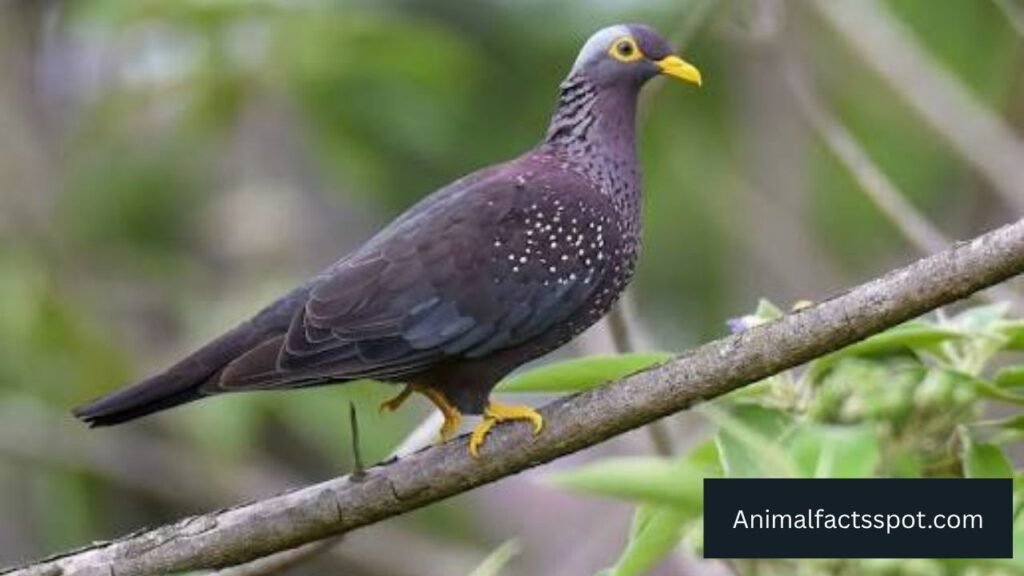
Beyond their scavenging prowess, pigeons exhibit fascinating social behaviors, forming hierarchies that influence feeding opportunities. A dominant pigeon will often assert its presence, while others skillfully take advantage of the distractions it creates. Their ability to communicate through a variety of coos and body language adds another layer to their interactions, illustrating their sophisticated social structures. This intricate dance of competition and cooperation speaks to a deeper understanding of survival in a world where food is never guaranteed.
Wild Boar
Scientific Name: Sus scrofa
Class: Mammalia
Diet: Omnivore
Wild boars, with their bristly coats and unmistakable tusks, are often misunderstood as mere scavengers. However, their feeding habits reveal a surprisingly sophisticated approach to foraging. These animals are omnivorous, consuming everything from roots, fruits, and nuts to small mammals and insects. This adaptability not only allows them to thrive in diverse environments but also highlights their intelligence in seeking out food sources that many other species overlook.
What makes wild boars particularly intriguing is their social feeding behavior. Often found in groups, they coordinate their foraging efforts, using their strong snouts to root through the soil, uncovering hidden treasures while simultaneously providing a communal benefit. This dynamic not only enhances their chances of finding food but also reinforces group bonds. Interestingly, their foraging techniques can also reshape ecosystems, as their digging aerates the soil and helps disperse seeds, contributing to the health of their habitats in ways that many might not associate with their greedy appetites.
Raccoons
Scientific Name: Procyon lotor
Class: Mammalia
Diet: Omnivore
Raccoons, often dubbed the bandits of the animal kingdom, possess an unparalleled knack for scavenging that elevates their reputation from mere wildlife to urban legends. Known for their dexterous front paws, these clever creatures can open jars, unlock gates, and navigate complex obstacles with surprising finesse. This astonishing intelligence, coupled with their insatiable curiosity, leads them to explore everything from garbage cans to sophisticated bird feeders, all in pursuit of a late-night snack.
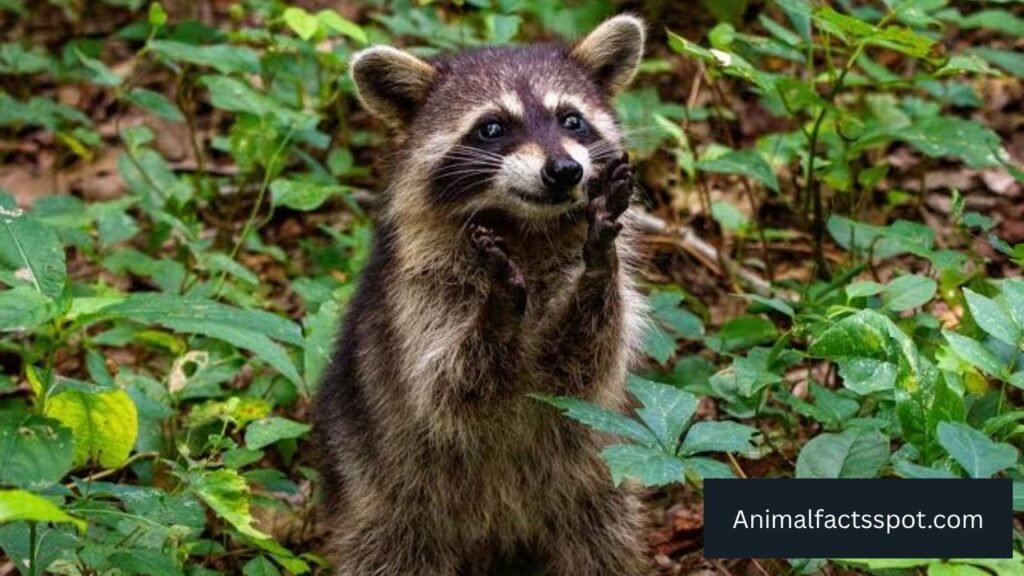
Their dietary habits reveal a fascinating adaptability; raccoons are omnivores who will feast on anything from fruits and insects to human leftovers. This foraging behavior showcases not just their greed but also their resilience in urban environments, where food scarcity can lead others to decline. As they rummage through dumpsters, they inadvertently play a vital role in the ecosystem — acting as nature’s clean-up crew by consuming carrion and waste.
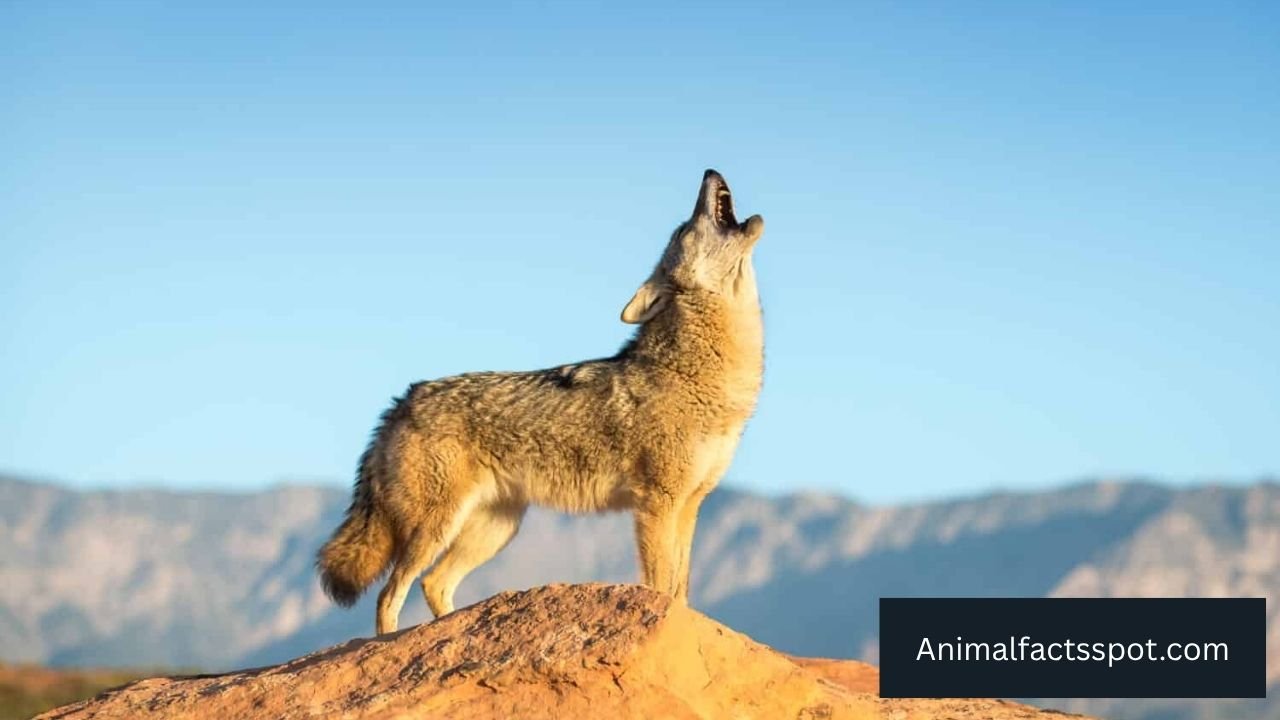
Coyote
Scientific Name: Canis latrans
Class: Mammalia
Diet: Omnivore
Coyotes, often labeled as cunning scavengers, showcase a fascinating blend of opportunism and adaptability that makes them one of the most intriguing greedy animals in the wild. Unlike their larger counterparts, wolves, coyotes thrive in diverse environments — from urban areas to remote deserts — demonstrating a remarkable ability to exploit available resources. This flexibility allows them to switch from hunting small mammals to snatching human leftovers with surprising ease, embodying the essence of a true scavenger.
Their resourcefulness extends beyond mere survival; it reflects a complex interaction with their habitat and human activity. For instance, urban coyotes have learned to navigate our landscapes cleverly, using alleys and parks as their hunting grounds. As they rummage through trash bins and feast on pets or garden produce, they challenge our perceptions of wilderness, telling us that survival isn’t just about hunting in packs — it’s about smart adaptation.
Squirrels
Scientific Name: Sciuridae
Class: Mammalia
Diet: Omnivore
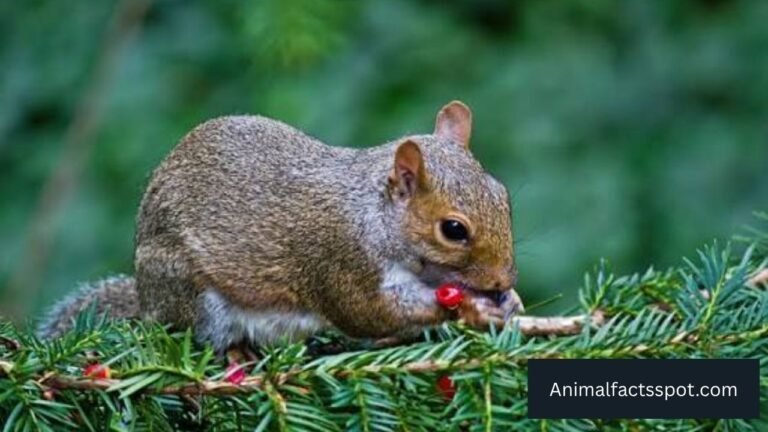
Squirrels, often seen as adorable park companions, have a surprisingly cunning side fueled by their relentless pursuit of food. Their insatiable greed is not merely about survival; it’s a strategy rooted in their instinctual behavior. With a keen sense of smell and remarkable memory, they can locate nuts buried months after storage, but this remarkable talent is often overshadowed by a more captivating truth — their tendency to pilfer from one another. In the intricate dance of the forest, they not only hoard for themselves but also engage in a game of deception, feigning distraction to throw off competitors while they crack open a prize stash.
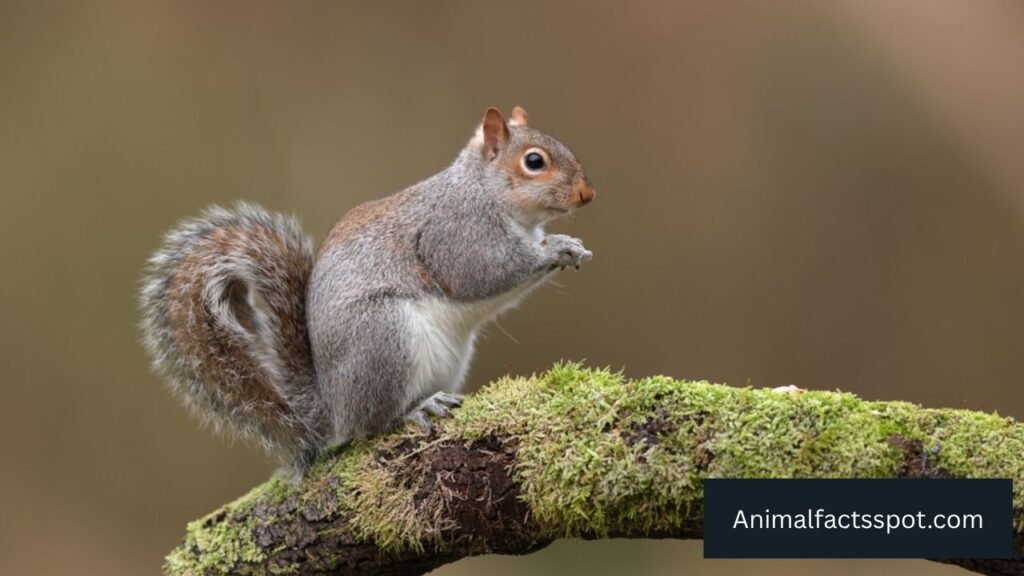
What sets squirrels apart is their complex social structure and interaction. They spend considerable energy watching each other and learning from those around them, akin to nature’s own version of “Survivor.” This behavior hints at a level of intelligence often underestimated; their cunning tactics help ensure their survival and can lead to an abundance of food — if they manage to outsmart their peers. By cleverly navigating their environment, these little bandits ensure that their greed not only secures their own future but also highlights the fascinating interplay between competition and strategy in the animal kingdom.
Goat
Scientific Name: Capra aegagrus hircus
Class: Mammalia
Diet: Herbivore
The goat, often dismissed as a mere barnyard animal, exhibits behavior that reflects an impressive level of curiosity and tenacity when it comes to food. Known for their insatiable appetites, goats are remarkably resourceful and will go to great lengths to satisfy their cravings, whether that means scaling a rocky hillside or munching on shrubbery that other animals might bypass. Their unique digestive system allows them to process a wide array of vegetation, making them opportunistic feeders that thrive in challenging environments.
What truly elevates the goat’s reputation for greediness is not just their voracious eating habits, but their innate adaptability. Goats possess an uncanny ability to find food in the most unexpected places: they’re famous for nibbling on anything from discarded cans to the tender leaves of your prized garden plants. This drive not only underscores their survival skills but also reflects an emotional intelligence that some might overlook, as they bond with their surroundings and exhibit social hierarchies while foraging.
Gorillas
Scientific Name: Gorilla gorilla
Class: Mammalia
Diet: Herbivore
Gorillas, often seen as gentle giants, surprisingly exhibit behaviors that can be quite greedy when it comes to food. In the lush rainforests of Africa, these primates engage in fascinating foraging strategies, demonstrating not only their intelligence but also their voracious appetites. With a diet primarily composed of leaves, stems, and fruit, gorillas can consume up to 40 pounds of vegetation in a single day, showcasing their remarkable ability to exploit their environment.
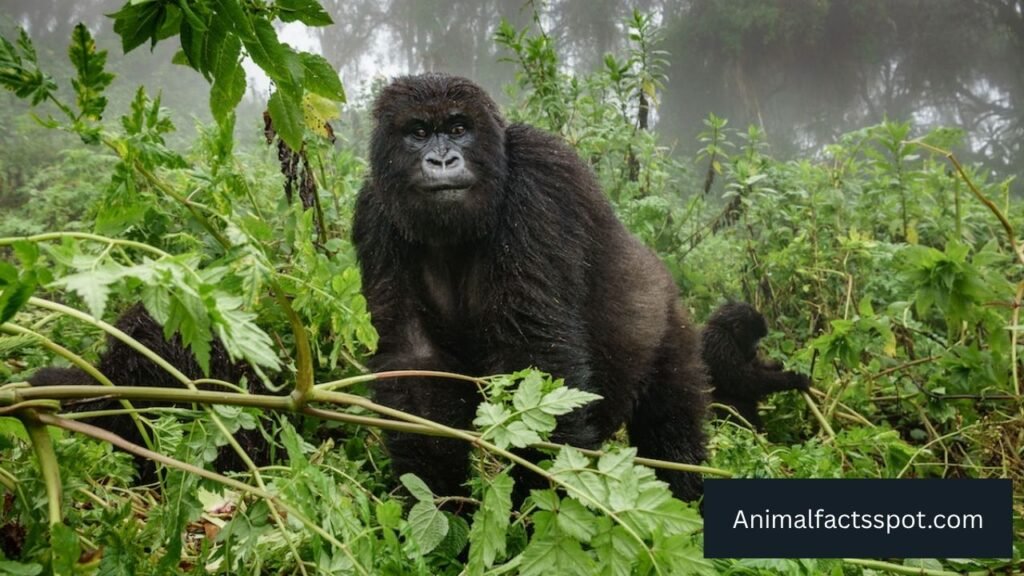
Interestingly, their greed isn’t just about quantity; it’s also about selection. Studies reveal that gorillas display a preference for certain fruits over others, often opting for the ripest and most nutritious options. This selective feeding highlights their understanding of food quality and availability, underscoring their role as important seed dispersers in their ecosystems.
Pigs
Scientific Name: Sus scrofa domesticus
Class: Mammalia
Diet: Omnivore
Pigs often top the list of the most greedy animals, not simply because they exhibit an insatiable appetite, but also due to their remarkable intelligence and opportunistic nature. These creatures have an uncanny ability to manipulate their environment for food, utilizing their keen sense of smell to locate edibles buried beneath the surface.
They establish a hierarchy, determining who gets first dibs on the best morsels. This can lead to surprisingly complex interactions, as pigs communicate with grunts and body language to negotiate access to food. Their greed isn’t driven only by hunger; it’s a blend of survival instinct and social strategy. By understanding the dynamics of their feeding rituals, we gain insight into the broader interconnectedness of ecosystems, as pig foraging can significantly shape the landscapes they inhabit, illustrating the profound ecological role of these seemingly gluttonous animals.
Hamsters
Scientific Name: Mesocricetus auratus
Class: Mammalia
Diet: Omnivore
Hamsters, often beloved pets, have a surprisingly voracious appetite that reflects their natural behaviors in the wild. These little creatures might seem innocuous, but their instinctual drive to store food is a fascinating survival mechanism. In the wild, hamsters spend much of their time foraging and hoarding food in their cheek pouches and burrows to prepare for harsher seasons.
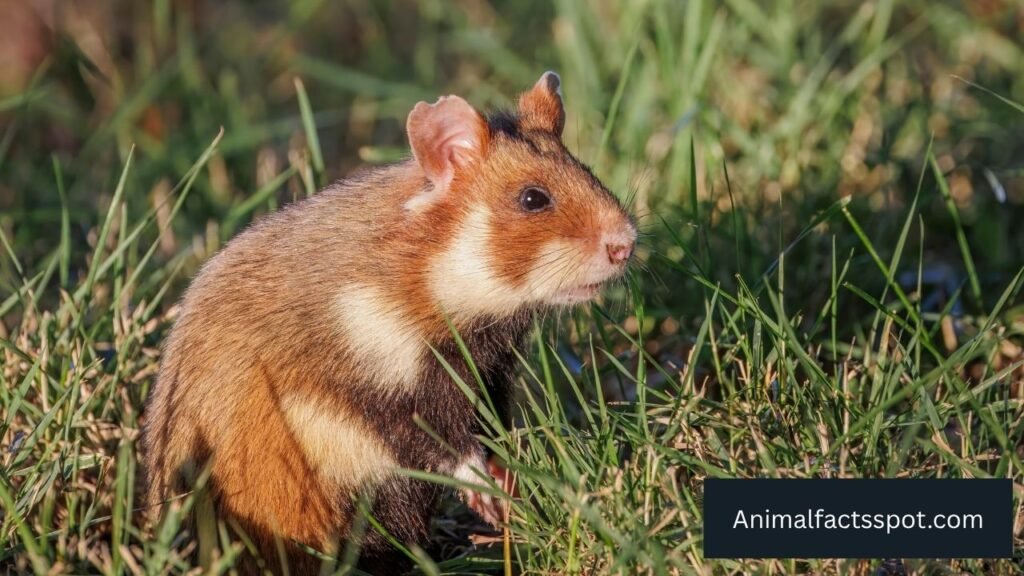
In the realm of pet ownership, hamsters’ greed can manifest interestingly. It’s common to witness them gobbling up treats with relentless enthusiasm, often stuffing their cheeks to the brim, showcasing their undeniable charm. But beyond their adorable antics, this behavior highlights an important lesson about balancing their diet.
Ant
Scientific Name: Formicidae
Class: Insecta
Diet: Omnivore
Ants exemplify a striking blend of cooperation and insatiable greed, showcasing behavior that is both fascinating and fierce. These tiny powerhouses work in unison to gather food, and their foraging instincts can be remarkably strategic. When a food source is discovered, they leave pheromone trails that lead their comrades to the feast, often resulting in a frenzy of activity. This collective approach can make them seem more like an organized army rather than individual creatures, but beneath this unity lies an intense desire to hoard.
Interestingly, certain ant species engage in downright ruthless tactics to amass their wealth. For instance, the Leafcutter ant not only harvests leaves but also cultivates fungi inside their colonies, creating a sustainable food source. Their greed is not just for immediate sustenance but extends to preparing for the future. Some ant species exhibit slave-making behaviors, raiding rival colonies and abducting larvae to work for them. This complex interplay of greed and survival reveals a darker side to these industrious insects, inviting us to reconsider the fine line between necessity and avarice in the animal kingdom.
Octopus
Scientific Name: Octopus vulgaris
Class: Cephalopoda
Diet: Carnivore
The octopus, often celebrated for its intelligence and adaptability, also exhibits a surprisingly greedy nature when it comes to feeding. This cephalopod can consume prey far larger than itself, showcasing its remarkable ability to stretch its body, even dislocating its own limbs to extract every morsel from tight crevices. Their keen hunting strategies, combined with adept camouflage, allow them to ambush unsuspecting crabs and fish, leaving little behind but empty shells.
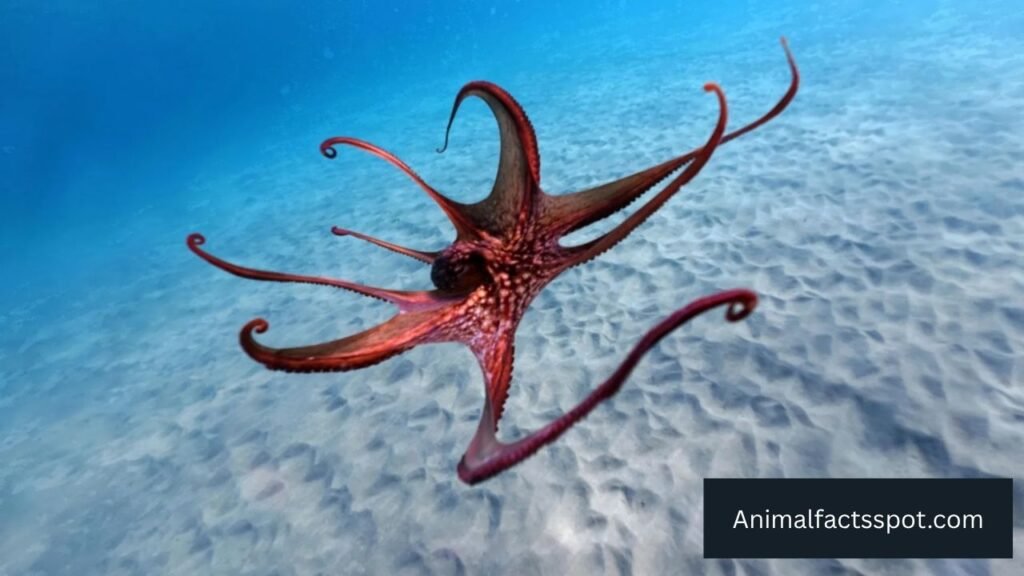
Octopuses possess a fascinating form of foraging behavior that illustrates their greedy tendencies. They often hoard their favorite snacks, like crabs or mollusks, in designated hiding spots, creating what can almost be described as a personal pantry in the ocean depths.
Tiger Sharks
Scientific Name: Galeocerdo cuvier
Class: Chondrichthyes
Diet: Carnivore
Tiger sharks, often dubbed the “garbage cans of the ocean,” have a reputation that extends far beyond their formidable hunting skills. With their wide, serrated teeth and a penchant for indiscriminate feeding, these predators embody a unique form of greed in the animal kingdom. What’s intriguing is how their diet reflects the diversity of their environment; they consume everything from fish and seals to discarded human debris, showcasing an adaptability that underscores their role in marine ecosystems.
This scavenging behavior raises fascinating questions about the balance of oceanic food webs. Unlike more selective predators, tiger sharks play a pivotal role in cleaning up ecological harm caused by human activity. While their voracious appetite might appear reckless, it serves as a reminder of nature’s intricate dance, where every creature, even the most gluttonous, contributes to maintaining the health of its habitat.
Honey Badgers
Scientific Name: Mellivora capensis
Class: Mammalia
Diet: Carnivore
Honey badgers exemplify audacious greed in the animal kingdom. Known for their fearlessness, these small yet tenacious creatures often take on prey much larger than themselves, driven by an insatiable appetite. Their diet is vast, ranging from insects and rodents to snakes and even young mammals, showcasing not only their bravery but also their relentless pursuit of food.
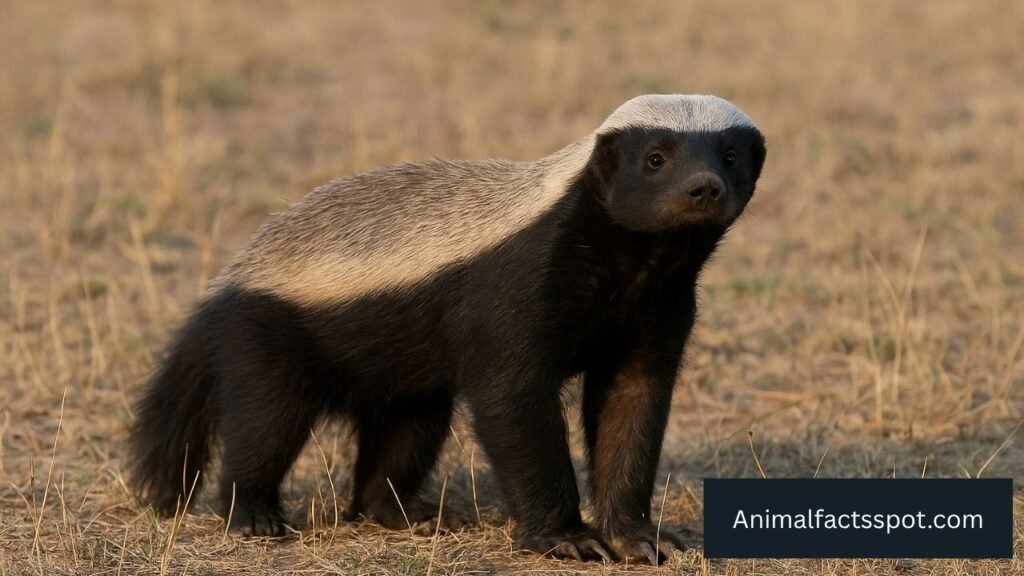
Their thick skin and unique survival instincts allow them to tackle these deadly adversaries with remarkable aplomb. This adaptive behavior is a testament to their relentless hunger, demonstrating how hunger drives not just survival but evolution in the wild. Each encounter emphasizes a unique strategy; they exploit every opportunity, proving that in the quest for sustenance, greed can be a powerful motivator — even in the animal realm where survival means weaving a delicate balance between danger and desire.
Vulture
Class: Aves
Diet: Carnivore (Scavenger)
Vultures, often maligned as the ultimate scavengers, possess a remarkable efficiency that transcends mere greed. Their keen eyesight allows them to spot carcasses from miles away, capitalizing on nature’s leftovers with an acute sense of timing. This foraging strategy not only showcases their adaptability but underscores their crucial role in maintaining ecological balance. By consuming dead animals, vultures help prevent the spread of disease, acting as nature’s cleanup crew.
Yet, their behavior goes beyond opportunism; it offers profound insights into survival instincts. In a world where resources are finite, vultures exemplify the delicate dance of competition and cooperation. They often flock together, showcasing a remarkable social structure that fosters community while ensuring their survival. This blend of individual pursuit and collective benefit challenges the notion of greed, inviting us to reconsider our perspective on this misunderstood avian species.
Seagulls
Class: Aves
Diet: Omnivore
Seagulls, often dismissed as mere pests at beaches and picnic spots, possess a fascinating blend of cunning and adaptability that highlights their greed-driven behavior. They’ve honed their scavenging skills to thrive in urban environments, turning the act of stealing food into an art form. With their sharp eyes, they can spot a crumbled sandwich from a distance, swooping down with remarkable agility to snatch their prize before the unsuspecting owner is even aware of their presence.
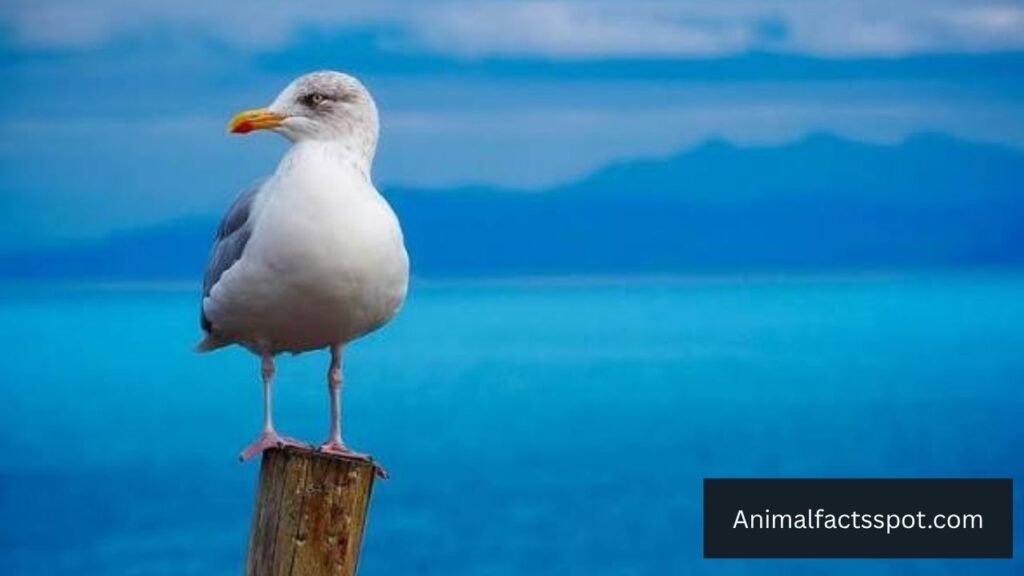
What’s particularly intriguing is how seagulls have developed complex social behaviors around food. They often work in groups, creating a chaotic scene where one bird distracts people while others make off with snacks. This teamwork is a testament to their intelligence and resourcefulness, showcasing their ability to use social dynamics to their advantage.
Chimpanzees
Scientific Name: Pan troglodytes
Class: Mammalia
Diet: Omnivore
Chimpanzees exhibit behaviors that may seem brazenly greedy, particularly when food is involved. These highly intelligent primates are known not only for their remarkable problem-solving skills but also for their ability to strategize and manipulate social interactions to ensure they come out on top during feeding frenzies. Observations in the wild reveal that chimps often engage in food hoarding, stashing away fruits and nuts to secure resources for times when food is scarce.
Moreover, the social hierarchy within chimpanzee communities adds another layer to their seemingly greedy nature. Dominant individuals tend to monopolize food sources, utilizing their status to intimidate others and protect their meals. However, lower-ranking members have developed clever tactics, like forming alliances and engaging in deceit, to snatch morsels when the opportunity arises.
Foxes
Scientific Name: Vulpes vulpes
Class: Mammalia
Diet: Omnivore
Foxes are often seen as cunning and clever, traits that serve them well in the wild when it comes to foraging for food. These adaptable creatures showcase a unique form of greed that lies not in hoarding, but in their remarkable ability to exploit diverse food sources. From small rodents to fruits, and even human leftovers, foxes display an opportunistic feeding strategy that highlights their resourcefulness.
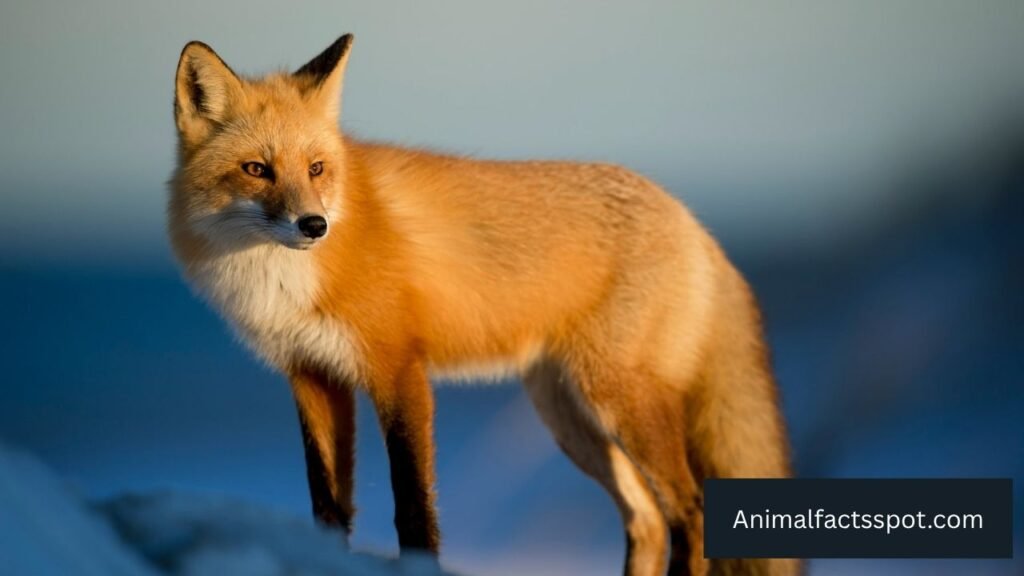
Their “greed” for food translates into a form of balance, making them key players in the ecosystem. But this behavior also draws them close to humans, often scavenging in backyards or parks, illustrating the strange overlap between urban expansion and wildlife. In a world increasingly shaped by human influence, the fox’s adaptability offers a poignant reminder of nature’s resilience — showcasing how a creature labeled as greedy can also embody ingenuity and ecological harmony.
Crocodile
Class: Reptilia
Diet: Carnivore
Crocodiles epitomize the essence of primal greed. With their powerful jaws and formidable size, they are apex predators that dominate their aquatic habitats. Their patience and cunning are unparalleled; a crocodile can lie in wait for hours, if not days, to ambush unsuspecting prey. This ambush strategy is not just about power but showcases a unique understanding of opportunity.
Moreover, crocodiles display a peculiar form of resource hoarding. After a substantial catch, they often store leftover pieces in underwater grottos, ensuring they have access to food even in lean times. This behavior paints them as not just greedy hunters but also strategic survivors, indicating that their greed is intertwined with deep instincts for survival.
Rat
Scientific Name: Rattus rattus
Class: Mammalia
Diet: Omnivore
Rats are often underestimated in their cunning behavior and adaptability, traits that make them some of the most opportunistic feeders in the animal kingdom. A rat’s diet isn’t limited to scraps of food; they’ll consume anything from grains and fruits to surprisingly intricate human leftovers, showcasing a palette as eclectic as that of a gourmet.
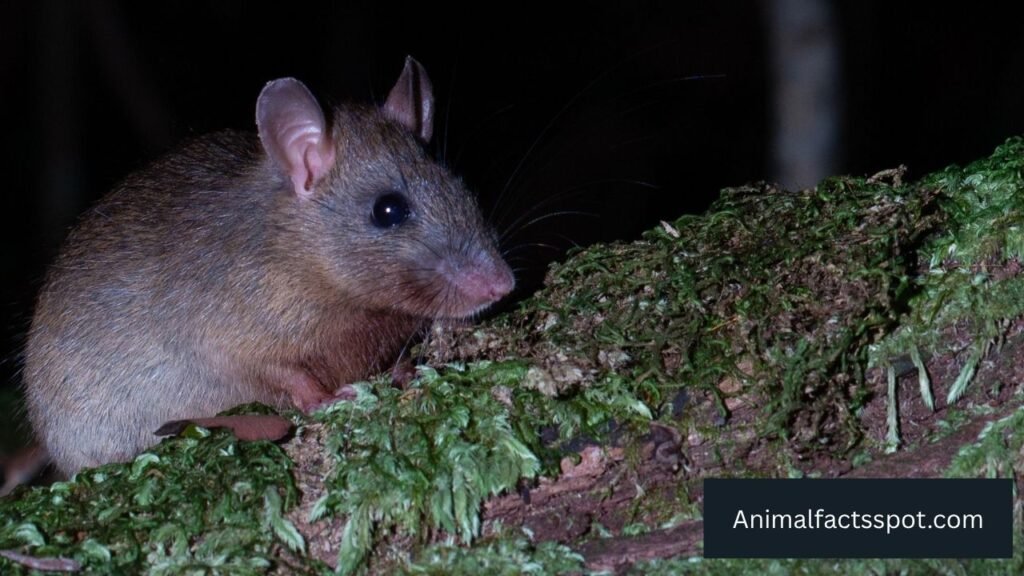
What sets rats apart in the realm of greed is their social feeding behavior. Living in groups allows them to share knowledge about food sources, thereby enhancing their foraging efficiency. Their insatiable hunger isn’t just about sustenance; it reflects a deep-rooted adaptability, ensuring they can thrive in any ecosystem, all while leaving a trail of rummaged refuse in their wake. Their relentless quest for food makes them not just greedy, but masterful exploiters of opportunity.
American Pygmy Shrews
Scientific Name: Sorex hoyi
Class: Mammalia
Diet: Insectivore
The American pygmy shrew, often overshadowed by larger mammals, embodies a remarkable paradox in the animal kingdom. Their metabolic rate is among the highest of all mammals, prompting them to consume up to twice their body weight in food each day. This incessant need for sustenance drives them to forage almost constantly, turning their strikingly small size into an advantage as they flit through grass and leaf litter in search of insects and small invertebrates.
Beyond their relentless quest for food, American pygmy shrews are fascinatingly opportunistic. With sharp teeth designed for quick bursts of feeding, they can exploit food sources that larger animals often overlook, showcasing an impressive adaptability to their environments. In the grand scheme of nature’s food web, their greedy behavior plays a critical role, cycling nutrients and maintaining ecological balance, reminding us that even the smallest creatures have a vital part to play in our complex ecosystems.
Lion
Scientific Name: Panthera leo
Class: Mammalia
Diet: Carnivore
Lions, often revered as the kings of the jungle, showcase a level of greed that is both fascinating and brutal. They engage in a unique social structure where pride dynamics dictate not just their hunting success but also their eating habits. A dominant male may consume first from a kill, hoarding the best parts for himself while the females and cubs watch in anticipation. This behavior highlights a complex social hierarchy, revealing that greed in lions isn’t merely about survival; it’s an assertion of power and status within the pride.
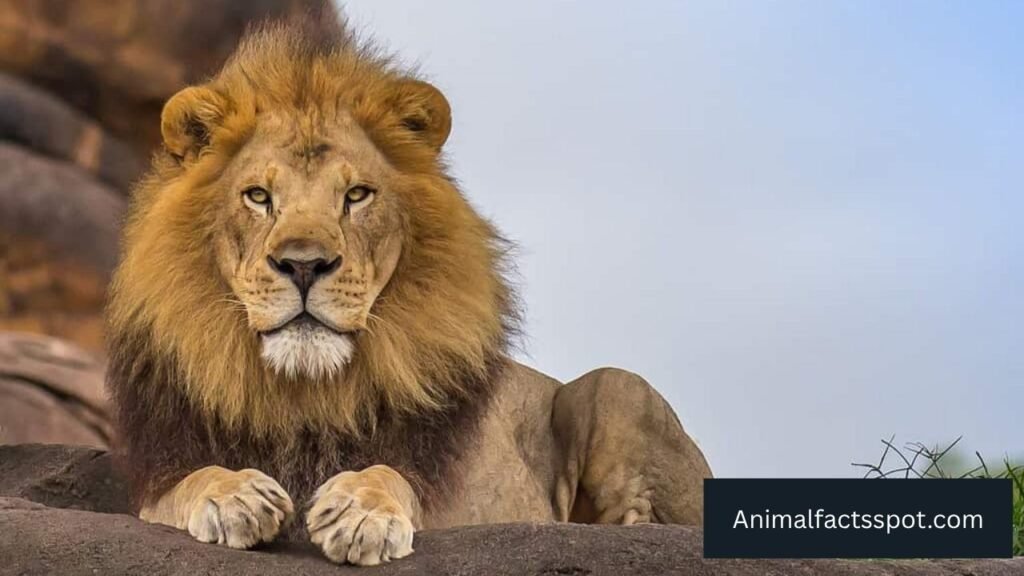
Interestingly, lion greed doesn’t solely pertain to physical food. Their territorial instincts manifest as a fierce competition for resources, leading to aggressive behavior toward rival prides. This greed for territory directly affects their feeding grounds and, subsequently, their reproductive success. In a sense, the lion’s greed becomes a double-edged sword, fueling both their dominance and, at times, leading to their downfall when resources become too scarce.
Brown Bears
Scientific Name: Ursus arctos
Class: Mammalia
Diet: Omnivore
Brown bears, renowned for their formidable size and strength, are just as famous for their insatiable appetites. During the brief window of summer, these creatures become fearsome foragers, consuming up to 90 pounds of food daily in preparation for hibernation. Their diet is impressively varied, ranging from fresh fruits and berries to high-protein sources like fish and small mammals.
Interestingly, the once solitary brown bear showcases social interactions that reveal a fascinating aspect of their greed. Researchers have observed instances of food-sharing among maternal bears and their cubs, shedding light on a communal strategy that balances individual survival with nurturing the next generation. Moreover, brown bears have been known to utilize their keen sense of smell to detect food buried under snow or hidden in tree hollows, illustrating a unique adaptability in their hunt for sustenance.
Hyenas
Scientific Name: Crocuta crocuta
Class: Mammalia
Diet: Carnivore
Hyenas, often misunderstood, are emblematic of both cunning and tenacity in the animal kingdom. These creatures are not merely scavengers; they are highly skilled hunters, capable of taking down prey much larger than themselves. This sophistication in their social dynamics reveals a deeper layer to their “greed,” as they prioritize communal living and resource sharing, ensuring the survival of the clan over the individual.
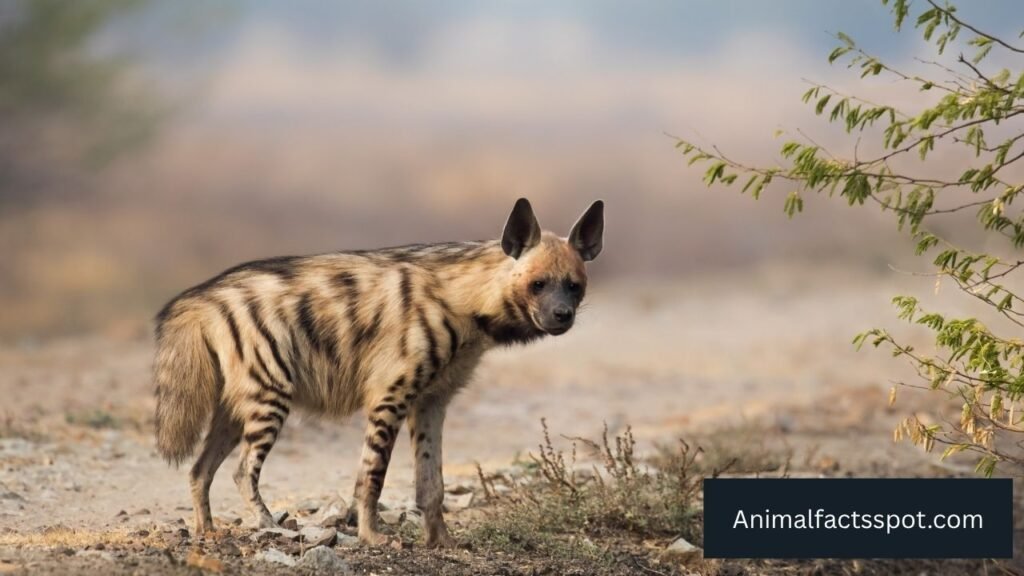
In their relentless pursuit of survival, hyenas have developed a reputation for being “greedy,” but this behavior is actually a testament to their adaptability. Their ability to consume almost every part of their prey is not just a matter of greed; it’s an evolutionary advantage. By efficiently using resources that other animals might ignore, hyenas contribute to their ecosystems in ways that maintain balance, recycling nutrients back into the soil. greed but also as a vital ecological role, showcasing nature’s intricate web of interdependence.
Weasel
Scientific Name: Mustela nivalis
Class: Mammalia
Diet: Carnivore
The weasel, with its sleek body and insatiable appetite, epitomizes the art of cunning survival. Known for their voracious nature, these small carnivores have a unique ability to adapt their hunting strategies, often preying on animals much larger than themselves. Their relentless pursuit of food, whether it be rodents or birds, showcases a remarkable blend of agility and determination that makes them thrilling yet formidable hunters in the wild.
What sets weasels apart is their remarkable metabolism; they require a consistent intake of food that can amount to nearly their entire body weight in a day. This unquenchable hunger drives them to exploit various niches within their habitats, making them both efficient predators and opportunistic scavengers. This adaptability not only highlights their role in the ecosystem but also poses intriguing questions about the balance between greed and survival in nature.
Tasmanian Devils
Scientific Name: Sarcophilus harrisii
Class: Mammalia
Diet: Carnivore
Tasmanian devils are not just quirky, carnivorous marsupials; they embody an insatiable appetite that showcases nature’s raw, unfiltered behaviors. Renowned for their voracious feeding habits, they will consume almost anything, including carrion, small mammals, and even fruits and vegetables. This dietary versatility underscores their role as scavengers, effectively cleaning up the ecosystem while demonstrating a fascinating balance between greed and ecological necessity.
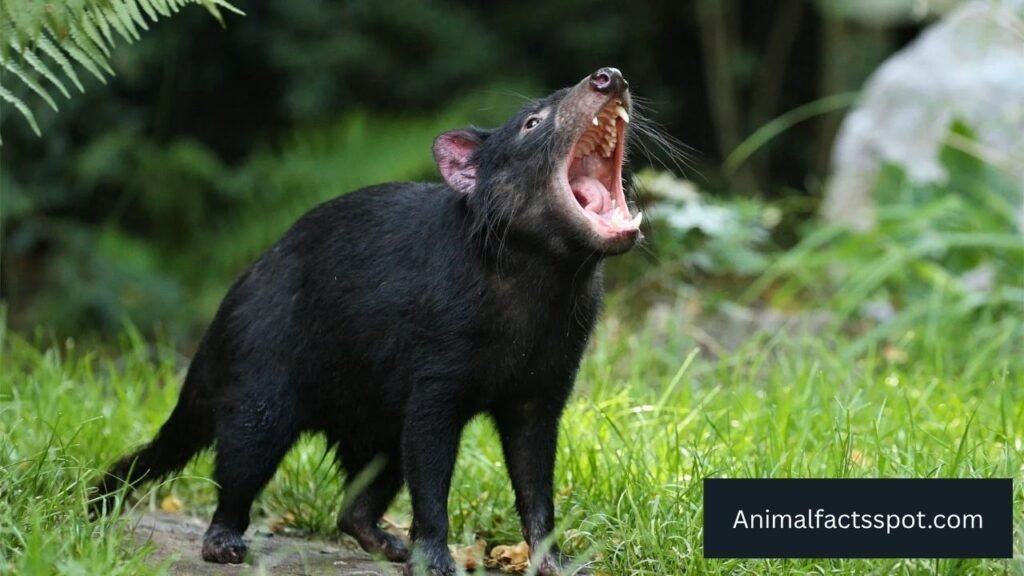
These devils often gather in groups around a carcass, and the ensuing chaos is a spectacle of both competition and camaraderie. Their loud, growling calls fill the air, creating an environment where survival instincts clash with social behavior. In this primal theater, their greed transforms into a survival tactic, as only the strongest or most cunning secure the choicest morsels. This blend of ferocity and community reflects a complex narrative that challenges our perceptions of greed in the animal kingdom.
Burmese Python
Scientific Name: Python bivittatus
Class: Reptilia
Diet: Carnivore
The Burmese Python is a masterful predator that epitomizes the art of greed in the animal kingdom. Known for its impressive size, these snakes can reach lengths of over 20 feet, allowing them to take down large prey with a single, powerful strike. Their dietary choices are quite diverse, ranging from rodents and birds to larger mammals like deer — demonstrating an insatiable appetite that keeps them on the prowl.
Moreover, the Burmese Python’s hunting strategy reveals a fascinating twist in its quest for food: it often relies on ambush tactics, lying in wait for hours or sometimes days. This patience underscores a cunning that goes beyond mere hunger; it’s about maximizing energy efficiency. Once it captures its meal, the python can go weeks — or even months — without eating again, indulging in a binge that would put any food lover to shame.
Baboon
Class: Mammalia
Diet: Omnivore
Baboons are often viewed as some of the most opportunistic foragers in the animal kingdom, showcasing a keen intelligence that propels their relentless quest for food. Notably social, they boast complex hierarchies, which influence their foraging behaviors. Baboons don’t just scavenge; they utilize sophisticated strategies to access food, often working in groups to overpower larger prey or raiding human settlements in search of easily accessible snacks.
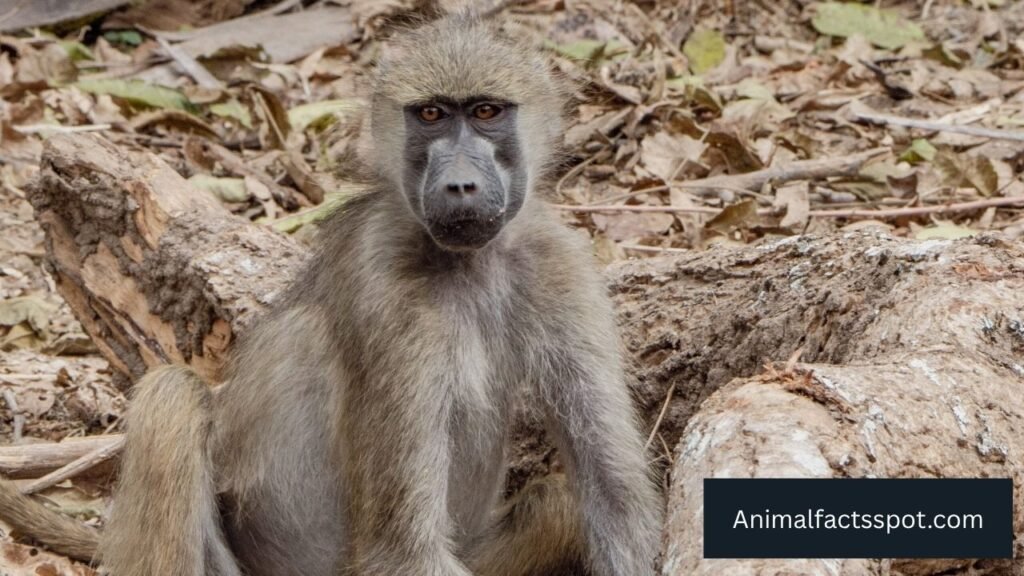
Their adaptability is a double-edged sword: while it allows them to exploit a variety of food sources, it can also lead to conflicts with humans. For instance, baboons have been known to invade agricultural fields, demonstrating their ability to navigate and manipulate human environments. This behavior reflects not just a greed for food but also a broader survival instinct shaped by their challenging habitats. Exploring the baboon’s relationship with humans sheds light on how their greed is intricately tied to adapting and thriving in a rapidly changing world, urging us to rethink the narrative around these fascinating creatures.
Readmore: Explore Top 15 Most Active Animals in The World.
Conclusion
The world of wildlife is home to some remarkably greedy animals that showcase behaviors driven by instincts of survival and competition. From the cunning hyena to the opportunistic seagull, these creatures remind us that greed can manifest in various forms across the animal kingdom. While their actions may seem selfish at times, they are a crucial part of the ecosystem, maintaining balance and order. Understanding the motivations behind their behaviors can lead us to a greater appreciation of nature’s complexity. As we reflect on these fascinating examples, let’s take a moment to observe and respect the wildlife around us, embracing the diverse strategies they employ to thrive.
FAQs
Which animal is very hungry?
The animal often known for its insatiable appetite is the hummingbird. Despite its tiny size, it has a high metabolism that requires it to consume up to twice its body weight in nectar every day. This need for constant fuel leads them to feed every 10-15 minutes, often visiting hundreds of flowers in a single day.
What is the greediest animal on the planet?
The wolverine is often considered one of the greediest animals on the planet. Known for its ferocious appetite and tenacity, this small but mighty carnivore will aggressively scavenge and hunt, often taking down prey much larger than itself. Wolverines can consume large amounts of food in one sitting, hoarding leftovers to eat later, which showcases their instinctual drive to secure resources.