Explore Top 15 Animals That Live in Rivers (With Images)
In this article, we’ll dive into the world of animals that live in rivers, exploring their unique adaptations and ecological importance. Understanding these species not only enriches our appreciation for biodiversity but also highlights the critical need for river conservation. By the end, you’ll gain insight into the incredible lives of these river dwellers and why they matter to our ecosystems.
List of Animals That Live in Rivers
Here is the animals that live in Rivers:
- River frog
- Platypus
- Common otter
- Capybara
- Diving bell spider
- Chain pickerel
- Belted crayfish
- American alligators
- Pink river dolphin
- Hippopotamus
- Freshwater eel
- Brazos water snake
- Blue crab
- Blue catfish
- Red-eared slider turtle
River frog
Scientific Name: Lithobates Heckscheri
Class: Amphibia
Diet: Carnivore
The river frog, a captivating amphibian, thrives in the dynamic ecosystems of freshwater bodies, showcasing a remarkable adaptation to its aquatic habitat. These frogs exhibit a unique blend of camouflage, blending seamlessly with the riverbed’s rocks and foliage, which not only protects them from predators but also enhances their hunting prowess. With their distinctive vocalizations, river frogs contribute to the symphony of river life, their calls echoing through the twilight as they attract mates during the breeding season.
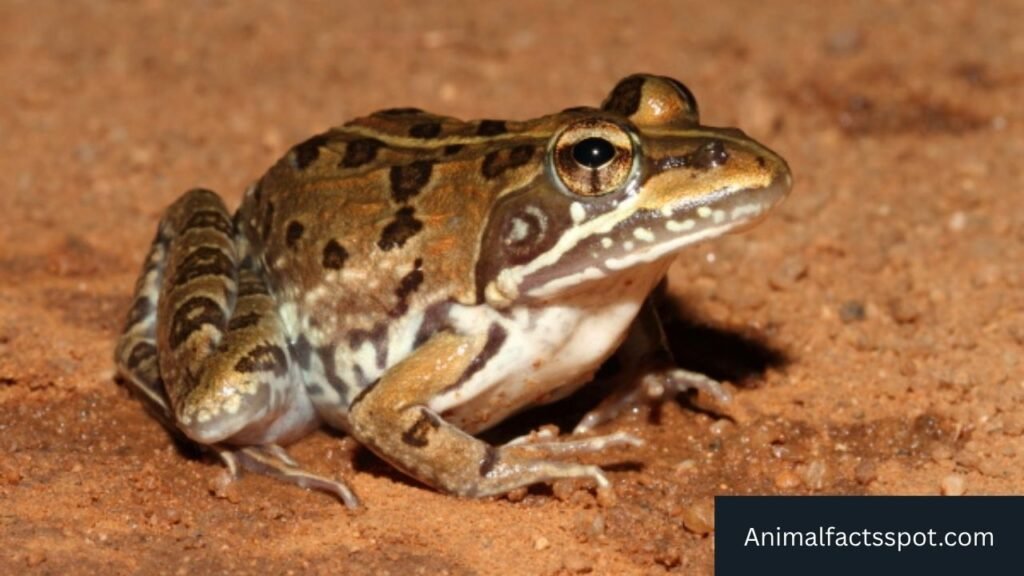
What sets river frogs apart is their extraordinary resilience to varying water conditions. Unlike other amphibians, they can tolerate a range of salinity levels, enabling them to inhabit both freshwater and slightly brackish environments. This adaptability highlights the intricate balance of river ecosystems, reminding us of the delicate interconnections among species. Observing river frogs in their natural habitat reveals a world teeming with life, underscoring the importance of protecting these waterways to sustain not only their populations but also the diverse array of organisms they interact with.
Platypus
Scientific Name: Ornithorhynchus anatinus
Class: Mammalia
Diet: Carnivore
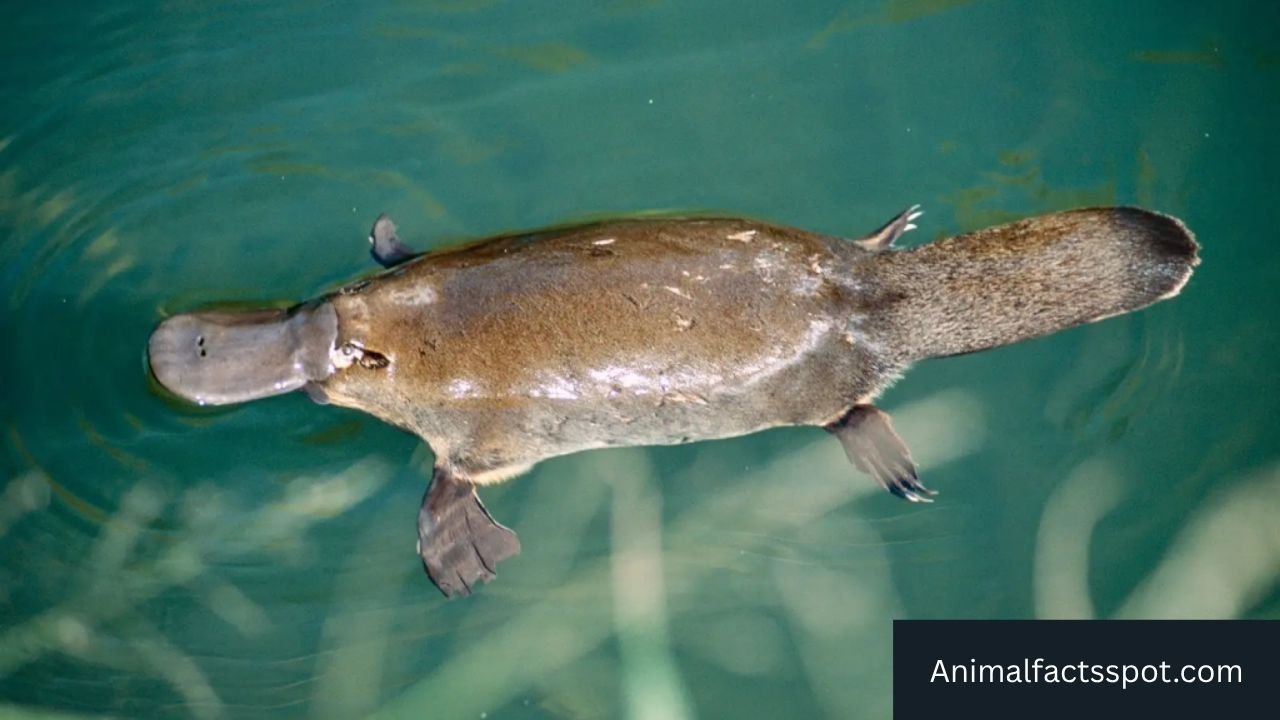
The platypus is a remarkable creature that blurs the lines between mammal and reptile, captivating both scientists and animal enthusiasts alike. With its duck-like bill, webbed feet, and tail reminiscent of a beaver, it is a stunning reminder of evolution’s playful creativity. Found primarily in the freshwater river systems of Australia, the platypus thrives in environments where it can forage for its diet — primarily consisting of insects, larvae, and small aquatic creatures.
What distinguishes the platypus even further is its unique method of sensing prey; it utilizes electroreception, an extraordinary ability to detect electric fields generated by the movements of animals in the water. This adaptation allows the platypus to hunt effectively even in murky river waters, showcasing a mesmerizing blend of ancient traits and modern survival strategies. The platypus plays a crucial role in its ecosystem, helping to regulate insect populations and contributing to the overall health of its freshwater habitat. Its presence is a testament to the intricate balance of riverine ecosystems, underscoring the need for conservation efforts to protect these vital waterways.
Common otter
Scientific Name: Lontra Canadensis
Class: Mammalia
Diet: Carnivore
The common otter, a sleek and playful inhabitant of rivers, exemplifies the perfect blend of adaptability and grace. Known for their curious nature, these mammals are often seen sliding down riverbanks and engaging in energetic play with their young, showcasing a social structure that thrives on cooperation. Their families, or “rafts,” can consist of up to 20 individuals, all of whom communicate through a series of chirps and whistles, weaving a rich tapestry of sound that echoes with the vitality of their habitat.
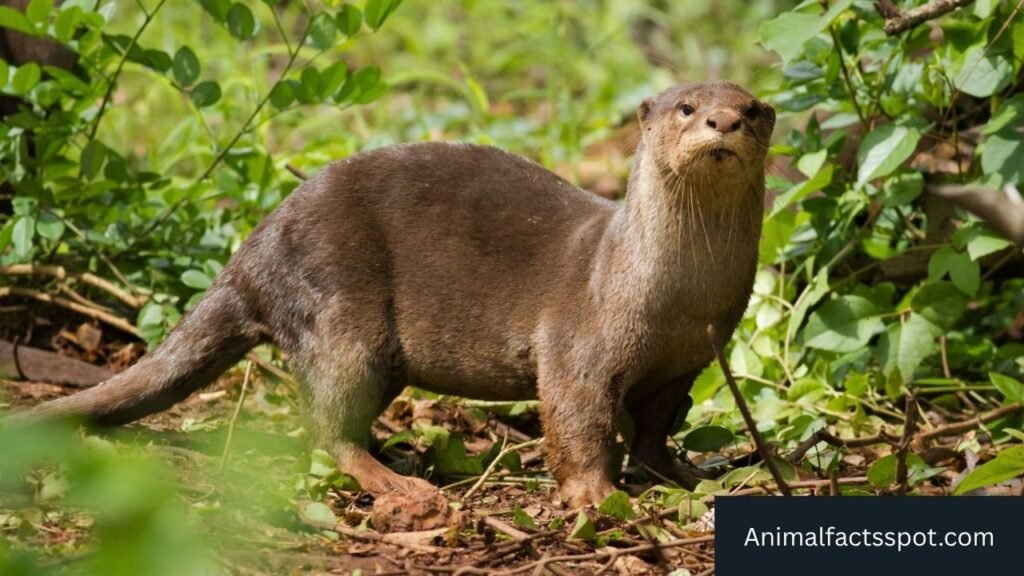
Beyond their charming antics, common otters play a crucial role in the river ecosystem. As proficient hunters, they primarily feed on fish, crustaceans, and small mammals, helping to keep populations in check and maintain a balanced food web. Surprisingly, their fur, which is remarkably water-resistant, can trap air, allowing them to stay warm in icy waters and fend off the chill of winter. This adaptation not only highlights their remarkable evolutionary traits but also underscores the delicate connection between river ecosystems and the survival of its inhabitants. The presence of otters often indicates a healthy environment, making them not just captivating creatures but essential indicators of riparian ecosystem health.
Readmore: Explore Top 15 Most Active Animals in The World.
Capybara
Scientific Name: Hydrochoerus Hydrochaeris
Class: Mammalia
Diet: Herbivore
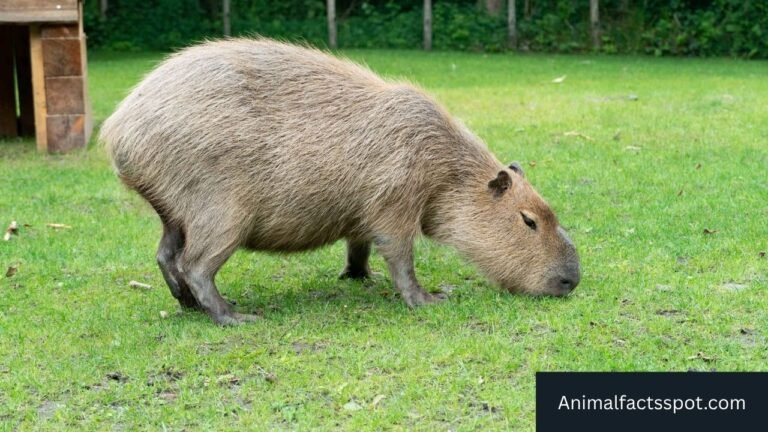
Capybaras, often hailed as the largest rodents in the world, thrive in the lush ecosystems of South America’s rivers and wetlands. These social creatures, typically found in groups, embody harmony with their watery habitats. Their semi-aquatic nature is intriguing; they possess webbed feet, enabling them to glide effortlessly through rivers while foraging for grasses, fruits, and aquatic plants. Perhaps most fascinating is their behavior: capybaras are known to engage in communal sunbathing, often seen lounging together on riverbanks, their sleek bodies soaking up the sun’s warm rays.
What truly sets capybaras apart is their unique role in their ecosystems. As herbivores, they contribute to the health of their environment by grazing on vegetation, which helps maintain the balance of plant life near riverbanks. This grazing not only benefits the capybara but also creates open areas that other wildlife can utilize. Moreover, their placid demeanor allows them to coexist with a variety of other species, from caimans to birds, creating a rich tapestry of life that ultimately enhances biodiversity. Observing capybaras is a reminder of the intricate connections in nature, where even the largest rodents play a pivotal role in maintaining the vitality of river ecosystems.
Diving bell spider
Scientific Name: Argyroneta aquatica
Class: Arachnida
Diet: Carnivore
The diving bell spider, a remarkable inhabitant of freshwater environments, is an aquatic marvel that defies the typical image of a spider. Unlike its many land-dwelling relatives, this unique arachnid creates air-filled structures using silk, which allow it to breathe underwater. These “diving bells,” resembling small, glistening bubbles, not only serve as a refuge but also act as a nursery for its young. As it scuttles along the riverbed, the spider showcases its remarkable ability to thrive in an aquatic world, transforming the way we perceive the adaptability of arachnids.
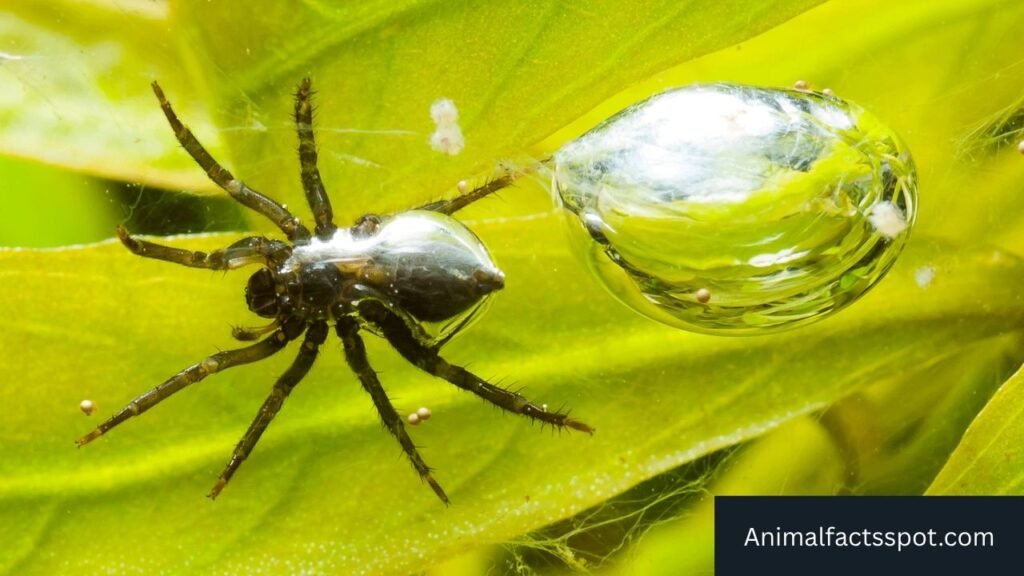
What’s truly fascinating is the diving bell spider’s hunting technique. With its keen sense of vibrations, it detects potential prey — often small aquatic invertebrates — with astounding precision, swiftly darting from its bell to seize an unsuspecting target. This predatory prowess is a testament to its evolutionary ingenuity, allowing it to fill a niche that few other spiders can. Furthermore, the diving bell spider offers a glimpse into the intricate web of life within river ecosystems, illustrating the delicate balance of its environment and the unique adaptations creatures make to survive and thrive in diverse habitats.
Chain pickerel
Scientific Name: Esox Niger
Class: Actinopterygii
Diet: Carnivore
The chain pickerel, with its striking patterned body and sharp, elongated teeth, is a fascinating inhabitant of North American rivers. Unlike many freshwater species, the chain pickerel thrives in weedy, densely vegetated areas, making it a master of ambush. They have a penchant for lurking among submerged plants, where they lie in wait for unsuspecting prey like minnows and frogs. This behavior not only showcases their hunting prowess but also highlights the intricate balance of river ecosystems, reminding us of the importance of preserving aquatic habitats.
Their vibrant hues, with a backdrop of olive green and a distinctive chain-like pattern, not only serve as camouflage but also play a role in mating displays. During the spawning season, male chain pickerel become more vibrant, showcasing their healthiest traits to attract females. This dynamic intertwines beauty with survival, illustrating the ways in which physical attributes evolve in response to environmental pressures. Observing these captivating predators can be a reminder of the hidden wonders within our river systems, urging conservation efforts to maintain their delicate ecosystems for generations to come.
You can also read: Explore Top 11 Animals That Eat Honey.
Belted crayfish
Scientific Name: Faxonius Harrisonii
Class: Malacostraca
Diet: Omnivore
Belted crayfish, often overshadowed by their more charismatic river neighbors, are fascinating creatures that play a vital role in freshwater ecosystems. Known for their striking coloration, these crustaceans exhibit a range of hues from olive green to bright blue, which can vary by habitat. Their unique exoskeleton not only serves as armor but also as a canvas showcasing the diverse environments they inhabit. Living in creeks and rivers, they often construct intricate burrows that maintain water quality and provide shelter to various aquatic lifeforms, illustrating their essential role in both the ecosystem and the food chain.
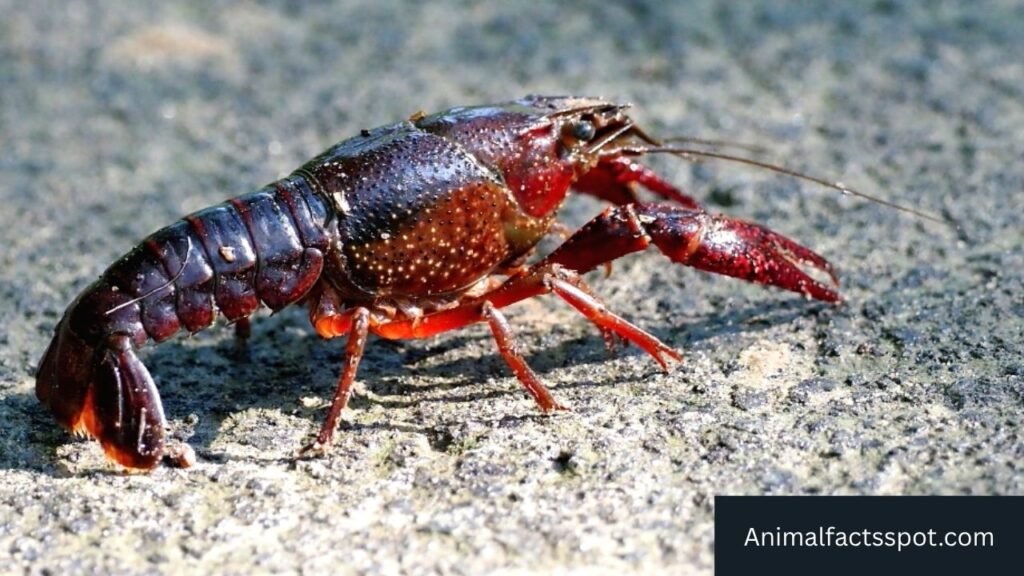
Interestingly, belted crayfish engage in behaviors that challenge the conventional understanding of river dynamics. They are not mere scavengers; their foraging habits contribute to sediment turnover, which helps maintain a balanced ecosystem. By consuming detritus and algae, they clear waterways and ensure that light penetrates deeper waters, promoting the growth of aquatic plants. This relationship demonstrates the interconnectedness of river ecosystems, highlighting how even the smallest animals can influence the health and sustainability of their environment. Observing these creatures can shift one’s perspective, reminding us that every component, no matter how small, plays a critical role in the rhythm of life under the water’s surface.
American alligators
Scientific Name: Alligator mississippiensis
Class: Reptilia
Diet: Carnivore
American alligators are masterful ambush predators, adept at blending seamlessly into their river environments. With their powerful tails and webbed feet, they navigate both still waters and swift currents with remarkable grace. These reptiles can often be spotted lounging on riverbanks, sunbathing to regulate their body temperature, showcasing a unique juxtaposition of power and relaxation. Their stealthy approach allows them to surprise unsuspecting prey, which includes fish, birds, and even larger mammals that venture too close to the water’s edge.
Beyond their predatory prowess, alligators play a crucial ecological role in maintaining the health of river ecosystems. As apex predators, they help regulate populations of other species, ensuring a balanced habitat. Their nests provide a safe haven for various species, and the underwater burrows they create can support diverse aquatic life. Observing these ancient creatures in their natural habitat fosters a deeper appreciation for the intricate interplay of life within river ecosystems, revealing the significant responsibilities these incredible reptiles carry in maintaining their watery realms.
Pink river dolphin
Scientific Name: Inia geoffrensis
Class: Mammalia
Diet: Carnivore
The pink river dolphin, or boto, is a remarkable creature that thrives in the murky waters of the Amazon and Orinoco river systems. Unlike their oceanic cousins, these freshwater dolphins boast a unique adaptability, with a stocky build and an enchanting pink hue that deepens with age. This coloration isn’t just for show; it helps them blend into the sun-dappled waters, while their flexible bodies allow for agile maneuvers among submerged obstacles like fallen trees and aquatic plants.
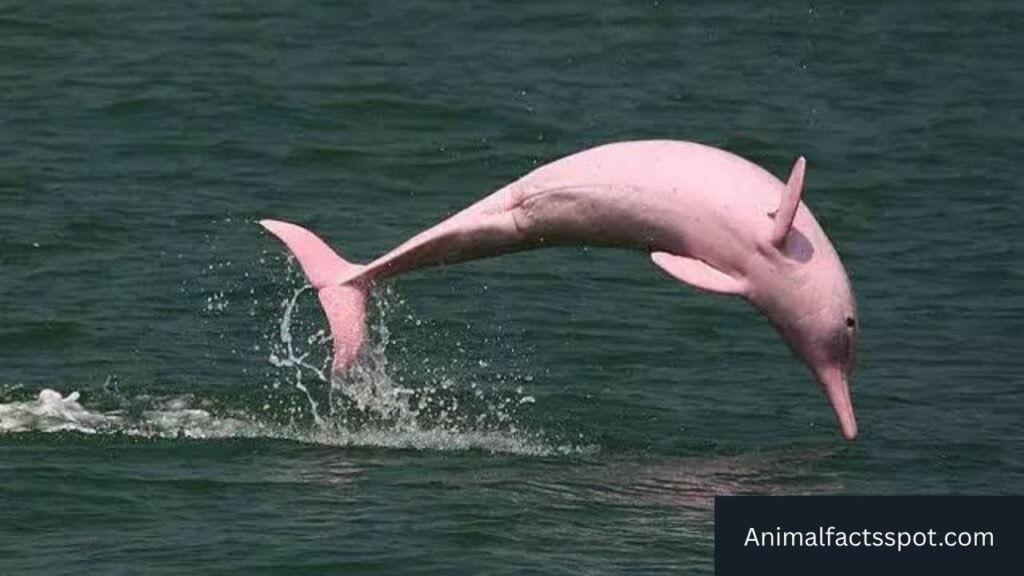
Social and highly intelligent, pink river dolphins demonstrate complex behaviors that suggest they possess a rich emotional and social life. They engage in cooperative hunting, using echolocation to locate prey such as fish and crustaceans in the dim river depths. Incredibly, these dolphins are known for their playful antics, often interacting with boats and occasionally even surfacing for a curious peek at passing humans. However, the boto faces significant threats from habitat degradation and fishing practices, sparking conservation efforts aimed at ensuring these enchanting mammals continue to grace our rivers for generations to come. Their presence not only enriches the ecosystem but also embodies the delicate balance of life within our planet’s riverine environments.
Also read: Explore Top 13 Birds That Fly at Night.
Hippopotamus
Scientific Name: Hippopotamus Amphibius
Class: Mammalia
Diet: Herbivore
The hippopotamus, often mistakenly portrayed as a docile giant lounging in the water, is a fascinating paradox of gentleness and ferocity. Though they spend a large part of their days submerged to keep cool, these robust creatures are surprisingly agile swimmers, propelling themselves with astonishing speed across riverbeds. Their massive bodies are designed for life in the water, with nearly three-quarters of their weight supported by buoyancy, allowing them to roam along the riverbanks with ease when they come ashore at night.
However, it’s beneath the surface where the hippo’s prowess truly shines. Their eyes, ears, and nostrils are uniquely positioned atop their heads, allowing them to remain nearly submerged while keeping watch for predators or rivals. Nocturnal grazers, hippos can consume over 80 pounds of grass in a single night, playing a crucial role in shaping the riverine ecosystems. As they forage, they also help to maintain the health of their habitat, creating grazing areas that benefit other species. The river is not just their home; it is a thriving ecosystem that hinges on the existence of these powerful mammals.
Freshwater eel
Scientific Name: Anguilla Rostrata
Class: Actinopterygii
Diet: Carnivore
The freshwater eel is a master of camouflage and adaptability, thriving in diverse aquatic environments. Known for their elongated bodies and slippery skin, these creatures can be found winding through murky riverbeds and navigating the intricate networks of slow-moving streams. What sets them apart is their unique life cycle: starting in the Sargasso Sea, they journey thousands of kilometers to freshwater habitats, showcasing a remarkable instinctual drive that baffles scientists.
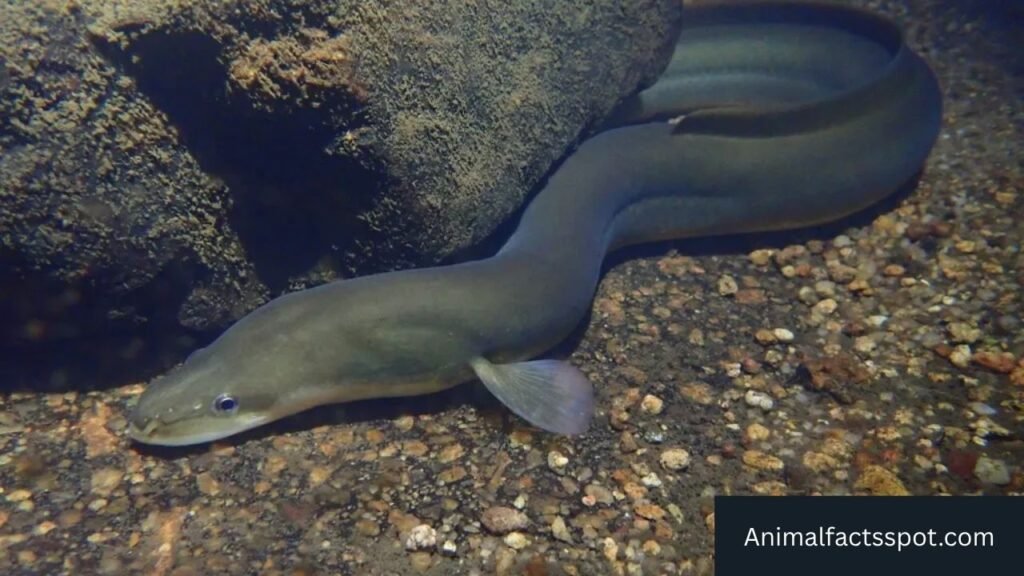
Beyond their impressive migratory behavior, freshwater eels play a crucial role in their ecosystems. As both predator and prey, they contribute to the health of riverine food webs, feeding on insects, smaller fish, and invertebrates while also serving as a source of nutrition for larger predators like herons and otters. Yet, their survival faces grave threats from habitat degradation and climate change, disrupting their complex life history. Understanding the intricacies of their existence prompts us to appreciate these enigmatic creatures and the delicate balance they maintain within our rivers.
Brazos water snake
Scientific Name: Nerodia harteri
Class: Reptilia
Diet: Carnivore
The Brazos water snake, a species uniquely adapted to its riverine habitat, is a fascinating example of nature’s ingenuity. With its robust body and camouflaged patterns, it expertly navigates the currents of Texas’ Brazos River, where it hunts primarily for fish. Unlike many snakes that dwell in arid landscapes, this aquatic serpent has evolved to thrive in a semi-aquatic lifestyle, showcasing a remarkable shift in behavior and physiology.
One of the most captivating traits of the Brazos water snake is its non-aggressive nature. While many might fear snakes, this species prefers to retreat rather than confront, using its swimming ability to swiftly escape danger. Their presence in the river ecosystem plays a critical role in maintaining the balance of aquatic life, controlling fish populations and serving as prey for larger predators. Observing these snakes in their natural habitat unveils a complex web of interactions, emphasizing that every creature, no matter how small or seemingly insignificant, contributes to the vibrant tapestry of life along riverbanks.
You can also read: Explore Top 27 Most Greedy Animals in The World.
Blue crab
Scientific Name: Callinectes sapidus
Class: Malacostraca
Diet: Omnivore
Blue crabs, with their striking blue claws and resilient nature, are a fascinating focal point of river ecosystems. These crustaceans aren’t just scavengers; they play a crucial role in maintaining the health of their aquatic environments. By feeding on various organisms, including dead fish and plant material, blue crabs help recycle nutrients and keep the river’s ecosystem balanced. Their presence often signals a healthy habitat, as they thrive in clean, brackish waters — testimony to the interconnectedness of life in and around rivers.
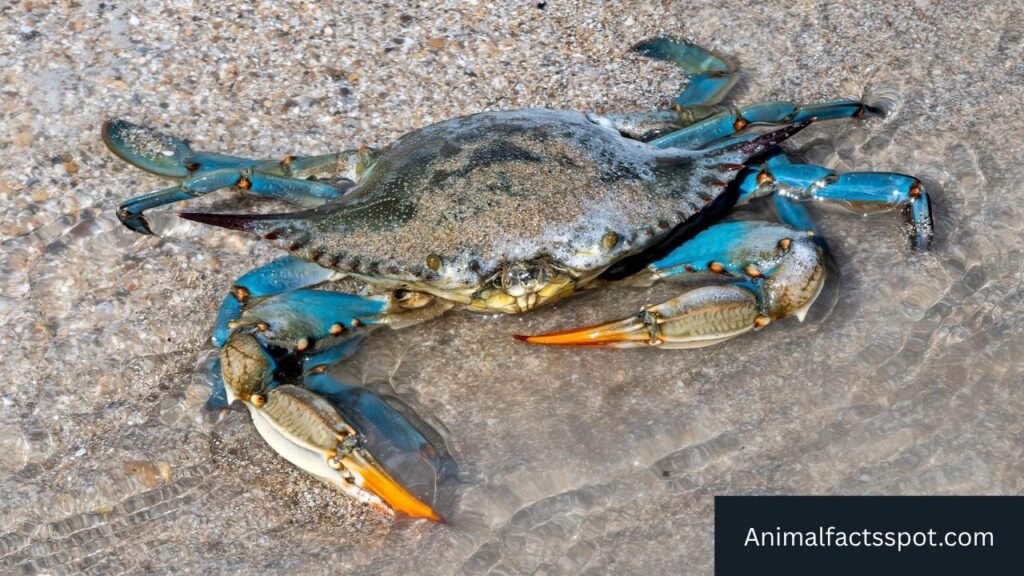
Moreover, blue crabs exhibit remarkable adaptability, which allows them to thrive in changing environments. They can migrate between saltwater and freshwater, enabling them to exploit different food sources and evade predators. This adaptability not only highlights their resilience but also underscores the impact of climate change on aquatic habitats. If river temperatures rise or salinity levels shift, the blue crab’s ability to adjust can serve as a vital indicator of ecological shifts, shedding light on broader environmental issues that permeate the waterways we often take for granted.
Blue catfish
Scientific Name: Ictalurus Furcatus
Class: Actinopterygii
Diet: Omnivore
The blue catfish, with its distinctive cobalt-blue hue and elongated body, epitomizes the allure of river ecosystems. Native to the rivers of North America, particularly the Mississippi and its tributaries, this remarkable species thrives in both swift currents and calm waters. What sets blue catfish apart isn’t just their size — these giants can grow over 100 pounds — but their impressive adaptability. They’re opportunistic feeders, snatching up everything from smaller fish to insects, and even scavenging on the riverbed, which highlights their role as both predator and prey in the aquatic food web.
More fascinating is the blue catfish’s social behavior. They often congregate in schools, particularly when younger, which enhances their chances of survival against larger predators. These communal habits provide a fascinating dynamic in river habitats, showcasing cooperation in nature. They play a crucial part in maintaining ecological balance within their environments by controlling fish populations. This makes the blue catfish a critical species for both conservation efforts and recreational fishing, as enthusiasts seek the thrill of catching these majestic creatures, a testament to the rich life flowing through our rivers.
Red-eared slider turtle
Scientific Name: Trachemys Scripta Elegans
Class: Reptilia
Diet: Omnivore
The red-eared slider turtle, recognizable by its vibrant red stripe behind each eye, is more than just a pretty face in the world of river ecosystems. These adaptable reptiles have carved out a unique niche, thriving in both freshwater lakes and rivers across North America. They’re often spotted basking on sun-warmed logs, showcasing their propensity for soaking up sunlight — a key behavior that helps regulate their body temperature.
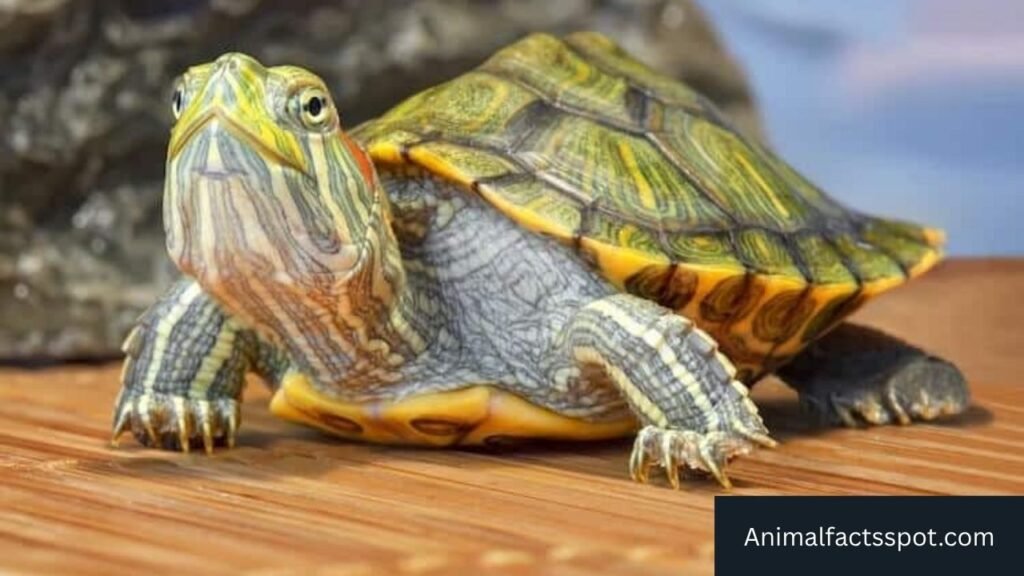
But what makes the red-eared slider truly fascinating is their role as both predator and prey. Young sliders feast on aquatic insects and plants, while adult turtles munch on everything from algae to small fish, maintaining the delicate balance of the river’s ecosystem. Their ability to adapt to various habitats means they’re also a critical species for monitoring environmental health; a sudden decline in their populations can signal troubling changes in water quality. As they navigate the intertwined realms of water and land, the red-eared slider offers a glimpse into the rich tapestry of river life, reminding us of the intricate connections that sustain our natural world.
Readmore: Explore Top 15 Animals With Hooves.
Conclusion
Rivers are home to a fascinating variety of wildlife that contributes significantly to the health of our planet. The interactions between species like beavers, fish, and amphibians create dynamic ecosystems that benefit both wildlife and humans. However, these habitats are becoming increasingly vulnerable due to human activities. It is imperative that we advocate for the protection and restoration of river ecosystems. Together, we can make a difference in safeguarding these vital habitats for the incredible animals that rely on them.
FAQs
What kinds of animals live in rivers?
Rivers are home to a diverse array of animals. Fish are the most obvious inhabitants, with species like trout, catfish, and bass thriving in freshwater ecosystems. In addition to fish, you can find amphibians like frogs and salamanders, which rely on both water and land for their life cycles.
Mammals also frequent river environments, such as otters, beavers, and river dolphins. Birds, too, are plentiful, with herons, kingfishers, and ducks often seen along the banks.
Do rats live in the river?
Yes, rats can be found near rivers, particularly species like the Norway rat. They thrive in urban areas where rivers provide ample food sources and shelter. These rodents often create burrows along riverbanks, taking advantage of the environment for nesting and foraging.