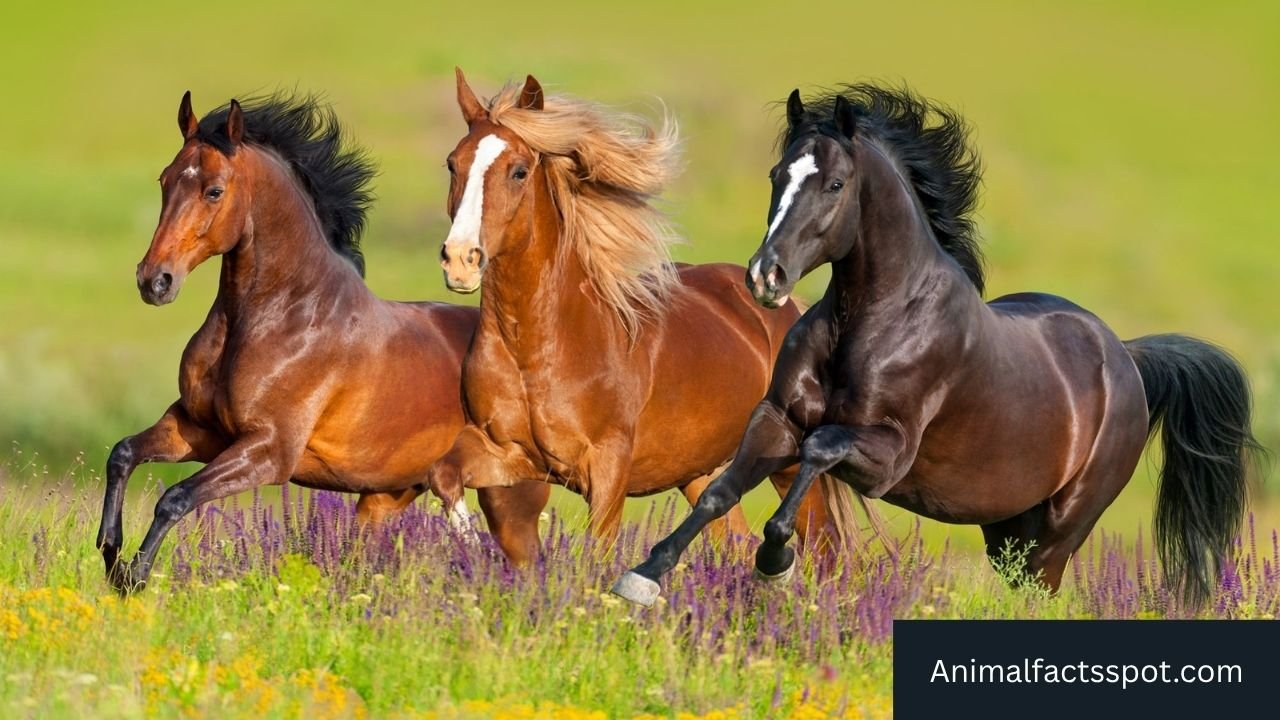
Top 11 Animals Like Horses (With Images)
Just like these incredible animals, there exists a fascinating variety of creatures that share similar physical traits, behaviors, or roles in human society. In this article, we’ll explore animals like horses, delving into their unique characteristics and the profound relationships they share with humans. By the end, you’ll gain insights into why these animals hold special places in our hearts and ecosystems.
List of Animals Like Horses
Below is the list of animals like horses:
- Przewalski’s Horse
- Eland
- Zebras
- Kulan
- Kiang
- Okapi
- Donkey
- Onager
- Moose
- Mule
- Tapirs
Przewalski’s Horse
Scientific Name: Equus ferus przewalskii
Class: Mammalia
Diet: Herbivore
Przewalski’s horse, the last true wild horse species, carries with it a legacy of resilience and adaptation. Unlike its domesticated relatives, this remarkable creature thrives in the harsh steppe environments of Central Asia, showcasing an array of unique physical traits — such as its short, stocky build and erect mane. Interestingly, Przewalski’s horse has retained certain primitive characteristics, like its low number of chromosomes, which offer insights into equine evolution and the complexities of genetic diversity.
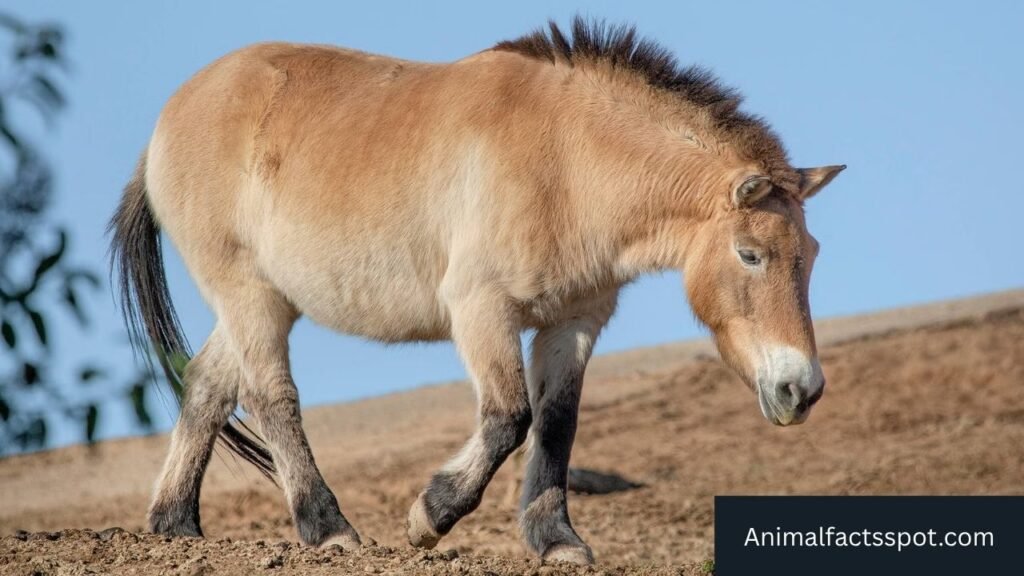
Conservation efforts for Przewalski’s horse reflect a broader narrative about biodiversity and habitat preservation. Once thought extinct in the wild, these horses have seen a remarkable resurgence thanks to dedicated breeding programs and reintroduction efforts. Observing them in their natural habitat is not just about witnessing a rare animal; it highlights the interconnectedness of ecosystems and the urgent need for conservation awareness. As these steeds gallop across the rugged terrain, they remind us of the delicate balance between species survival and human impact, urging us to rethink our role in the natural world.
Eland
Scientific Name: Taurotragus oryx
Class: Mammalia
Diet: Herbivore
The eland, often overshadowed by its more majestic relatives like zebras and giraffes, is a marvel of adaptability. This gentle giant, native to the savannas and woodlands of Africa, can weigh over 2,000 pounds and stands tall, making it one of the largest antelopes in the world. What’s fascinating about the eland is its unique blend of strength and grace; they can leap up to eight feet in the air, a skill that not only aids in escaping predators but also showcases their unexpected agility.
Social creatures, elands thrive in herds, often forming tight-knit family units. Their communication, rich with low grunts and soft calls, underscores a complex social structure that many might overlook. Surprisingly, elands have an incredible ability to thrive in varying environments; they can go long stretches without water, drawing moisture from the plants they consume. This remarkable trait not only highlights their resilience but also illustrates the intricate bond between wildlife and their ecosystems, reminding us that survival often hinges on adaptability and social connection.
Zebras
Scientific Name: Equus quagga
Class: Mammalia
Diet: Herbivore
Zebras, often seen as nature’s striped wonders, possess a striking beauty that goes far beyond their distinctive black-and-white coats. But their true charm lies in their complex social structures and intelligent behaviors that mirror those of horses while also showcasing unique adaptations. For instance, zebras communicate not just through sounds but also through facial expressions and body language, forming intricate bonds within their herds. This social cohesion is crucial for surviving in the wild, where threats from predators loom large.
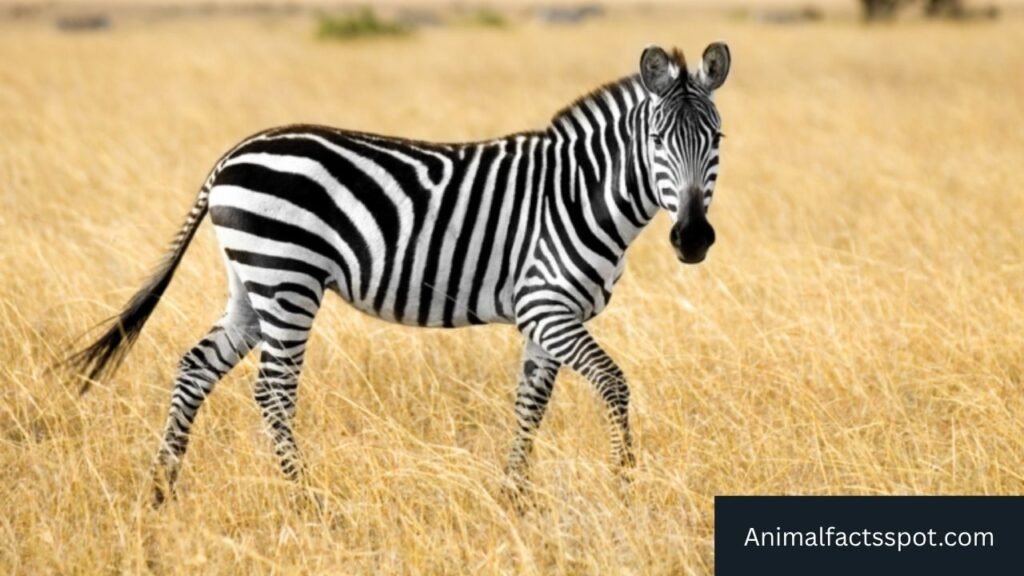
Moreover, zebras display an incredible resilience. Their stripes, contrary to popular belief as mere camouflage, serve a practical purpose in warding off insects. These stripes confuse pesky flies, significantly reducing the risk of bites. This ingenious evolutionary trait highlights how zebras have adapted beautifully to their environment, much like horses have adapted to serve various roles in human society. Observing their playful antics, whether they’re frolicking in the savanna or engaging in rough-and-tumble games, invites us to appreciate the nuanced personalities behind the stripes, revealing that zebras are not just distant relatives of horses but remarkable beings in their own right.
Readmore: Explore Top 10 Animals Like Armadillos.
Kulan
Scientific Name: Equus hemionus kulan
Class: Mammalia
Diet: Herbivore
The kulan, a wild donkey native to the steppes of Central Asia, shares an intriguing kinship with horses, offering unique insights into the evolution of equine species. Unlike their domesticated cousins, kulans exhibit a striking resilience, thriving in harsh environments where food and water are scarce. This tough exterior is complemented by their social structures, which resemble those of horses; kulans form tight-knit family groups, showcasing a remarkable bond that enhances their survival.
One of the most captivating aspects of kulans is their adaptive behavior, which highlights the intricate relationship between environment and evolution. Their ability to navigate vast plains and evade predators with exceptional speed and agility underscores a profound connection to their ancient ancestry. Observing a kulan in the wild, one can appreciate the grace with which they gallop, reminiscent of a wild horse, yet distinctly marking their identity through unique vocalizations and communication methods that emphasize their wild nature. As we delve deeper into understanding these remarkable creatures, it becomes evident that studying kulans not only enriches our knowledge of equine evolution but also reminds us of the delicate ecosystems that sustain such majestic beings.
Kiang
Scientific Name: Equus kiang
Class: Mammalia
Diet: Herbivore
The kiang, a wild donkey native to the Tibetan Plateau, stands out for its striking resemblance to horses while showcasing unique traits suited to its harsh environment. Unlike domesticated equines, kiangs are perfectly adapted to high altitudes, thriving at levels where oxygen is sparse and temperatures can plunge dramatically. Their sturdy build, coupled with a long, shaggy coat, allows them to navigate rugged terrain and endure extreme weather, which is a testament to nature’s ingenious design.
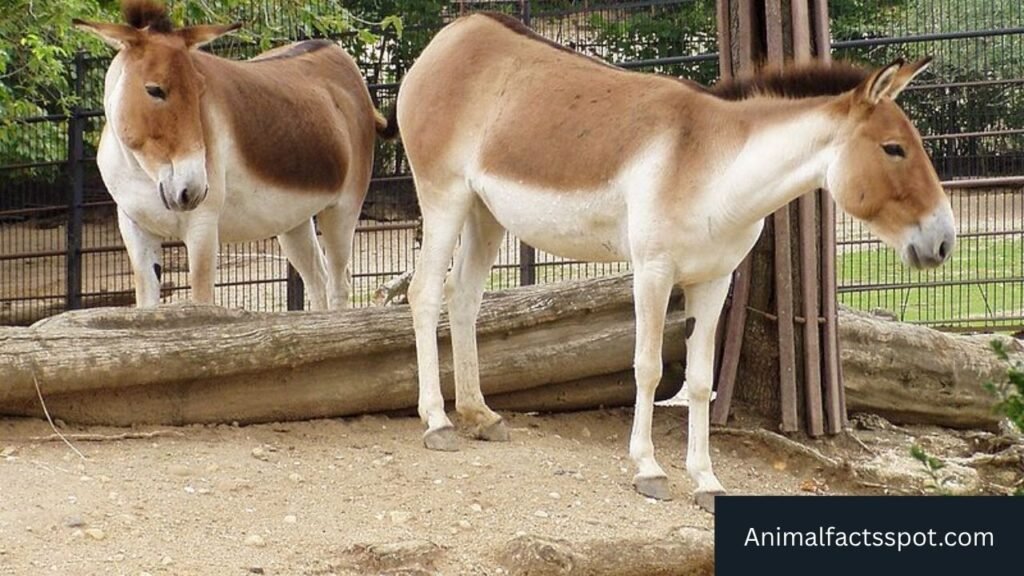
Beyond their physical prowess, kiangs exhibit fascinating social behaviors. Living in herds, they establish tightly knit family units that rely on communication and cooperation for survival. Observing these groups reveals a rich tapestry of social dynamics, as individuals engage in playful interactions, demonstrating a surprising level of intelligence and emotional depth. In a world where many wild equines struggle against habitat loss and human encroachment, the kiang represents a resilient piece of ecological heritage, reminding us of the delicate balance between adaptation and survival in nature’s intricate web.
Okapi
Scientific Name: Okapia johnstoni
Class: Mammalia
Diet: Herbivore
The okapi, often dubbed the “forest giraffe,” is a captivating creature native to the dense rainforests of the Democratic Republic of Congo. With its strikingly unique appearance — featuring a dark, velvety body and zebra-like stripes on its legs — this enigmatic animal is a fascinating blend of traits that challenge our typical classifications of wildlife. While many assume that the okapi is closely related to zebras, genetic studies reveal its closer ties to giraffes, shedding light on the complexities of evolutionary adaptations.
These elusive herbivores possess an extraordinary ability to thrive in their shaded, leafy habitats, showcasing remarkable browsing skills. Their long, prehensile tongues allow them to deftly navigate between branches, selectively munching on foliage that other animals might overlook. This adaptability not only makes the okapi a vital part of its ecosystem but also plays a critical role in seed dispersal, reinforcing biodiversity within the rainforest. As conservation efforts ramp up, the okapi serves as a symbol of the delicate balance within its rich yet threatened habitat, reminding us of the urgent need to protect such unique species before they venture too far into the shadows of extinction.
Donkey
Scientific Name: Equus africanus asinus
Class: Mammalia
Diet: Herbivore
Donkeys, often overshadowed by their more glamorous equine cousins, are remarkable animals deserving of appreciation for their unique qualities. Known for their incredible intelligence, donkeys possess a keen problem-solving ability that rivals that of dogs. This trait makes them not just hardworking companions on farms but also sensitive and thoughtful creatures in their interactions with humans. Many donkeys form deep bonds with both their companions and caretakers, showcasing their capacity for empathy and understanding.
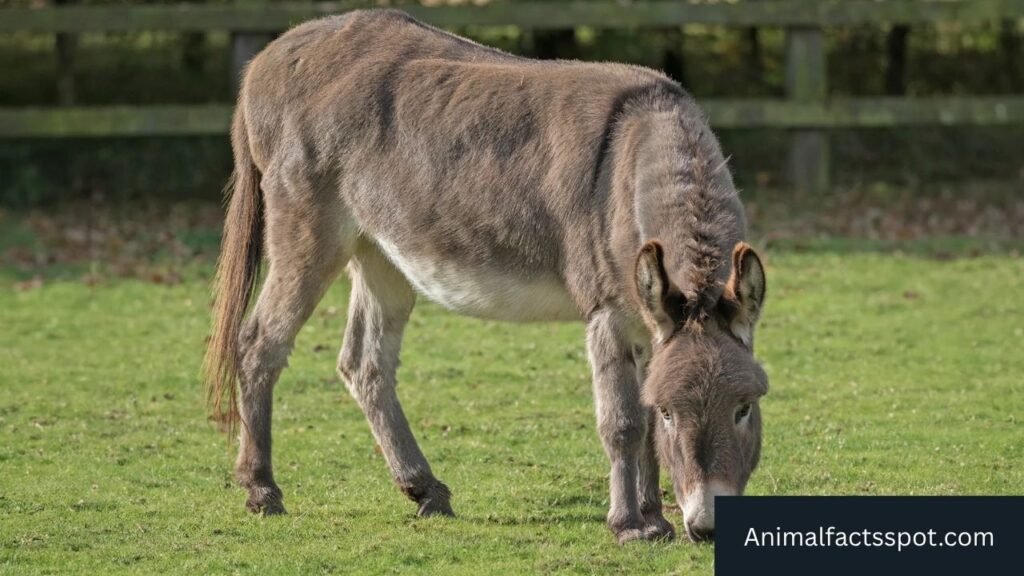
Interestingly, donkeys use their voices for more than just communication; their distinctive bray serves as a means of establishing social hierarchy and signaling their emotional state. Whereas horses might shy away from confrontation, donkeys often prefer to stand their ground, exhibiting a calm confidence that can be mistaken for stubbornness. This steadfastness makes them resilient animals that thrive in challenging environments, from rocky terrains to hot deserts. By celebrating the donkey’s strengths, we gain a deeper appreciation for the diversity within the equine family, recognizing that beauty and value come in many forms.
Onager
Scientific Name: Equus hemionus
Class: Mammalia
Diet: Herbivore
The onager, a wild ass native to the arid regions of Asia, offers a fascinating glimpse into the diversity of equine species. Unlike their domesticated cousins, onagers are known for their striking resilience in harsh environments, thriving in deserts and scrublands where few other animals can endure. With long legs and a robust, muscular build, these creatures are perfectly adapted to cover vast distances in search of food and water, showcasing their incredible survival instincts.
Socially, onagers are intriguing as well. They exhibit a surprisingly complex social structure, often forming small family groups led by a dominant male. This behavior not only enhances their protective capabilities against predators but also showcases their highly developed communication skills, including various vocalizations and body language. Observing their interactions can provide insight into the rich tapestry of animal behavior, challenging the notion that only social mammals like primates exhibit intricate social dynamics. The onager stands as a testament to the adaptability and social complexity of equids in the wild, reminding us of nature’s relentless ingenuity.
Moose
Scientific Name: Alces alces
Class: Mammalia
Diet: Herbivore
Moose, often overshadowed by their equine counterparts due to their imposing size and undeniably unique appearance, carry an aura of majesty that rivals the grace of horses. With long legs and a broad, muscular body, moose exhibit an elegance of their own, gliding through dense forests and meandering riverbanks with surprising agility. Their colossal antlers, which can span up to six feet, artfully contrast with the gentle sway of their movements, evoking a sense of awe in those fortunate enough to witness them in their natural habitat.
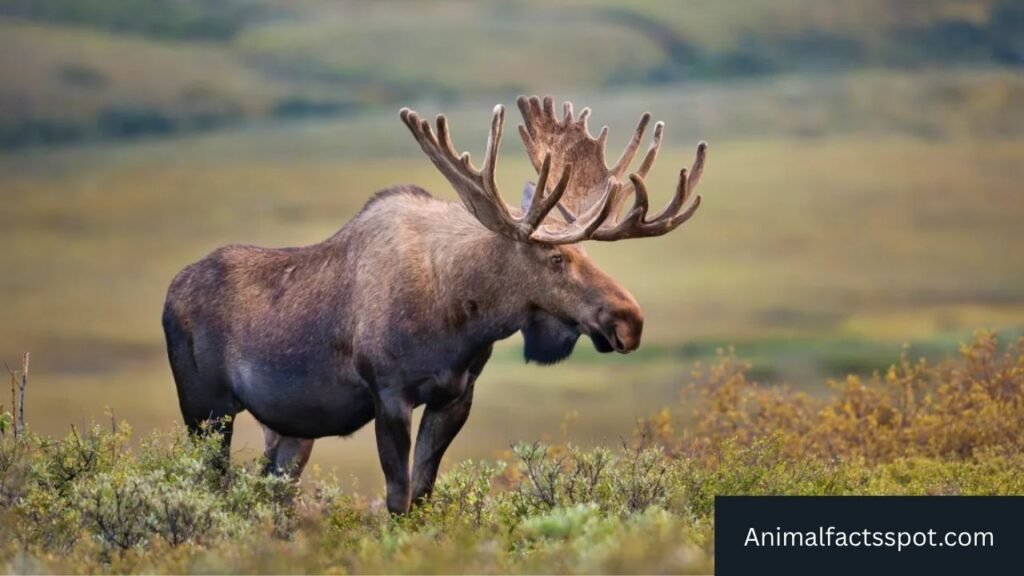
Beyond their striking features, moose share remarkable behavioral traits with horses, particularly their social structures and maternal instincts. Mother moose nurture their calves with an unwavering devotion, guarding their young from predators and teaching them the intricacies of foraging. This blend of strength and tenderness echoes the bond often seen between horses and their foals. Both species exhibit remarkable adaptability, thriving in diverse environments — from the rugged northern tundras to tranquil forested valleys, highlighting their evolutionary prowess. In contemplating the moose, one can appreciate not just the aesthetic of these magnificent creatures, but also the deep-seated connections that link them to the equestrian world, redefining our understanding of wildlife’s grandeur.
Mule
Scientific Name: Equus mulus
Class: Mammalia
Diet: Herbivore
Mules are often overshadowed by their equine counterparts, yet they possess a unique charm and an undeniable resilience that sets them apart. Hybrid offspring of a male donkey and a female horse, mules inherit the best traits of both parents. Their stubbornness is often a misconception; it’s actually their intelligence and strong problem-solving skills that can make them seem obstinate. When faced with a challenge, mules are known to think through options rather than simply responding without consideration.
Another intriguing aspect of mules is their versatility. From hauling heavy loads in rugged terrains to becoming excellent riding companions, they excel in various roles across cultures and climates. Mules demonstrate a remarkable adaptability to different environments and can even thrive in harsher conditions where horses might struggle. Moreover, their lifespan often exceeds that of horses, leading to long-lasting partnerships that can span decades, enriching the bond between these animals and their caretakers. These attributes make mules not only valuable working animals but also beloved companions, deserving of a spotlight in the equine family.
Tapirs
Scientific Name: Tapirus terrestris
Class: Mammalia
Diet: Herbivore
Tapirs, often overshadowed by their more charismatic cousins like horses and zebras, possess a unique charm that captivates those who take the time to observe them. These gentle herbivores, with their stout bodies and distinctively elongated snouts, evoke a sense of prehistoric nostalgia. Many people are surprised to learn that tapirs share a closer genetic relationship with horses and rhinoceroses than they do with other hoofed animals. This surprising lineage adds depth to our understanding of evolutionary adaptations in the animal kingdom.
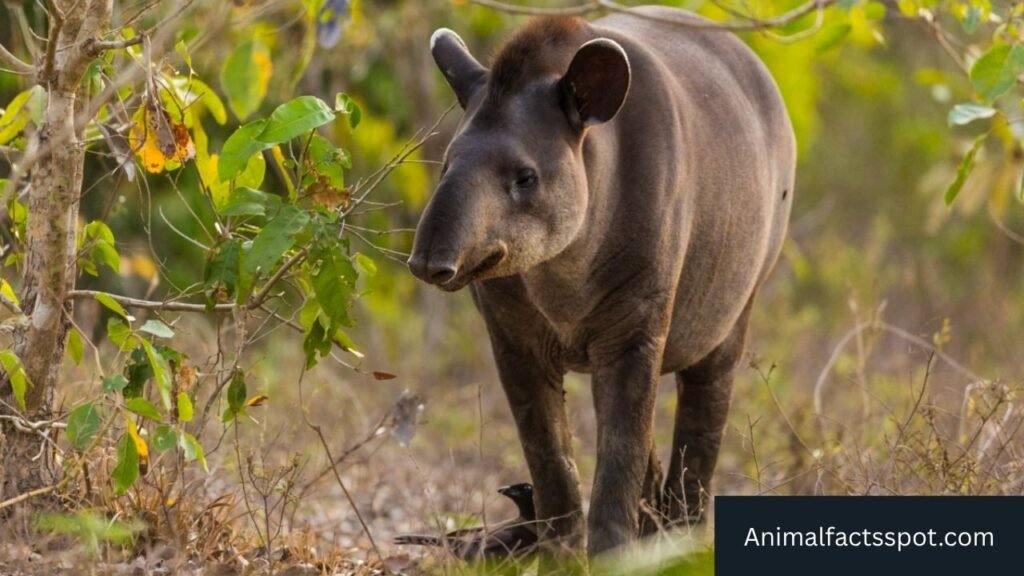
Living primarily in the dense jungles and wetlands of Central and South America, tapirs have evolved fascinating traits to thrive in their environment. Their sturdy build allows them to navigate through thick underbrush, while their flexible snouts are perfect for grasping leaves and fruits. Unlike horses, which are social grazers, tapirs are mostly solitary creatures, coming together only during mating season. Their quiet demeanor and elusive nature make them a rare sight in the wild, but for those lucky enough to encounter them, tapirs leave a lasting impression — a reminder of the diverse tapestry of life that exists alongside the majestic equines we admire so much.
Readmore: Explore Top 12 Animals Like Sugar Glider.
Final Thoughts
The world is home to several extraordinary animals that share remarkable similarities with horses, encompassing both physical attributes and behavioral traits. From the majestic zebras of the African plains to the resilient donkeys that have supported humans for centuries, these creatures offer a diverse array of characteristics reminiscent of our equine friends.
Their similarities remind us of the interconnectedness of species and the vital importance of conservation efforts to protect their habitats. By delving into the lives of these horse-like animals, we not only celebrate their beauty but also foster a greater appreciation for wildlife as a whole. Let us commit to protecting these remarkable creatures and the environment they inhabit, ensuring their legacy continues for future generations to cherish.
FAQs
What are animals similar to horses?
There are several animals similar to horses, both in appearance and behavior. One notable example is the donkey. Donkeys are smaller, have longer ears, and exhibit a more stubborn temperament, but they share a similar body structure and can be used as pack animals. Another close relative is the zebra. Zebras are part of the equine family, and while they have distinct black and white stripes, they share many traits with horses, including social behavior and grazing habits.
What animal is like a horse but is not a horse?
One animal that resembles a horse but isn’t one is the zebra. Zebras have a similar body shape and size, but their distinctive black and white stripes set them apart. While horses can be more easily tamed and ridden, zebras are known for their wild nature, making them challenging to domesticate.