Top 13 Animals That Look Like Deer (With Pictures)
Numerous species possess features reminiscent of deer, each with its own unique story and habitat. In this article about animals that look like deer, we’ll examine these intriguing similarities and what they reveal about evolution and adaptation. Join us as we uncover the beauty and diversity of these remarkable creatures!
List of Animals That Look Like Deer
Here is the list of animals that look like deer:
| Number of Animals | Names of Animals That Look Like Deer |
| 1 | Moose |
| 2 | Chinkara |
| 3 | Greater Kudu |
| 4 | Muntjac |
| 5 | Reindeer |
| 6 | Blackbuck |
| 7 | Giant Sable |
| 8 | Gazelle |
| 9 | Elk |
| 10 | Nyala |
| 11 | Pronghorn |
| 12 | Vietnam Mouse-Deer |
| 13 | Ladakh Urial |
Moose
Scientific Name: Alces alces
Class: Mammalia
Diet: Herbivore
Moose, the towering giants of the deer family, possess a unique charm that often leaves onlookers awestruck. Their massive size, with males reaching up to 1,500 pounds, sets them apart from their more delicately built deer counterparts. Yet, it’s their iconic paddled antlers that truly transform these creatures into living sculptures, reminiscent of art from a bygone era. These antlers, which can span up to six feet wide, create an intriguing contrast against their long legs and humped shoulders, making moose a stunning sight against the backdrop of North American forests.
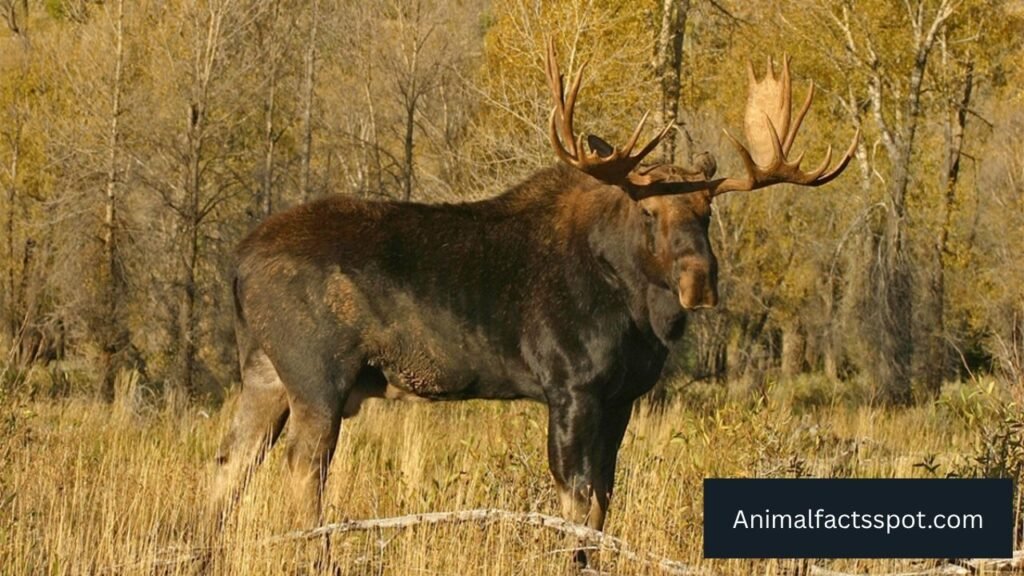
Beyond their impressive appearance, moose possess fascinating adaptations that enable them to thrive in a variety of environments. Their long legs allow them to traverse snow-covered landscapes with ease, showcasing nature’s design for survival. Interestingly, moose are excellent swimmers; they can submerge under water to forage on aquatic vegetation, demonstrating their versatility.
Chinkara
Scientific Name: Gazella bennettii
Class: Mammalia
Diet: Herbivore
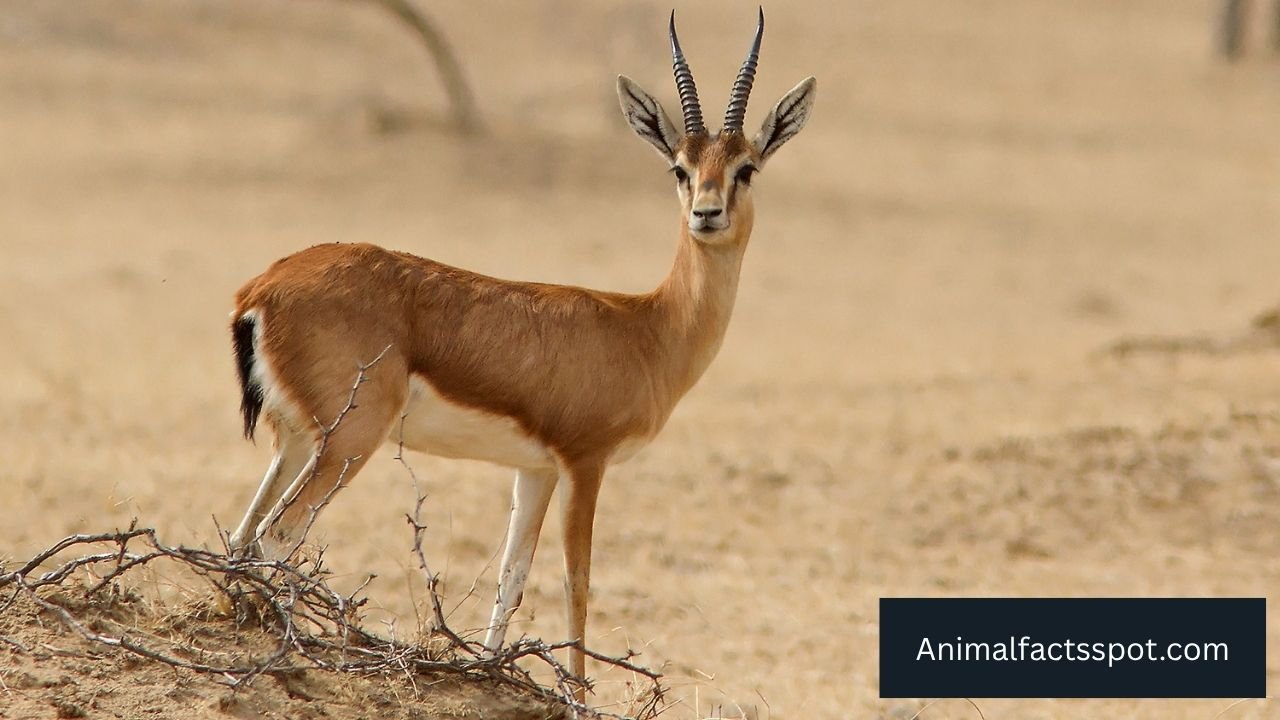
The Chinkara, also known as the Indian Gazelle, is a fascinating creature that hails from the arid landscapes of India and parts of the Middle East. With a delicate frame and slender legs, it possesses an elegant grace reminiscent of the traditional deer yet stands apart with its unique adaptations to the dry environment. Its large, expressive eyes and gentle gaze create an aura of innocence, captivating wildlife enthusiasts and photographers alike.
It can go for long stretches without water, relying on the moisture content of the vegetation it consumes. Often seen in small groups, these animals employ a unique form of social behavior; their mutual vigilance offers a collective defense against predators, showcasing a fascinating aspect of survival strategy that many might not associate with gazelles or deer.
Greater Kudu
Scientific Name: Tragelaphus strepsiceros
Class: Mammalia
Diet: Herbivore
The Greater Kudu, a magnificent antelope found in the woodlands and savannas of eastern and southern Africa, boasts a striking resemblance to a deer, yet possesses unique characteristics that set it apart. With its impressive spiraled horns that can reach lengths of up to 72 inches, the male Kudu showcases a majestic stature that commands attention. Their large, expressive eyes and elongated legs give them an air of elegance, while their coat — striped with white vertical markings — blends seamlessly into their natural habitat, serving as a masterful adaptation for evasion.
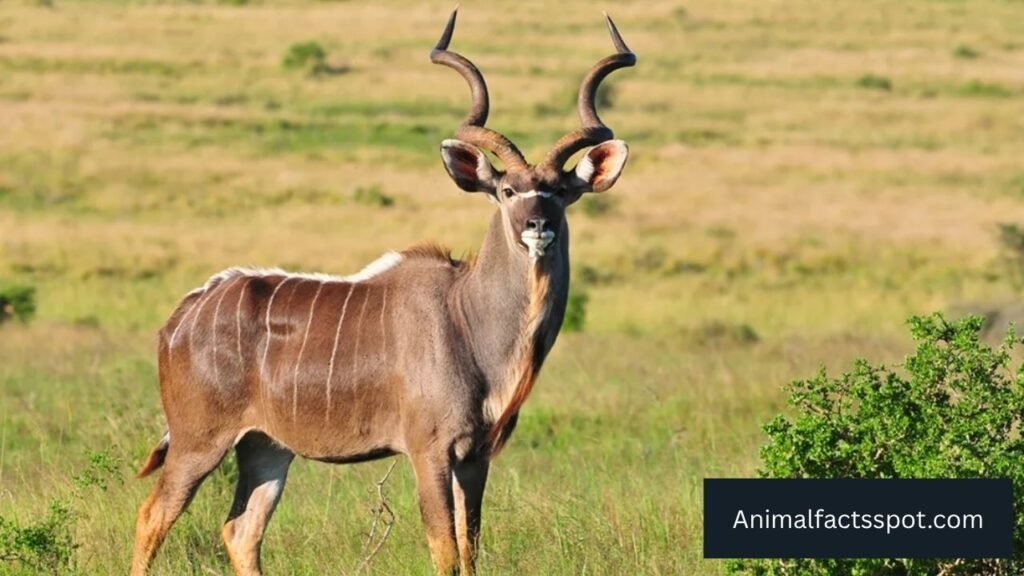
Beyond their appearance, the Greater Kudu’s behavior reveals intriguing insights into their social dynamics. Unlike many deer species, Kudus are known for their elusive nature, often relying on their thick bushy environments to escape predators. They possess a remarkable ability to jump, capable of clearing obstacles up to eight feet high — a feature that is just as impressive as their stature.
You can also read: Explore Top 13 Animals Like Skunks.
Muntjac
Scientific Name: Muntiacus
Class: Mammalia
Diet: Omnivore
Muntjacs, often referred to as “barking deer” due to their distinctive calls, are a fascinating blend of features that make them look like miniature deer. Native to Asia, these small mammals possess an uncanny resemblance to their larger relatives yet boast unique characteristics that set them apart. For instance, their elongated snouts and large, expressive eyes evoke a captivating charm, while their short, stocky bodies often lead to delightful encounters that make them feel less intimidating.
One of the most intriguing aspects of muntjacs is their social behavior. While many deer species thrive in herds, muntjacs tend to be more solitary or found in small groups. Their ability to live undetected in dense forest habitats allows them to thrive despite their smaller stature, showcasing a remarkable adaptability to their surroundings.
Reindeer
Scientific Name: Rangifer tarandus
Class: Mammalia
Diet: Herbivore
Reindeer, also known as caribou, are fascinating creatures that embody the essence of adaptability in their harsh Arctic environments. Sporting mottled fur that changes color with the seasons, these animals seamlessly blend with their surroundings, making them not just survivors but masters of camouflage. Their impressive antlers, which can grow up to four feet long, are unique among deer species as both males and females shed them annually, showcasing a remarkable display of evolutionary strategy.
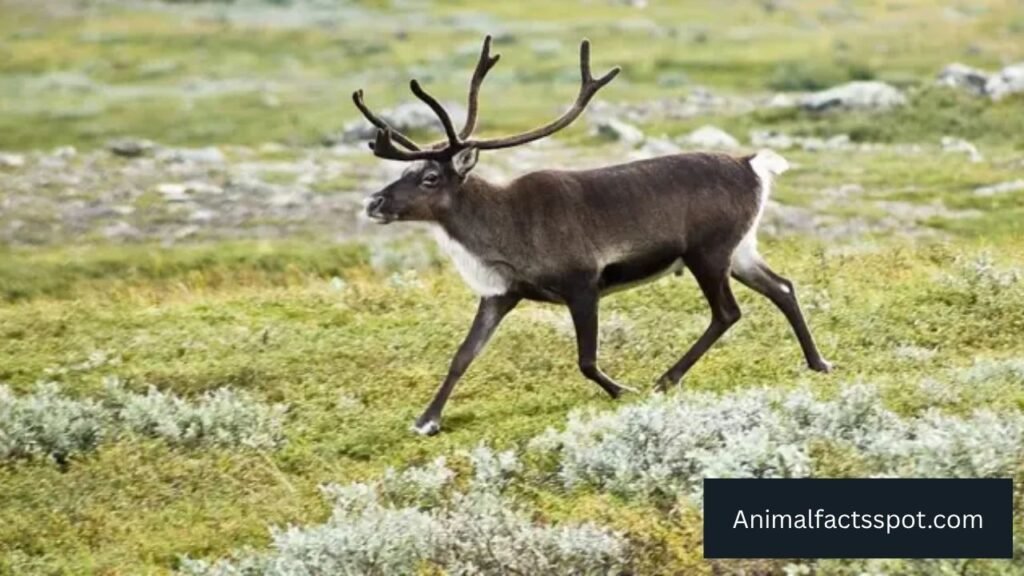
Beyond their striking physical features, reindeer hold a significant place in various cultures, particularly within Indigenous Arctic communities. They are not mere symbols; they are integral to livelihoods, providing food, clothing, and transportation. The phenomenon of reindeer herding, a practice that dates back thousands of years, highlights the intricate bond between humans and these majestic animals.
Blackbuck
Scientific Name: Antilope cervicapra
Class: Mammalia
Diet: Herbivore
Among the fascinating creatures that mirror the grace of deer is the blackbuck, or Antilope cervicapra. This striking antelope, native to the grasslands of the Indian subcontinent, captivates with its sleek form and remarkable spiraled horns, which can reach lengths of up to three feet in males. While seemingly similar to a deer at first glance, blackbucks possess a distinctive elegance that sets them apart, highlighting their unique adaptations to arid environments.
Their striking coat, a mix of chocolate brown and white, not only provides a visual resemblance to certain deer species but also serves a vital role in camouflage among the tall grasses of their habitat. Blackbucks are notably social animals, often seen in herds that reflect both cooperation and competition, particularly during mating rituals.
Giant Sable
Scientific Name: Hippotragus niger variani
Class: Mammalia
Diet: Herbivore
The Giant Sable Antelope, with its striking appearance, captivates anyone fortunate enough to encounter it. This majestic creature, native to the woodlands and savannas of Angola, stands out not only for its impressive size but also for its remarkable horns, which can reach up to 40 inches in length. Unlike traditional deer, the Giant Sable presents a robust body and a glossy black coat, a striking characteristic that has earned it the nickname “the black unicorn of Africa.”
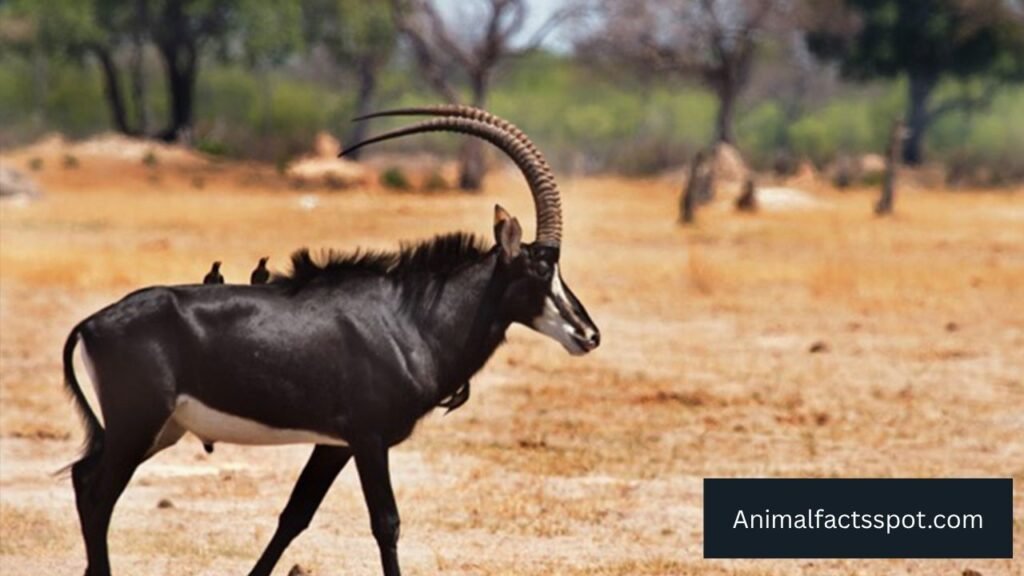
While many deer species are solitary or form loose herds, these antelopes engage in complex social behaviors, often seen forming close-knit groups led by a dominant male. Their behavior mirrors that of some other African ungulates, showcasing a level of familial loyalty that invites deeper appreciation.
Gazelle
Class: Mammalia
Diet: Herbivore
Gazelles, often perceived as the agile dancers of the African savanna, share an incredible resemblance to deer, yet their adaptations and behaviors offer a unique insight into the diverse paths of evolution. With their slender bodies and elegant legs, gazelles exemplify speed and grace, evolved to navigate open landscapes where predators lurk. Unlike their deer counterparts, these nimble creatures possess large, expressive eyes that enhance their ability to spot danger far and wide, making them masters of escape.
Socially, gazelles often travel in herds, showcasing intricate behaviors that reflect both cooperation and survival. While deer may exhibit more varied social structures, gazelles highlight the beauty of collective vigilance, employing both visual and auditory signals to alert fellow herd members to potential threats. This dynamic creates a vibrant tapestry of movement and interaction across the plains, showcasing how adaptations to similar environments can lead to fascinatingly different life strategies and social behaviors.
Elk
Scientific Name: Cervus canadensis
Class: Mammalia
Diet: Herbivore
Elk, also known as wapiti, are among the largest members of the deer family and are often mistaken for their smaller relatives due to their graceful stature. These majestic animals can weigh up to 1,100 pounds, boasting a robust build adorned with a rich, tawny coat that changes with the seasons. Their impressive antlers, which can span up to four feet, create a striking silhouette against the backdrop of their natural habitats, ranging from dense forests to open meadows.
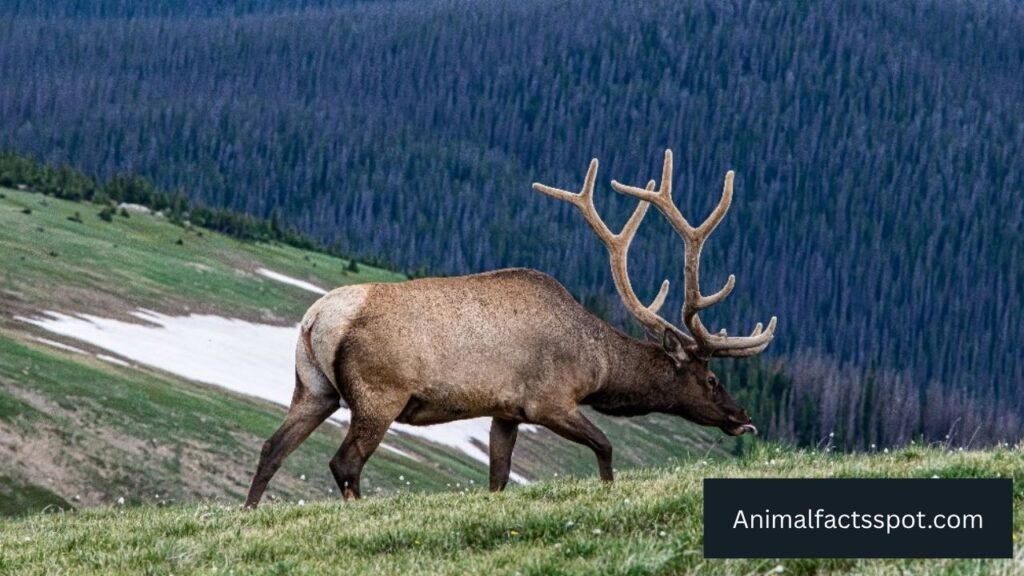
The males engage in vibrant displays of vocalization, known as bugling, which resonates through the valleys like a primal symphony, drawing in to attract females. This captivating ritual adds a layer of dynamism to their presence, inviting observers to ponder the intricacies of their social structure. Furthermore, elk play a pivotal role in their ecosystems, influencing vegetation patterns and supporting other wildlife species, illustrating just how interconnected the web of life truly is.
Nyala
Scientific Name: Tragelaphus angasii
Class: Mammalia
Diet: Herbivore
Nyala, often overshadowed by more famous antelope species, is a stunning representation of the rich biodiversity found in African savannas. Residing primarily in the woodlands of southern Africa, this elusive creature showcases sexual dimorphism — males exhibit a striking dark brown coat adorned with white stripes, while females sport a lighter, reddish-brown hue. This variation not only enhances their visual appeal but also serves as a survival tactic, allowing them to blend seamlessly into their surroundings and evade predators.
These majestic horns, along with their graceful gait, create an image of elegance that captivates wildlife enthusiasts. Observing a Nyala in the wild is an extraordinary experience, as their shy nature means they often remain hidden among dense vegetation, making sightings rare and exhilarating. The Nyala’s fascinating behaviors, such as their tendency for solitary living or small family groups, reflect a complex social structure that adds to the intrigue of these remarkable animals.
Pronghorn
Scientific Name: Antilocapra americana
Class: Mammalia
Diet: Herbivore
The pronghorn, often mistakenly dubbed an antelope, is a fascinating study in evolutionary adaptation. Found primarily in North America’s grasslands, this remarkable creature boasts unique characteristics that set it apart from true deer and antelope alike. Its most striking feature, the pair of pronged horns, serves not only as a form of defense but also as a testament to its evolutionary lineage, offering insights into the species’ adaptations to the vast, open plains.
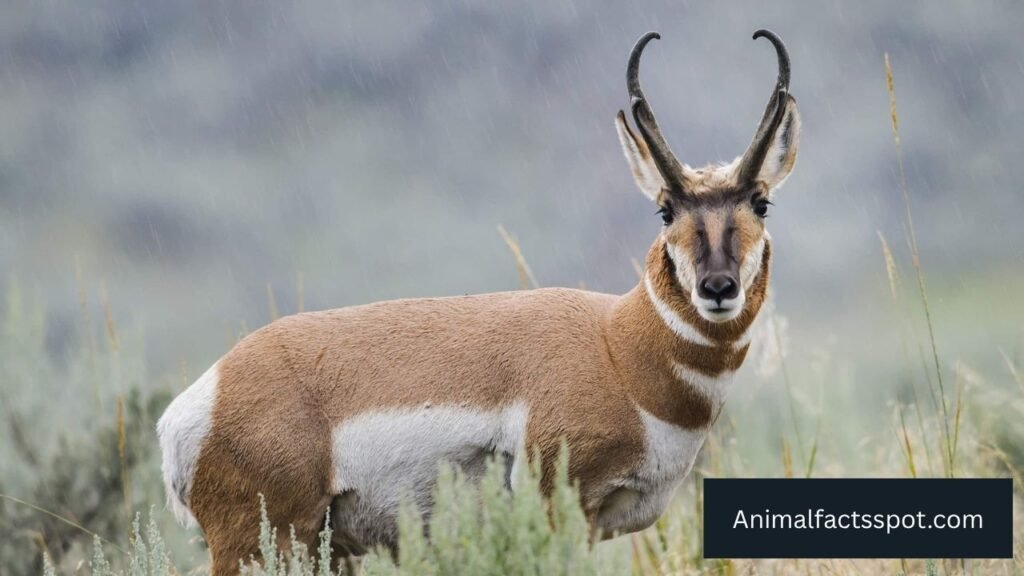
Unlike any deer, pronghorns can reach speeds of up to 55 miles per hour, enabling them to escape predators with remarkable agility. This incredible ability can be attributed to their incredibly efficient respiratory and cardiovascular systems, a fascinating adaptation shaped by millions of years of natural selection in the predator-rich environments of the North American plains.
Vietnam Mouse-Deer
Class: Mammalia
Diet: Herbivore
The Vietnam mouse-deer, often overshadowed by its larger relatives, brings an intriguing blend of charm and mystery to the animal kingdom. These petite creatures, roughly the size of a domestic cat, boast long, spindly legs and pronounced tusks that set them apart from traditional deer.
Beyond their striking appearance, the mouse-deer plays a vital role in its ecosystem. As herbivores, they contribute to the health of the forest by aiding in seed dispersal, which helps sustain the diverse flora of their habitat. The continued existence of these enigmatic creatures, however, hangs in the balance due to habitat loss and hunting pressures.
Ladakh Urial
Scientific Name: Ovis vignei vignei
Class: Mammalia
Diet: Herbivore
The Ladakh urial, a subspecies of wild sheep found in the rugged terrains of northern India and Pakistan, showcases an intriguing resemblance to deer, particularly in its graceful body structure and striking coloration. These elusive creatures thrive in the steep, rocky mountains of Ladakh, where their reddish-brown wool blends seamlessly with the arid landscape. The urial’s slender legs and agile movements mirror the elegance often attributed to deer, captivating wildlife enthusiasts and photographers alike.
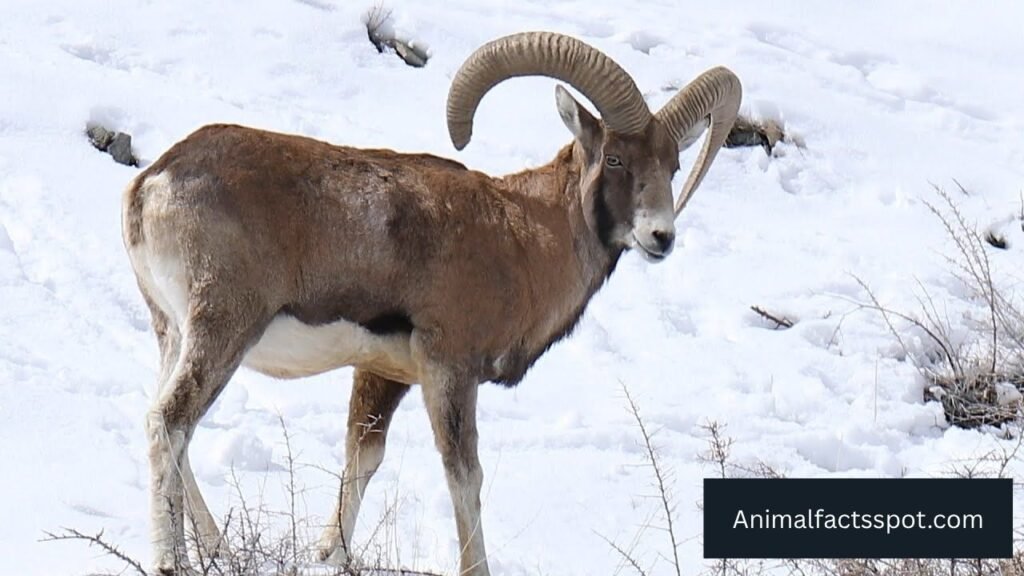
In stark contrast to their deer-like appearance, Ladakh urials boast impressive, twisted horns that can reach lengths of up to 90 centimeters, marking them as one of the most visually stunning ruminants. The horns not only add to their majesty but also serve as a tool in male-to-male combat during mating season, showcasing a fascinating aspect of their behavior that differs from that of many deer species.
Readmore: Explore Top 11 Animals Like Horses.
Conclusion
The world of animals that resemble deer is both fascinating and diverse. From the agile antelope to the graceful elk, these creatures share visual traits that often confuse even the most seasoned wildlife enthusiasts. Their adaptations to different environments emphasize the beauty of evolution and the interconnectedness of nature. Each species possesses unique characteristics that contribute to the rich tapestry of wildlife. As we continue to explore and appreciate these remarkable animals, let’s commit to preserving their habitats and supporting conservation efforts.
FAQs
What animals looks like a deer?
Several animals resemble deer in appearance due to their graceful build and similar features. For instance, the antelope is a close relative, sharing elongated legs and slender bodies. Species like the gerenuk or the springbok exhibit these traits, showcasing a range of sizes and colors while often boasting impressive horns. Another animal that can be mistaken for a deer is the pronghorn, primarily found in North America. While not true deer, they have a similar body shape and are known for their incredible speed. The dik-dik, a small antelope native to Africa, shares the delicate features characteristic of deer, making it another candidate for this list.
What looks like a deer but not a deer?
One animal that resembles a deer but isn’t one is the antelope. Antelopes share similar body shapes, long legs, and elegant features, but they belong to different families. They’re typically found in Africa and parts of Asia, showcasing diverse species with various sizes and adaptations.