Top 13 Animals That Live in Bamboo Forests (With Pictures)
Bamboo forests are not just a feast for the eyes; they’re crucial ecosystems that support a variety of wildlife. In this article, we’ll dive into the animals that live in bamboo forests, uncovering their behaviors, adaptations, and the challenges they face. By the end, you’ll see just how vital these habitats are for biodiversity and conservation efforts.
List of Animals that Live in Bamboo Forests
Below is the list of animals that live in bamboo forests:
| Number of Animals | Names of Animals that Live in Bamboo Forests |
| 1 | Bamboo Vipers |
| 2 | Bamboo Lemurs |
| 3 | Red Pandas |
| 4 | Giant Panda |
| 5 | Golden Monkey |
| 6 | Bamboo Rats |
| 7 | Giant Forest Hogs |
| 8 | African Elephants |
| 9 | Eastern Gorillas |
| 10 | Bale Mountain Vervet |
| 11 | Spotted Bamboowren |
| 12 | Bamboo Foliage-Gleaner |
| 13 | Asian Elephants |
Bamboo Vipers
Scientific Name: Trimeresurus stejnegeri
Class: Reptilia
Diet: Carnivore
Bamboo vipers, with their vibrant hues and intricate patterns, thrive in lush bamboo forests, showcasing an evolutionary adaptation that sets them apart from many other snake species. These serpents exhibit a remarkable ability to blend seamlessly into their surroundings, allowing them to ambush prey while remaining almost invisible among the layered green. Their slender bodies navigate the tightly-packed bamboo stalks with surprising agility, demonstrating a unique serpentine elegance that fascinates both researchers and nature enthusiasts alike.
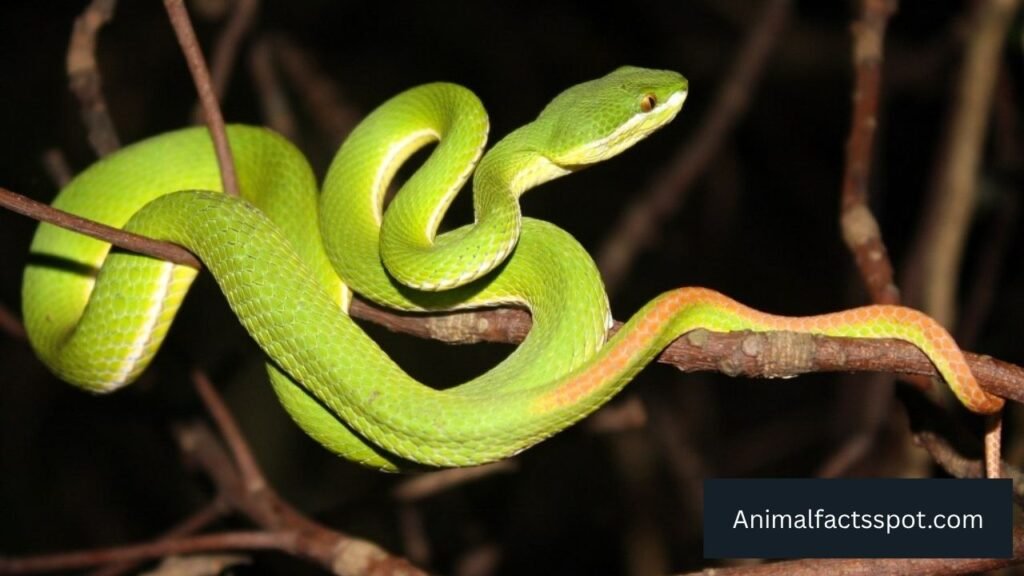
Their venom, while not the most potent among snakes, is crafted to incapacitate prey quickly, reflecting an evolutionary design honed for the rainforest’s unique ecosystem dynamics. Moreover, bamboo forests, with their periodic die-offs and regrowth cycles, create a fluctuating habitat that enables vipers to adapt and thrive by altering their hunting strategies and breeding habits as food sources become available.
Bamboo Lemurs
Scientific Name: Hapalemur
Class: Mammalia
Diet: Herbivore
Bamboo lemurs, unique to the lush bamboo forests of Madagascar, are fascinating creatures that defy conventional primate behavior. Unlike many lemurs that thrive on a varied diet, bamboo lemurs have evolved to predominantly feast on bamboo, including its shoots and leaves, which are notoriously toxic to most animals due to high levels of cyanide. What’s intriguing is their ability to process these toxins, showcasing a remarkable adaptation that highlights the intricate balance of biodiversity and survival in their specific habitat.
These small, agile primates are not just masters of bamboo; they also play a critical role in their ecosystem. By selectively feeding on bamboo, they help shape the structure of the forest, promoting growth and regeneration. Their foraging habits create a dynamic habitat that benefits other species, demonstrating how interdependent life forms thrive in these vibrant forests.
Red Pandas
Scientific Name: Ailurus fulgens
Class: Mammalia
Diet: Herbivore
Red pandas, often regarded as the enchanting guardians of bamboo forests, possess a charm that captivates all who encounter them. These small, elusive creatures, weighing between 8 to 14 pounds, are primarily found in the temperate forests of the Himalayas and southwestern China, where their unique adaptations make them perfectly suited for life among the towering bamboo.
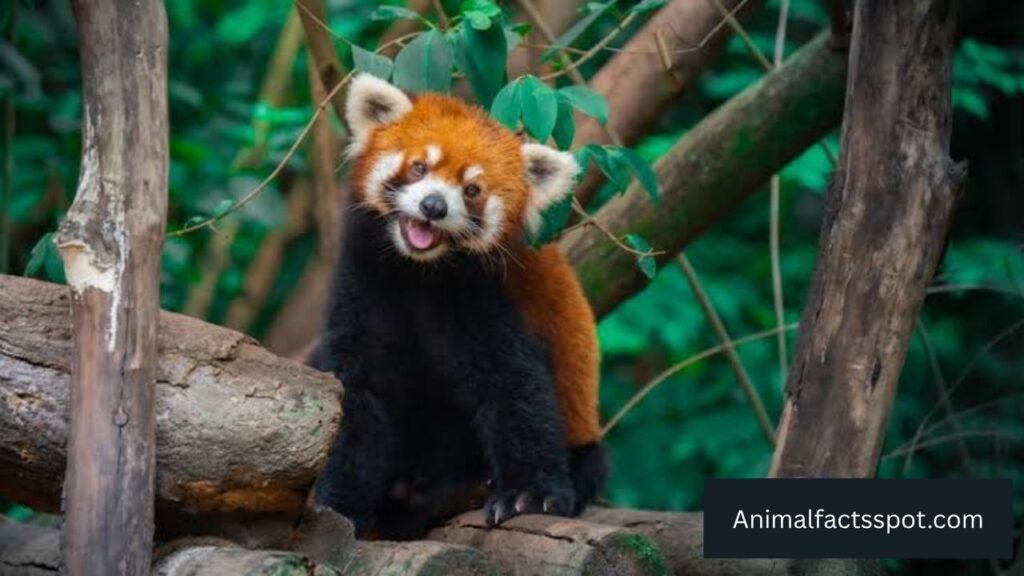
Unlike their giant panda cousins, red pandas have developed an array of intriguing habits to thrive in this verdant environment. They are largely arboreal, spending most of their time in trees, which provides not only protection from predators but also easy access to their favorite food. Their unique wrist bone functions almost like a thumb, allowing them to grasp branches and munch on bamboo shoots effortlessly.
You can also read: Explore Top 15 Animals That Live in Rivers.
Giant Panda
Scientific Name: Ailuropoda melanoleuca
Class: Mammalia
Diet: Herbivore
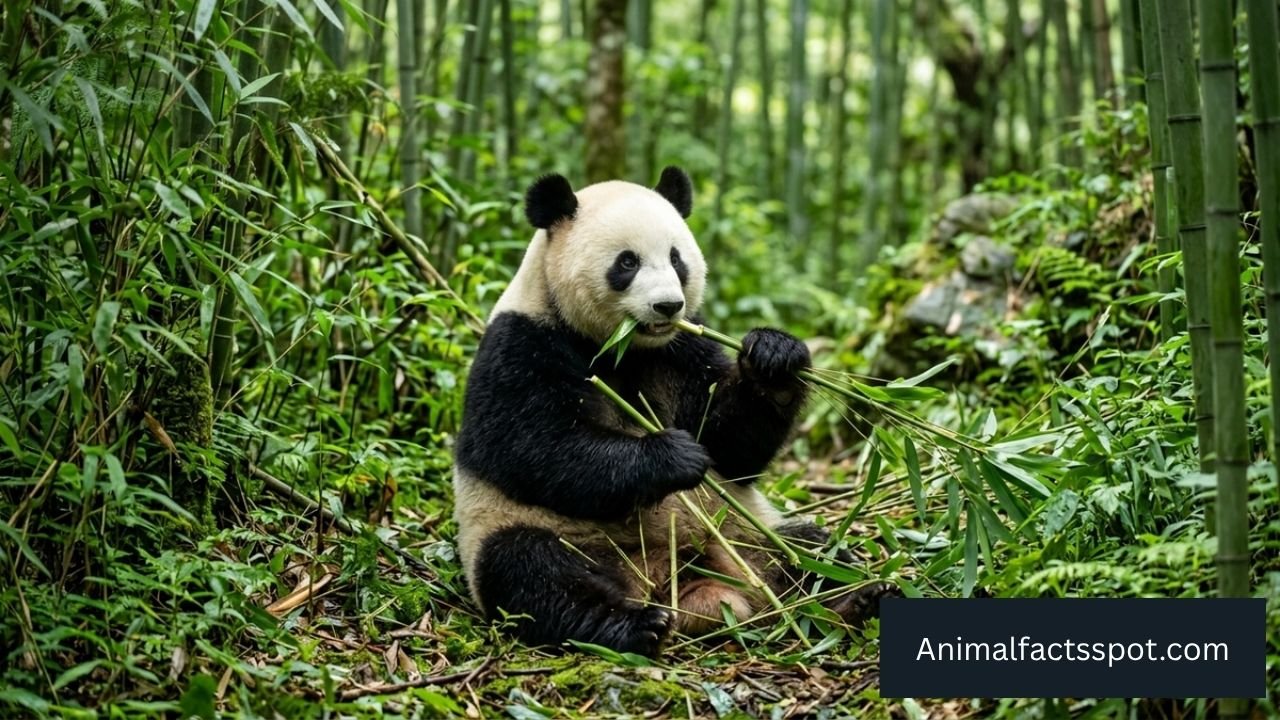
The giant panda is an emblematic inhabitant of bamboo forests, an environment that is as crucial to its survival as it is unique in composition. Although often romanticized as a gentle giant, pandas possess a remarkable adaptability that allows them to thrive in diverse mountainous terrains where bamboo flourishes.
Living in such specific habitats has also shaped their social structures; though generally solitary, these bears communicate through vocalizations and scent markings, navigating relationships in a world where bamboo can dictate territory and availability of resources. This reliance on a singular food source poses significant challenges, as habitat loss threatens not just their survival but the delicate ecological balance of these forests.
Golden Monkey
Scientific Name: Cercopithecus kandti
Class: Mammalia
Diet: Herbivore
The golden monkey, a vibrant inhabitant of bamboo forests, captures the imagination with its striking golden fur and captivating expressions. Found primarily in the mountainous regions of central Africa, particularly in the Virunga Massif, these monkeys have evolved to thrive in their unique habitat. Their remarkable adaptation to the bamboo ecosystem allows them to feast on tender bamboo shoots while also exploring the treetops in search of fruits and leaves. This foraging flexibility highlights their resourcefulness, making them an emblem of resilience in the face of environmental challenges.
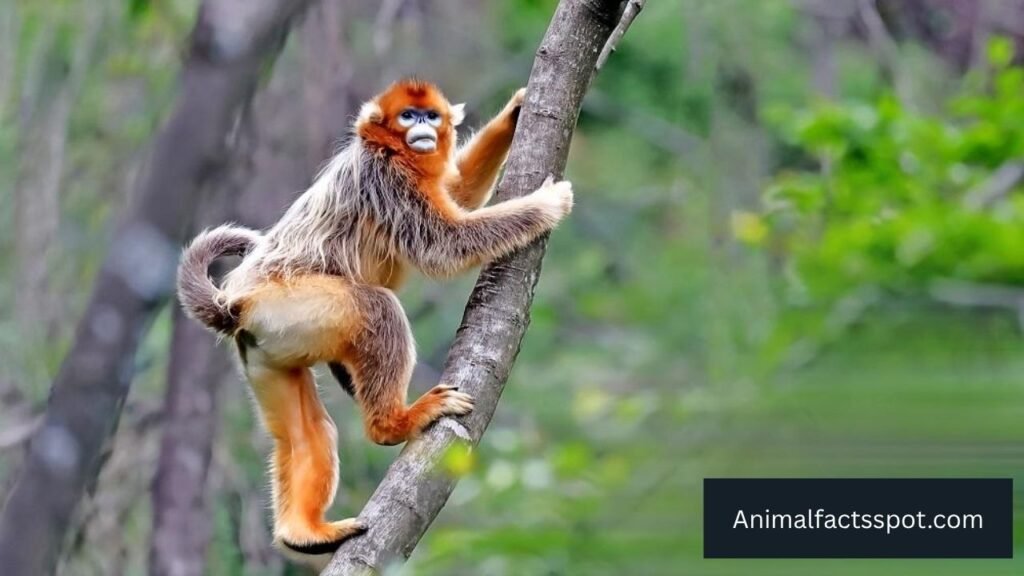
Social creatures by nature, golden monkeys live in troops that exhibit complex hierarchies and behaviors. Their communication, rich with vocalizations and social gestures, is essential for maintaining group cohesion and ensuring safety from predators, such as leopards. This intricate social structure not only underscores their intelligence but also reflects the importance of community in navigating the bamboo jungle’s challenges.
Also read: Explore Top 11 Animals That Live in Bogs.
Bamboo Rats
Scientific Name: Rhizomyinae
Class: Mammalia
Diet: Herbivore
Bamboo rats, despite their modest appearance, play a pivotal role in the bamboo forest ecosystem. These fascinating burrowers not only consume bamboo shoots but also aerate the soil as they dig, promoting nutrient cycling that benefits various plant species. Their omnivorous diet also includes roots, fruits, and even fungi, creating a unique niche that helps maintain the balance within their ecosystem.
Interestingly, bamboo rats are masters of adaptation. They can adjust their foraging habits based on the season and availability of bamboo, showcasing remarkable resilience amidst changing environmental conditions. Furthermore, their social behavior, often seen in family groups during foraging, highlights the importance of cooperation in their survival strategy. This dynamic lifestyle in the heart of bamboo forests reveals a story of evolution finely attuned to the rhythms of nature, showing us just how interconnected life within this unique habitat truly is.
Giant Forest Hogs
Scientific Name: Hylochoerus meinertzhageni
Class: Mammalia
Diet: Herbivore
Giant forest hogs, a lesser-known inhabitant of bamboo forests, exemplify the intricate balance of these unique ecosystems. These remarkable animals, larger than their domesticated cousins, have adapted perfectly to their dense, leafy habitats. With tusks that can grow up to a foot long, they not only assert dominance but also aid in foraging by uprooting vegetation, which promotes the growth of bamboo shoots and other plants.
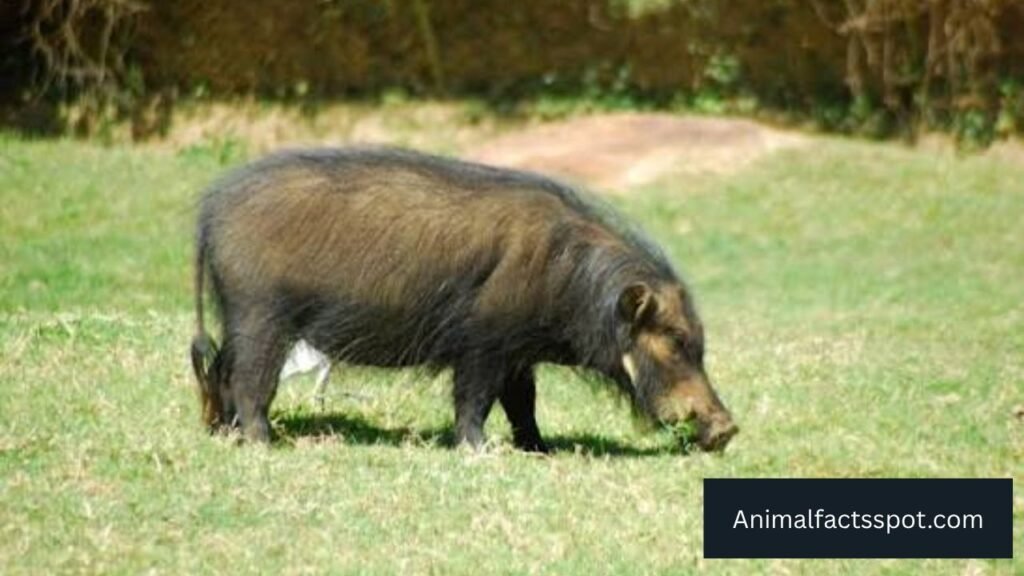
Interestingly, giant forest hogs are primarily nocturnal, allowing them to navigate their environment under the cover of darkness. This adaptation not only helps them avoid potential predators but also aligns with the foraging patterns of other forest dwellers. Their social structures further reveal fascinating behaviors; they often move in small family groups, showcasing complex relationships as they communicate through a range of vocalizations and body language.
Readmore: Explore Top 15 Most Active Animals in The World.
African Elephants
Scientific Name: Loxodonta africana
Class: Mammalia
Diet: Herbivore
African elephants, often celebrated for their majestic presence and profound intelligence, find themselves deeply intertwined with the ecosystems of bamboo forests. While these towering grasses might not be the primary habitat for elephants, they play a crucial role in their lives. The dense bamboo thickets not only provide a unique form of forage but also serve as a refuge from natural predators, particularly during the vulnerable calving period.
Interestingly, the symbiotic relationship between elephants and bamboo extends beyond mere survival. As they wander through these forests, elephants help to maintain the health of the ecosystem. Their foraging behavior clears out old bamboo, promoting new growth and ensuring the regeneration of this crucial plant.
Eastern Gorillas
Scientific Name: Gorilla beringei
Class: Mammalia
Diet: Herbivore
Eastern gorillas, often found in the lush bamboo forests of the Virunga Mountains, are fascinating inhabitants of this unique ecosystem. These majestic creatures have adapted to the high-altitude environment where bamboo forms a significant part of their diet. Interestingly, unlike many other primate species, they exhibit a remarkable preference for certain bamboo shoots and leaves, showcasing their selective foraging behavior. This not only demonstrates their intelligence but also highlights the complex relationship between animal and plant life in these forests.
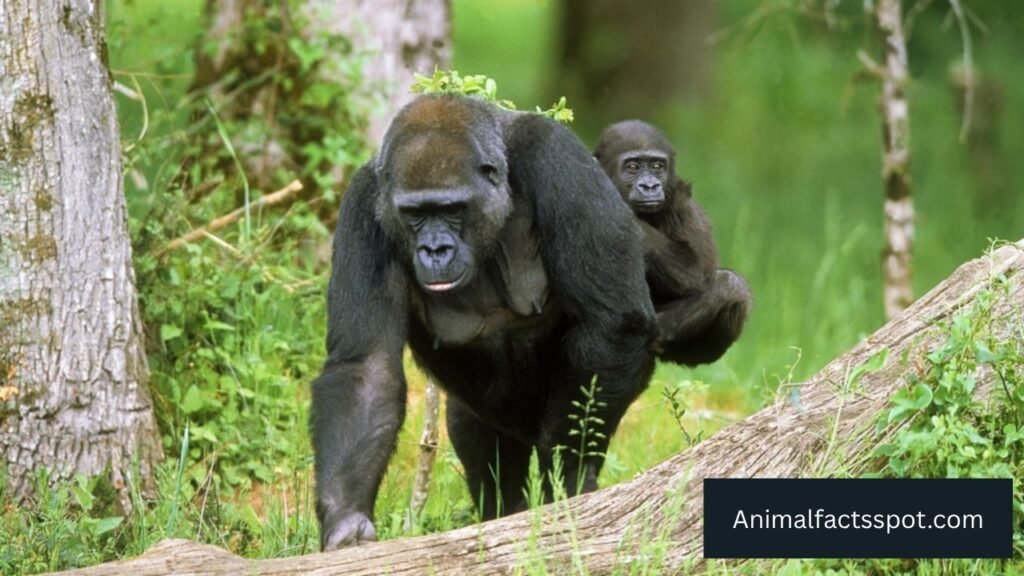
This social dynamic is crucial in navigating the lush but rugged terrain, as the silverback not only protects the group but also guides them to the best foraging spots among the twisting bamboo stalks. Moreover, eastern gorillas play a vital role in seed dispersal, promoting biodiversity in their habitat. As they move through the forest, they aid in the regeneration of plant life, making them invaluable stewards of the bamboo ecosystem.
You can also read: Explore Top 27 Most Greedy Animals in The World.
Bale Mountain Vervet
Scientific Name: Chlorocebus djamdjamensis
Class: Mammalia
Diet: Herbivore
Bale Mountain Vervets are a fascinating species uniquely adapted to their bamboo forest habitat. Nestled within Ethiopia’s Bale Mountains, these primates exhibit an intriguing blend of agility and social behavior, thriving amid the dense groves of bamboo. Their specialized diet primarily consists of bamboo shoots and leaves, which are rich in nutrients.
Beyond mere survival, Bale Mountain Vervets display a complex social structure, characterized by playful interactions and intricate communication. Observing their dynamic group cohesion reveals insights into the evolution of social behavior among primates. These monkeys not only adapt to their environment physically but also exhibit remarkable intelligence, utilizing problem-solving skills as they engage in activities such as foraging and playing.
Spotted Bamboowren
Scientific Name: Psilorhamphus guttatus
Class: Aves
Diet: Insectivore
The Spotted Bamboowren, a rare and elusive bird, thrives in the heart of dense bamboo forests, forging a unique existence amidst towering stalks. With its striking plumage, featuring intricate patterns that blend seamlessly with its surroundings, this bird has evolved to be both a master of camouflage and an adept forager. Its diet mainly consists of insects and small invertebrates, which it skillfully uncovers by rummaging through the leaf litter and crevices between bamboo shoots.
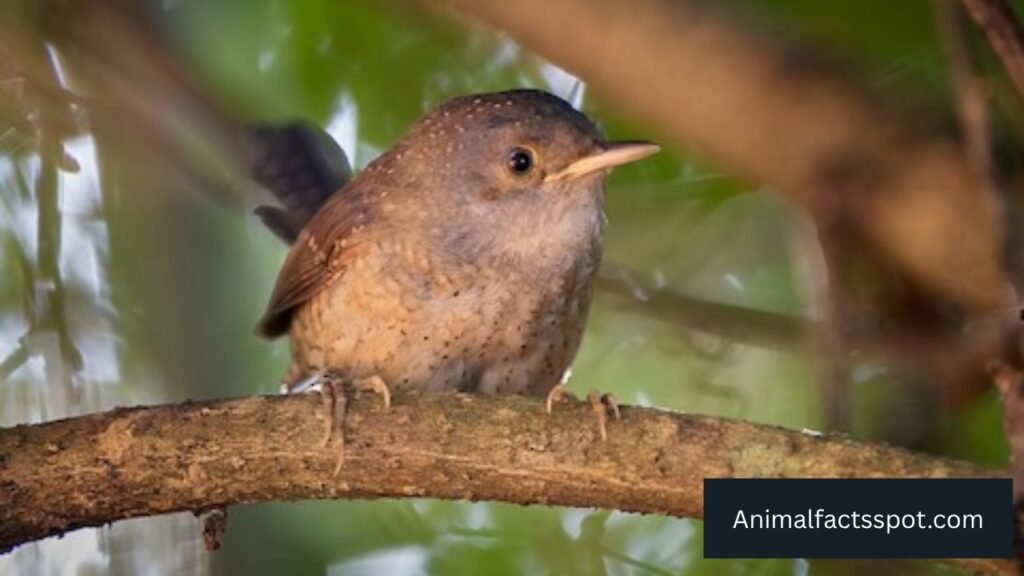
Beyond its captivating appearance, the Spotted Bamboowren plays a crucial role in its ecosystem, acting as a natural pest control agent. By maintaining insect populations, it helps sustain the delicate balance of the bamboo forest. Furthermore, its vocalizations, a series of melodious calls, contribute to the acoustic tapestry of its environment, alerting other species to potential dangers.
Also read: Explore Top 11 Animals That Eat Honey.
Bamboo Foliage-Gleaner
Scientific Name: Anabazenops dorsalis
Class: Aves
Diet: Insectivore
Among the lesser-known inhabitants of bamboo forests, the Bamboo Foliage-Gleaner stands out as a master of adaptation. This small bird, with its vibrant plumage that blends seamlessly into the lush green surroundings, has evolved to thrive in a niche environment where few others can compete. Its specialized diet primarily consists of the tender leaves and shoots of bamboo, which it skillfully extracts from the tightly clustered stalks, showcasing a remarkable agility that allows it to maneuver through dense foliage with ease.
Observing the Bamboo Foliage-Gleaner offers a unique glimpse into the delicate balance of this ecosystem. As it forages, the bird plays a crucial role in maintaining the health of the bamboo forest; its feeding habits not only disperse seeds but also help regulate the growth of the bamboo itself. This symbiotic relationship exemplifies how even the smallest creatures can have a significant impact on their environment, reinforcing the importance of preserving these delicate habitats.
Asian Elephants
Scientific Name: Elephas maximus
Class: Mammalia
Diet: Herbivore
Asian elephants, the gentle giants of the bamboo forests, play a pivotal role in maintaining the ecological balance of these rich ecosystems. As avid foragers, they consume vast quantities of bamboo, helping to manage its growth and ensuring that this important plant does not overpopulate and overshadow other species. This selective feeding not only promotes biodiversity but also shapes the very structure of their habitat, allowing smaller flora and fauna to thrive.
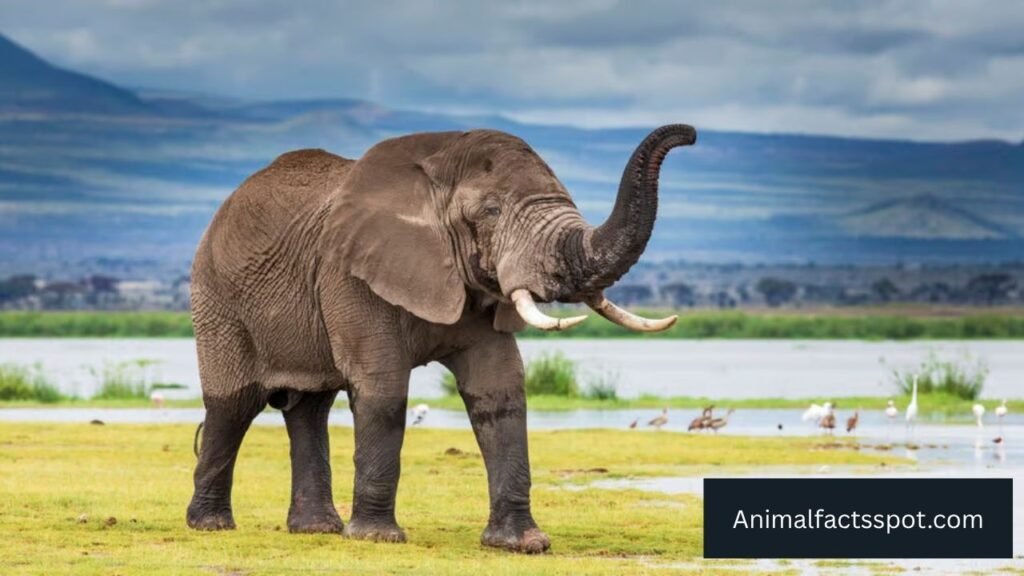
Moreover, Asian elephants are natural gardeners, creating clearings as they move through the dense underbrush. These open areas facilitate the growth of a diverse range of plant life, ultimately supporting a myriad of species — from birds to mammals — that rely on varied plant communities. While they are celebrated for their immense size, it’s their subtle but profound impact on the forest ecology that underscores their importance in sustaining the vibrant life that surrounds them.
Readmore: Explore Top 17 Animals Like Capybara.
Conclusion
The fascinating world of bamboo forests showcases the intricate relationships between various species and their environment, highlighting the importance of conserving these ecosystems. From the playful antics of the red panda to the strong presence of the bamboo-eating elephants, every animal plays a role in maintaining the delicate balance of this habitat.
Unfortunately, as urbanization spreads, the integrity of these forests is at risk, endangering the wildlife that thrives within them. We must advocate for sustainable practices and support conservation efforts to preserve these rich habitats for generations to come. Join the movement to protect our bamboo forests and the incredible animals that live there!
FAQs
What animal lives on bamboo?
One of the most well-known animals that lives primarily on bamboo is the giant panda. Native to the mountain ranges of central China, giant pandas have adapted to feed almost exclusively on bamboo, consuming vast amounts each day — up to 40 pounds! Their specialized digestive system allows them to extract nutrients from this tough plant, although they still lack sufficient energy from bamboo, leading them to spend most of their day eating and resting.
Is bamboo toxic to any animals?
Bamboo is generally considered safe for most animals, including pets like dogs and cats. In fact, bamboo is often used in various pet products due to its natural properties. However, certain species of bamboo can contain toxins like cyanogenic compounds, which can be harmful if ingested in large quantities. This is more of a concern for herbivorous animals that might munch on it frequently.