Top 17 Animals That Eat Berries (With Images)
Did you know that some of your favorite wild animals have a sweet tooth just like you? This article delves into the fascinating world of Animals That Eat Berries, exploring how these creatures rely on fruit for survival and nutrition. Understanding their dietary habits not only highlights the interconnectedness of ecosystems but also sheds light on the vital role berries play in the food chain. By reading on, you’ll discover which animals indulge in these juicy treasures and the impact of their foraging behaviors on their habitats.
List of Animals That Eat Berries
Here is the list of animals that eat barries:
| Number of Animals | Names of Animals That Eat Berries |
| 1 | Rabbits |
| 2 | European Badger |
| 3 | Bats |
| 4 | Hedgehog |
| 5 | Skunks |
| 6 | Bears |
| 7 | Blue Jay |
| 8 | Opossums |
| 9 | Raccoon |
| 10 | Cedar Waxwing |
| 11 | White-tailed Deer |
| 12 | American Robin |
| 13 | Common blackbird |
| 14 | Eastern Gray Squirrel |
| 15 | Northern Mockingbird |
| 16 | Wood Mouse |
| 17 | Red Fox |
Rabbits
Scientific Name: Didelphis virginiana
Class: Mammalia
Rabbits, with their endearing twitching noses and fluffy tails, are surprisingly enthusiastic foragers when it comes to berries. While they primarily graze on grass and leafy greens, berries provide an exciting treat packed with vitamins and antioxidants. Blueberries, strawberries, and raspberries are particularly favored, not just for their sweetness but for the burst of flavor that tantalizes a rabbit’s palate. These vibrant fruits can even entice a more timid bunny out of its shell, showcasing nature’s unique ability to foster connection through food.
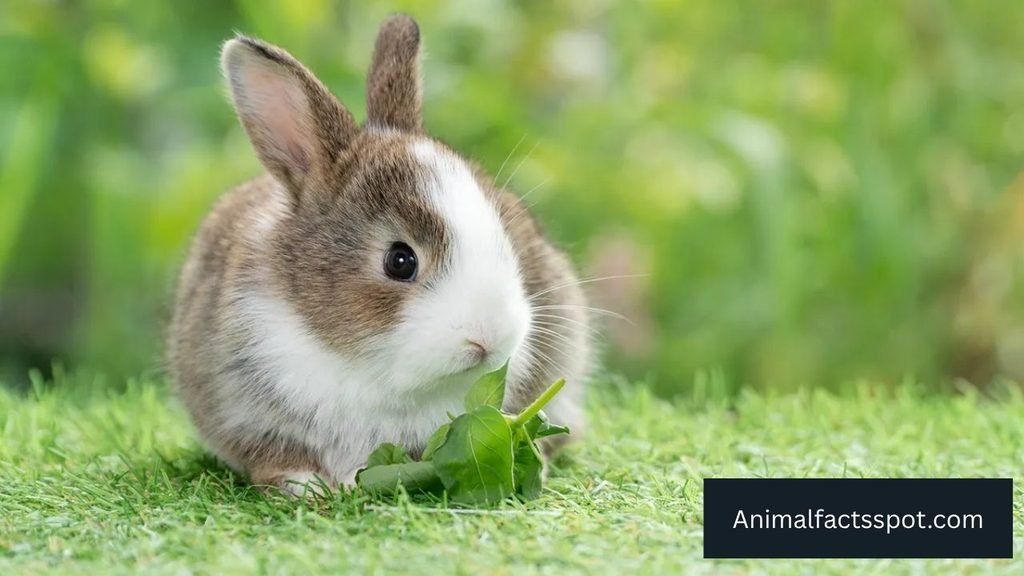
The nutritional benefits of berries play a crucial role in a rabbit’s diet, helping promote a healthy gut and vibrant fur. Their natural sugar content is balanced by fiber, making them a guilt-free indulgence that can encourage hydration and support overall well-being. Notably, the colorful hues of the berries also serve as an excellent source of natural pigments, which can help improve a rabbit’s overall health.
European Badger
Scientific Name: Meles meles
Class: Mammalia
European badgers are fascinating foragers, and their love for berries adds a unique layer to their ecological role. While they primarily feast on earthworms and insects, berries offer a seasonal treat that contributes significantly to their diet, especially in late summer and autumn. For badgers, the consumption of berries isn’t just about nourishment; it plays a vital role in their energy reserves, preparing them for the colder months when food becomes scarcer.
Interestingly, badgers are known to consume diverse berry types, from blackberries to elderberries. This preference helps in seed dispersal, allowing plants to propagate and maintain healthy ecosystems. As they plow through brambles, they inadvertently become vital agents of biodiversity. Moreover, their foraging activities at dusk and dawn highlight their adaptability to varying habitats, showcasing how they balance foraging habits with their nocturnal lifestyle.
Bats
Scientific Name: Chiroptera
Class: Mammalia
Bats, often recognized for their nocturnal foraging habits and remarkable echolocation abilities, play a vital yet often overlooked role in berry consumption. Many species, particularly fruit bats, have evolved specialized diets that include a variety of berries, from blueberries to mulberries. This dietary choice not only satisfies their hunger but also positions them as essential players in seed dispersal, promoting the growth of berry-producing plants across vast areas.
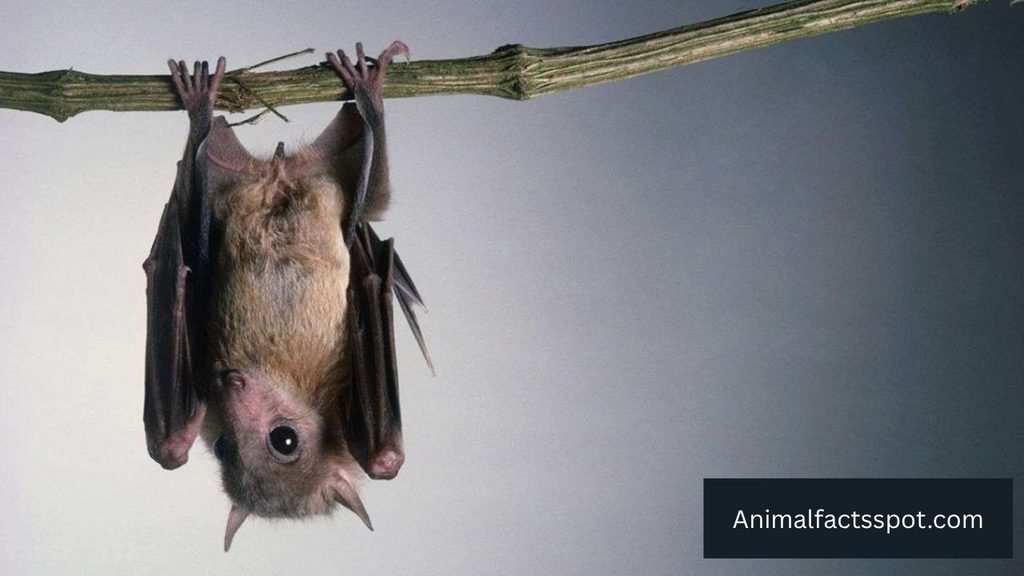
Interestingly, the relationship between bats and berries extends beyond mere sustenance. As these agile creatures navigate the night sky, they inadvertently facilitate pollination for certain berry species, enhancing biodiversity in their ecosystems. Their feeding habits contribute to the genetic diversity of plants, allowing habitats to flourish even as environmental conditions change. Observing how bats interact with berry-laden vegetation unveils a fascinating interplay of survival, adaptation, and ecological balance that often goes unnoticed in the grand tapestry of nature.
Read More: Explore Top 15 Animals That Eat Grasshoppers.
Hedgehog
Class: Mammalia
Hedgehogs are often underestimated in their culinary preferences, but these charming little creatures are surprisingly versatile eaters. While their diet is primarily insectivorous, hedgehogs have a soft spot for berries, particularly during the summer months when these ripe jewels abound. Foraging through gardens and forests, they use their keen sense of smell to locate fruits like strawberries, raspberries, and blackberries. Not only do these berries provide essential hydration, but they also deliver a burst of antioxidants that are beneficial for the hedgehog’s overall health.
The relationship between hedgehogs and berries reflects a fascinating aspect of nature’s interconnectedness. As hedgehogs devour these fruits, they inadvertently aid in seed dispersal, promoting plant growth in their habitats. This symbiotic relationship highlights the importance of hedgehogs in maintaining ecosystem balance. Witnessing a hedgehog indulging in a berry feast can remind us of the simple joys found in nature, bringing a sense of wonder to those who encounter these enchanting creatures in their gardens or woodlands.
Skunks
Scientific Name: Mephitidae
Class: Mammalia
Skunks are often perceived through the lens of their notorious scent, but these fascinating creatures have a diverse diet that includes a surprising affinity for berries. When ripe, wild berries become a seasonal treat for skunks, providing essential vitamins and nutrients to supplement their omnivorous diets. As opportunistic foragers, skunks can often be spotted rummaging through underbrush or scouring gardens, their keen sense of smell guiding them to these colorful morsels.
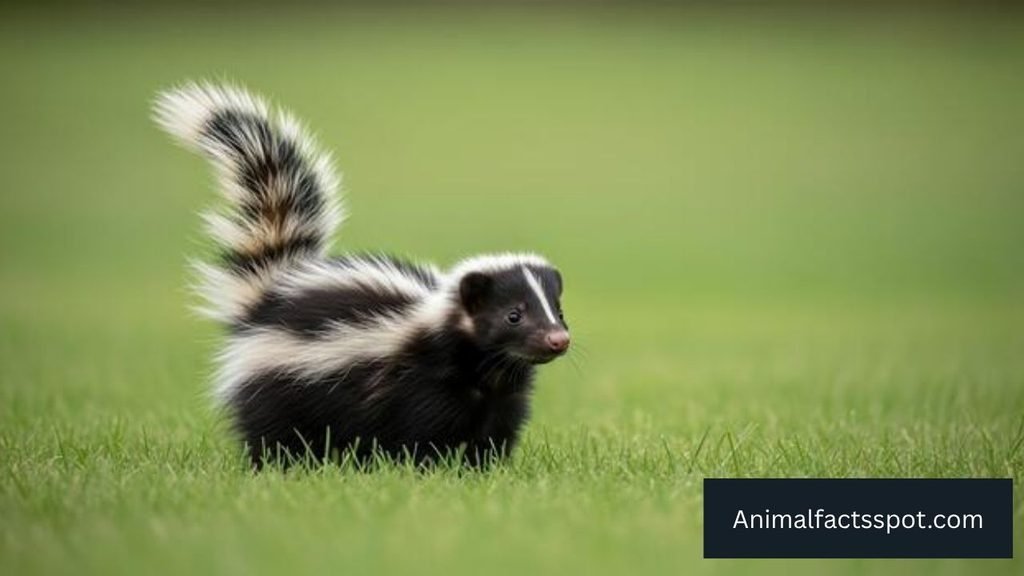
The consumption of berries also plays a vital role in skunks’ behavior and ecology. During late summer and early fall, when berries are abundant, skunks shift their foraging patterns, often bringing communities of skunks together in fruitful areas. This seasonal congregation not only helps in sharing resources but can also influence their social dynamics. Interestingly, by eating berries, skunks inadvertently contribute to seed dispersal, aiding in the propagation of various plant species and ensuring the health of their ecosystems.
Bears
Scientific Name: Ursidae
Class: Mammalia
Bears are notorious for their voracious appetites, and their fondness for berries is a fascinating aspect of their behavior. During the late summer and early fall, these omnivorous giants embark on a foraging frenzy, seeking out wild blueberries, raspberries, and blackberries. This berry bounty is not merely a delightful treat; it plays a crucial role in their survival strategy as they fatten up for hibernation. The high sugar content of berries provides essential energy, helping bears pack on the necessary weight before winter sets in.
Interestingly, the act of berry foraging also has a profound ecological impact. As bears move through their habitats, they inadvertently contribute to seed dispersal. By eating berries and later excreting the seeds, they help propagate various plant species, maintaining the biodiversity of their ecosystems. In this symbiotic relationship, bears serve as both consumers and cultivators, highlighting the interconnectedness of life in nature.
Blue Jay
Scientific Name: Cyanocitta cristata
Class: Aves
Blue Jays, those striking blue and white birds that often seem to appear out of nowhere, have an intriguing relationship with berries. While they’re commonly recognized for their bold calls and mischievous behavior, their dietary preferences reveal an important role in their ecosystem. For these avian acrobats, berries are not just a delicious snack; they are a crucial source of energy, especially during migration seasons when nourishment can be scarce.
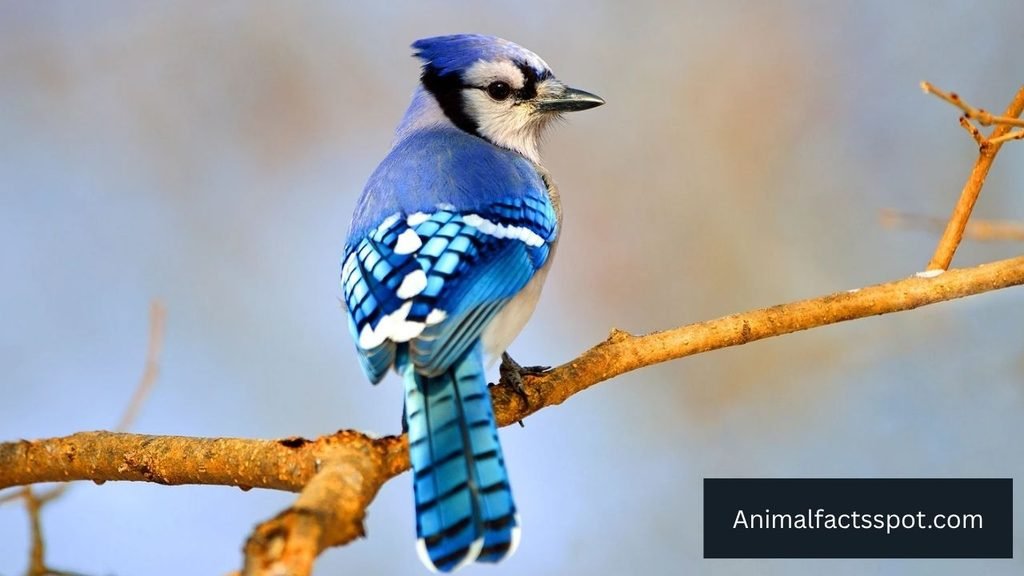
Their adaptability is fascinating — Blue Jays can pick from a variety of berries, including those from mulberry trees, blueberries, and holly. This diverse diet not only satisfies their nutritional needs but also makes them essential players in seed dispersal. As they feast on berries, they inadvertently contribute to plant propagation by scattering seeds throughout their territory.
Opossums
Scientific Name: Didelphis virginiana
Class: Mammalia
Opossums, those often misunderstood marsupials, are surprisingly versatile when it comes to their diet, with berries being a favored treat. These nocturnal foragers have a keen sense of smell that helps them locate ripe raspberries, blackberries, and even strawberries in the wild. In addition to satisfying their sweet cravings, consuming berries provides vital antioxidants that boost their immune systems, a crucial advantage for a creature often exposed to pathogens thanks to their scavenging lifestyle.
By eating berries, they inadvertently aid in seed dispersal. When opossums munch on berry-laden fruit, the seeds pass through their digestive systems unharmed, ready to sprout wherever they’re deposited. This not only helps maintain the local ecosystem but also encourages the growth of the very plants that support their food chain.
Raccoon
Scientific Name: Procyon lotor
Class: Mammalia
Raccoons are not just mischievous bandits of the night; they are also savvy foragers with a taste for berries. With their nimble paws and keen sense of smell, these creatures can effortlessly locate ripe blackberries, blueberries, and strawberries, often leaving a trail of berry-stained evidence in their wake. What’s intriguing is how raccoons cleverly adapt their foraging behaviors based on the season, demonstrating an impressive level of intelligence and flexibility in their diets.
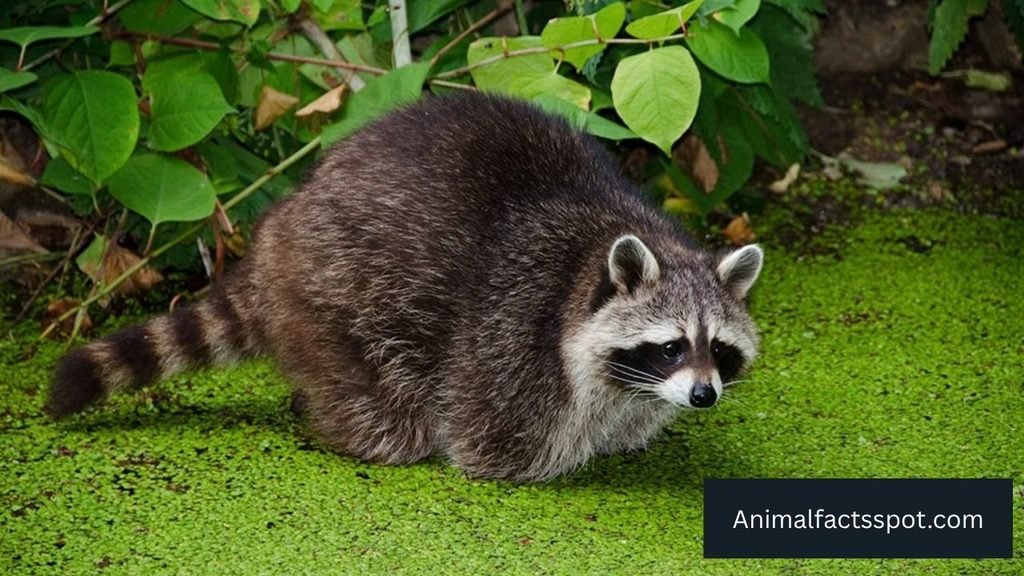
The nutritional value of berries plays a vital role in the raccoon’s diet, providing essential vitamins and antioxidants that help them thrive. Interestingly, raccoons have the ability to recognize and remember which berry patches yield the best results, often returning to their favorite spots year after year. This not only showcases their cognitive abilities but also highlights the delicate balance of their ecosystem; as they consume berries, they inadvertently aid in seed dispersal, promoting plant growth and biodiversity.
Cedar Waxwing
Scientific Name: Bombycilla cedrorum
Class: Aves
The Cedar Waxwing is a striking bird adorned with sleek, smooth feathers that are a delight to behold. Not only is its appearance captivating, but its diet also plays a key role in the ecosystem. These fascinating creatures have a penchant for berries, particularly those from fruiting trees like serviceberries, dogwoods, and hawthorns. The waxwings often flock in groups, creating a colorful spectacle while they feast on these sweet delights, showing an almost communal approach to foraging that highlights their social nature.
Interestingly, Cedar Waxwings have an exceptional ability to locate ripe berries, often consuming them in vast quantities. However, this indulgence can lead to unexpected consequences; when overfed, the sugars and alcohol from fermented fruit can cause inebriation, leading to some unpredictable flight patterns. This quirky behavior not only underscores their unique adaptations but also adds a layer of complexity to their interactions with the environment, reflecting the broader connections between wildlife and the health of berry-producing plants.
White-tailed Deer
Scientific Name: Odocoileus virginianus
Class: Mammalia
White-tailed deer are often seen as graceful grazers, but their diet extends well beyond just grasses and leaves to include a delightful array of berries. As these creatures roam through forests and fields, they eagerly seek out blueberries, blackberries, and raspberries, which not only provide a burst of flavor but also a rich source of essential nutrients. This berry-loving habit plays a crucial role in their foraging strategy, especially during late summer and early fall when berries are at their peak ripeness.
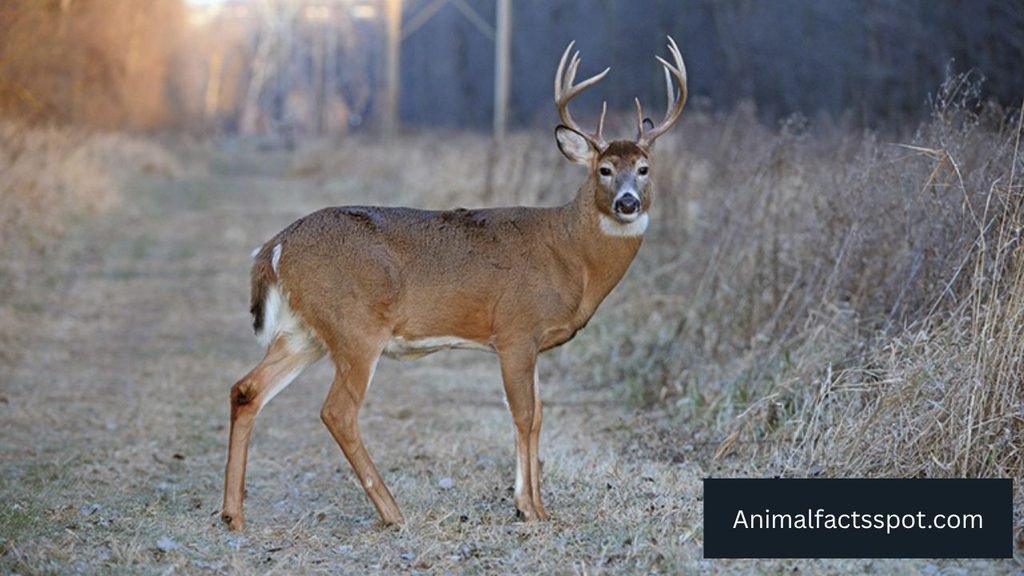
The consumption of berries significantly impacts local ecosystems as well. When deer eat berries, they help with seed dispersal, allowing plants to propagate and flourish in new areas. This mutualistic relationship highlights an often-overlooked aspect of deer behavior: their role as ecological agents that contribute to the health and diversity of their habitats. As these animals munch on berries, they inadvertently cultivate the landscape, ensuring that their favorite food sources remain abundant for future generations of all wildlife.
American Robin
Scientific Name: Turdus migratorius
Class: Aves
The American Robin, often heralded as a symbol of spring, is a dedicated berry enthusiast. As they flit through gardens and parks, their keen eyes scan for vibrant clusters of berries, making them crucial players in seed dispersal. Unlike many birds that primarily focus on insects in the summer, robins adapt their diet to include a variety of berries during the cooler months, feasting on everything from luscious strawberries to tart wild berries. This dietary flexibility not only sustains them but also plays a significant role in the ecosystem by aiding in plant propagation.
Interestingly, the American Robin’s affinity for berries also influences its social behavior. These birds often gather in flocks, creating a cacophony of chirps and whistles as they flock to fruit-laden trees. Observing this behavior offers a glimpse into their communal approach towards foraging, highlighting a complex social structure that thrives on cooperation. Moreover, their ability to identify ripeness allows robins to time their feeding with precision, ensuring they make the most of nature’s seasonal bounty.
Common blackbird
Scientific Name: Turdus merula
Class: Aves
The common blackbird, with its glossy black feathers and melodious songs, is often seen flitting through gardens and parks, where berry-laden bushes become a crucial element of its diet. During the summer months, these birds deploy their keen eyesight to scout ripe berries, selecting the juiciest morsels. Interestingly, it’s not just the fruit’s taste that attracts them; the berries provide essential nutrients and energy, vital for breeding and raising their young.
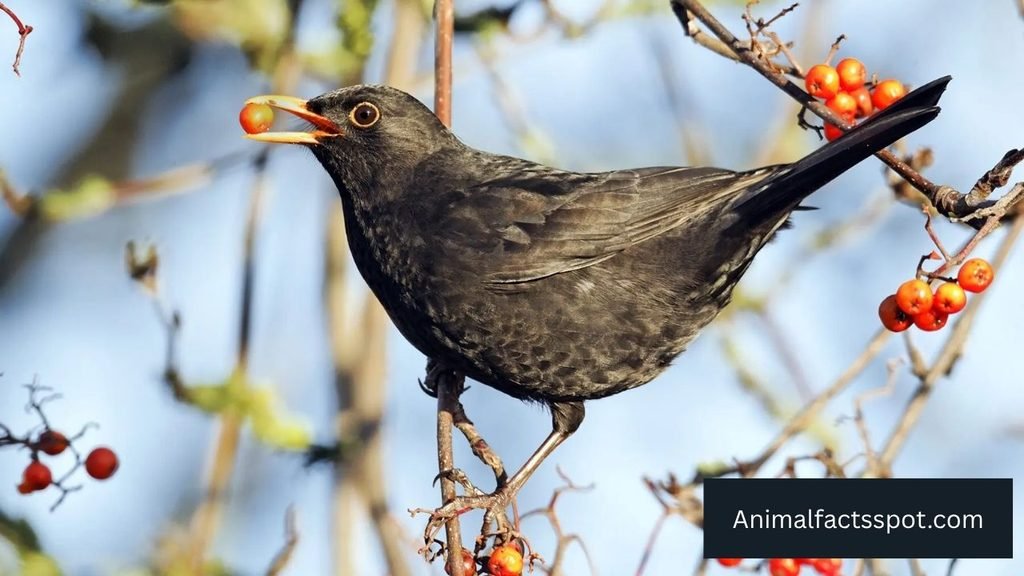
Moreover, the blackbird’s berry-eating habits play a significant role in the ecosystem. As they consume berries, they inadvertently aid in seed dispersion, helping to propagate the very plants that sustain them. This symbiotic relationship highlights the interconnectedness of nature, where one creature’s feast becomes another’s opportunity for growth.
Eastern Gray Squirrel
Scientific Name: Sciurus carolinensis
Class: Mammalia
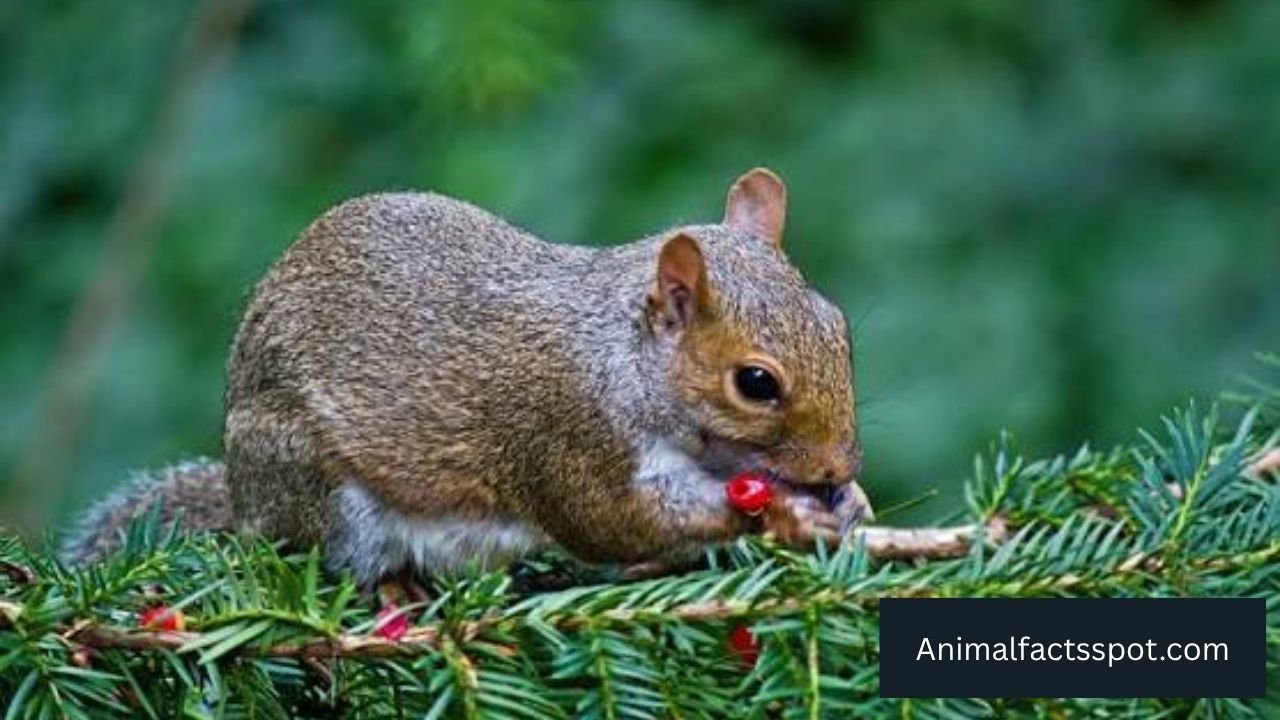
The Eastern Gray Squirrel, often seen darting among the branches of parks and backyards, is an unexpected connoisseur of berries. While they are commonly recognized for their acorn and nut foraging, these agile creatures also savor the sweet juiciness of berries during the warmer months. From strawberries to blueberries, the vibrant colors and enticing scents of ripe fruits draw these squirrels in, adding a splash of life to their otherwise nut-heavy diet.
Interestingly, this berry-loving behavior plays a crucial role in seed dispersal. As Eastern Gray Squirrels nibble on berries, the seeds often pass through their systems unharmed and are deposited in new locations, potentially germinating into new plants. This not only supports the health of berry plant populations but also fosters biodiversity in their habitats. Observing them expertly maneuver through dense foliage to locate their next berry feast offers a glimpse into their adaptability and highlights the intricate relationships they maintain with their ecosystem.
Northern Mockingbird
Scientific Name: Mimus polyglottos
Class: Aves
The Northern Mockingbird, a remarkable and adaptable avian species, revels in the delights of berry-laden shrubs and trees. These birds are often seen flitting between branches, sampling various berries ranging from the familiar blackberry to the less-known serviceberry. What’s fascinating is their diverse palate; they don’t just feast on one type of berry but skillfully alternate among them, showcasing their ability to locate ripe offerings throughout the seasons.
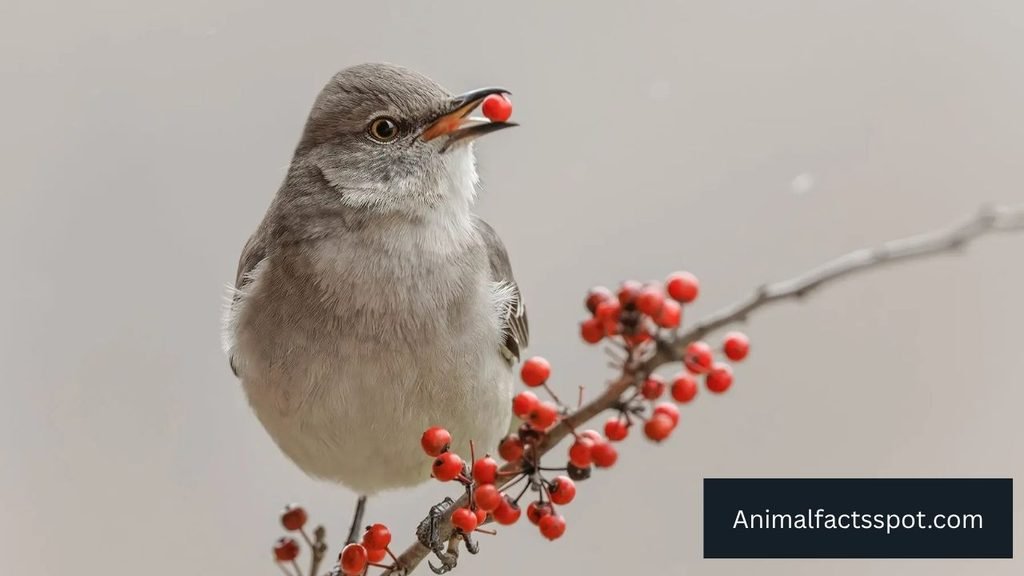
Their berry consumption goes beyond mere sustenance, playing a vital role in their intricate social behaviors. Mockingbirds are known for their melodious songs, which they often perform to establish territory and attract mates. Interestingly, the types of berries available in their habitat can influence their song repertoire. A thriving berry-rich environment may lead to increased singing activity, as these birds showcase their health and vitality, further enticing potential mates.
Wood Mouse
Scientific Name: Apodemus sylvaticus
Class: Mammalia
The wood mouse, a small and nimble creature, plays a vital role in the ecosystem as a forager of berries. Found predominantly in woodlands and hedgerows, this unassuming rodent has a particular fondness for the sweet, tangy offerings of nature. Berries like blackberries, raspberries, and elderberries aren’t just snacks for the wood mouse; they serve as essential nutritional sources, packed with antioxidants and vitamins that support its lively lifestyle.
Unlike many animals that consume berries in isolation, the wood mouse exhibits a form of selective feeding, often opting for ripe or slightly overripe fruits. This not only maximizes the energy obtained from the berries but also aids in seed dispersal, promoting the growth of new plants. In this dance of consumption and regeneration, the wood mouse becomes an unseen gardener, contributing to the vibrant tapestry of its habitat while ensuring the sustainability of berry-producing plants for future generations.
Red Fox
Scientific Name: Vulpes vulpes
Class: Mammalia
The red fox, an adaptable and cunning creature, showcases a remarkable dietary flexibility that includes a fondness for berries. While often associated with hunting small mammals, this omnivorous marvel delights in seasonal treats like strawberries, blackberries, and blueberries. The vibrant hues of these fruits not only tantalize the palate of the fox but also serve as vital sources of vitamins and moisture, especially during arid summer months.
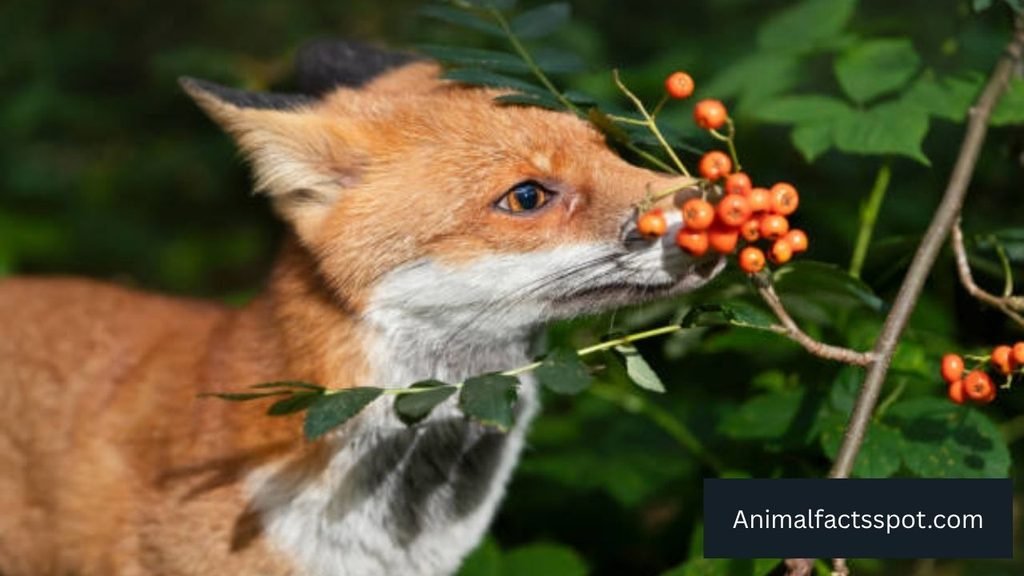
Observing a red fox rummaging through bramble bushes offers a glimpse into nature’s intricate web of survival; these fruits help sustain their energy needs while contributing to seed dispersal in the environment. As the fox indulges, it aids the ecosystems by ensuring that berry plants continue to thrive, creating a symbiotic relationship that underpins biodiversity.
Read More: Explore Top 12 Animals Like Sugar Glider.
Conclusion
The fascinating world of berry-eating animals reveals the remarkable ways in which wildlife interacts with plants. Each species, from tiny insects to large bears, plays a crucial role in shaping the landscape and promoting biodiversity. Awareness of these interactions can inspire us to appreciate and advocate for the conservation of these species and their habitats.
As humans encroach upon nature, it becomes increasingly important to recognize our responsibility in preserving the delicate balance. Join the effort to protect these vital ecosystems and the berry-loving animals that rely on them.
FAQs
What animals eat berries?
Many animals enjoy eating berries, contributing to their diets and the ecosystem. Birds are some of the most well-known berry enthusiasts; species like robins, bluebirds, and waxwings often feast on a variety of berries, from strawberries to elderberries. Their consumption not only provides nourishment but also aids in seed dispersal, helping plants grow in new areas.
Do wolves eat berries?
Yes, wolves do eat berries, although they’re primarily carnivorous animals. In their natural habitat, they often consume a variety of foods depending on the season and availability. During late summer and early fall, when berries are plentiful, wolves will include them in their diet.
Do raccoons eat berries?
Yes, raccoons do eat berries. They are omnivorous and have a varied diet that includes fruits, including berries like blackberries, blueberries, and strawberries.