Top 15 Most Active Animals in The World (With Pictures)
In this article, we will explore the Most Active Animals in the World, uncovering the extraordinary abilities that allow these creatures to thrive in their environments. Understanding their remarkable stamina and agility not only highlights the wonders of evolution but also inspires us to embrace our own physical well-being. Prepare to be amazed by the sheer energy and tenacity of these active animals!
List of Most Active Animals in The World
Here is the list of most active animals in the world:
- Ants
- Goats
- Beavers
- Shrews
- Squirrels
- Hummingbirds
- Honeybees
- African Wild Dogs
- Arctic Terns
- Tasmanian Devils
- Sea Otters
- Donkeys
- Cockatiels
- Dogs
- Dolphins
Ants
Scientific Name: Formicidae
Ants epitomize hyperactivity in the animal kingdom, showcasing an extraordinary work ethic that rivals even the busiest of humans. A colony can consist of millions, with each ant performing specific roles — workers, soldiers, and reproductive individuals — creating a finely-tuned society thriving in diverse environments. Their efficiency is not just fascinating; it’s a testament to nature’s intricate design. For instance, leafcutter ants don’t merely gather leaves; they cultivate fungus, creating a symbiosis that has evolved over millions of years, revealing their ability to innovate for survival.
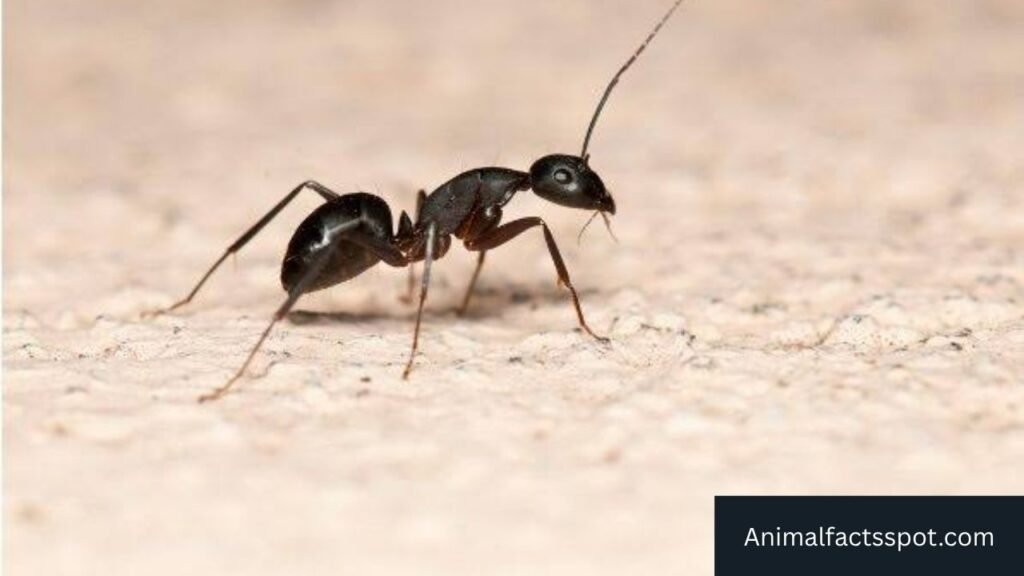
But what truly sets ants apart is their remarkable communication skills. Through pheromones, they convey messages about food sources, danger, and colony movements, forming complex networks that enable rapid responses to threats or opportunities. This level of coordination highlights a collective intelligence that surpasses individual instincts. Moreover, studies indicate that certain species, like the fire ant, can even form living rafts to survive floods, demonstrating resilience and adaptability in the face of adversity. Whether they’re nesting in a forest or marching through urban landscapes, ants provide a humbling reminder of teamwork and perseverance on an astonishing scale.
Goats
Scientific Name: Capra aegagrus hircus
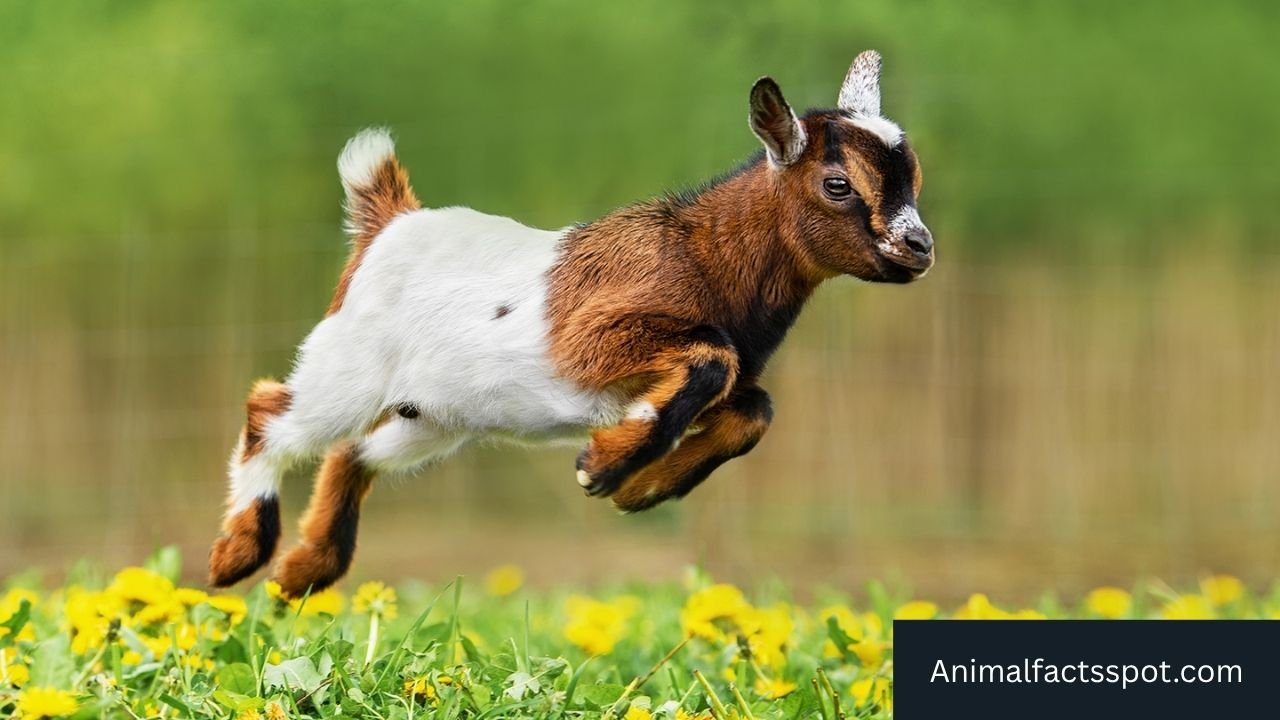
Goats, often perceived as quirky farm animals, are surprisingly dynamic and social creatures. Their playful nature drives them to be remarkably active, leaping and climbing with impressive agility. When young goats, or kids, engage in their natural instinct to frolic, they resemble little acrobats, showcasing their energy and dexterity. Watching these seemingly unassuming animals navigate rocky terrains or jump to impressive heights reveals a layer of adaptability that is oft overlooked.
What sets goats apart as some of the most active animals is their insatiable curiosity. Their explorative behavior leads them to investigate various environments, from steep hillsides to urban backyards, making them adept at finding food and shelter. This intelligence not only fuels their physical activity but also enriches their interactions with other goats and animals, fostering a unique social structure. Moreover, they are known to develop unique friendships, often forming bonds that drive their collective playfulness, making each day’s adventures an opportunity for social enrichment and learning.
Beavers
Scientific Name: Castor canadensis
Beavers, often dubbed the “ecosystem engineers” of the animal kingdom, are remarkable in their relentless work ethic and unparalleled ability to reshape landscapes. These industrious rodents possess a unique set of skills that allows them to construct intricate dams and lodges, fundamentally altering their environments. A single beaver can fell numerous trees in a day, using its powerful jaws and sharp teeth to craft elaborate waterworks that create ponds crucial for local biodiversity. This engineering feat not only provides shelter and protection for themselves but also creates habitats for countless other species, from fish to amphibians.
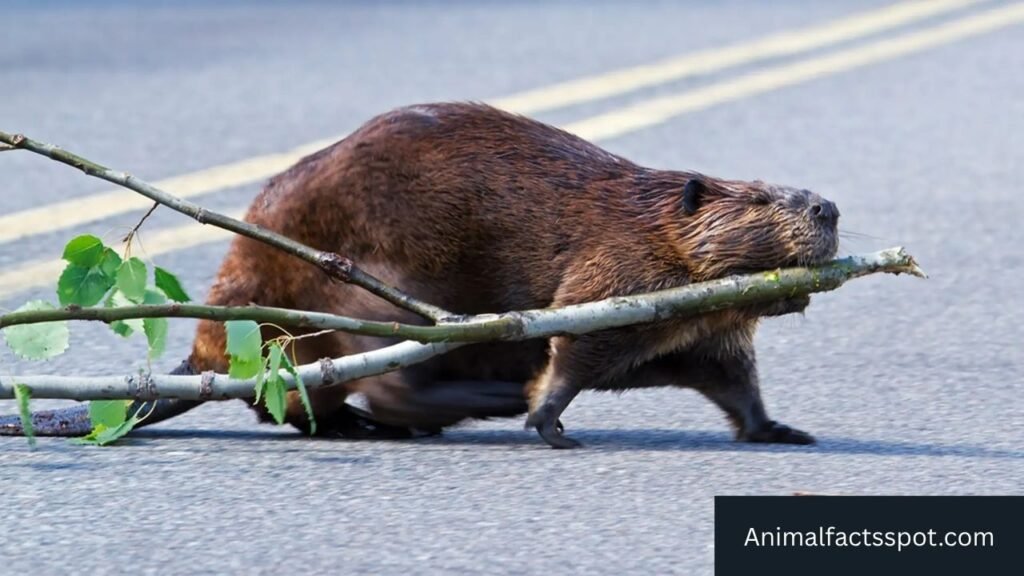
Intriguingly, beavers possess a profound connection to their habitats, driven by instinct yet informed by an acute understanding of their surroundings. Their activities lead to enhanced water retention and improved water quality, showcasing a symbiotic relationship with the ecosystems they inhabit. Unlike many animals, their influence extends far beyond their immediate presence; the wetlands they create serve as natural sponges that mitigate flooding and purify surrounding water bodies. As nature’s architects, beavers remind us of the interconnectedness of life, underscoring how one species can play a pivotal role in sustaining and enriching an entire habitat.
Shrews
Scientific Name: Sorex araneus
Shrews, often overshadowed by more glamorous wildlife, are tiny powerhouses of energy. These diminutive mammals may weigh less than an ounce, yet they contain a metabolic rate so high that they must consume roughly their entire body weight daily just to sustain themselves. While most animals have a sleep cycle or downtime, shrews are nearly always on the move, hunting insects, worms, and even small vertebrates with a ferocity that rivals some of the fiercest predators. Their secret weapon? A remarkable sense of smell combined with incredibly sharp teeth, allowing them to navigate their environments and consume prey in rapid succession.
What sets shrews apart is their unique physiological adaptations, especially in their usage of toxins. Some species possess venomous saliva, allowing them to immobilize prey larger than themselves. This adaptation not only enhances their hunting prowess but also sets the stage for a fascinating ecological role: by managing insect populations, shrews serve as unseen guardians of their habitats. Their relentless foraging behavior also contributes to soil aeration and nutrient cycling, underscoring their importance in maintaining healthy ecosystems. In this way, shrews embody the idea that even the smallest creatures can wield substantial influence over their environments, challenging us to appreciate the intricate connections that sustain life.
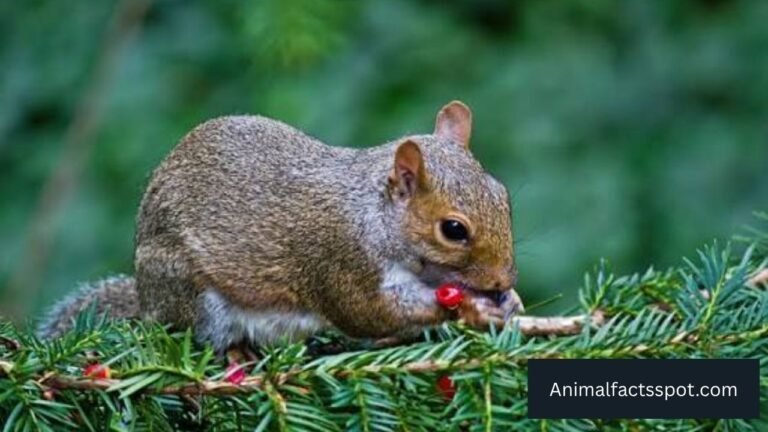
Squirrels
Scientific Name: Sciurus niger
Squirrels are often seen darting through parks and backyards, but their lively antics reveal more than mere play. These small rodents exhibit remarkable adaptability, thriving in various environments from urban areas to dense forests. Their constant motion is not just for foraging; squirrels are expert navigators, employing a mix of memory and spatial awareness to remember the locations of thousands of nuts they bury each season. This intricate mapping showcases their cognitive prowess, turning what may seem like a simple search for food into a complex dance of survival.
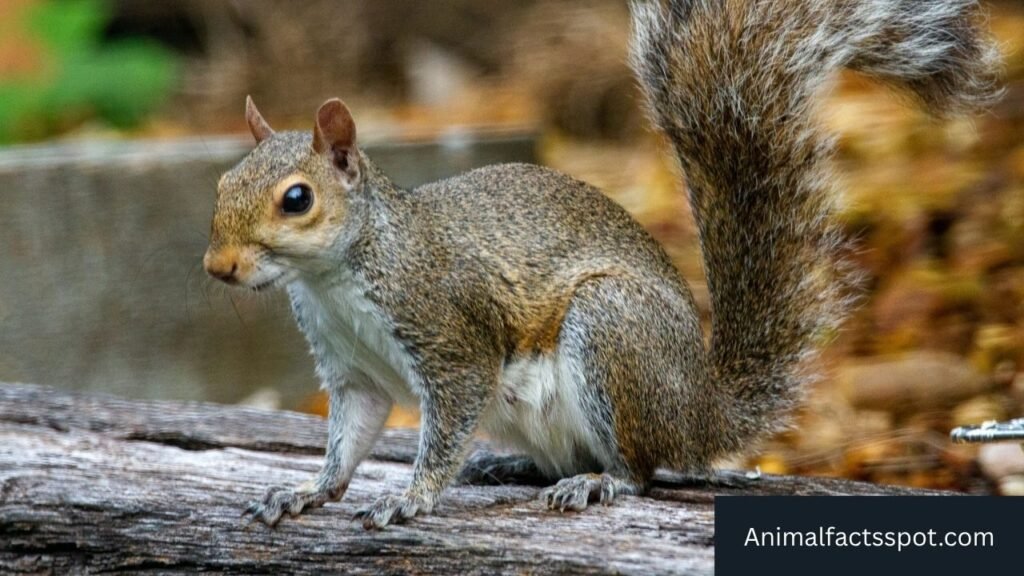
Interestingly, squirrels also engage in a fascinating form of communication through their vocalizations and tail movements. Each flick of the tail or specific chirp can signal alarm or even deter predators, demonstrating their social intelligence. Moreover, their playful behavior isn’t just for entertainment; it strengthens social bonds and hones essential skills needed for survival, such as agility and coordination. In urban landscapes, these animals have adapted their diets and lifestyles, showing unparalleled resilience as they integrate into human spaces, often with a cheeky charm that endears them to many. Thus, every leap and scurry offers a glimpse into their vibrant world, making squirrels not just active, but also engaging characters in the story of nature.
Hummingbirds
Scientific Name: Trochilidae
Hummingbirds are nothing short of aerial marvels, captivating both casual observers and dedicated birdwatchers with their frenetic energy and dazzling iridescence. These tiny powerhouses flap their wings at an astonishing rate of up to 80 beats per second, enabling them to hover in place with exceptional precision. This remarkable ability allows them to dart from flower to flower, sipping nectar while simultaneously pollinating plants and contributing significantly to their ecosystems.
What is truly fascinating is their extraordinary metabolism; a single hummingbird can consume nearly double its body weight in nectar each day, fueling its relentless activity. Beyond just their physical prowess, hummingbirds also exhibit impeccable spatial awareness and memory. They can remember the locations of hundreds of flowers and revisit them at optimal times for feeding, showcasing a level of intelligence often underestimated in such small creatures. Add to that their unique courtship displays, where males perform breathtaking aerial acrobatics to attract mates, and you have a creature that embodies not just energy, but also grace and complexity within the avian world.
Honeybees
Scientific Name: Apis mellifera
Honeybees are the quintessential symbols of industriousness, yet their frenetic activity belies a complex social structure that is vital for both their survival and environmental health. A single honeybee can visit over 2,000 flowers in a day, tirelessly navigating through diverse landscapes. Their remarkable ability to communicate through the “waggle dance” allows them to relay the location of food sources to fellow hive members, emphasizing a cooperative spirit that is essential for foraging success. This intricate dance not only showcases their intelligence but also underscores the importance of collaboration in nature.
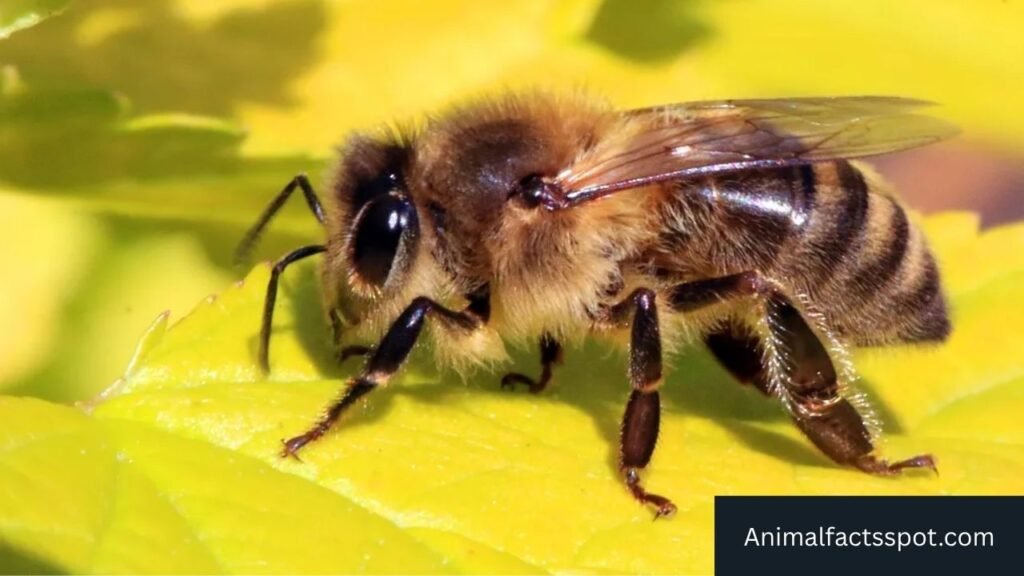
Moreover, honeybees play a crucial role in pollination, supporting approximately one-third of the food crops we consume. Without their tireless efforts, our diets would be drastically less diverse, impacting everything from fruit and vegetables to nuts and seeds. The alarming decline in honeybee populations due to pesticide use, habitat loss, and disease serves as a stark reminder of their ecological importance. Protecting these incredible creatures doesn’t just benefit them; it safeguards our own food systems and biodiversity as well, urging us to reconsider how our actions affect the natural world around us.
African Wild Dogs
Scientific Name: Lycaon pictus
African wild dogs, often overshadowed by their more famous cousins, are one of nature’s most captivating athletes. Known for their unparalleled endurance, these social canines can cover vast distances with remarkable energy, pursuing prey like impalas and wildebeests across the savannah. What sets them apart is their extraordinary teamwork; they communicate with a series of chirps and squeaks, orchestrating their hunts with a finesse that highlights their intelligent social structure.
Their hunting strategy is more akin to a choreographed dance than mere instinct. By utilizing a combination of speed and stamina, they can chase prey for miles, exploiting the weaknesses of their targets rather than relying on sheer force. Studies suggest that their ability to sustain long chases may even play a role in ecosystem balance, regulating herbivore populations and promoting vegetation health. This high-energy lifestyle isn’t just about survival; it’s a testament to the complex interplay of cooperation and competition in the wild, which contributes significantly to the rich tapestry of Africa’s biodiversity.
Arctic Terns
Scientific Name: Sterna paradisaea
The Arctic tern is nothing short of a marvel of endurance and navigation, boasting the longest migration of any animal on Earth. Each year, these remarkable birds traverse over 70,000 kilometers from their breeding grounds in the Arctic to their wintering territories in the Antarctic. This awe-inspiring journey isn’t just a quest for warmer climates; it’s a strategic pursuit of perpetual daylight, allowing them to maximize their foraging opportunities and breeding success. The tern’s ability to leverage the Earth’s tilt and seasonal shifts highlights their incredible adaptation to an ever-changing environment.
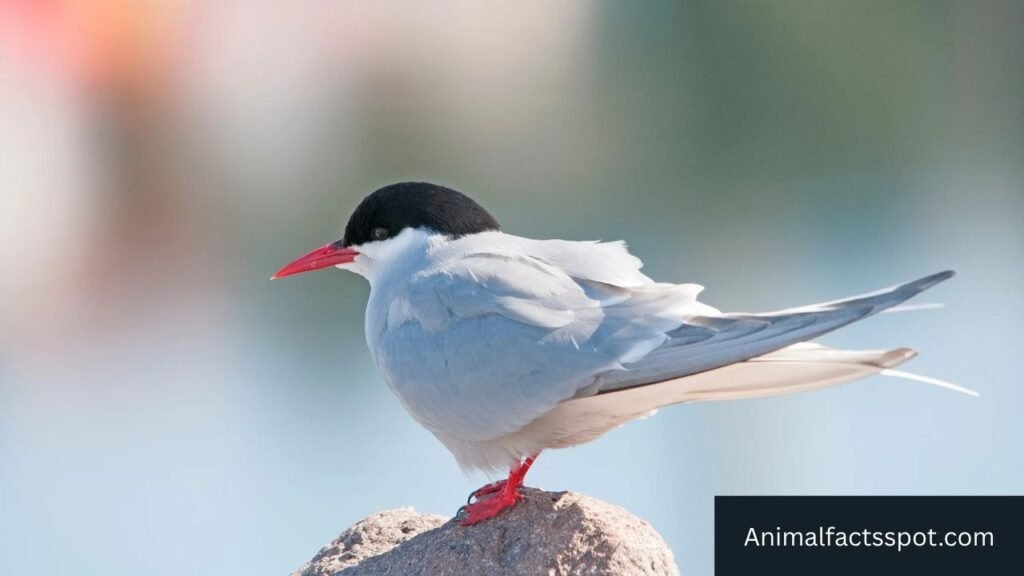
While many birds settle into predictable patterns, Arctic terns embrace a lifestyle that defies conventional limits. Their exceptional stamina is complemented by sharp instincts, which enable them to soar at high altitudes, tapping into wind currents that enhance their speed and efficiency. These terns feast primarily on fish and small marine creatures, skillfully diving from impressive heights to catch their prey. What’s truly fascinating is how these birds often return to the same breeding sites each year, showcasing a blend of loyalty and navigational prowess that prompts researchers to delve deeper into the mysteries of animal migration. The Arctic tern’s tenacity and relentless spirit prompt many to reflect not only on the beauty of the natural world but also on the importance of perseverance in our own lives.
Tasmanian Devils
Scientific Name: Sarcophilus harrisii
Tasmanian devils, with their distinctively fierce demeanor and powerful jaws, are often misunderstood as mere scavengers. However, they are vital to the ecosystems of Tasmania, playing a crucial role in maintaining the balance of their habitats. These nocturnal creatures are known for their incredible scavenging abilities, consuming every part of their prey, from bones to fur, which aids in nutrient recycling. Their voracious appetite helps control disease by preventing the overpopulation of sick animals, thereby promoting a healthier environment.
In recent years, the plight of the Tasmanian devil has garnered global attention, particularly due to the devastating facial tumor disease that has threatened their populations. Conservation efforts are not only focused on breeding programs but also on innovative strategies like habitat restoration and community engagement to educate locals about these magnificent marsupials. As researchers uncover more about their complex social structures, including vocalizations that reflect their emotional states, it’s clear that the Tasmanian devil is more than just a fierce fighter; it is a symbol of resilience and a testament to nature’s intricate web of connections.
Sea Otters
Scientific Name: Enhydra lutris
Sea otters are not just adorable; they are remarkable for their dynamic personalities and complex societal behaviors. Often spotted floating in kelp forests, these furry creatures use tools with impressive dexterity, cracking open shellfish on their bellies with rocks — an ability that showcases their intelligence and adaptability in the marine environment. This tool use highlights a fascinating aspect of their behavior: sea otters are not solitary foragers but active participants in a community, often seen working together to hunt for food.
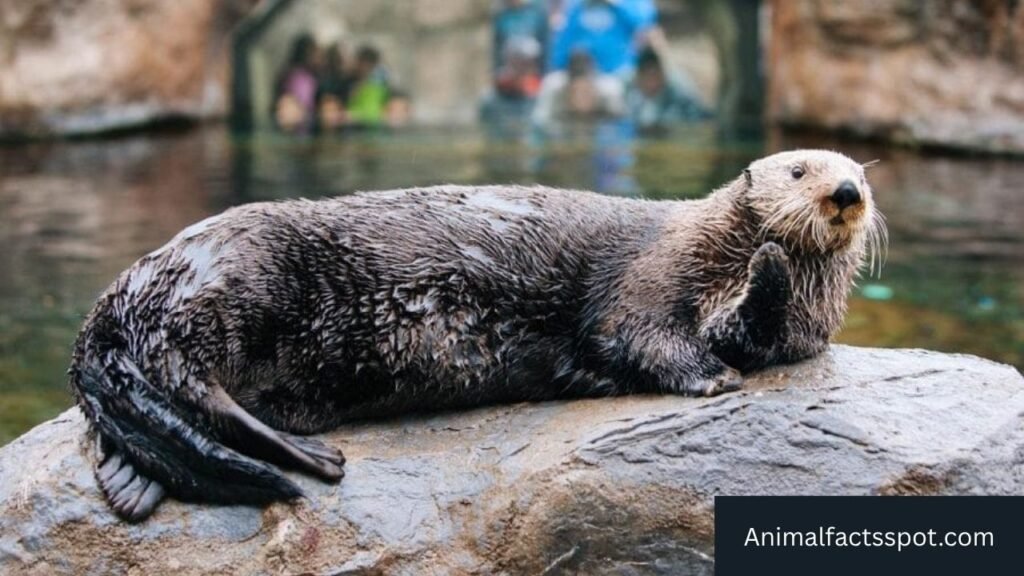
What’s more, sea otters play a pivotal role in maintaining the health of their ecosystems. By preying on sea urchins, they help keep these grazers in check, which in turn allows kelp forests to thrive. These underwater jungles serve as a habitat for countless marine species, illustrating the delicate balance within ocean ecosystems that sea otters help sustain. Their playful antics, from sliding down rocks to engaging in synchronized swimming, aren’t just entertaining; they serve vital roles in social bonding and communication, making them an endless source of intrigue for wildlife enthusiasts and researchers alike.
Donkeys
Scientific Name: Equus asinus
Donkeys, often dismissed as humble farm animals, are truly remarkable creatures. They possess a surprising degree of intelligence and emotional depth, making them both excellent companions and hardworking partners. Unlike their equine cousins, donkeys have a unique way of assessing situations; they often prefer to think things through rather than rush into decisions. This thoughtful demeanor not only enhances their problem-solving skills but also contributes to their longevity, with many donkeys living well into their 30s.
Moreover, donkeys are incredibly social animals, forming strong bonds with both humans and other animals. Their vocalizations — distinctive brays — serve as communication tools, expressing everything from excitement to anxiety. In the wild, these herds rely on cooperation and social structure, showcasing their capacity for empathy and teamwork. This social nature makes them excellent therapy animals, providing emotional support and companionship for those in need. By understanding the true nature of donkeys, we can appreciate their role beyond mere laborers, recognizing the intricate personalities that make them so captivating.
Cockatiels
Scientific Name: Nymphicus hollandicus
Cockatiels are often seen as the feathered joy of homes, bursting with personality and charm. These small parrots are not just delightful companions; they are incredibly active creatures that thrive on interaction and exploration. Their curiosity leads them to flit from perch to perch, engage in playful bouts of chasing, and even partake in a delightful dance when the mood strikes. It’s this spirited nature that makes them captivating to watch, as they weave a narrative of playfulness that can brighten any room.
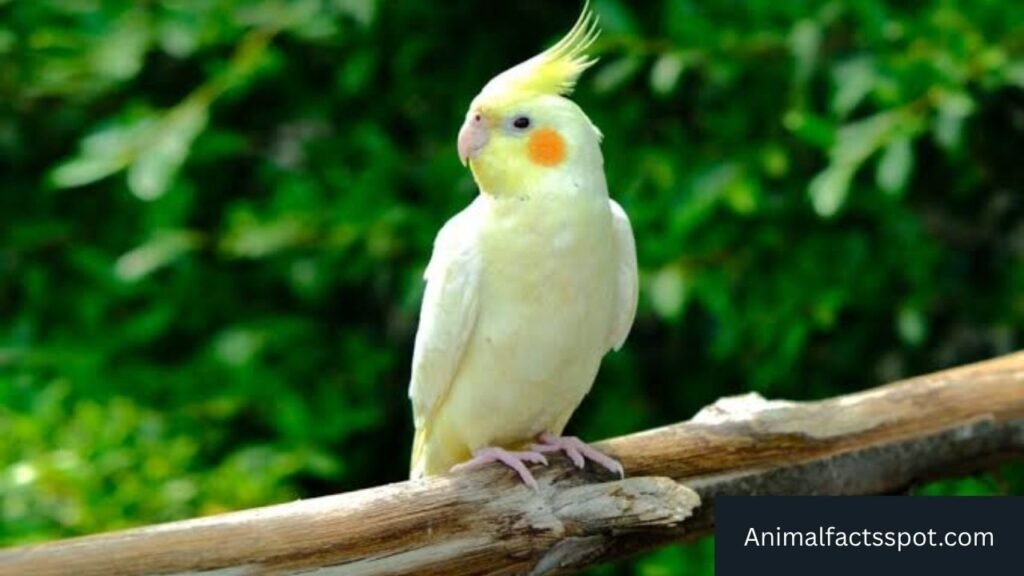
Moreover, their active lifestyle is rooted in their social structure. In the wild, cockatiels are known to live in flocks, where their constant movement and communication play a vital role in maintaining group dynamics. Emulating these social interactions at home is essential; providing a stimulating environment filled with toys, climbing structures, and regular out-of-cage time enables them to express their innate behaviors. Observing a cockatiel actively engaging with its surroundings not only highlights their intelligence but also emphasizes the bond they develop with their human companions. In essence, fostering a dynamic play area for these lively birds enriches both their lives and ours, reminding us of the joy that comes from sharing our world with such remarkable creatures.
Dogs
Scientific Name: Canis lupus familiaris
Dogs are not just our loyal companions; they are some of the most active animals on the planet, driven by an innate curiosity and boundless energy. Their diverse breeds exhibit varying activity levels tailored to their histories, from the graceful agility of Border Collies herding sheep to the relentless stamina of Labrador Retrievers fetching in the water. This adaptability shows how dogs thrive in different environments, catering not only to our needs but also to their instinctual behaviors.
Understanding a dog’s activity level can enhance their overall well-being, highlighting the importance of engaging them in both physical and mental exercises. Activities like agility training, scent work, or simply exploring new trails can stimulate their minds, preventing boredom and destructive behaviors that often arise from inactivity. Moreover, studies suggest that active dogs can forge deeper bonds with their owners, as shared activities foster loyalty and trust, creating a synergy between human and canine that enriches both lives. Embracing the dynamic nature of dogs not only benefits their health but also ushers us into a world of adventure, reminding us to embrace playfulness well into adulthood.
Dolphins
Scientific Name: Delphinus delphis
Dolphins are renowned for their playful nature and unmatched agility in the water, but their intelligence is just as captivating. These marine mammals demonstrate complex social structures and communication skills, using a variety of clicks, whistles, and body language to interact with one another. Their sophisticated echolocation abilities allow them to navigate vast oceans and hunt for fish with remarkable precision, turning the underwater world into an intricate game of hide-and-seek.
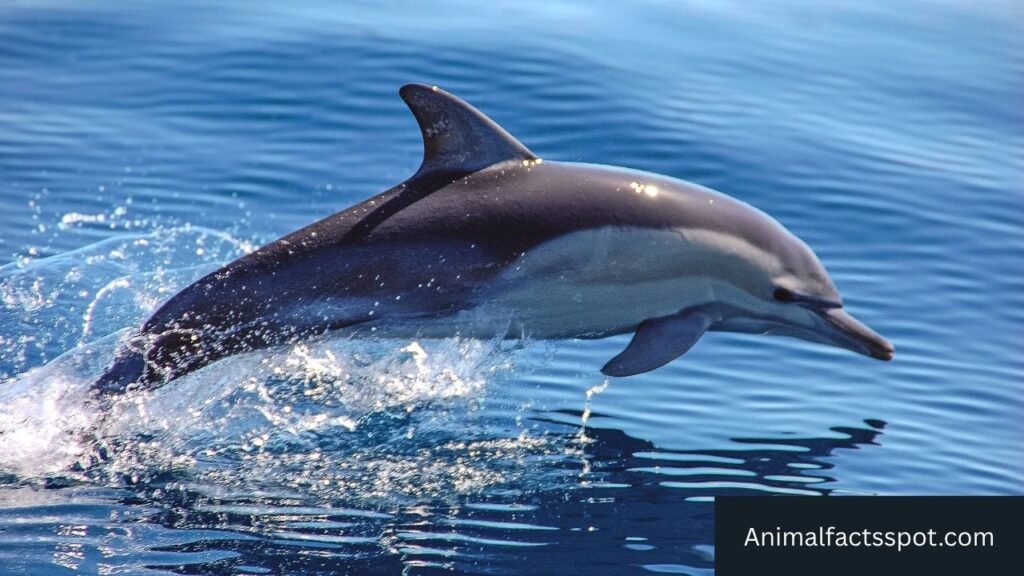
One of the most astonishing aspects of dolphins is their ability to form lifelong bonds. They exhibit empathy, often assisting injured members of their pods and engaging in cooperative hunting strategies. Furthermore, recent studies have revealed that dolphins have distinctive “names” in the form of signature whistles, indicating that they possess a sense of identity reminiscent of human names. Such interpersonal dynamics not only highlight their active social lives but also challenge our understanding of animal behavior, blurring the lines between human-like qualities and those found in the animal kingdom. Each encounter with these magnificent creatures leaves us in awe of their world, inviting deeper exploration into their lives beneath the waves.
Readmore: Explore Top 17 Animals Like Capybara.
Final Thoughts
The world of animals is filled with remarkable creatures that showcase incredible levels of activity and energy. From the agile cheetah, sprinting across the savannah, to the energetic hummingbird, fluttering from flower to flower, these animals inspire awe and admiration. Their unique adaptations allow them to thrive in their respective environments while engaging in various forms of movement and foraging. Understanding the behaviors and lifestyles of these active animals not only enhances our appreciation for biodiversity but also highlights the importance of conserving their habitats.
FAQs
What animals are very active?
Many animals are known for their high energy and activity levels. For instance, dolphins are incredibly playful and often engage in acrobatics, swimming in large pods. Their social nature drives them to be constantly on the move, whether for hunting or just having fun. Similarly, some species of monkeys, like capuchins and spider monkeys, are highly agile. They swing through the trees with remarkable speed, using their intelligence and dexterity to navigate their environment. Birds, especially in the parrot family, are also very active, often found flying, climbing, and exploring their surroundings with curiosity.
What is the most active animal in the world?
The most active animal in the world is often considered to be the hummingbird. These tiny birds flap their wings at an astonishing rate, typically between 50 to 80 beats per second, allowing them to hover and maneuver with remarkable agility. Their high metabolism requires them to feed on nectar frequently, leading them to be constantly on the move.