Explore Top 13 Animals Like Mongoose (With Images)
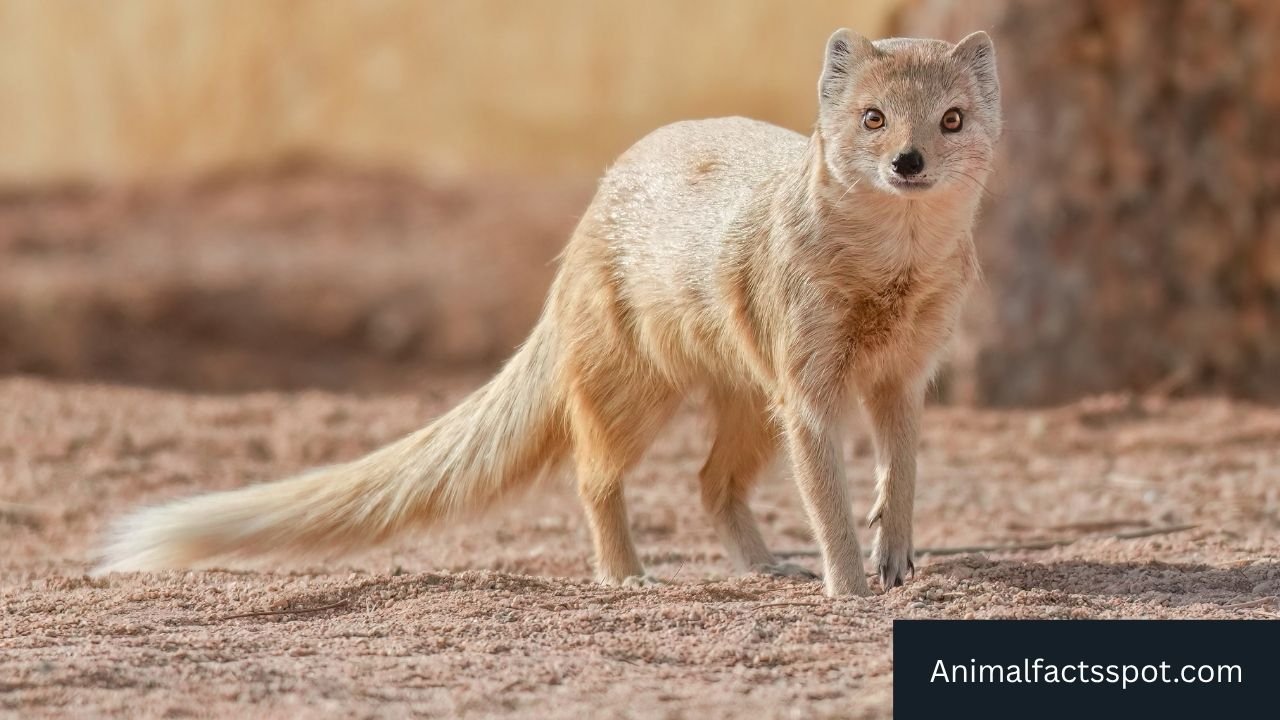
In this article, we will unravel the similarities and differences among various animals like mongoose, focusing on their unique survival strategies. This exploration emphasizes the remarkable adaptations these creatures have and why they matter in our ecosystem. Get ready to be fascinated by the world of wild animals that share the mongoose’s resourceful spirit!
List of Animals Like Mongoose
Here is the list of animals like mongoose:
- Marten
- Kusimanse
- Ferrets
- Fossa
- Genet
- Meerkats
- Mink
- Civets
- Weasel
- Linsang
- Otter
- Stoat
- Tayra
Marten
Scientific Name: Martes martes
Class: Mammalia
Diet: Omnivore
The marten, a nimble and agile creature, shares a fascinating overlap with the mongoose in their ecological roles and behaviors. These mammals, while not closely related, both exhibit remarkable adaptability and intelligence, often thriving in a variety of environments from dense forests to urban areas. Martens are celebrated for their stunning fur coats that glisten in the sunlight, but their true allure lies in their cunning hunting techniques. Skilled climbers, they navigate trees with ease, preying on birds, small mammals, and even fruits when opportunities arise.
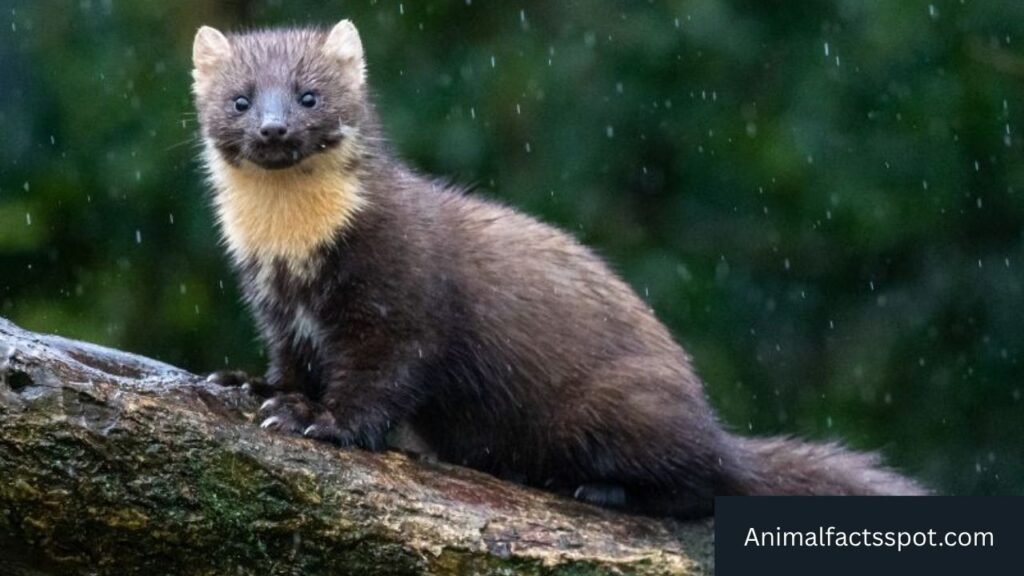
What truly sets martens apart from their mongoose cousins is their social behavior. While mongooses tend to display strong social structures and cooperative hunting tactics, martens are more solitary. This difference nuances their interactions with other wildlife; for instance, martens often engage in territorial marking, creating a complex social landscape that influences their hunting grounds. Their solitary nature allows them to adapt more readily to changing environments, displaying a level of independence that can be both captivating and strategic in the wild.
Kusimanse
Scientific Name: Crossarchus obscurus
Class: Mammalia
Diet: Omnivore
Kusimanse, often overshadowed by their more famous cousins, the mongoose, are truly fascinating creatures deserving of attention. These small, carnivorous mammals, native to West Africa, showcase remarkable adaptations that set them apart. With their elongated bodies and agile limbs, kusimanses are adept climbers and foragers, often seen scurrying through underbrush or scaling trees in search of insects and small invertebrates. Their playful behavior adds charm to their existence, making them captivating to observe in their natural habitats.
One intriguing aspect of the kusimanse is their social structure, which often involves living in small family groups. This social dynamic allows them to collaborate in foraging and provides a support system for raising young. Their vocalization, a series of high-pitched whistles and barks, facilitates communication among members, enhancing group cohesion and alertness against predators. Furthermore, the kusimanse’s unique grooming habits — where they meticulously clean each other — go beyond simple hygiene; this behavior strengthens social bonds and fosters a sense of familiarity within the group. By delving into the life of the kusimanse, we not only gain insights into their ecological role but also recognize the intricate social lives of these lesser-known animals, enriching our understanding of biodiversity.
Ferrets
Scientific Name: Mustela putorius furo
Class: Mammalia
Diet: Carnivore
Ferrets, much like their distant relatives the mongoose, exhibit fascinating behaviors and characteristics that make them unique companions. These small, agile creatures have an unmistakable knack for exploration, often tunneling and burrowing through every crevice of their environment. Their curious nature is akin to that of a mongoose, which is renowned for its fearless approach to hunting. When ferrets engage in their playful antics, manipulating toys or even each other, you can’t help but appreciate their intelligence and sociability.
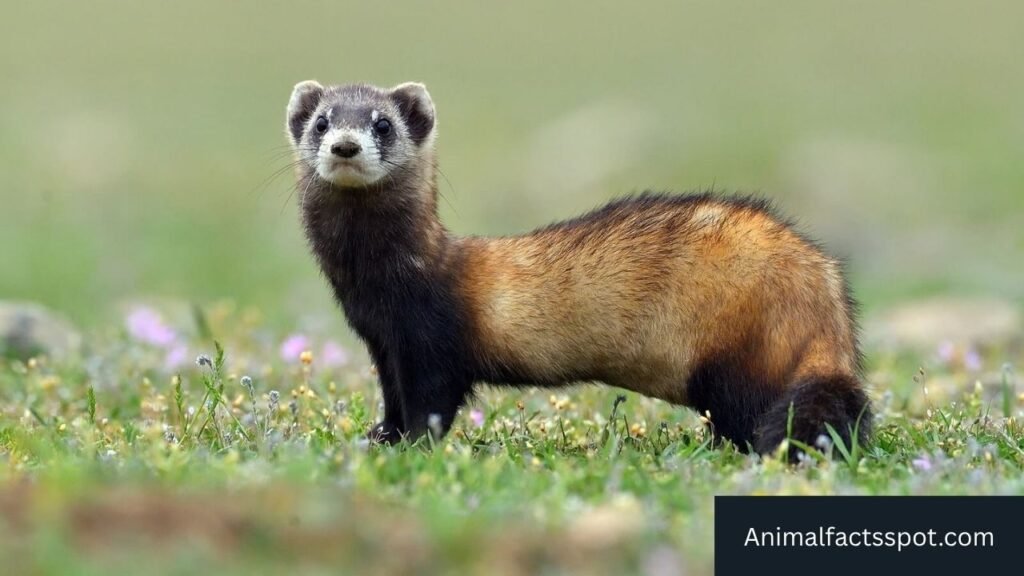
What’s particularly captivating about ferrets is their versatility. Historically, they were utilized for rabbit hunting, showcasing their keen instincts and abilities much like their mongoose cousins, who are celebrated for their prowess in battling snakes. Today, ferrets are increasingly being embraced as pets, loved for their playful antics and affectionate behavior. Their communal living habits mirror that of mongooses, often resulting in delightful, chaotic interactions that keep owners entertained. Embracing a ferret means inviting a veritable bundle of energy into your home, making every day an adventure reminiscent of the wild and watchful nature of their relatives.
Readmore: Explore Top 13 Animals Like Skunks.
Fossa
Scientific Name: Cryptoprocta ferox
Class: Mammalia
Diet: Carnivore
The fossa, a fascinating carnivorous mammal native to Madagascar, is often mistaken for a feline due to its sleek body and agile movements. However, it’s more closely related to the mongoose family, showcasing the remarkable evolutionary adaptations unique to the island’s isolated ecosystem. With a long, muscular tail for balance and sharp retractable claws, the fossa is an adept climber, allowing it to pursue its primary prey, the elusive lemur, through the treetops.
What truly sets the fossa apart is its cultural significance and role in Malagasy folklore. Locally regarded as a guardian of the forests, it embodies both reverence and fear among the island’s inhabitants. This duality enriches our understanding of how human perceptions intertwine with wildlife, underscoring the fine balance between admiration and survival. As the fossa faces threats from habitat loss and hunting, awareness of its ecological role becomes crucial; it serves as a key predator in maintaining the delicate balance of Madagascar’s unique biodiversity. Exploring the life of the fossa reveals not just an intriguing animal but also a narrative deeply woven into the fabric of its environment.
Genet
Scientific Name: Genetta genetta
Class: Mammalia
Diet: Omnivore
The genets, often mistaken for small felines, are elusive creatures that belong to the family Viverridae. With their sleek bodies and strikingly patterned fur, they exhibit a blend of elegance and adaptability that sets them apart in the animal kingdom. While they may not engage in the same confrontational tactics as the mongoose, their hunting strategies are equally remarkable. Genets are expert climbers, gracefully navigating treetops in pursuit of birds and small mammals, showcasing agility that rivals the most skilled gymnast.
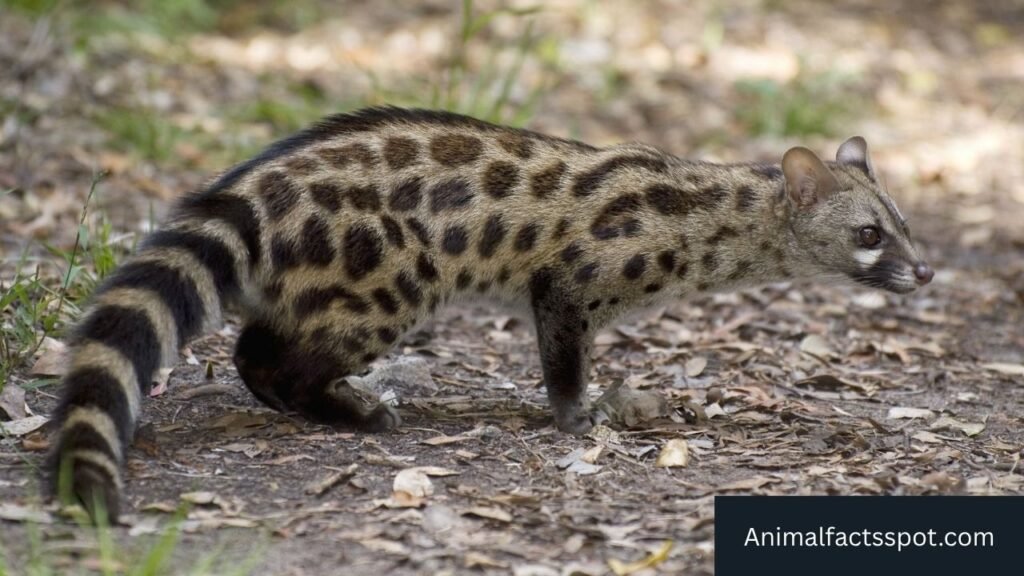
What truly captivates about genets is their social structure. Unlike many solitary predators, they can occasionally be seen engaging in cooperative behaviors, such as grooming each other or sharing food. This social aspect adds a layer of complexity to their character, demonstrating an unexpected depth in their interactions. Moreover, genets play a pivotal role in their ecosystems, controlling rodent populations and dispersing seeds, which ultimately contributes to the health of their habitats. Observing these creatures in the wild reveals not just a fascinating predator, but also a vital cog in the intricate machinery of nature.
Meerkats
Scientific Name: Suricata suricatta
Class: Mammalia
Diet: Omnivore
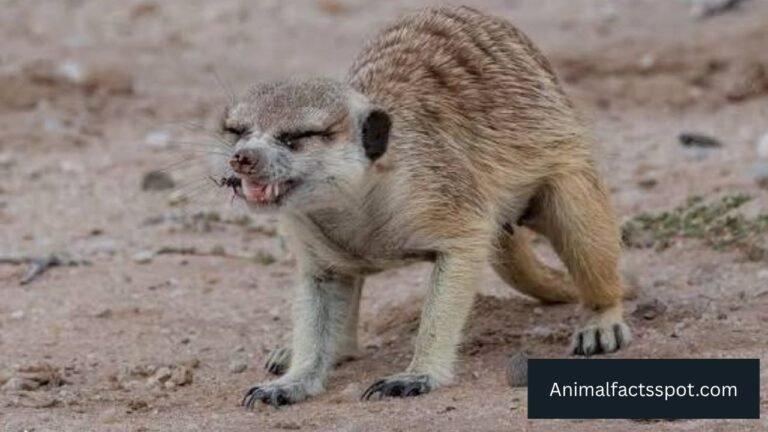
Meerkats, often mistaken for their more solitary relatives, the mongoose, unveil a fascinating world of cooperation and social structure. Living in tight-knit family units, these small yet mighty creatures display an extraordinary organization that rivals some human societies. With a dedicated sentinel perched on lookout duty, they communicate through a chorus of vocalizations, alerting the group to potential threats from predators like hawks and snakes. This communal vigilance not only protects them but also strengthens their bonds, promoting an intricate web of social relationships.
What sets meerkats apart is their remarkable adaptability to the harsh conditions of the African desert. They demonstrate innovative foraging techniques, capable of using their sharp claws to delve into the sandy soil to unearth tasty insects and tubers. However, their success is not solely dependent on individual prowess; it’s the synergy within their clan that ensures survival. Each member has a role — from babysitters to hunters — illustrating the beauty of teamwork in the animal kingdom. This dynamic exemplifies resilience and adaptability, reminding us of the strength found in community, both in nature and human life.
Mink
Scientific Name: Neovison vison
Class: Mammalia
Diet: Carnivore
Minks, often celebrated for their luxurious fur, are fascinating creatures that exhibit both agility and intelligence. These semi-aquatic mammals belong to the Mustelidae family, sharing traits with ferrets and otters. Unlike their more solitary relatives, minks can display surprisingly complex social behaviors, often forming family groups during breeding season. This communal living aids not only in raising young but also in defense against larger predators, embodying a striking contrast to their generally elusive nature.
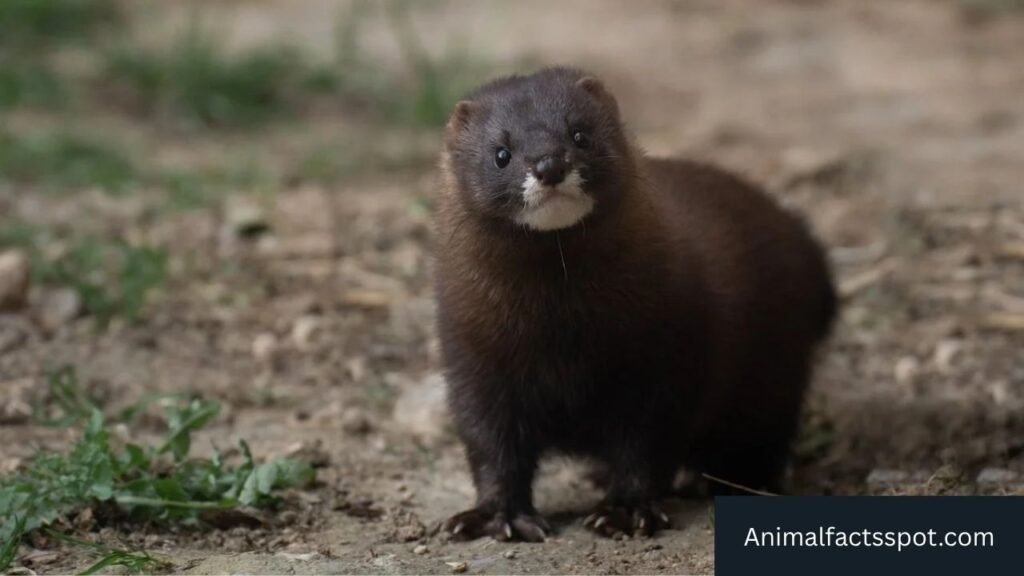
Adaptability is another hallmark of the mink’s lifestyle, as they thrive in diverse habitats ranging from wetlands to forests. Their ability to swim proficiently allows them to pursue prey in water, showcasing their adaptability as both terrestrial and aquatic hunters. Fascinatingly, minks play a crucial role in their ecosystems; as predators of rodents and fish, they help maintain balanced populations, underscoring their importance in the food web. Observing a mink in the wild can be an enchanting experience, as their sleek movements and curious personalities reveal a species perfectly attuned to its environment.
You can also read: Explore Top 13 Animals Like Prairie Dogs.
Civets
Scientific Name: Paradoxurus hermaphroditus
Class: Mammalia
Diet: Omnivore
Civets, often overshadowed by their more famous counterparts like the mongoose, are fascinating creatures that deserve our attention. Primarily nocturnal, these small mammals possess an elusive charm, wandering through forests and urban landscapes alike. Their unique digestive system allows them to produce one of the world’s most expensive coffees, known as civet coffee, which has led to both intrigue and ethical concerns regarding their treatment in captivity. This blend of uniqueness and controversy fosters a deeper appreciation for civets and highlights the complexities of wildlife interactions with humans.
Not limited to their coffee-producing prowess, civets play a crucial role in their ecosystems. As natural seed dispersers, they contribute to forest regeneration, helping plant species thrive and maintain biodiversity. Their diet consists not only of coffee cherries but also fruits, insects, and small animals, showcasing their adaptability. Understanding how civets navigate their environments can inspire more sustainable practices, particularly in areas where human habitats encroach upon theirs. By shedding light on these incredible animals, we can recognize the interconnectedness of all species and the importance of preserving the delicate balance of our ecosystems.
Weasel
Scientific Name: Mustela nivalis
Class: Mammalia
Diet: Carnivore
The weasel, a small yet fierce predator, shares intriguing similarities with the mongoose, particularly in their hunting strategies and adaptability. Both animals exhibit a remarkable agility that allows them to navigate through tight spaces and pursue prey with relentless determination. While mongooses are renowned for their unique ability to combat venomous snakes, weasels bring their own brand of cunning to the table, often using their speed and stealth to ambush small rodents and birds. This predatory prowess is complemented by their extraordinary metabolic rate, enabling them to consume prey that is nearly half their body weight in a single meal.
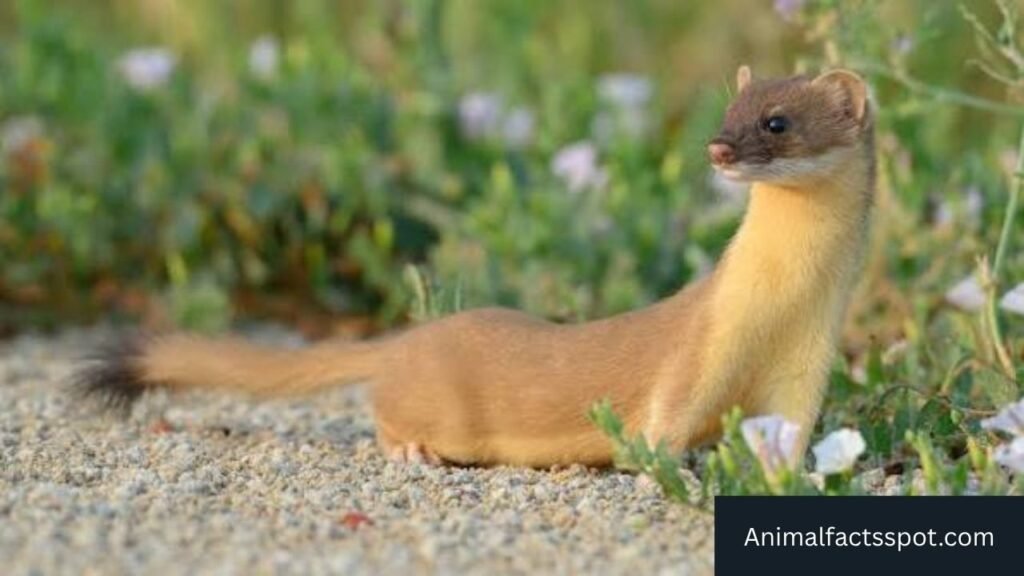
Another fascinating aspect of weasels lies in their social behavior, which starkly contrasts with the typically solitary mongoose. While mongooses often form close-knit groups, displaying cooperative hunting and vigilant social structures, some weasel species exhibit a more solitary lifestyle. However, during breeding seasons, weasels will congregate to establish territories, highlighting a complex social dynamic. This duality of existence reveals how adaptability is a common thread between these two species, demonstrating that survival often hinges on both individual skill and community interplay in the animal kingdom.
Linsang
Scientific Name: Prionodon linsang
Class: Mammalia
Diet: Carnivore
The linsang, a fascinating member of the civet family, offers a unique glimpse into the world of small carnivores. Found primarily in the forests of Southeast Asia, these elusive creatures are often mistaken for felines due to their sleek bodies and striking, patterned fur. However, it’s their remarkable agility and arboreal habits that truly set the linsang apart, allowing them to navigate the treetops with the grace of a dancer. With long limbs and prehensile claws, they are perfectly adapted for life in the canopies, where they feast on a diet of small mammals, birds, and insects, playing a vital role in controlling local ecosystems.
What truly captivates about the linsang is its duality: they possess both the stealth of a predator and the curiosity often found in playful creatures. These animals are primarily nocturnal, utilizing their keen sense of smell and exceptional hearing to hunt under the cover of darkness. Despite their solitary nature, they communicate through a range of vocalizations and scent markings, highlighting a complexity often overlooked in smaller carnivores. As habitats shrink and biodiversity declines, watching these enigmatic creatures in their natural setting becomes not just a privilege but a reminder of the fragile balance within our ecosystems. Observing a linsang in the wild not only sparks wonder but also emphasizes the importance of conservation efforts to protect the unique niches these animals fill.
Otter
Scientific Name: Lutra lutra
Class: Mammalia
Diet: Carnivore
Otters, much like mongooses, are charming creatures known for their agility and playful nature. These aquatic mammals share a fascinating adaptability to their environments, thriving in both freshwater and marine ecosystems. The similarities deepen when we consider their social structures; otters often live in groups known as rafts while mongooses tend to have family-oriented colonies. This communal lifestyle enhances their ability to hunt and thrive, showcasing a remarkable collaboration in the wild.
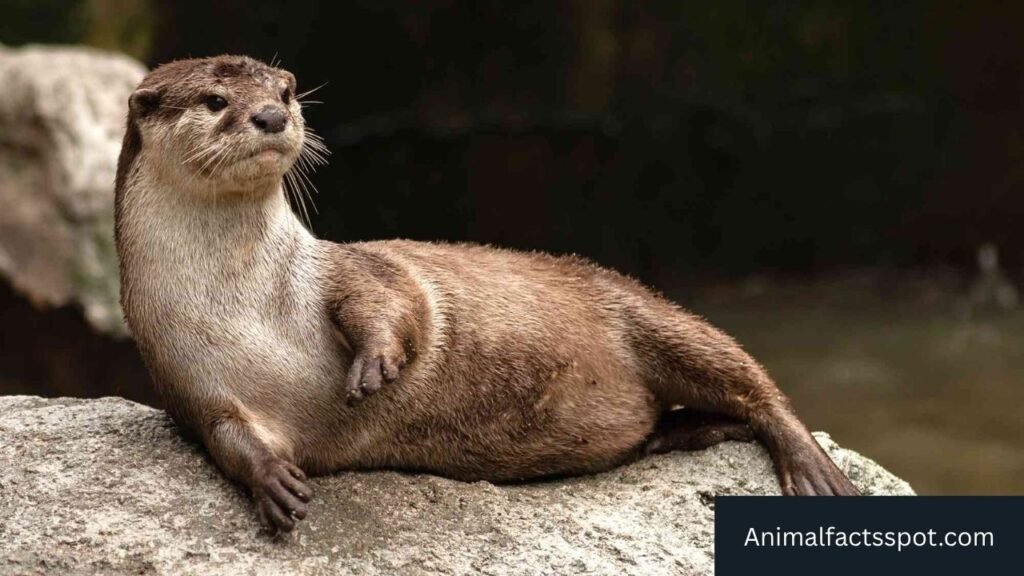
Notably, otters are often seen using tools, a trait that puts them in an elite category among animal species. They use rocks to crack open shells — a behavior that resonates with the cunning resourcefulness of mongooses that hunt in packs to tackle venomous snakes. Their playful antics may seem merely entertaining, but they serve critical survival training for young otters, much like the learning experiences of young mongooses as they navigate their treacherous territories. In this way, both animals highlight the intricate tapestry of survival skills woven through their playful and often communal interactions.
Stoat
Scientific Name: Mustela erminea
Class: Mammalia
Diet: Carnivore
The stoat, often overshadowed by its more celebrated relatives, displays a fascinating blend of agility and cunning. This small mustelid, with its sleek body and signature seasonal coat change from brown to white, embodies adaptability in the wild. As a predator, the stoat is relentless; its hunting techniques reflect a remarkable understanding of its environment. Frequently outsmarting larger foes, the stoat employs stealth and speed to capture prey, such as rabbits and voles, using a technique known as “bounding” that confuses its target with a series of quick, darting movements.
Beyond its prowess as a hunter, the stoat is also a symbol of the delicate balance within ecosystems. Its presence indicates a healthy environment, thriving with diverse prey and predators. Studying stoats can provide insights into the impacts of climate change, particularly their shifting behaviors in response to changing seasons and prey availability. This small creature reminds us of the intricate connections in nature — one that weaves survival, adaptation, and ecological balance into a vibrant tapestry.
Tayra
Scientific Name: Eira barbara
Class: Mammalia
Diet: Omnivore
The Tayra, a remarkable member of the weasel family, often goes unnoticed amid more charismatic wildlife. Agile climbers, Tayras possess a sleek body and a bushy tail that allow them to navigate tree branches with ease, reflecting a lifestyle that melds both terrestrial and arboreal habits. Their versatile diet ranges from fruits to small mammals, showcasing their opportunistic feeding strategy, which not only aids their survival but also plays a vital role in seed dispersal in their tropical habitats.
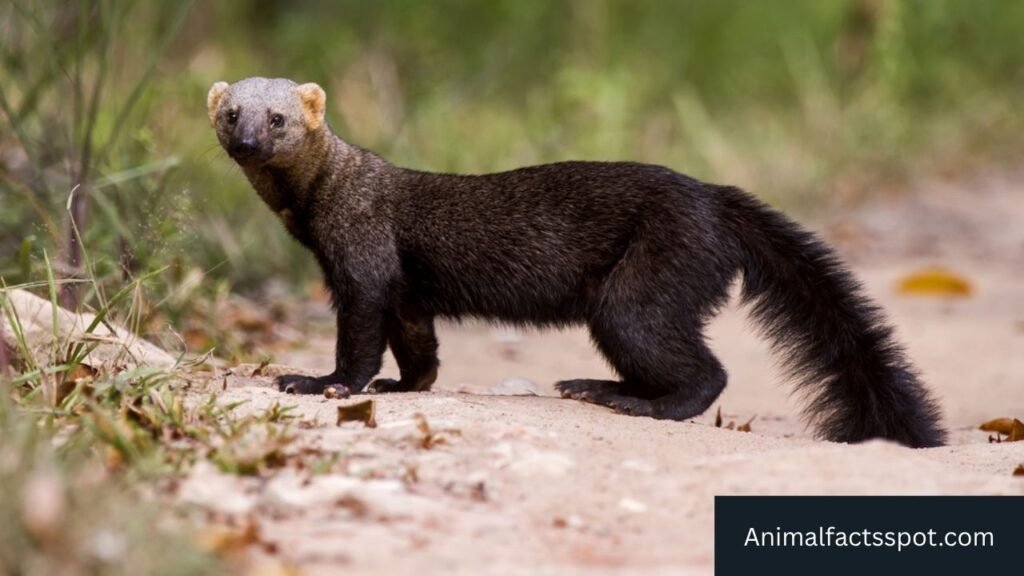
While many know the Mongoose for its prowess in snake encounters, the Tayra’s adaptability is equally fascinating. Unlike the Mongoose, which often relies on confrontations, Tayras employ a combination of stealth and intelligence to hunt, often using teamwork when tackling larger prey. This social aspect sets them apart from many solitary carnivores, hinting at complex social dynamics that remain understudied. Observing their interactions offers a lens into the intricate tapestry of forest life, revealing how even lesser-known species contribute significantly to their ecosystems.
Readmore: Explore Top 12 Animals Like Sugar Glider.
Final Thoughts
The world of wildlife is rich with animals that showcase characteristics akin to those of the mongoose. Species such as the meerkat and the civet exemplify social structures, hunting techniques, and ecological roles that resonate with the mongoose’s way of life. By studying these animals, we enhance our knowledge about adaptability and interspecies relationships within their habitats. Each of these creatures contributes to the intricate tapestry of biodiversity that sustains our ecosystems. Take a moment to learn more about these amazing species, and consider supporting wildlife conservation initiatives to protect their habitats.
FAQs
What animals are similar to mongoose?
Animals similar to mongooses include meerkats, civets, and genets. Meerkats are perhaps the most well-known relatives; they exhibit social behavior and live in groups, much like some mongoose species. Both mongooses and meerkats belong to the family Herpestidae, highlighting their close relationship. Civets and genets, while different in many ways, share some traits with mongooses. They have elongated bodies and are agile climbers, often found in similar habitats.
What is the closest relative to a mongoose?
The closest relatives to mongooses are actually the meerkats, which belong to the same family, Herpestidae. This family also includes other small carnivores, such as the suricate. Both mongooses and meerkats share similar traits, like their social behavior and agility, but they have distinct differences in their habitats and lifestyles.