Top 15 Animals That Eat Grasshoppers (With Images)
In the wild, a variety of creatures depend on grasshoppers for survival, making them a vital component of the ecosystem. This article will explore the fascinating world of animals that eat grasshoppers, shedding light on their dietary habits and ecological significance. By delving into this topic, you’ll gain a deeper appreciation for the interconnectedness of nature and the role these creatures play in maintaining balance in their environments.
List of Animals That Eat Grasshoppers
Here is the list of animals that eat grasshoppers:
| Number of Animals | Names of animals that eat grasshoppers |
| 1 | Coyotes |
| 2 | Raccoons |
| 3 | Hedgehogs |
| 4 | Meerkats |
| 5 | Turkeys |
| 6 | Cuckoos |
| 7 | Frogs |
| 8 | Blue jays |
| 9 | Opossums |
| 10 | Orioles |
| 11 | Praying Mantis |
| 12 | Wasps |
| 13 | Chameleons |
| 14 | Chickens |
| 15 | Dragonflies |
Coyotes
Scientific Name: Canis latrans
Class: Mammalia
Diet: Omnivore
Coyotes are often perceived as cunning hunters, adept at adapting to diverse environments, but their diet is more varied than many realize. In addition to the typical small mammals and scavenged carrion, these wily canines have a taste for grasshoppers, especially when other food sources are scarce. During late summer, when grasshopper populations swell, coyotes leverage this abundance, showcasing their opportunistic feeding behavior. This shift not only helps alleviate competition over prey like rodents but also highlights the coyote’s role in maintaining ecological balance by controlling insect populations.
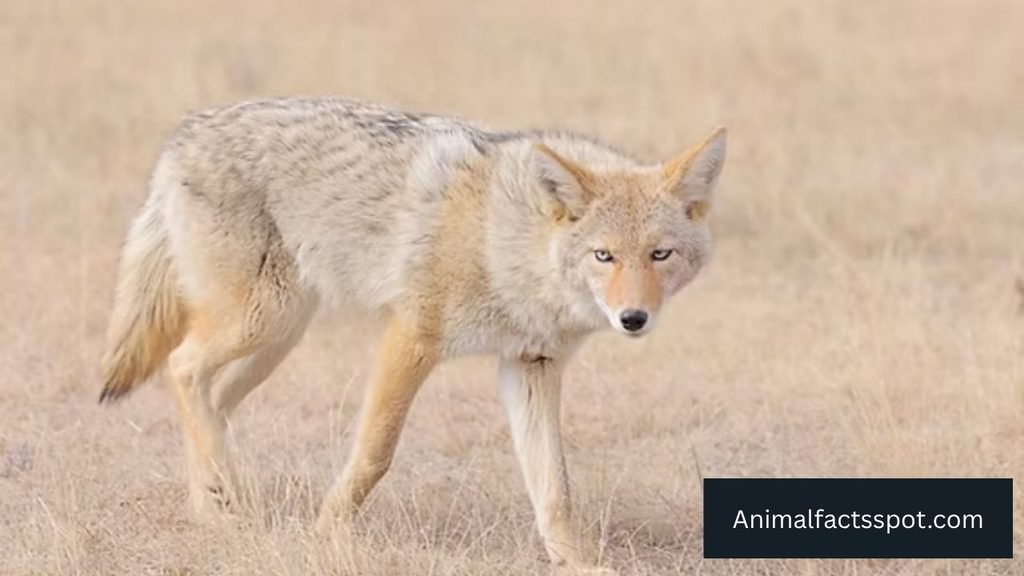
Interestingly, the inclusion of grasshoppers in their diet underscores the coyote’s adaptability. Unlike wolves, whose hunting grounds are often confined to larger game, coyotes thrive in urban and rural environments alike, utilizing whatever resources are available. This flexibility allows them to navigate changes in their habitat and food availability, making them a resilient species in a rapidly changing world.
Raccoons
Scientific Name: Procyon lotor
Class: Mammalia
Diet: Omnivore
Raccoons, often seen rummaging through trash cans, have a surprisingly diverse diet that includes grasshoppers. These agile little mammals are opportunistic feeders, and the crunch of a fresh grasshopper provides not just sustenance but a burst of protein essential for their energetic lifestyle. This behavior showcases their adaptability in urban environments, where other food sources may be scarce.
Their dexterous fingers allow them to not only grasp grasshoppers but also manipulate their environment, revealing their intelligence and problem-solving skills. In addition to being a tasty snack, hunting grasshoppers helps raccoons refine these skills, emphasizing their role as agile foragers in both rural and urban ecosystems. In this way, a seemingly simple meal serves a greater purpose in maintaining their survival and adaptability.
Hedgehogs
Scientific Name: Erinaceus europaeus
Class: Mammalia
Diet: Omnivore
Hedgehogs, those charming little nocturnal creatures, find a surprising delight in munching on grasshoppers as part of their diverse diet. These small, spiny mammals possess an impressive ability to locate and forage for prey in their garden habitats. With keen senses and agile movements, hedgehogs are masters at navigating through underbrush to uncover the hidden treasures among the foliage. Grasshoppers, rich in protein and other essential nutrients, serve as a nourishing treat that supports their overall health and energy needs.
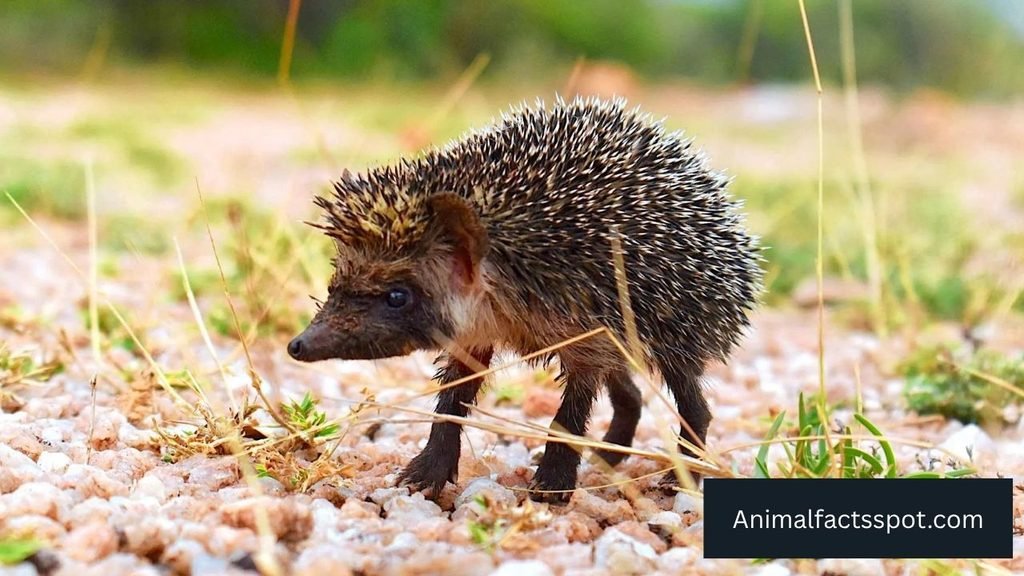
In areas where grasshoppers thrive, a hefty hedgehog presence can help curtail potential overpopulation, reducing the threat to local flora. This natural pest control method showcases the importance of hedgehogs within their ecosystems, emphasizing their role not just as adorable garden visitors but also as vital participants in maintaining environmental harmony. Their unique foraging habits and dietary preferences make hedgehogs an integral piece of the intricate puzzle of wildlife dynamics.
Readmore: Explore Top 13 Birds That Fly at Night.
Meerkats
Scientific Name: Suricata suricatta
Class: Mammalia
Diet: Carnivore
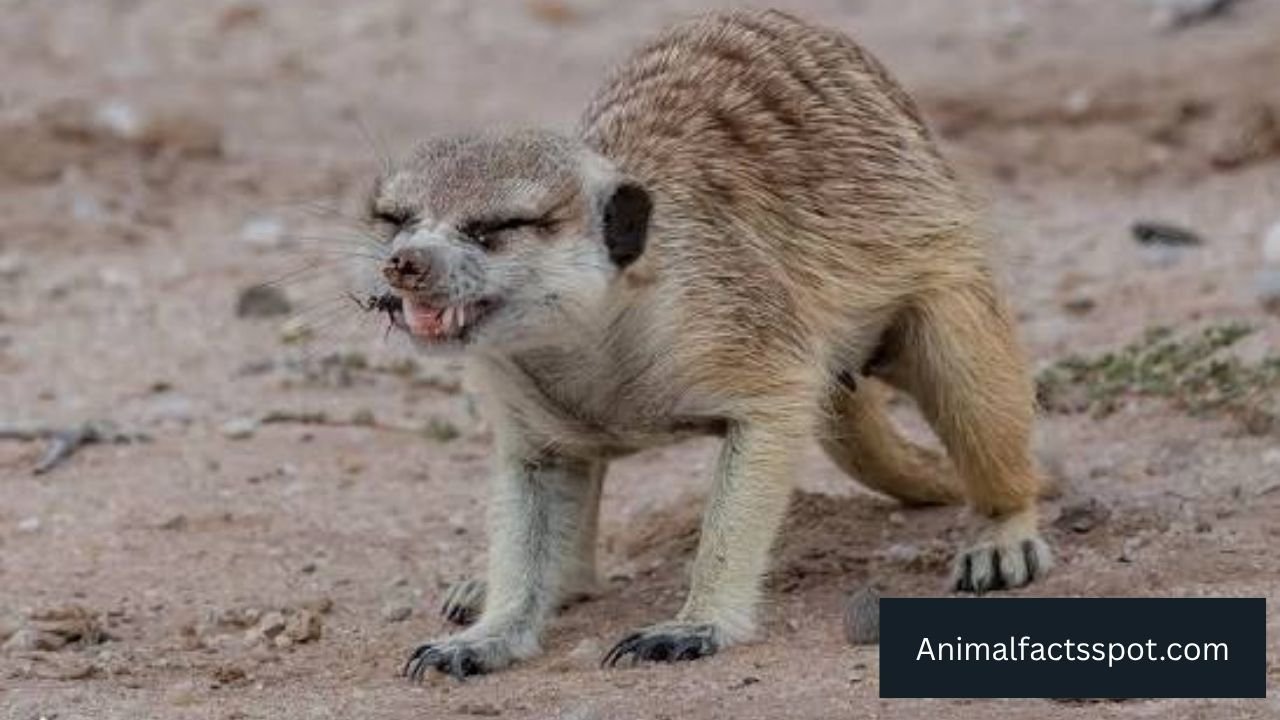
Meerkats, those charismatic sentinels of the African savanna, exhibit remarkable adaptability in their diet, making grasshoppers a frequent target. These social creatures utilize their keen eyesight to spot the nimble insects as they hop across the arid landscape, showcasing not just acute hunting instincts, but also a level of coordination that makes their foraging efforts fascinating to observe.
Beyond mere sustenance, the consumption of grasshoppers reveals a deeper ecological connection. As meerkat packs thrive on this protein-rich snack, they also contribute to the balance of the ecosystem, curbing insect populations that could otherwise explode. This predation helps assure the overall health of their habitat, reminding us that even the smallest animals have a significant role in nature’s intricate tapestry.
Turkeys
Scientific Name: Meleagris gallopavo
Class: Aves
Diet: Omnivore
Turkeys, often overlooked in discussions about ecosystems, play a surprisingly dynamic role as grasshopper consumers in their habitats. When foraging, these birds exhibit a keen ability to spot and catch grasshoppers with remarkable agility. This dietary choice not only supplements their nutrition, particularly during the warmer months when insects are abundant, but also helps regulate grasshopper populations, thus maintaining ecological balance.
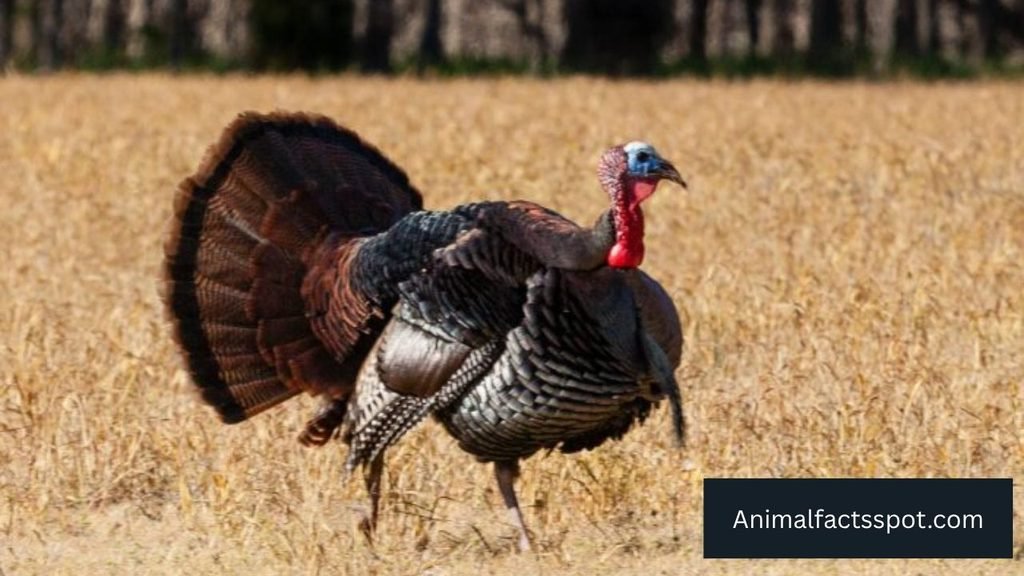
Moreover, the wild turkey’s preference for grasshoppers speaks to their adaptability in diverse environments. These omnivorous birds are opportunistic foragers, shifting their diet based on seasonal availability. This behavior exemplifies how turkeys, once predominantly associated with forests, are thriving in various landscapes, including agricultural fields, where grasshoppers flourish in the wake of human land use.
Cuckoos
Scientific Name: Cuculus canorus
Class: Aves
Diet: Omnivore
Cuckoos are fascinating creatures, not just for their unique reproductive habits but also for their diverse diet that prominently features grasshoppers. These agile birds have evolved to become adept hunters, using their sharp beaks and keen eyesight to spot and capture grasshoppers in the tall grasses or brush. The adaptability in their hunting methods is remarkable; some cuckoos have been observed employing strategies such as perching quietly before launching a swift attack, showcasing their blend of patience and precision.
Interestingly, the relationship between cuckoos and grasshoppers extends beyond mere predation. In areas where cuckoo populations thrive, grasshopper populations can noticeably fluctuate. This natural control mechanism highlights the importance of cuckoos in the ecosystem, as they help maintain a balance among insect populations. Moreover, the timing of cuckoo migrations often coincides with peak grasshopper activity, allowing these birds to capitalize on an abundant food source just as they arrive at their breeding grounds.
Frogs
Scientific Name: Lithobates catesbeianus
Class: Amphibia
Diet: Carnivore
Frogs, with their agile bodies and remarkable camouflage, are masterful predators of grasshoppers. Their long, sticky tongues are engineered for rapid capture, often extending to snag unsuspecting insects in the blink of an eye. This efficient hunting method not only showcases their unique adaptations but also highlights their role in controlling grasshopper populations, which can burgeon into swarms that devastate crops.
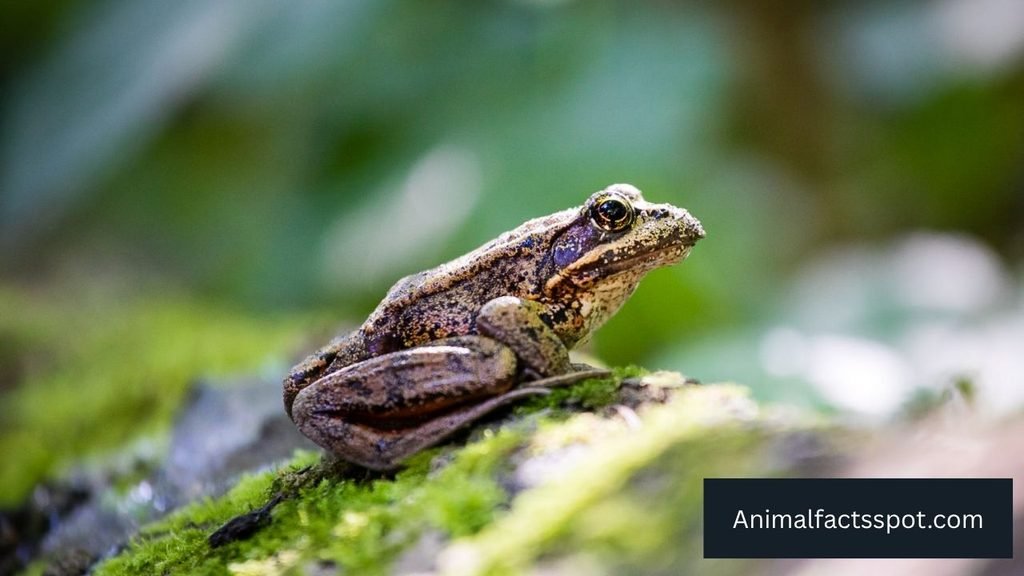
Moreover, the relationship between frogs and grasshoppers goes beyond mere predation; it contributes to the intricate balance of ecosystems. In many environments, grasshoppers serve as critical links in food webs, and the presence of frogs helps regulate their numbers. Interestingly, certain frog species have been shown to exhibit dietary preferences, opting for specific grasshopper species based on factors like color and size, reflecting a nuanced understanding of their environment.
Blue jays
Scientific Name: Cyanocitta cristata
Class: Aves
Diet: Omnivore
Blue jays are not just vibrant jewels of the skies; they’re also keen opportunistic feeders with a diverse diet that includes grasshoppers. Known for their intelligence, these striking birds employ clever techniques to hunt, often using their sharp beaks to pry open the hiding spots of these elusive insects. A blue jay’s unmistakable call can be a cue in a lively summer scene, as they announce their presence while scouring the grass for a crunchy snack.
Interestingly, blue jays play a crucial role in maintaining ecological balance. By helping control grasshopper populations, they prevent these insects from overwhelming plant life and disrupting local ecosystems. Their adaptability to different environments — from dense forests to suburban backyards — shows how resilient they are, thriving on whatever food sources are available.
Opossums
Scientific Name: Didelphis virginiana
Class: Mammalia
Diet: Omnivore
Opossums are often underestimated in their ecological role, but these nocturnal marsupials are surprisingly effective predators of grasshoppers. With their keen sense of smell and agile bodies, opossums navigate through grass and foliage, proving to be grasshopper hunters in their own right. As they forage, they consume not only grasshoppers but also a variety of insects, contributing to natural pest control and maintaining balance in their habitats.
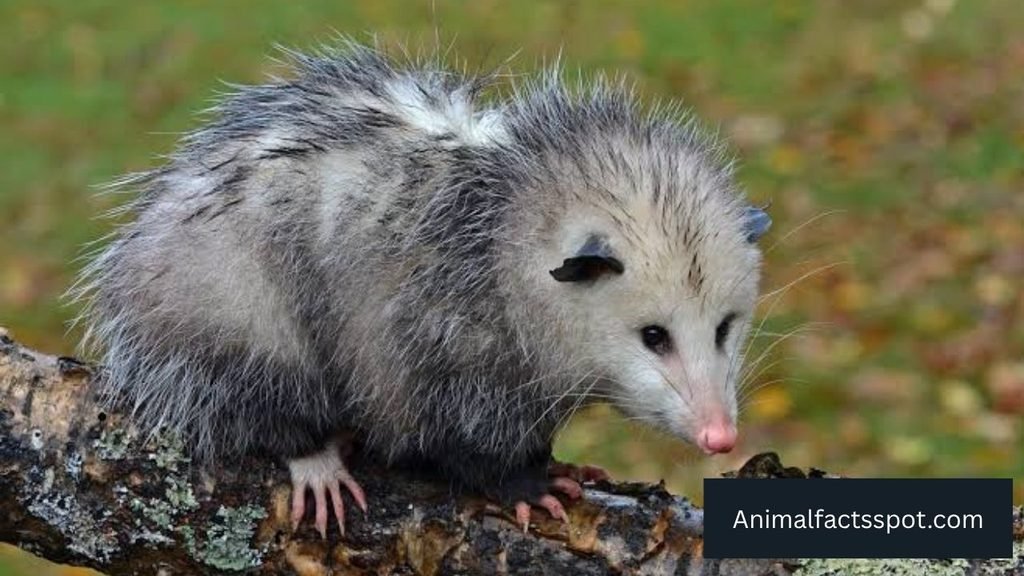
Moreover, opossums boast a unique advantage: their immune systems are remarkably resilient. This allows them to eat creatures that might be harmful to other animals, including ticks and potentially toxic insects like grasshoppers. By preying on these insects, opossums help mitigate the spread of diseases carried by ticks, showcasing their essential role in promoting biodiversity and ecosystem health.
Orioles
Scientific Name: Icterus galbula
Class: Aves
Diet: Omnivore
Orioles are strikingly colorful birds that go beyond their reputation for vibrant plumage. While they are primarily known for their fruit and nectar diet, their adaptability and opportunistic feeding behavior lead them to include grasshoppers in their menu. This diverse diet not only showcases their versatility but also highlights their role in controlling grasshopper populations, thus contributing to the balance of their ecosystems. Orioles use their sharp vision and agile flight to spot these insects flitting among the foliage, making them adept hunters even in their arboreal habitats.
Observing orioles in action can be a mesmerizing experience. These birds employ a concerted foraging strategy; they often hang upside down or hover near branches to snatch unsuspecting grasshoppers. In this way, they demonstrate a remarkable combination of agility and precision, enhancing their ability to thrive in various environments. The consumption of grasshoppers supplements their nutritional needs during breeding seasons, providing valuable protein for their young chicks.
Praying Mantis
Scientific Name: Mantis religiosa
Class: Insecta
Diet: Carnivore
The praying mantis, with its poised stance and uncanny ability to blend into its surroundings, is a formidable predator in the world of grasshoppers. These fascinating insects employ a remarkable hunting strategy, often utilizing their triangular heads and large compound eyes for keen spatial awareness. When a grasshopper wanders too close, the mantis strikes with lightning speed, utilizing specialized forelegs that can snatch prey in mere milliseconds. This ambush technique not only showcases their physical prowess but also highlights their evolutionary adaptations.
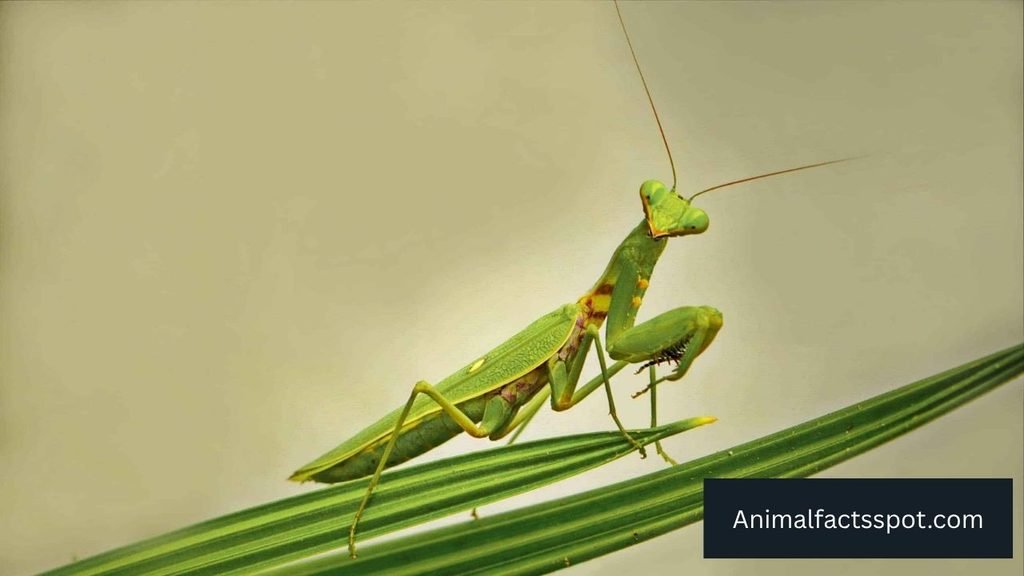
Interestingly, mantises don’t just rely on brute force; they engage in a dance of patience and precision. Some species are adept at mimicking the foliage or flowers around them, luring grasshoppers into a false sense of security. This camouflage tactics allows them to capitalize on the element of surprise, turning a simple meal into an exhilarating feast. Their role in the ecosystem extends beyond personal sustenance; by controlling grasshopper populations, mantises help maintain the delicate balance within their ecosystems, ensuring that no single species overwhelms the habitat.
Wasps
Scientific Name: Vespula vulgaris
Class: Insecta
Diet: Omnivore
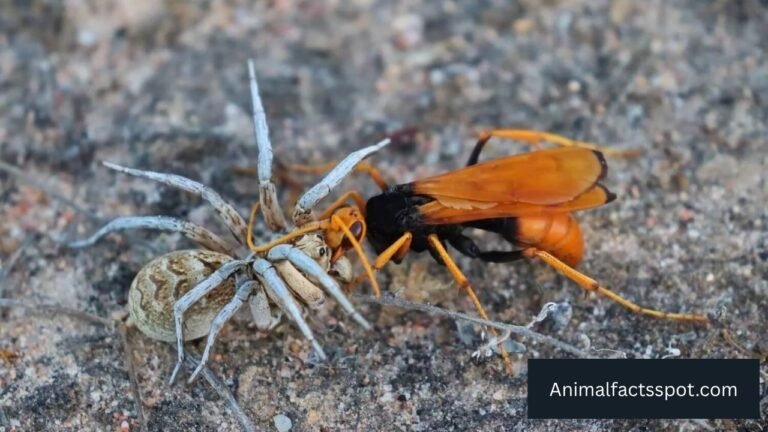
Wasps, often overlooked in the grand hierarchy of insect predators, play a fascinating role in controlling grasshopper populations. These agile hunters utilize their impressive aerial agility to snag grasshoppers mid-leap, turning the tables on one of nature’s most nimble creatures. With a keen visual acuity and remarkable speed, wasps can detect the slightest movement, allowing them to swoop in with precision and efficiency.
Moreover, certain wasp species carry their trophy prey back to their nests, showcasing an intriguing aspect of their reproductive strategy. By paralyzing grasshoppers and storing them alive, female wasps provide a fresh food source for their developing larvae. This gruesome yet efficient method highlights a unique cycle of life that underscores the interconnectedness of ecosystems — where one creature’s survival hinges on the life of another.
Chameleons
Scientific Name: Furcifer pardalis
Class: Reptilia
Diet: Carnivore
Chameleons are fascinating predators, well-known for their color-shifting abilities and their remarkable hunting techniques. These unique reptiles often include grasshoppers in their diet, showcasing an impressive combination of patience and precision. When a chameleon spots a grasshopper, it remains perfectly still, camouflaging itself amidst foliage to avoid detection. This stealth mode is key to its success, as grasshoppers can easily evade threats in their dynamic environment.
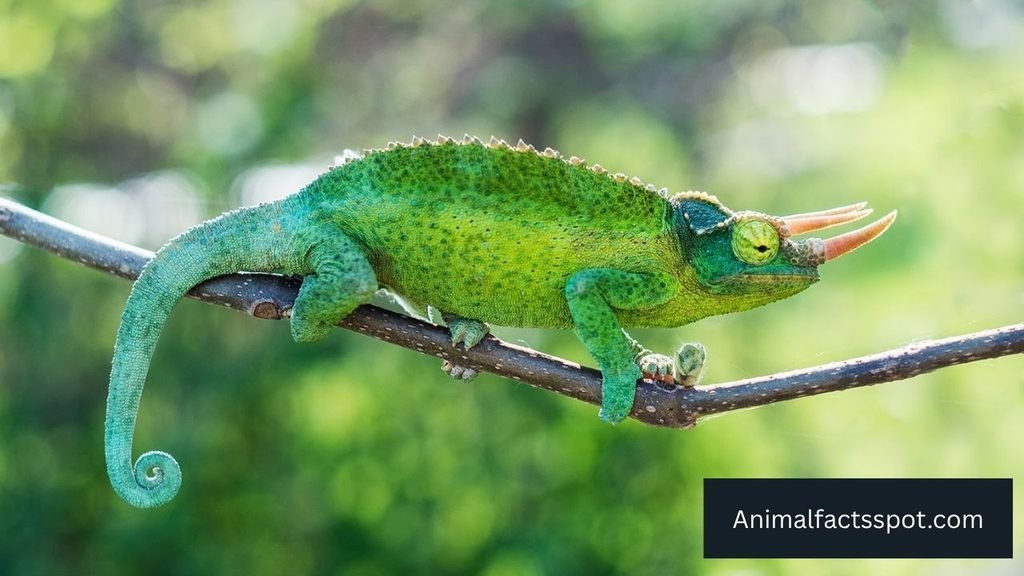
Once a chameleon locks onto its target, it employs its long, sticky tongue, which can extend up to twice the length of its body. The split second of launching this appendage requires exceptional timing, as the chameleon must calculate the grasshopper’s movements with uncanny accuracy. The thrill of this predatory dance illustrates nature’s intricate balance, where each encounter contributes to the ecosystem’s health.
Chickens
Scientific Name: Gallus gallus domesticus
Class: Aves
Diet: Omnivore
Chickens are natural foragers, and their diet is as diverse as it is fascinating. They have an instinctual drive to scratch and peck at the ground, uncovering hidden treasures like grasshoppers. These insects provide a rich source of protein, essential for the health and vitality of these birds. An intriguing aspect of chickens is their social behavior during foraging; they often work together, scratching the ground in unison, which not only improves their chances of finding food but also fosters community dynamics within the flock.
Moreover, grasshoppers are not just a tasty treat for chickens; they also play a role in pest control. By naturally hunting down these insects, chickens help keep grasshopper populations in check, benefiting the surrounding gardens and ecosystems. This symbiotic relationship highlights the balance found in nature, where chickens contribute unwittingly to their environment while enjoying a nutritious snack.
Dragonflies
Scientific Name: Pantala flavescens
Class: Insecta
Diet: Carnivore
Dragonflies are not just mesmerizing aerial acrobats; they are also skilled hunters of grasshoppers and other insects. With their incredible eyesight, dragonflies can spot these elusive grasshoppers from a considerable distance, allowing them to target their prey with precision. Their six legs are uniquely adapted for catching and holding onto grasshoppers mid-air, demonstrating an evolutionary finesse that speaks to their role as effective predators.
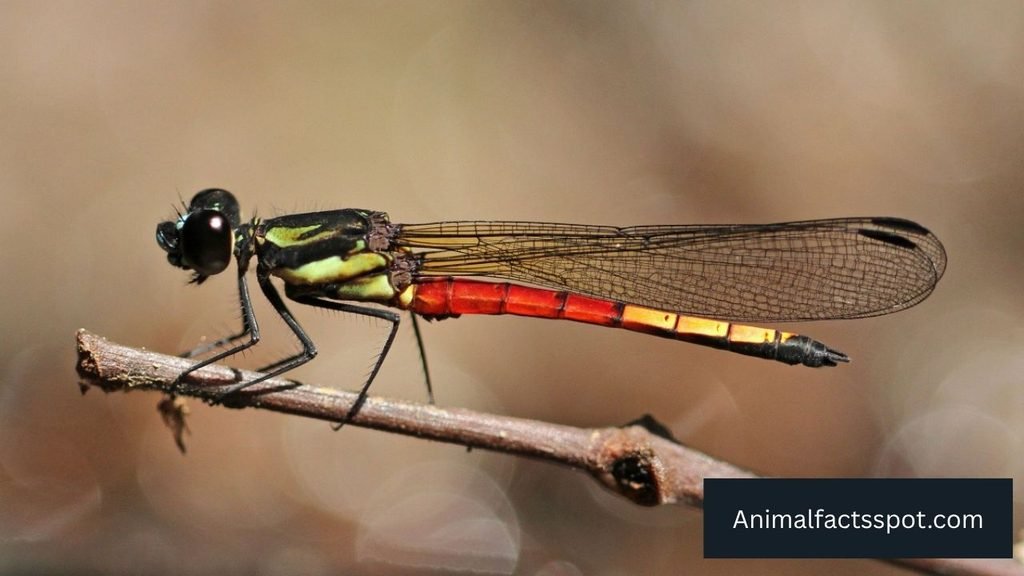
Interestingly, the dragonfly’s diet plays a crucial role in maintaining the ecological balance. By controlling grasshopper populations, they act as natural pest managers, indirectly supporting agricultural health. In a world increasingly challenged by climate change and habitat loss, the presence of dragonflies can indicate a healthy ecosystem, serving as both an indicator species and a valuable ally for sustainable farming practices.
Readmore: Explore Top 13 Animals Like Mongoose.
Conclusion
The array of animals that consume grasshoppers demonstrates the diversity and complexity of food chains in nature. These insects not only serve as crucial nourishment for many species, but their presence also influences ecosystem health and stability. By examining their role, we gain insight into the natural world and the importance of maintaining biodiversity. As stewards of the environment, it is our responsibility to protect these habitats and the creatures they host. Let’s take action now to ensure future generations can appreciate the vital roles all animals play in our ecosystems.
FAQs
What animal will eat a grasshopper?
Grasshoppers are a common food source for a variety of animals due to their abundance and nutritional value. Birds are among the most frequent predators, as many species, such as sparrows and swallows, find grasshoppers to be a tasty and energy-rich snack. Certain reptiles, including lizards, and amphibians like frogs, also enjoy grasshoppers as part of their diet.
Is grasshopper eaten by rats?
Yes, grasshoppers can be eaten by rats. These rodents are omnivores with a diverse diet that includes fruits, seeds, grains, and even insects. Grasshoppers are a high-protein food source, making them an appealing option for rats, especially in areas where other food sources may be scarce.